
South Africa’s automotive and energy sectors are preparing to take a closer look at AutoGas as a practical cleaner-fuel option, with the country’s first dedicated AutoGas Workshop set to take place in Johannesburg next month.
The event, hosted by the Liquefied Petroleum Gas Safety Association of South Africa (LPGSA) in partnership with the Retail Motor Industry Organisation (RMI), will be held on 3 July 2026 at the Indaba Hotel in Fourways. It aims to give industry players, technical professionals and fleet operators a clearer understanding of the commercial, regulatory and environmental opportunities linked to liquefied petroleum gas as a transport fuel.
AutoGas, also known as LPG, is gaining attention in South Africa at a time when the transport sector faces mounting pressure from high fuel prices, supply uncertainty and the need to reduce emissions. While it is not a zero-emissions technology, supporters see it as a useful transitional fuel that can help lower greenhouse gas output, improve air quality and strengthen energy resilience in the near term.
Internationally, AutoGas is already well established. More than 28 million vehicles run on the fuel worldwide, supported by over 82,000 refuelling stations. Markets such as Turkey, South Korea, Poland and India have shown how LPG can be incorporated into cleaner mobility strategies while offering meaningful savings to motorists and fleet owners.
The South African workshop will cover transport policy, cleaner mobility initiatives and the regulatory requirements that will shape the development of the local AutoGas market. LPGSA has also secured participation from the World Liquid Gas Association, with specialists from established AutoGas markets expected to share international lessons and best practice.
Gadibole Dihlabi, Managing Director of LPGSA, said the workshop marks an important step in developing a safe and credible local AutoGas industry. She said South Africa has an opportunity to build a sector that supports affordable mobility, cleaner transport and improved energy security, provided it is underpinned by strong safety, compliance and professional standards.
The RMI, through the Automotive Remanufacturers’ Association, has also been promoting the role of alternative energy through its GreenDrive initiative. Attie Serfontein, National Director of the ARA, said AutoGas offers immediate opportunities for workshops, technicians, motorists and fleet operators.
According to Serfontein, LPG can deliver savings of up to 50% compared with petrol and around 30% compared with diesel. He added that it can reduce carbon dioxide emissions by up to 21%, cut fine particulate matter by up to 95% and significantly reduce nitrogen oxide emissions.
For fleet owners facing tight margins and growing decarbonisation demands, he said the figures highlight why AutoGas deserves serious attention. He also stressed that LPG is not a distant concept, but a technology already available in South Africa’s aftermarket.
As the country explores cleaner and more affordable mobility solutions, the workshop is expected to help position AutoGas as a near-term option for businesses and technical professionals looking to adapt to changing transport demands.
Staff Writer
Reporting from the front lines of the collision repair industry, delivering expert analysis and the technical updates that drive the African automotive sector forward.
More From Events
Hella Urges Aftermarket to Prepare Now for a Changing Vehicle Parc
Hella outlines how distributors and workshops can adapt to ageing vehicles, EV growth and evolving aftermarket demands in South Africa.
Data-centred Approach Should Be Taken to Evolving Car Parc, says Expert at Hella Synergy
South Africa’s ageing vehicle parc, rising Chinese brands and digital consumers are transforming aftermarket opportunities and challenges.
Automechanika Riyadh 2027 signals a New Early-year Sprint for the Aftermarket
Automechanika Riyadh 2027 moves to a larger venue as Saudi Arabia’s booming automotive aftermarket accelerates under Vision 2030.
Gqeberha Hosts Automechanika Johannesburg CEO Breakfast in First for Automotive Heartland
Gqeberha hosted the first Automechanika Johannesburg CEO Breakfast, spotlighting South Africa’s automotive industry challenges and growth.
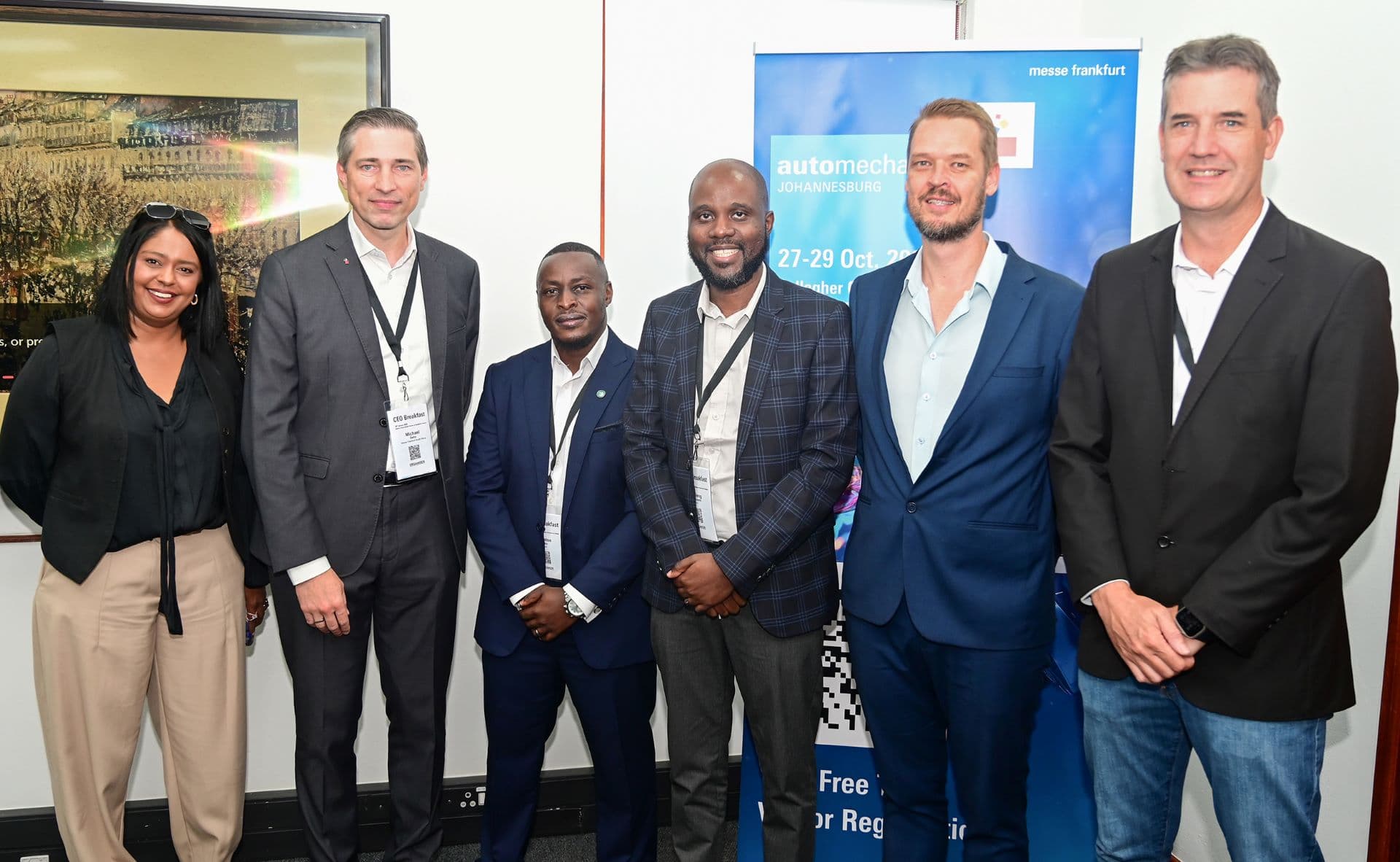
Industry Leaders Confront Skills Shortages and Technological Upheaval at Automechanika Johannesburg CEO Breakfast
Industry leaders call for collaboration to tackle skills shortages, tech shifts, and global pressures shaping South Africa’s automotive future.
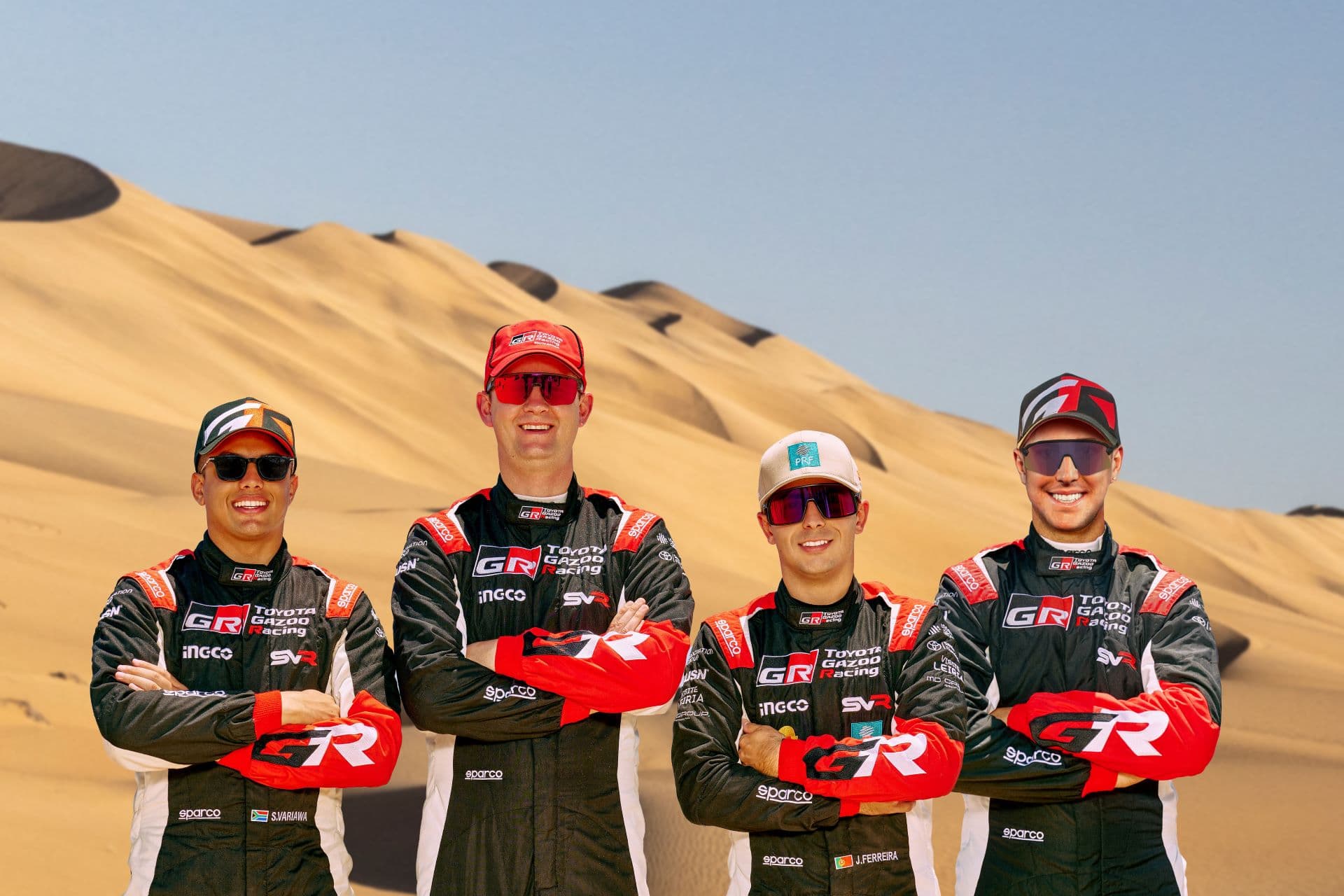
BodyShop News Africa Sends Best Wishes to Toyota Gazoo Racing South Africa Ahead of Dakar Rally 2026
BodyShop News Africa Sends Best Wishes to Toyota Gazoo Racing South Africa Ahead of Dakar Rally 2026