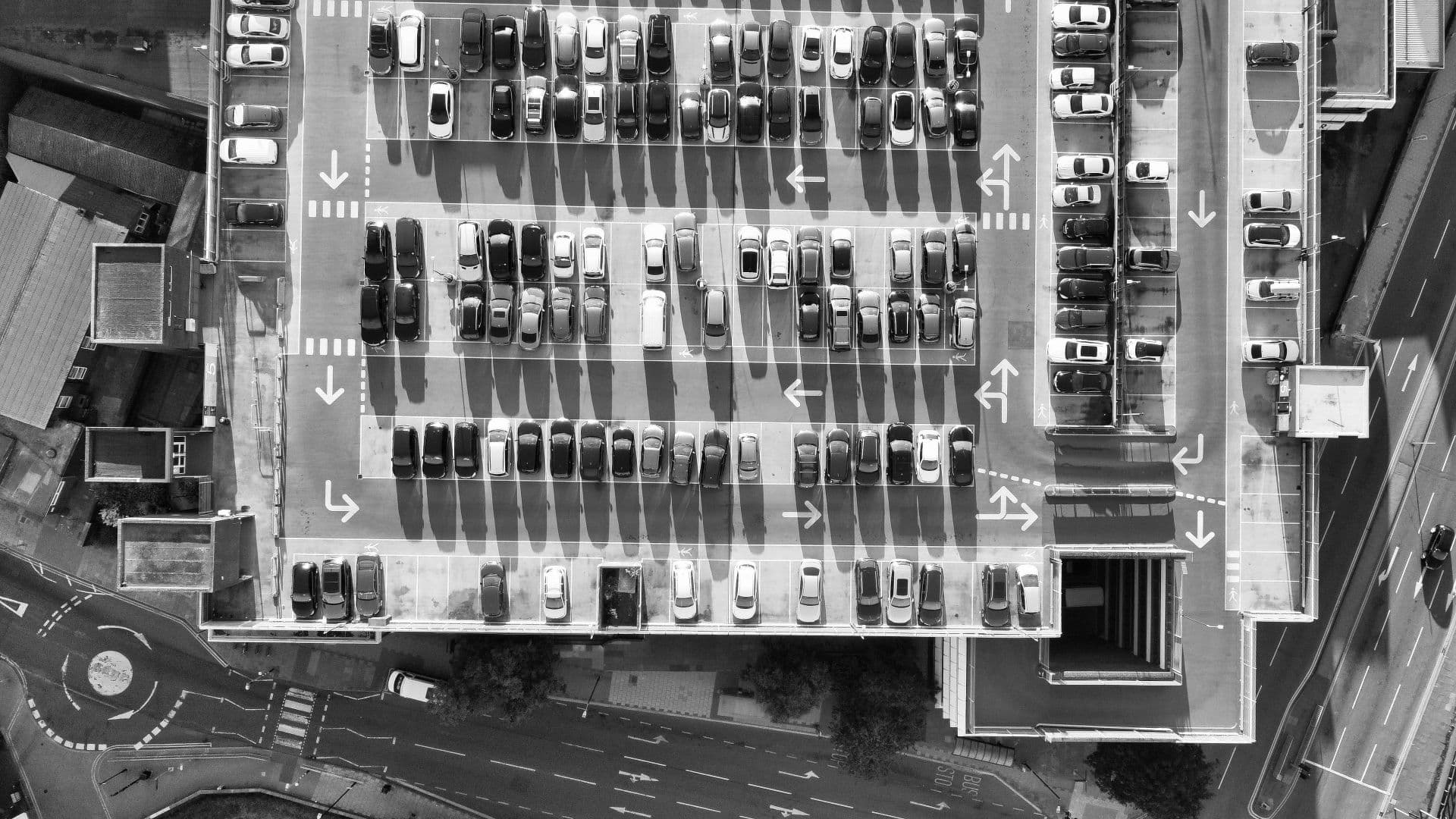
South Africa’s vehicle fleet is undergoing a significant transformation, with repairers facing a market that is defined less by vehicle numbers alone and more by the growing technical sophistication found across the car parc.
Although the overall size and age of the national fleet continue to influence demand in the aftermarket, a deeper change is taking place. Vehicles across every segment, from the latest models to older units still in daily use, now carry more electronic, safety and software-based systems than ever before. This is changing the way motor body repairs are assessed, priced and completed.
The South African Motor Body Repairers’ Association (SAMBRA) says the industry can no longer view the car parc as a single, uniform measure. Instead, it has become a layered environment in which mechanical components, advanced electronics and digital systems are increasingly present across all vehicle age groups.
“In the past, the industry largely measured opportunity by looking at how many vehicles were on the road and how old they were on average. That remains important, but it no longer tells the full story. The major change is that complexity is not limited to new vehicles anymore. It is now present throughout the parc.” — SAMBRA representative
A comparison of five mainstream vehicle brands between 2012 and 2025 highlights the extent of this shift. Technologies that were once reserved for premium vehicles or higher-specification models are now widely fitted as standard, creating new demands for repairers.
Reverse cameras are one example. In 2012, only one or two of the sampled vehicles included this feature. By 2025, all five were fitted with reverse camera systems as standard. For workshops, replacing or repairing these systems is no longer a basic fitment job. It may involve calibration, testing and verification to ensure the system operates correctly.
Parking sensors show a similar pattern. In 2012, only two of the five vehicles were equipped with this technology. By 2025, all five had sensor-based parking assistance. This means that even a routine bumper repair may now require sensor checks, correct alignment and recalibration to maintain accuracy and safety.
Adaptive cruise control has also become far more common. None of the five vehicles assessed in 2012 offered this feature, while by 2025 at least four included it either as standard or on higher derivatives. Radar-based systems of this nature require specialist tools and trained technicians, particularly after collision or structural repairs.
These changes point to a broader trend in the market. Modern vehicles increasingly rely on advanced driver assistance systems, multiple electronic control units, sensor-based safety features and software-linked functionality. As a result, repairs that once appeared cosmetic or straightforward can now require diagnostic scans, system recalibration and software alignment.
The challenge is not limited to newer vehicles. Older vehicles, which still represent a substantial share of South Africa’s fleet, are also becoming more complex. Many are fitted with aftermarket telematics, insurance tracking devices and retrofitted safety features, adding modern digital layers to older mechanical platforms.
SAMBRA describes this as a fragmented complexity curve, where vehicles of different ages and specifications all require varying degrees of specialist knowledge, equipment and repair procedures. This is placing additional pressure on workshops to keep pace with changing technology.
Industry observers say the trend is being accelerated by the faster spread of digital and connected features into mainstream vehicle segments. Technologies that once took years to filter down from luxury models are now appearing much sooner in mid-range and older vehicles.
The result is a vehicle parc that is not only ageing, but also becoming more technologically dense. For motor body repairers, this creates a stronger need for ongoing technical training, investment in diagnostic and calibration equipment, and closer adherence to original equipment manufacturer repair standards.
SAMBRA says the changing environment underlines the importance of collaboration between repairers, insurers, vehicle manufacturers and other industry stakeholders. Structured training, improved access to repair information and sustained investment in technical capability will be essential to ensuring that vehicles are repaired safely and correctly.
As the national vehicle fleet continues to evolve, SAMBRA says recognising the scale of this shift is vital for repairers, insurers, OEMs and policymakers working to support a safe, sustainable and future-ready mobility ecosystem.
Staff Writer
Reporting from the front lines of the collision repair industry, delivering expert analysis and the technical updates that drive the African automotive sector forward.
More From Industry

EU Backs Tougher Circular Economy Rules for Cars
The European Parliament has approved new circular economy regulations that will require vehicle manufacturers to improve recyclability, increase recycled material use and strengthen end-of-life vehicle responsibility.
US Counterfeit Airbag Verdict Highlights Growing Vehicle Safety Crisis
A Florida jury has awarded more than $600 million to the family of a young mother killed by a counterfeit airbag, drawing renewed attention to the dangers posed by fake vehicle safety components entering the repair market.

Must Read: Competition Case in Botswana Could Reshape the Regional Repair Market
A Botswana competition case could influence insurer-repairer relationships and reshape vehicle repair markets across Southern Africa.

New VP at BASF Global Automotive Refinish Coatings Announced
BASF Coatings appoints Steve Arndt as Senior VP of Global Automotive Refinish Coatings, succeeding Chris Titmarsh in July 2026.
Mahle VP Says Future of Mobility Will be Defined by Mix Solutions
Mahle says the future of mobility will rely on diverse technologies, with efficiency, adaptability and regional needs driving adoption.

Parliamentary move sharpens focus on accountability at the RAF
Parliaments SCOPA moves to pursue charges against former RAF CEO Collins Letsoalo over summons breach amid renewed call for accountability and reform