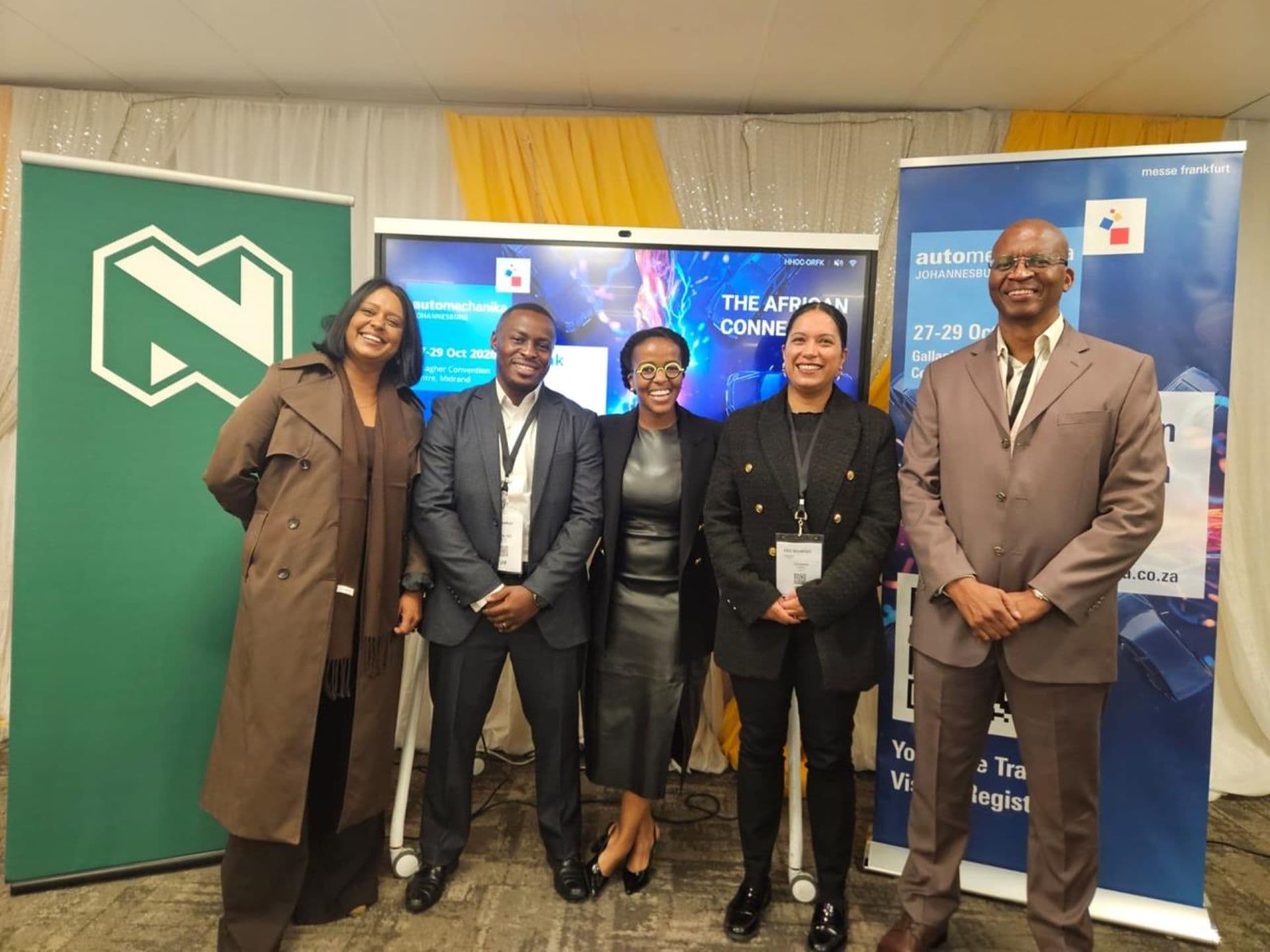
Gqeberha, widely regarded as the engine room of South Africa’s vehicle manufacturing, welcomed the Automechanika Johannesburg CEO Breakfast for the first time, signalling a notable moment for the country’s leading production centre.
Hosted at the Bluewater Bay Sunrise Hotel on 7 May, the debut breakfast in Gqeberha gathered senior executives, policymakers, economists and key industry players to debate the outlook for South Africa’s automotive sector and the broader aftermarket value chain. The location was intentional, with the city offering a direct view of the constraints and opportunities shaping local manufacturing.
Backed by the Coega Development Corporation (CDC) and Nedbank, the gathering forms part of Automechanika Johannesburg’s ongoing industry engagement in the run-up to the 2026 trade fair.
Proceedings opened with remarks from Dr Mpumelelo Mabula of the CDC, followed by insights from Dr Paulina Mamogobo of naamsa | The Automotive Business Council, Nedbank economist Crystal Huntley and Bobby Ramagwede, Chief Executive Officer of the Automobile Association of South Africa.
Referencing naamsa market indicators, Dr Mamogobo pointed to improving domestic sales and the growing potential of trade across the continent. “Africa presents a firm growth opportunity through the Africa Continental Free Trade Area (AfCFTA),” she said. She also noted a marked change in buying patterns: “Imported vehicles now account for 68.5 per cent of total domestic new vehicle sales in Q1 2026,” a statistic that highlights both the depth of import penetration and the need to strengthen South Africa’s competitiveness.
Huntley offered a broader view of consumers and the economy, explaining that households started 2026 on stronger ground before renewed geopolitical uncertainty began to surface. She cautioned that emerging headwinds could soften demand. “Higher fuel prices and tighter financing conditions will temper discretionary income and reduce consumer confidence, resulting in more cautious spending,” she said.
Ramagwede spoke directly to the pressure points affecting both the industry and motorists. “When you introduce cheaper cars, consumers will buy cheaper cars,” he said, summing up the competitive reality facing vehicles made locally, including those produced in and around Gqeberha. He argued for clear, coordinated shifts across policy and implementation. “There are some fundamental policy and action shifts that need to be implemented if you want to see this province, this city, this country do well at the game of making and distributing cars.” He added that the sector needs a stronger culture of follow-through, alongside more effective public policy execution.
Taking the CEO Breakfast to Gqeberha acknowledges that the realities of the automotive value chain are best examined where production happens. Delegates also visited the Coega Special Economic Zone in Nelson Mandela Bay, reinforcing the region’s importance to South Africa’s industrial strategy and export aspirations.
“Our goal with the CEO Breakfast series is to provide a high-level space where industry leaders can confront the real issues facing the automotive value chain and find practical ways to move forward,” said Michael Dehn, Managing Director at Messe Frankfurt South Africa.
“This first session in Gqeberha worked well because it let us assess the market through the perspective of one of South Africa’s most significant manufacturing centres. There is a clear need for strategies that respond to global trade pressures while building local resilience, and we are keen to carry this energy into our main event in October,” he added.
Takatso Sello, senior manager: Manufacturing at Nedbank, said the turnout underscored the sector’s resilience. “Despite extremely challenging weather conditions, industry stakeholders still showed up ready to engage, collaborate and focus on the future of the sector,” he said.
Automechanika Johannesburg will be held from 27 to 29 October 2026 at the Gallagher Convention Centre in Midrand.
For information on exhibiting at Automechanika Johannesburg 2026, visit the Automechanika South Africa website or contact Tracy Gounden at tracy.gounden@za.messefrankfurt.com.
Staff Writer
Reporting from the front lines of the collision repair industry, delivering expert analysis and the technical updates that drive the African automotive sector forward.
More From News
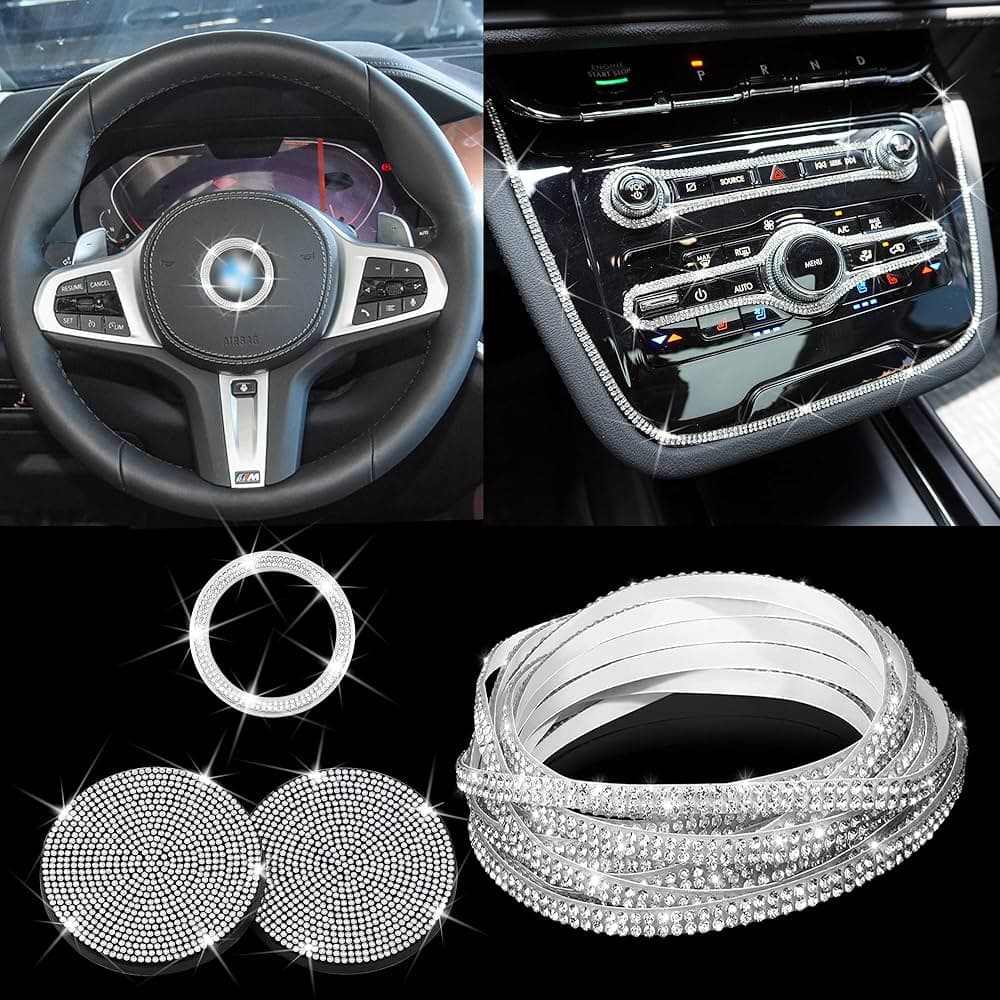
Tiny Car Accessories, Serious Crash Risks
Decorative steering wheel accessories may appear harmless, but safety warnings and medical reports show they can become dangerous projectiles during airbag deployment, causing severe injuries in crashes.

South Africa’s AutoGas Sector Moves Into Focus With First Dedicated Industry Workshop
South Africa's first dedicated AutoGas Workshop will bring together industry stakeholders, technical professionals and fleet operators to explore the opportunities and challenges of LPG as a cleaner transport fuel.

Rising Vehicle Technology is Changing the Repair Landscape in South Africa
South Africa’s vehicle repair sector is facing increasing complexity as advanced driver assistance systems and digital technologies become standard across the car parc, reshaping workshop requirements and repair processes.

EU Backs Tougher Circular Economy Rules for Cars
The European Parliament has approved new circular economy regulations that will require vehicle manufacturers to improve recyclability, increase recycled material use and strengthen end-of-life vehicle responsibility.

Young Hyundai Technician Plays Key Role in Building Commercial Vehicles
Hyundai Automotive South Africa assembly technician Kwanele Sibisi has contributed to the production of more than 2,000 commercial vehicles, demonstrating the skill and dedication required in modern vehicle manufacturing.
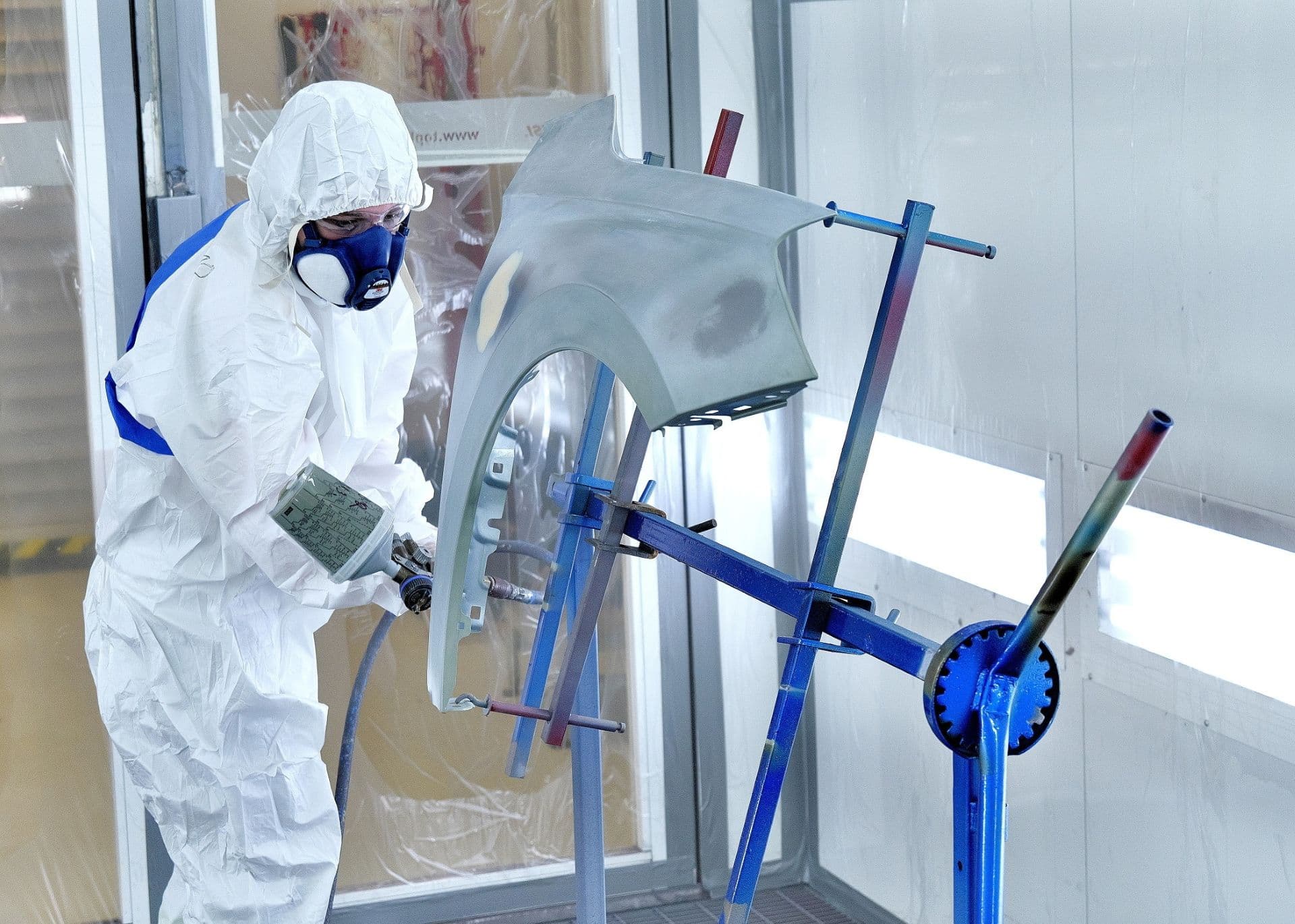
PPG Extends WorldSkills Europe Partnership to Back Car Painting Talent
PPG has renewed its partnership with WorldSkills Europe for a further two years, reinforcing its commitment to vocational training and supporting the next generation of automotive refinishing professionals.