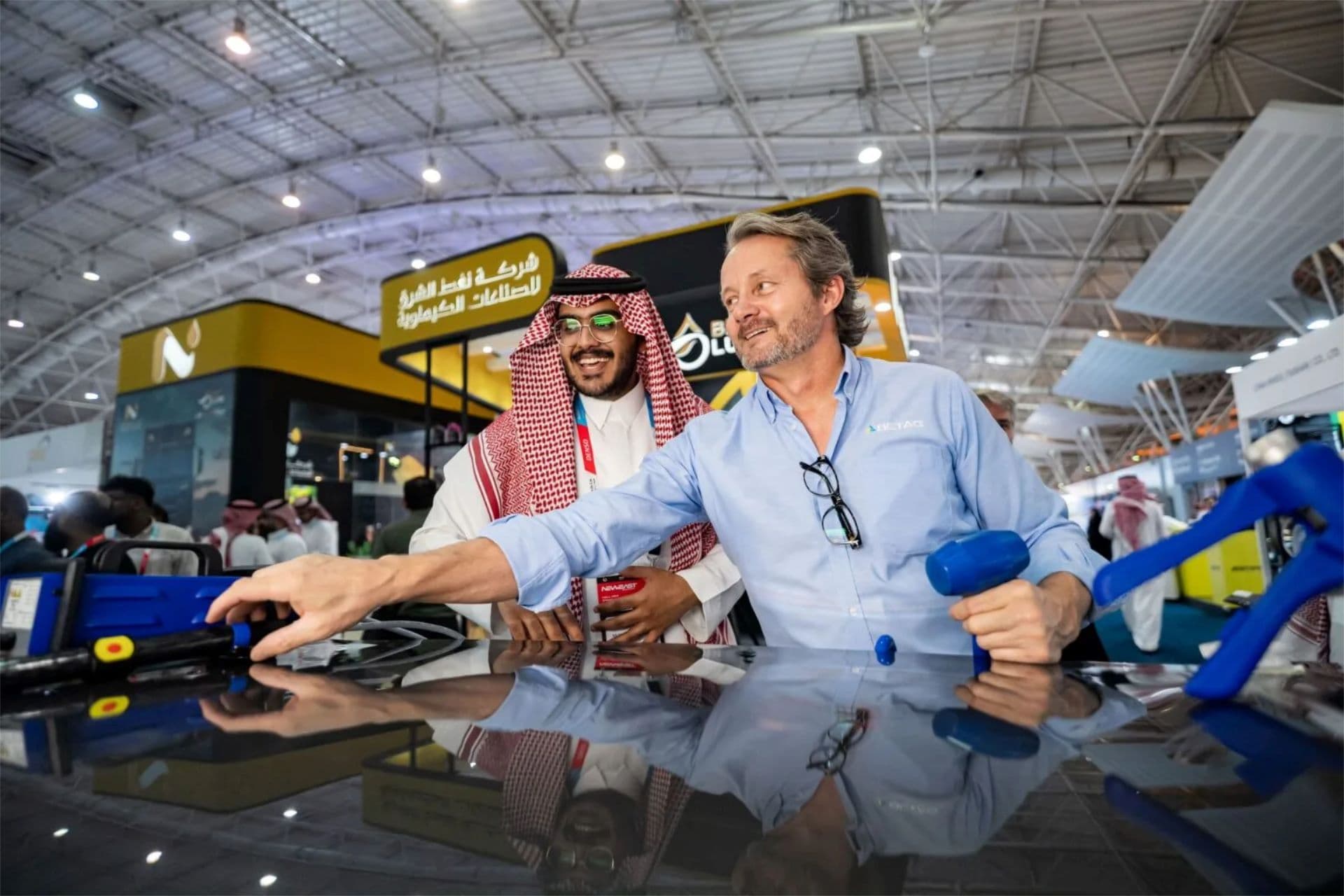
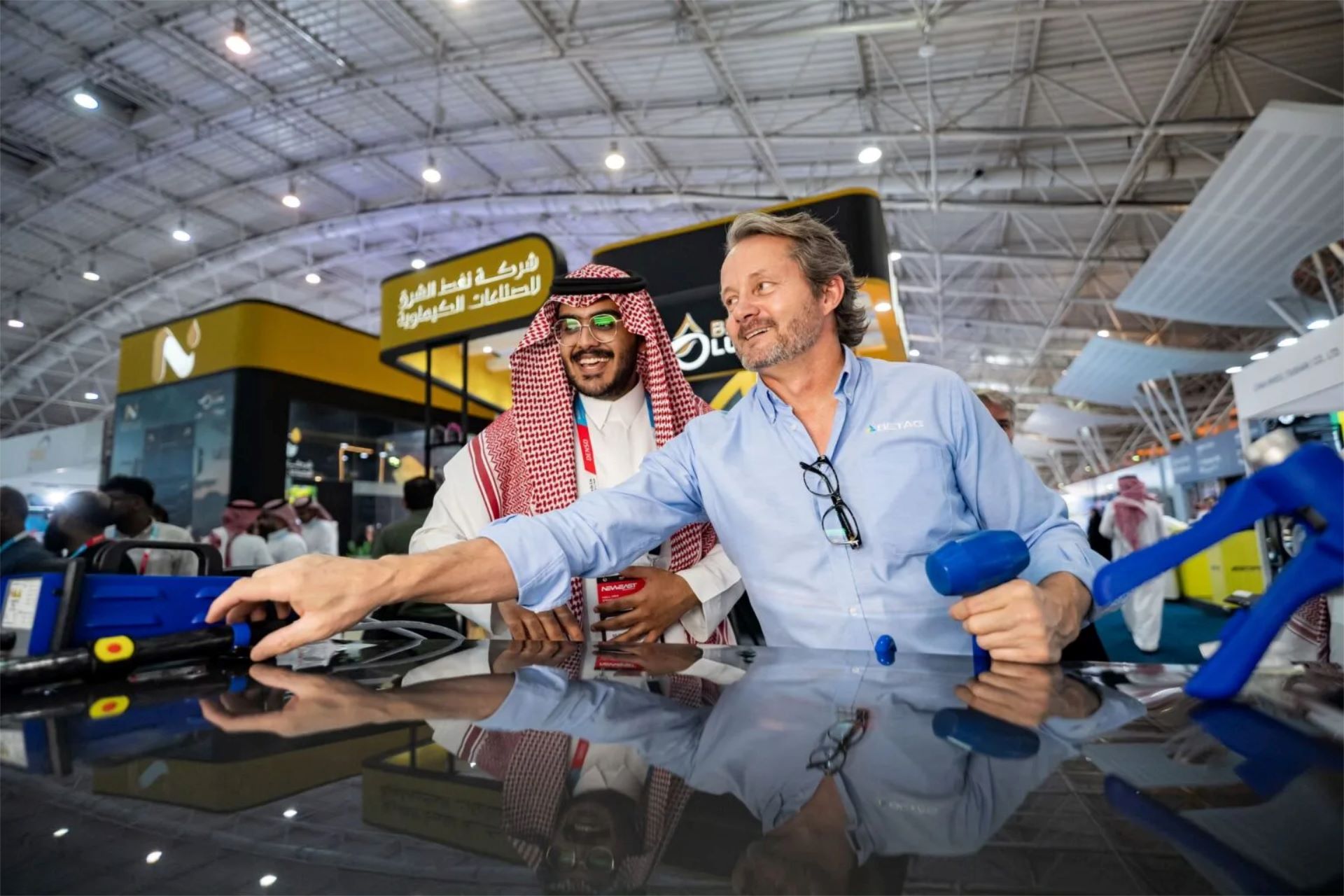
Automechanika Riyadh will return from 11 to 13 January 2027 at the Riyadh Front Exhibition and Conference Center, a move designed to give the Kingdom’s aftermarket its first major deal-making moment of the year.
Organisers say the larger venue will allow for more than 19,000 visitors and over 500 exhibitors, alongside expanded networking and show-floor features.
The timing matters because Saudi Arabia’s automotive ecosystem is growing quickly under Vision 2030, with investment flowing into mobility, infrastructure, and local capability. One indicator is the aftermarket itself: GMI Research estimates the Saudi automotive aftermarket at about US$6.4 billion in 2024 and forecasts growth to roughly US$9.6 billion by 2032, a compound annual growth rate of 5.2%.
Show Director Martyn Cox described the shift as an evolution for the event, strengthening its role in supporting a more integrated and globally competitive aftermarket in the Kingdom. For exhibitors, moving to January also aligns budgets, procurement cycles, and product launches with an early commercial window, rather than competing with mid-year calendars.
The programme is expected to lean into practical transition topics via the Automechanika Academy, including EV readiness, workshop digitalisation, localisation, and supply chain shifts. That reflects a wider reality for repairers and distributors: vehicles are becoming more software-led, parts catalogues more complex, and customer expectations more time-sensitive.
Globally, the aftermarket is being shaped by diverging fleets. Toyota remains the best-selling brand in 25 of 61 countries tracked by Visual Capitalist using Focus2Move sales data, underlining the ongoing scale of conventional vehicle parc even as electrification accelerates. At the same time, EV specialists are gaining ground in specific markets, and Chinese manufacturers continue to expand their footprint, adding new parts, training, and tooling requirements across the value chain.
For suppliers, distributors, and workshop leaders, Automechanika Riyadh 2027 is positioning itself as a practical marketplace rather than a ceremonial showcase. The bigger halls at Riyadh Front should translate into more product depth, more buyer access, and more space for live demonstrations. If Vision 2030 is the direction of travel, January in Riyadh looks set to become one of the region’s earliest checkpoints for where the aftermarket is heading next.
Staff Writer
Reporting from the front lines of the collision repair industry, delivering expert analysis and the technical updates that drive the African automotive sector forward.
More From Events

South Africa’s AutoGas Sector Moves Into Focus With First Dedicated Industry Workshop
South Africa's first dedicated AutoGas Workshop will bring together industry stakeholders, technical professionals and fleet operators to explore the opportunities and challenges of LPG as a cleaner transport fuel.
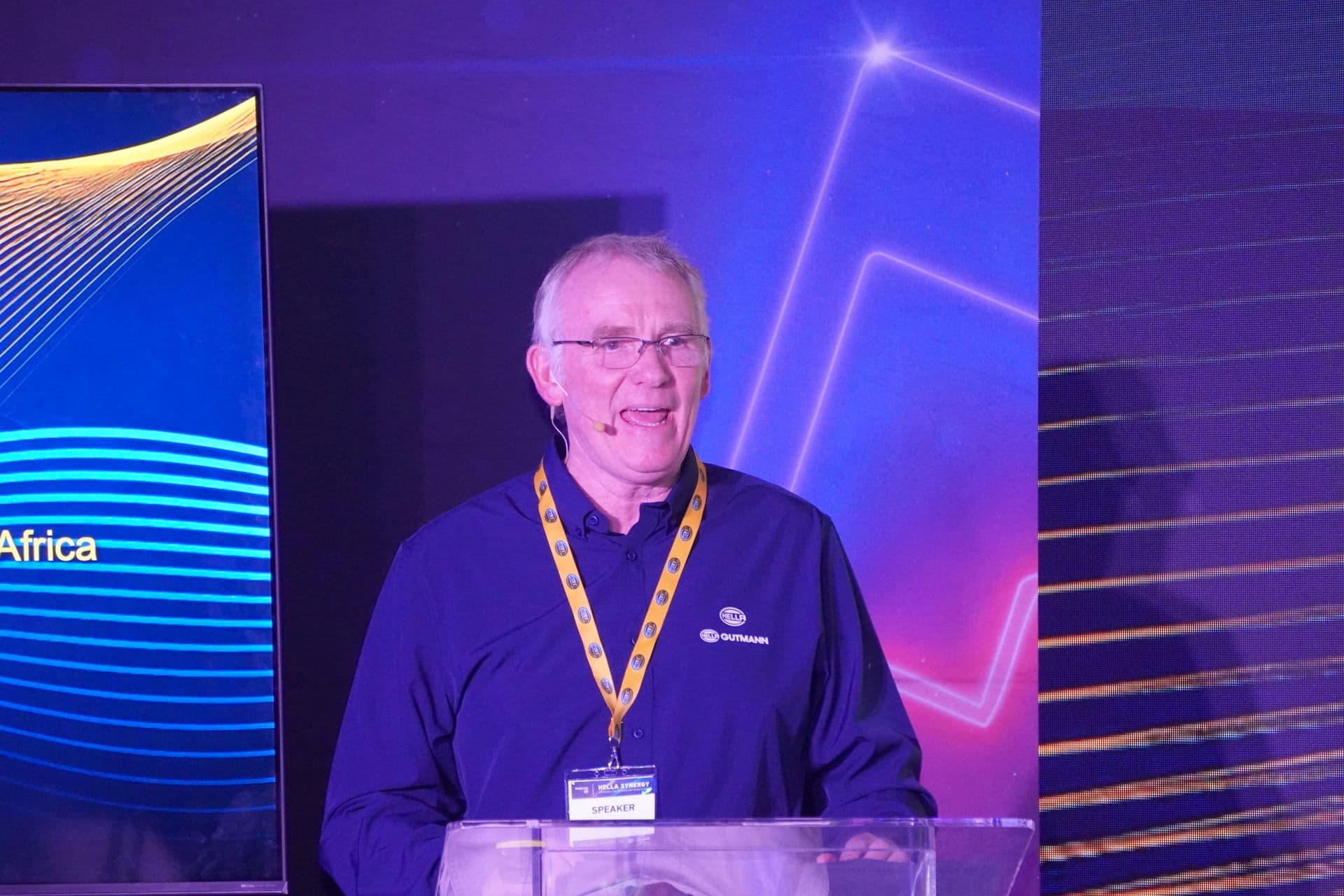
Hella Urges Aftermarket to Prepare Now for a Changing Vehicle Parc
Hella outlines how distributors and workshops can adapt to ageing vehicles, EV growth and evolving aftermarket demands in South Africa.
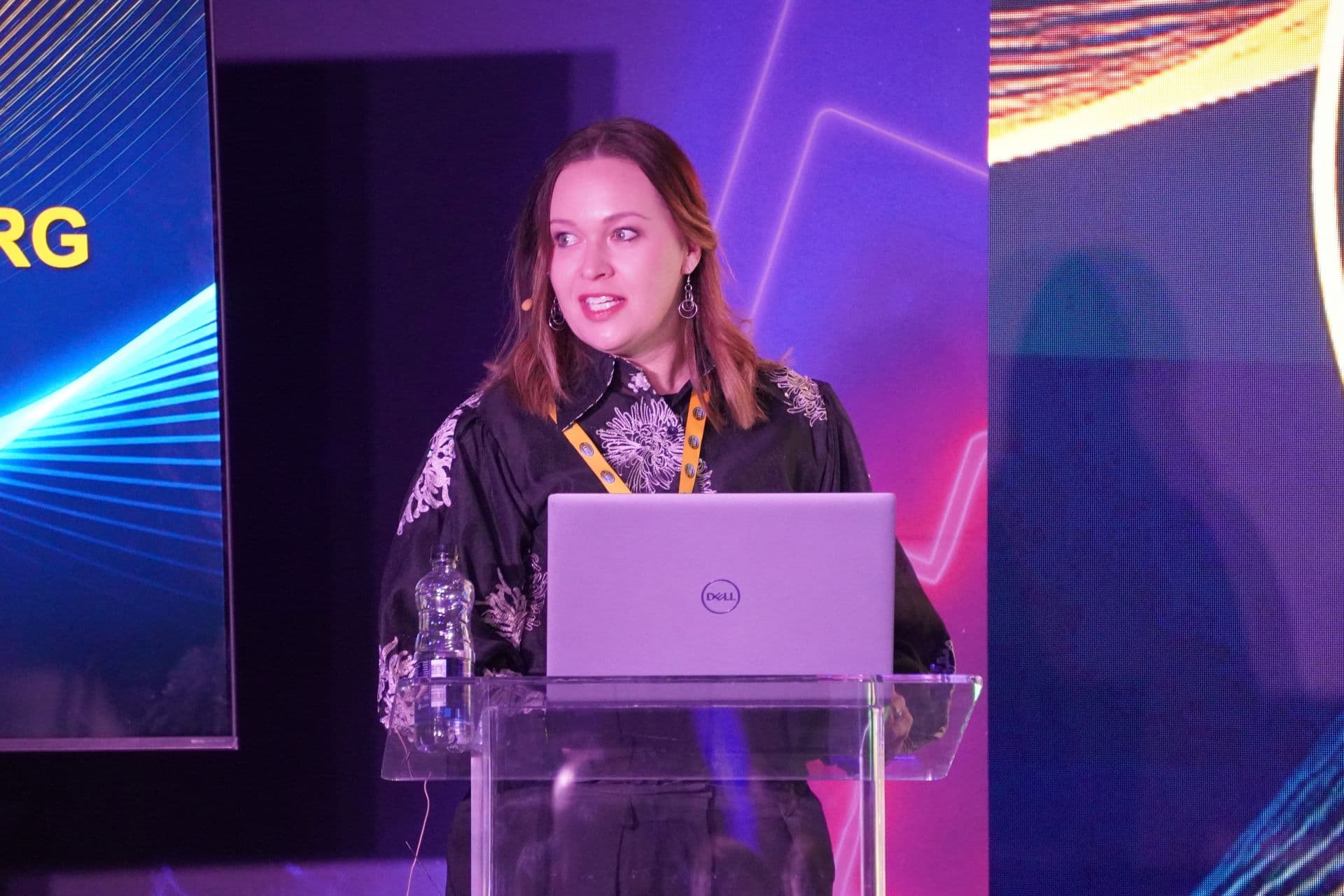
Data-centred Approach Should Be Taken to Evolving Car Parc, says Expert at Hella Synergy
South Africa’s ageing vehicle parc, rising Chinese brands and digital consumers are transforming aftermarket opportunities and challenges.
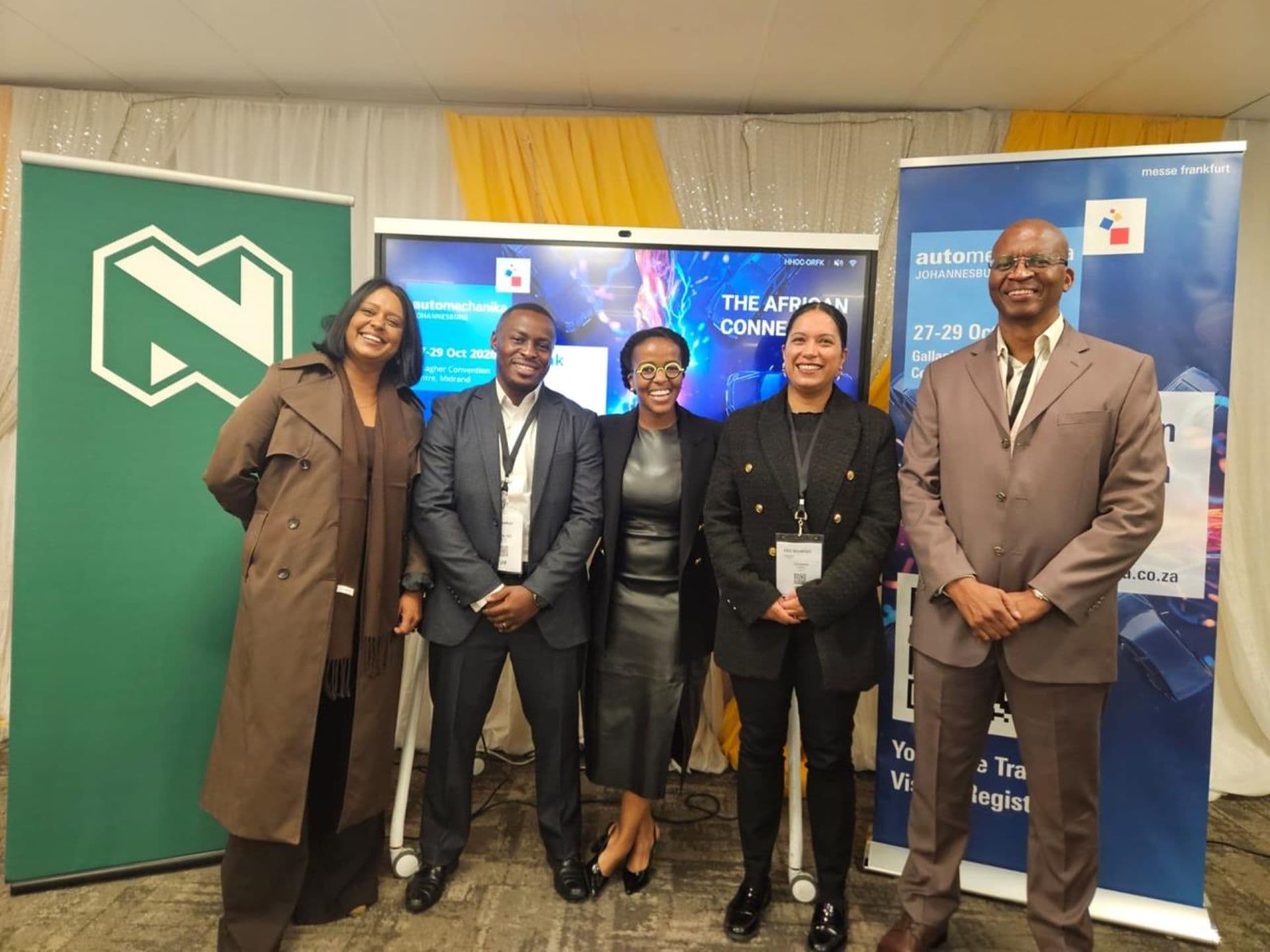
Gqeberha Hosts Automechanika Johannesburg CEO Breakfast in First for Automotive Heartland
Gqeberha hosted the first Automechanika Johannesburg CEO Breakfast, spotlighting South Africa’s automotive industry challenges and growth.
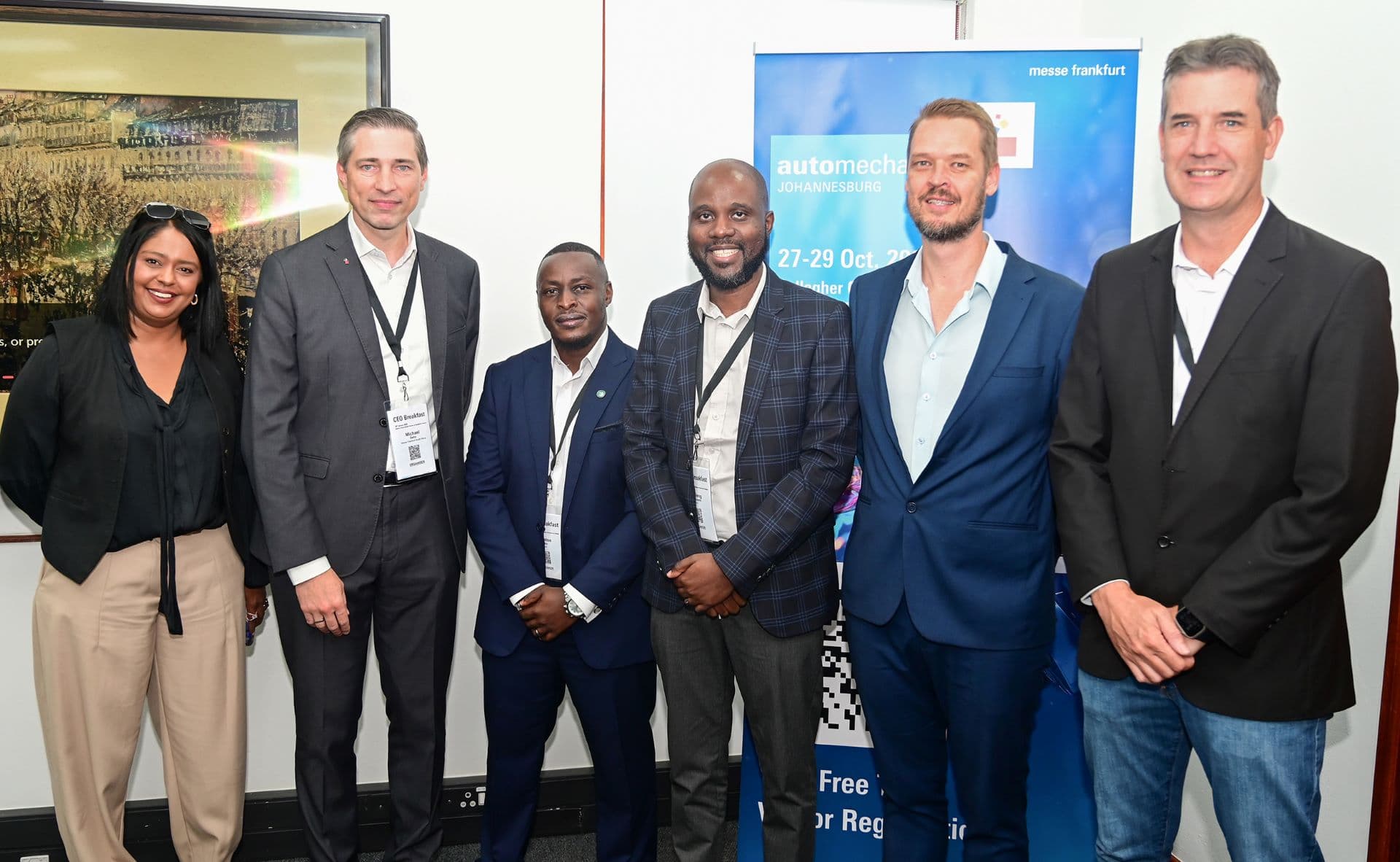
Industry Leaders Confront Skills Shortages and Technological Upheaval at Automechanika Johannesburg CEO Breakfast
Industry leaders call for collaboration to tackle skills shortages, tech shifts, and global pressures shaping South Africa’s automotive future.
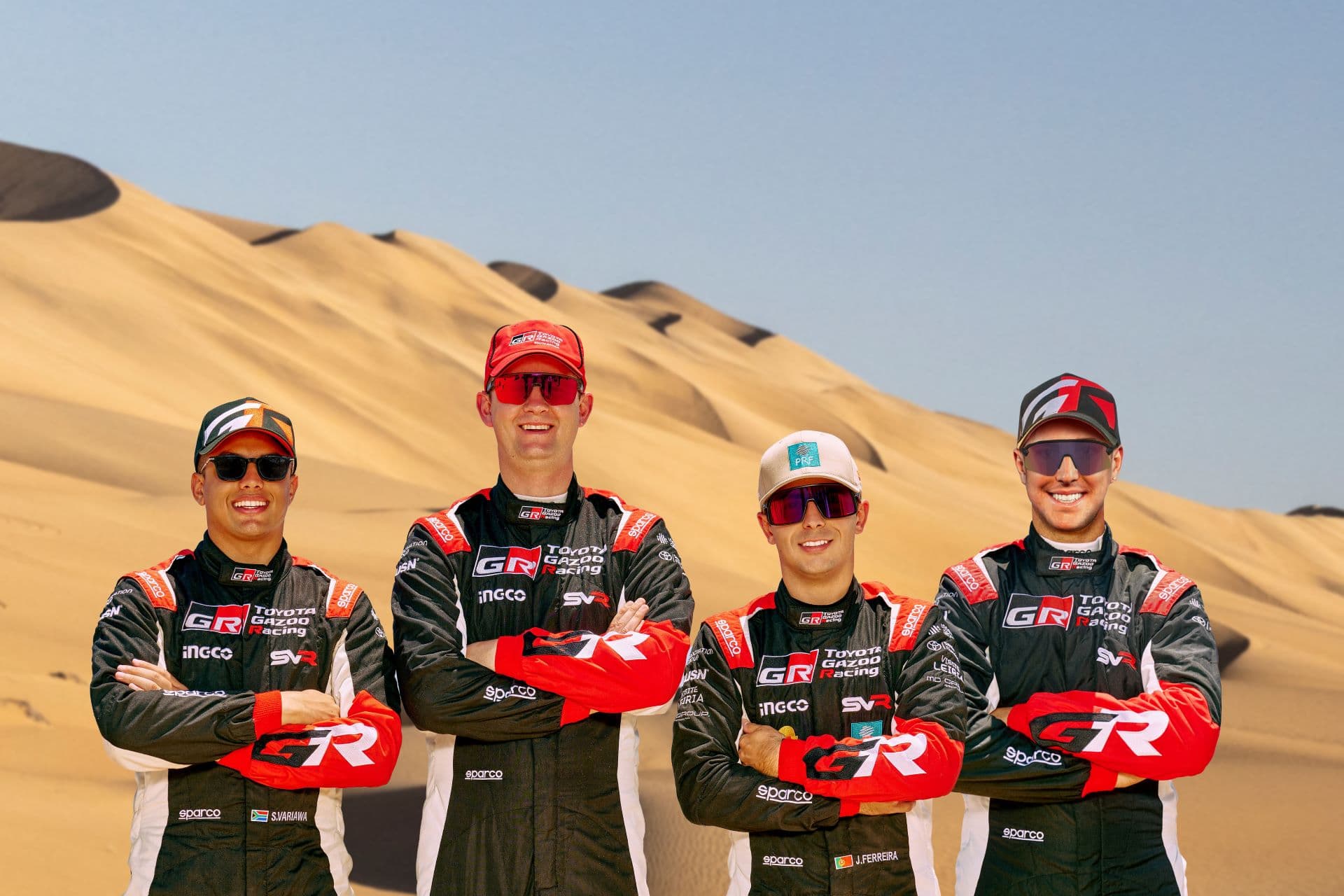
BodyShop News Africa Sends Best Wishes to Toyota Gazoo Racing South Africa Ahead of Dakar Rally 2026
BodyShop News Africa Sends Best Wishes to Toyota Gazoo Racing South Africa Ahead of Dakar Rally 2026