As electric mobility gathers pace across emerging markets, EKA Mobility is positioning itself as a company with ambitions well beyond its home base in India. The manufacturer has built a portfolio that spans battery electric buses, trucks, small commercial vehicles and three-wheelers, with a focus on practical deployment, localisation and long-term operating value.
Part of the wider Pinnacle Industries group, EKA is now looking to translate that model into Africa, where demand for cleaner, more cost-effective transport is rising and market needs vary sharply from one country to the next.
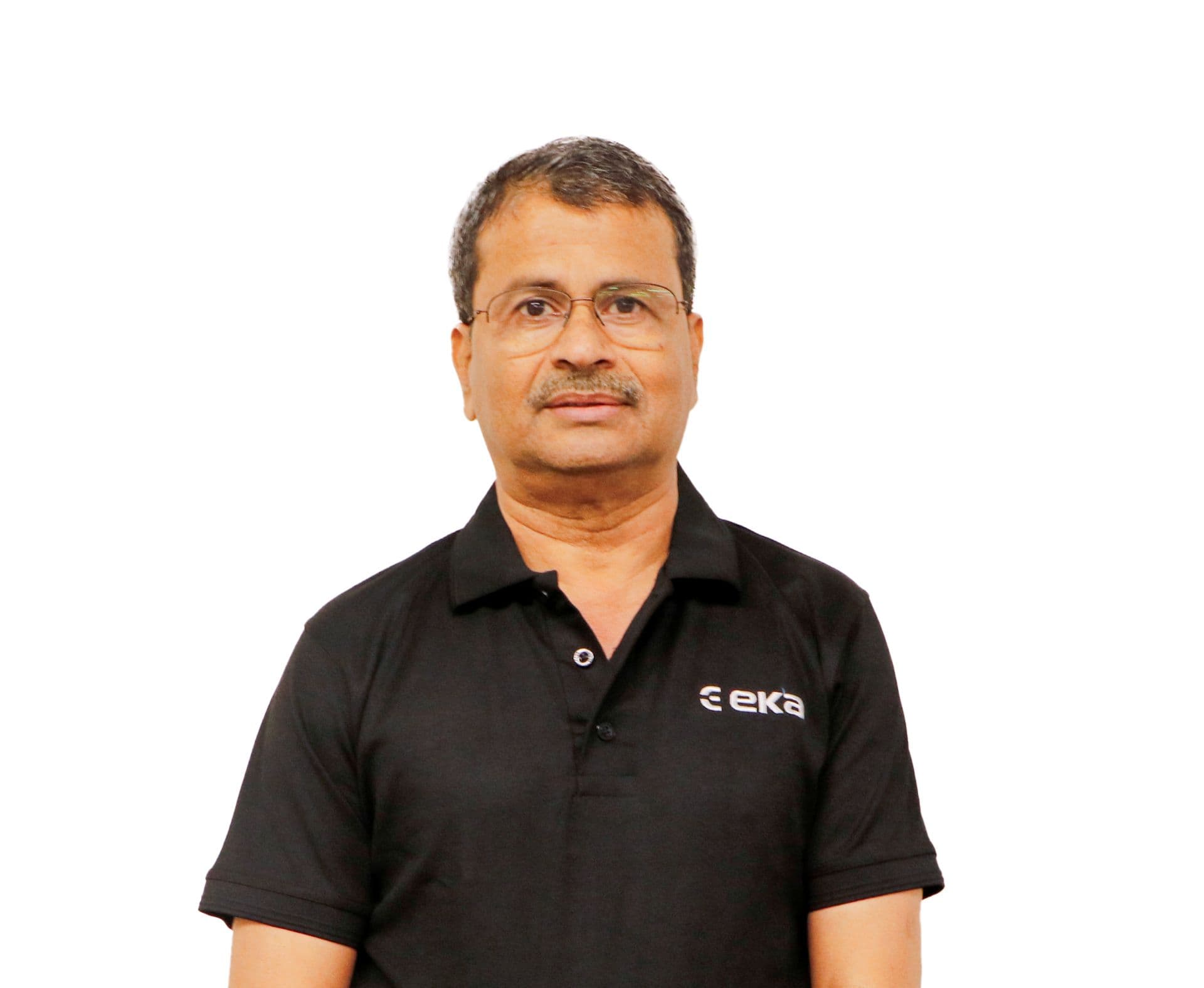
That breadth of offering is central to the company's export strategy. Vijay Kumar Yelne, President of Export Marketing and SCM at EKA Mobility, said transport needs differ sharply from one market to another. For EKA, the goal is not to arrive with a narrow product range, but to align electric mobility solutions with local demand, whether that means smaller last-mile vehicles, buses for public transport or trucks for heavier-duty applications.
Ethiopia has become the first clear foothold in that African strategy. Yelne said the country stood out because of strong government support for cleaner mobility and because of the relative availability of electricity. In his view, those conditions made Ethiopia a logical starting point for East Africa, especially at a time when the country was showing a strong commitment to reducing dependence on conventional diesel vehicles and creating a cleaner transport environment.
A key part of that plan is EKA's partnership with Kerchanshe Trading PLC in Ethiopia. Yelne described the group as an established and diversified business with interests ranging from coffee to automotive and industrial operations. For EKA, the attraction lies not only in Kerchanshe's scale, but in its local expertise, industrial ambition and ability to support assembly, distribution and after-sales operations. He suggested that strong local partnerships are essential in Africa because success depends on knowing the market, understanding customer requirements and creating service structures that can last.
That long-term view also shapes EKA's supply chain strategy. Yelne stressed that the company does not want simply to sell vehicles into African markets and move on. Instead, it wants to build local capability. That begins with fully assembled vehicles to establish a presence, but the model is designed to progress towards CKD assembly, training and technology transfer. According to Yelne, localisation can help governments meet industrial policy goals, generate employment and develop technical skills, while also making it easier for operators to maintain vehicles efficiently in their own markets.
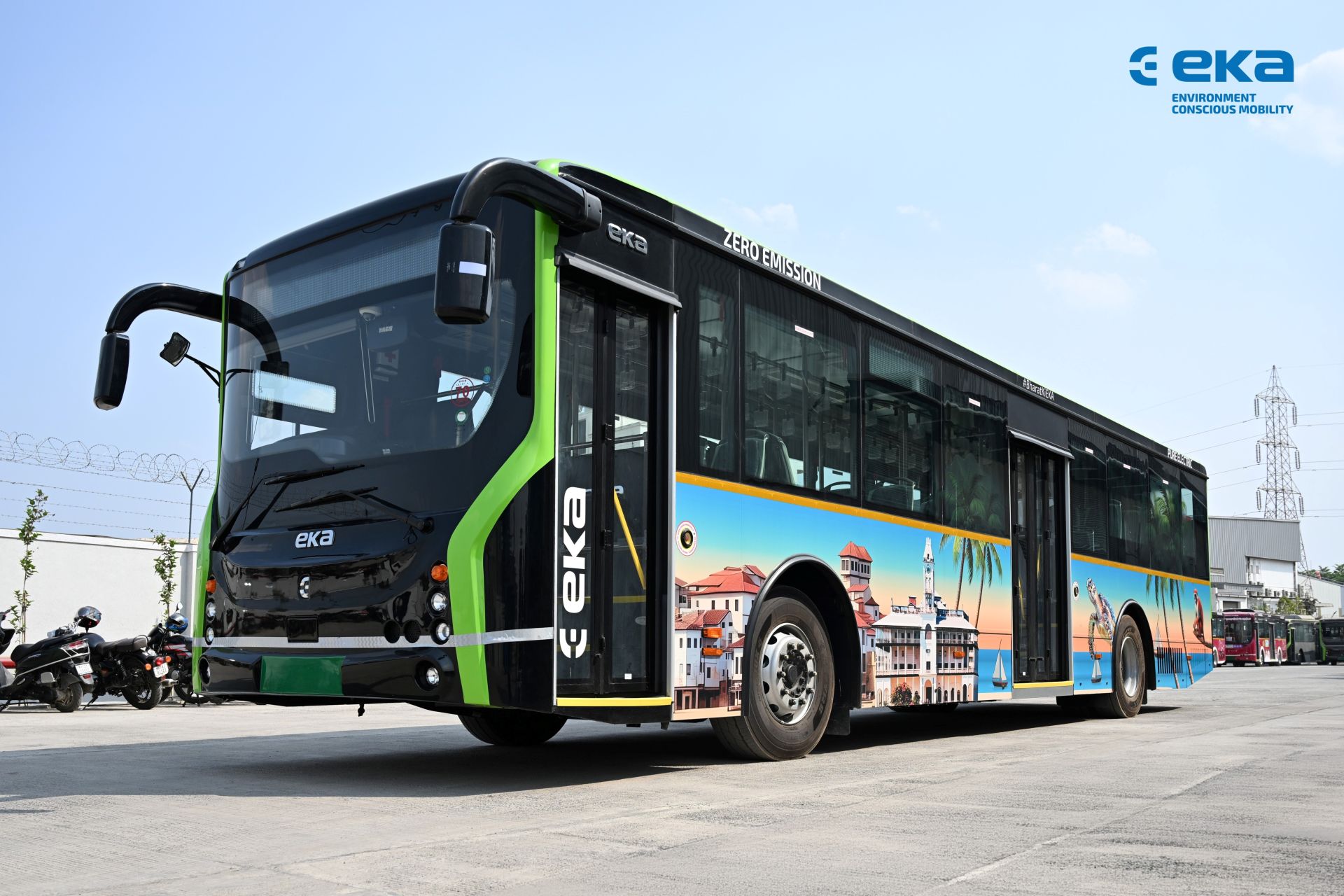
India's own EV journey has informed that thinking. Yelne argued that the Indian market has given EKA a practical test bed for dealing with congestion, pollution, cost pressures and the need for reliable support networks. He also said the company's high level of localisation in India, including software development, gives it more control over product performance and cost. In his telling, that experience can be translated into African markets where similar pressures around fuel prices, urban air quality and public transport efficiency are becoming more urgent.
For fleet buyers, the commercial argument remains decisive. Yelne said many operators still see electric vehicles as more expensive than diesel alternatives, but he believes that changes when total cost of ownership is properly explained. Lower maintenance costs, fewer moving parts, reduced exposure to volatile fuel prices and growing access to electricity, including solar power, all strengthen the case. He maintained that when these factors are assessed over a vehicle life of 10 to 12 years, the economics become much more persuasive, with returns potentially visible from an early stage.
Asked which vehicle categories are likely to gain traction first, Yelne's answer was notably broad. He argued that the opportunity is not confined to one segment or one region. From three-wheelers and public transport vehicles in East Africa to truck applications linked to ports, minerals and freight, he sees viable use cases across the continent. That, he said, is precisely why EKA believes its wide portfolio is an advantage. The company wants to respond to area-specific requirements rather than force a single product into every market.
Over the next three to five years, Yelne said success in Africa will be measured less by headline sales figures than by the strength of partnerships, the spread of sustainable transport and the development of local capability.
EKA has already mapped the continent into East, West, North and South regions and is building partner networks accordingly. The ambition is to be seen not just as a vehicle supplier, but as a provider of technology support, skills development and localisation. If that model works, EKA believes it can help shape a cleaner, more practical and more affordable transport future across multiple African markets.
"The transition to electric mobility is a marathon, not a sprint, and at EKA Mobility, we are building with a long-term perspective focused on creating a sustainable and resilient mobility ecosystem. Our portfolio of electric and hydrogen-powered commercial vehicles is designed to deliver strong total cost of ownership while meeting the evolving needs of global markets."
"As we expand into African markets, we see a strong alignment between our vision and the region's growing focus on sustainable and cost-efficient transportation solutions. Our approach goes beyond vehicle deployment; we are working towards enabling a holistic ecosystem through platforms like EKA Connect, our AI-driven fleet management solution, which enhances operational efficiency and reliability for zero-emission mobility."
"Our entry into Africa reflects our commitment to taking India's engineering and manufacturing excellence to global markets, in line with the 'Make in India, for the World' vision. Backed by deep investments in R&D, strong global partnerships, and a disciplined focus on sustainable growth, we are focused on building a resilient and future-ready mobility ecosystem. We believe the future of mobility will be shaped by those who combine innovation with adaptability, and EKA is committed to playing a meaningful role in that transition," said Dr. Sudhir Mehta, Founder and Chairman of EKA Mobility.
Staff Writer
Reporting from the front lines of the collision repair industry, delivering expert analysis and the technical updates that drive the African automotive sector forward.
More From Motoring
Entry-Level Cars Under Fire in Latest Crash Tests
South Africa’s entry-level cars face scrutiny after GNCAP crash tests reveal poor safety ratings for the Haval Jolion and Kia Sonet, prompting concern.

Hyundai Funds Driver’s Licences for YES Programme Youth
Hyundai South Africa funds driver’s licences for 50 YES programme participants, helping remove mobility barriers and improve employability.

Neglected Brakes Could Jeopardise Safety and Insurance Payouts
South African motorists are warned that poor brake maintenance can increase crash risk and lead to legal or insurance claim complications.

Crash Damage You Cannot Always See
Minor collision damage can hide serious structural issues affecting safety, handling and driver assistance systems. Learn why proper repair matters.
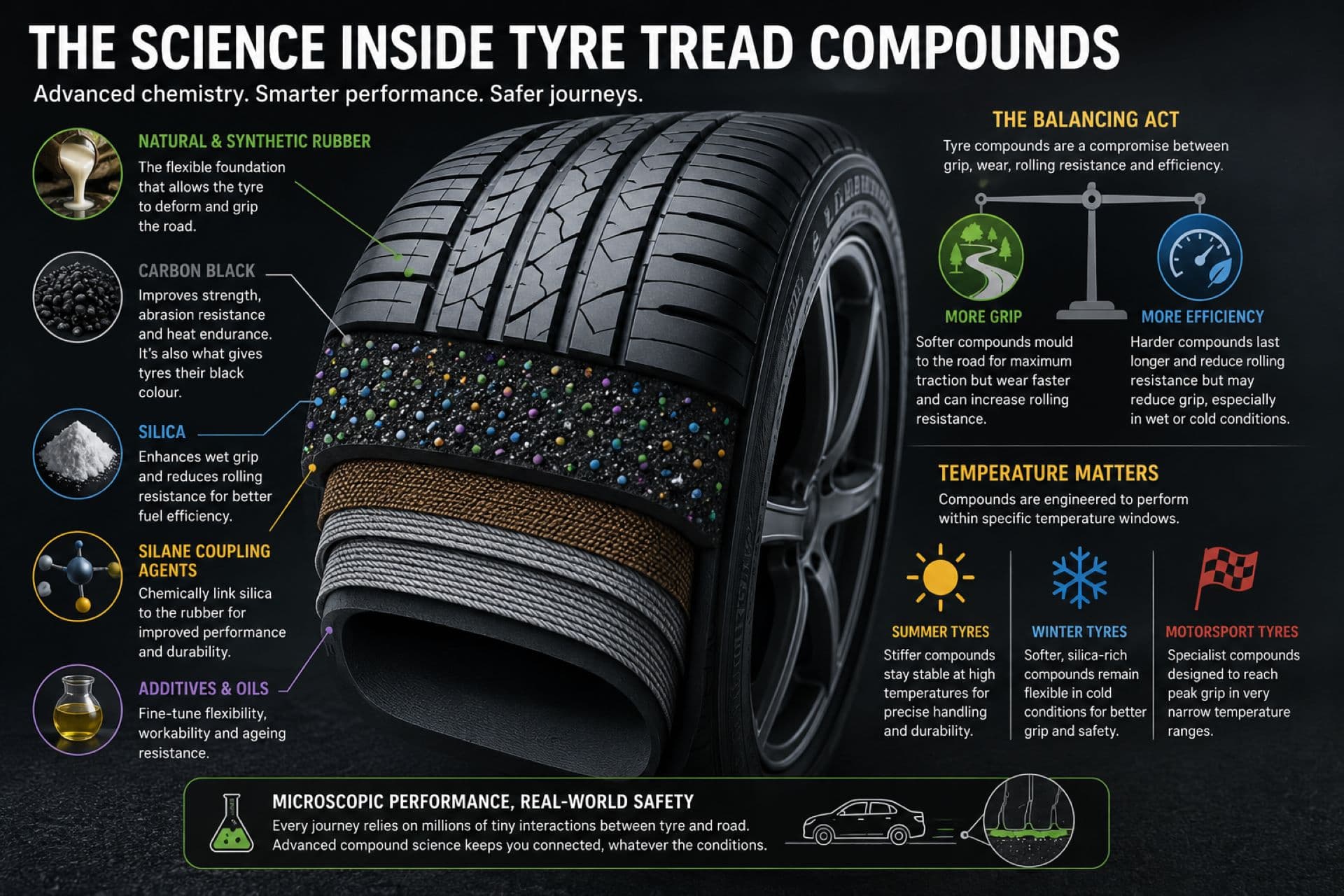
The Science Inside Modern Tyre Tread Compounds
Discover how modern tyre tread compounds balance grip, durability, efficiency and safety through advanced rubber chemistry.
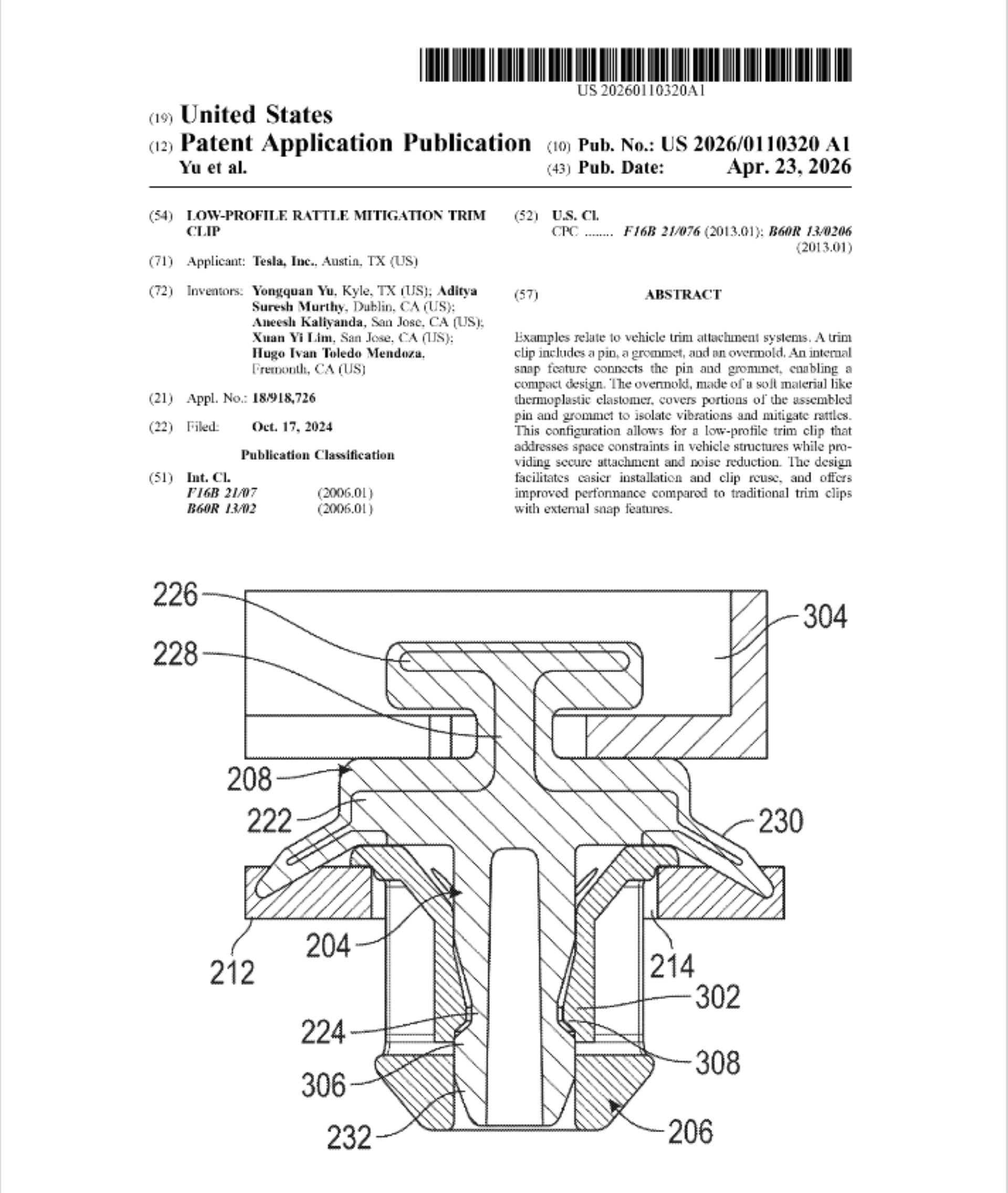
Tesla’s Latest Patent Targets a Tiny Part with a Big Impact
Tesla’s latest patent targets trim clips, using a dual-material design to cut cabin rattles, improve NVH and enhance long-term refinement.