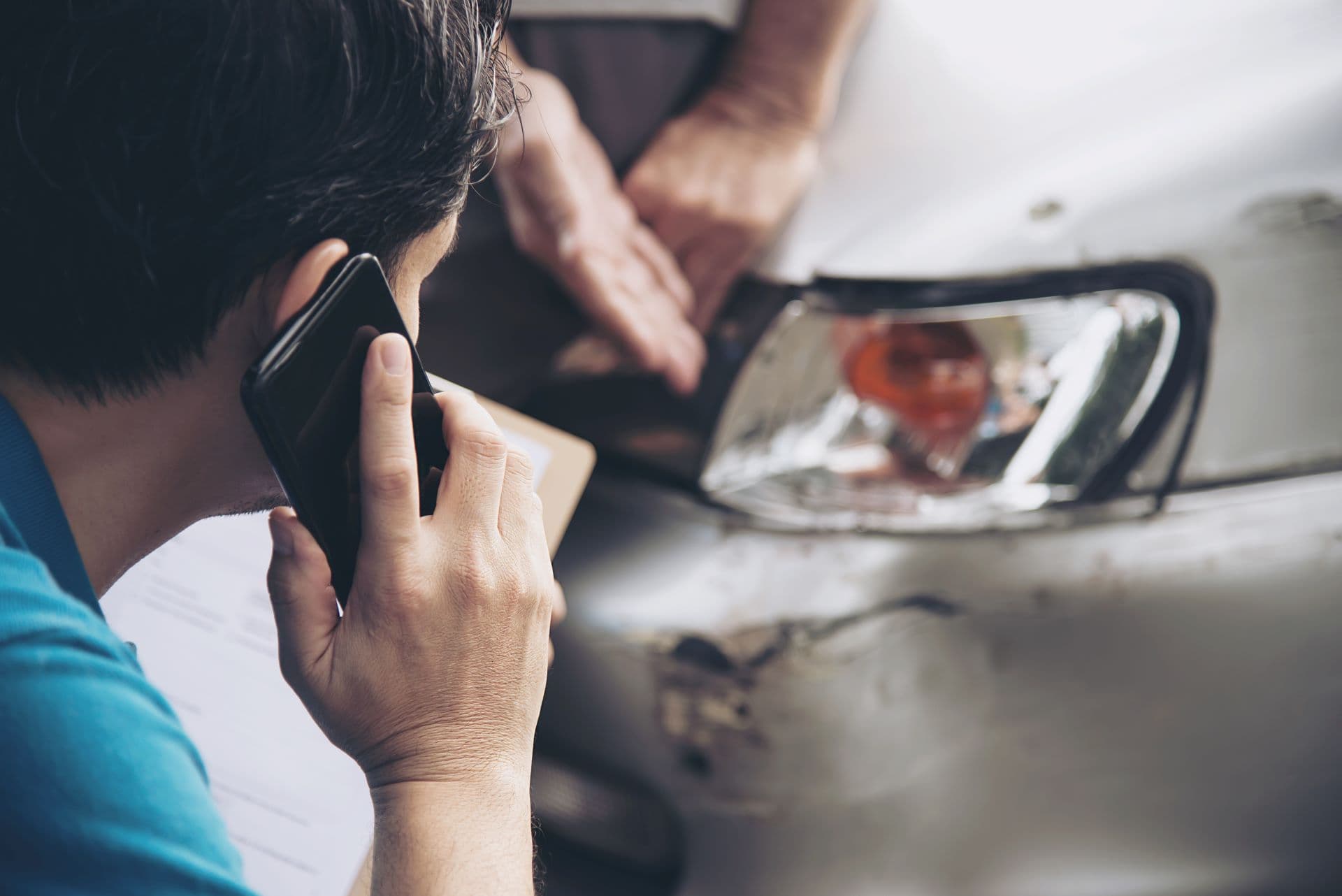
A vehicle that still seems drivable after a collision can give motorists false confidence. Scraped paint, a cracked bumper or a dented panel may appear to be the only obvious damage, yet the real risk can sit deeper in the structure.
According to Juan Hanekom of SAMBRA, modern vehicles are designed to manage crash forces through carefully engineered structural zones, which means even a modest impact can have consequences beyond the bodywork.
“Modern vehicles are engineered with highly sophisticated structural systems designed to absorb and disperse impact energy during a collision,” says Hanekom. “Even what appears to be a relatively minor impact can compromise the structural integrity of the vehicle’s frame or chassis, which can significantly affect safety, handling and long-term performance.”
That warning matters because today’s vehicles rely on precise structural alignment to protect occupants and support critical systems. A bent or weakened frame can affect suspension geometry, steering behaviour and tyre wear. It may also interfere with advanced driver assistance systems, which often depend on exact positioning and recalibration after repairs. Hanekom has also noted that collision repair now extends far beyond traditional panel beating, involving diagnostics, software and precise calibration to ensure safety systems work properly after an impact.
“When a vehicle’s frame is bent, twisted or weakened in an accident, it can create a domino effect throughout the vehicle,” Hanekom explains. “Drivers may notice uneven tyre wear, vibrations, pulling to one side, steering instability or unusual noises. In severe cases, the vehicle may no longer provide the level of occupant protection it was originally designed to deliver.”
The difficulty is that this sort of damage is not always obvious. A car can look presentable while still being structurally compromised. That is why post-collision checks should not be limited to what is visible on the outside. “Proper frame diagnosis and repair is highly specialised work,” says Hanekom. “Today’s reputable repair facilities use advanced measuring and diagnostic systems that combine laser technology and computerised scanning to determine whether the frame can safely be repaired or whether replacement is necessary.”
For motorists, the safest course is to insist on an accredited repairer that follows manufacturer-approved methods. Hanekom has warned elsewhere that cutting corners on repair procedures can compromise vehicle integrity and expose people to serious risk if the car is involved in another collision. In short, cosmetic repairs alone are not enough. If the structure has been affected, the job is only complete when the vehicle has been restored to the standard its maker intended.
Staff Writer
Reporting from the front lines of the collision repair industry, delivering expert analysis and the technical updates that drive the African automotive sector forward.
More From News

From Nissan Legacy to Chery Vision: Rosslyn’s Transformation
The Rosslyn automotive plant in Pretoria, once a bastion of Japanese manufacturing strength, has entered a new phase under the stewardship of Chery Automobile.
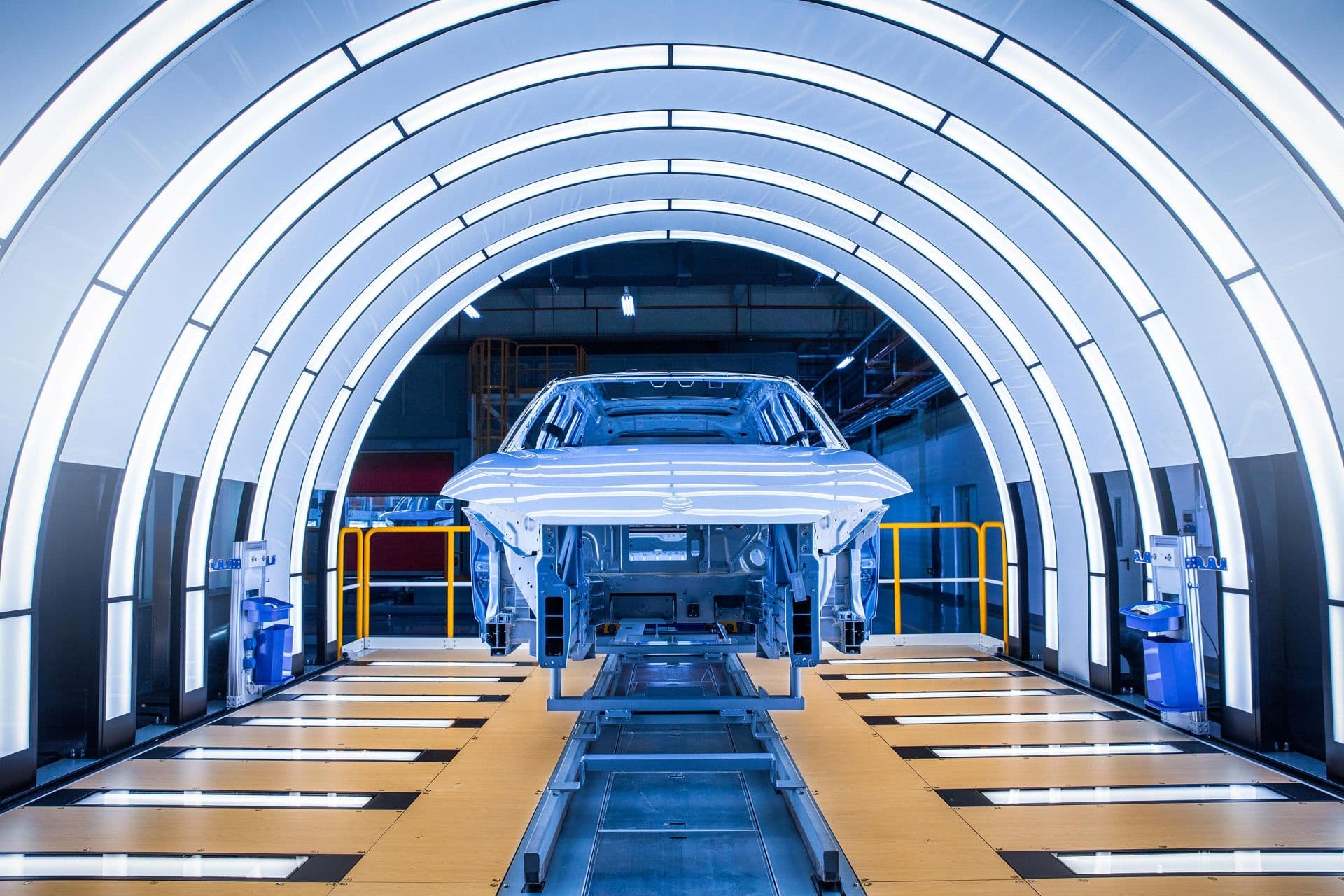
BASF Coatings Becomes Surventis and Begins New Chapter as Independent Business
Surventis has officially launched as an independent company, marking the completion of its carve-out from BASF and positioning the former BASF Coatings business as a major global player in automotive coatings and surface treatment.
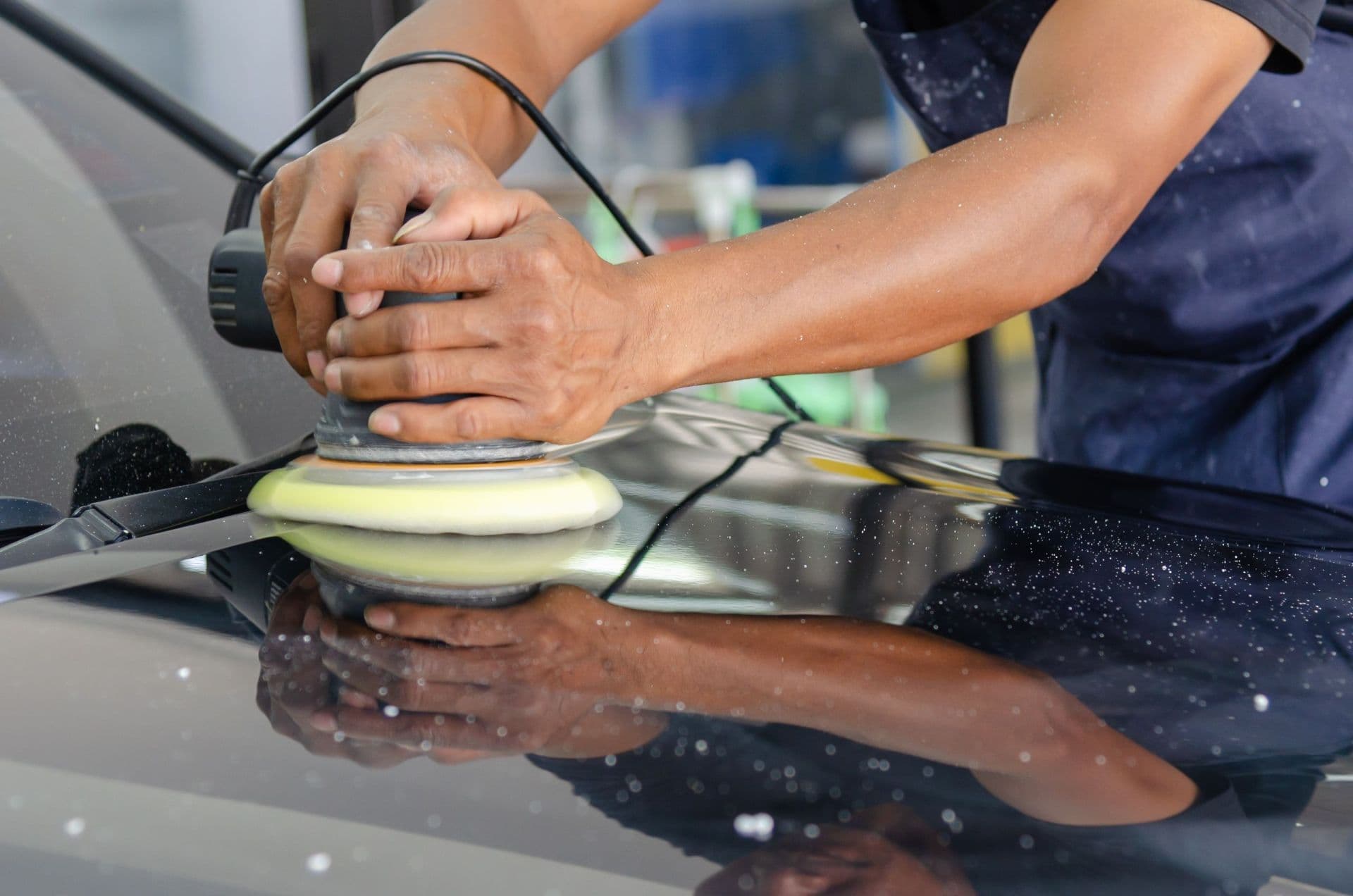
New Automotive Hub Set to Drive Opportunity in Alexandra
The City of Johannesburg is preparing to bring the Alexandra Automotive Hub into operation, creating a platform for township enterprise development, technical skills training and wider participation in the automotive value chain.
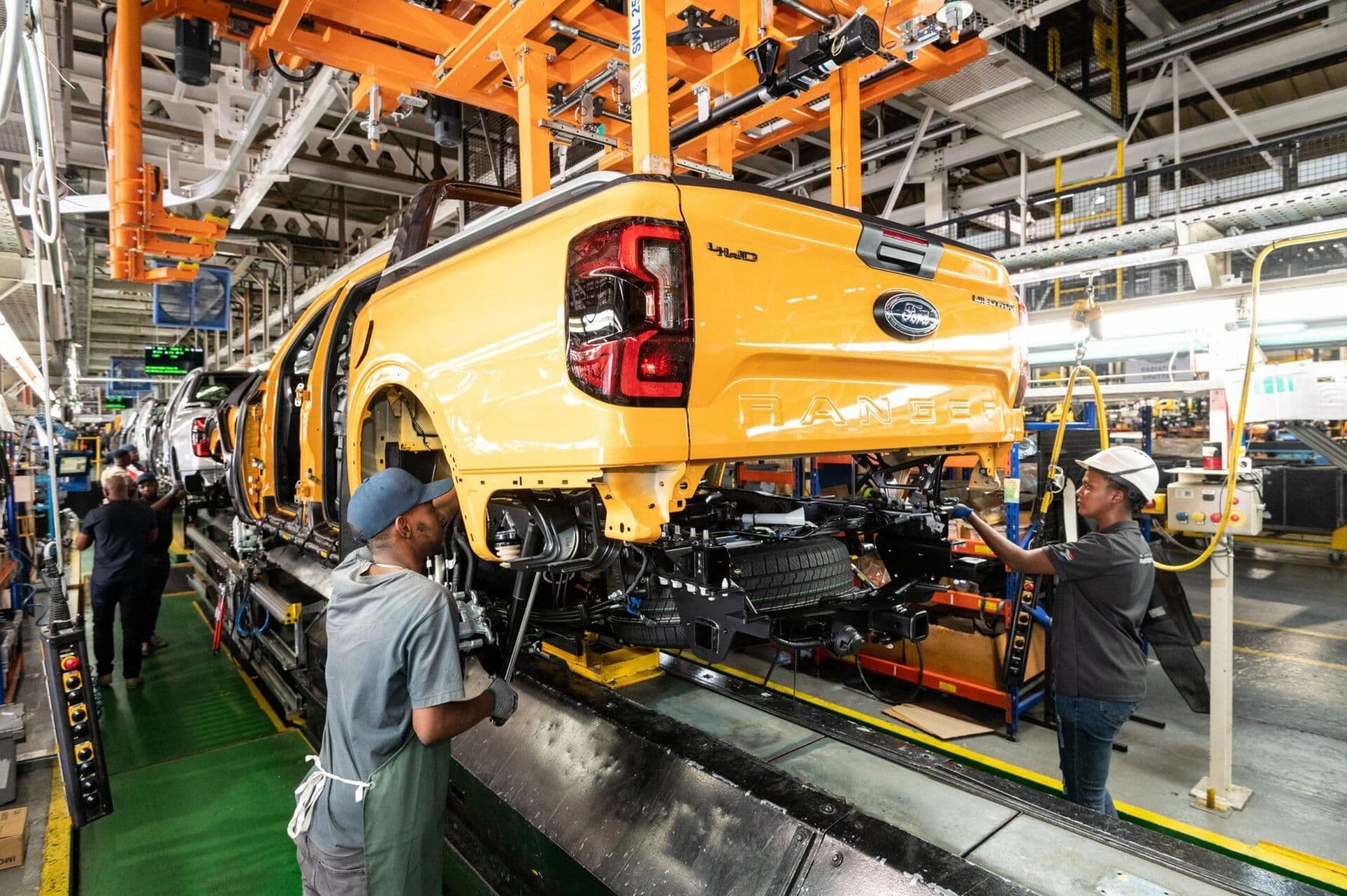
Ford’s Quality Comeback Shows AI Needs Human Memory
Ford’s quality improvement highlights why artificial intelligence works best when it is guided by the practical knowledge of experienced engineers and specialists.
Plasnomics to Launch Global Benchmark Plastic Repair Centre in US, No Plans for South Africa
Plasnomics will open its first Plastic Repair Excellence Centre in Dallas, Texas, as the company develops a global repair-first model for automotive plastics, although there are currently no plans for a similar facility in South Africa.

SAMBRA Urges Insurers to Broaden Fuel Relief as Repairers Face Mounting Cost Pressure
SAMBRA is calling on insurers to introduce more consistent fuel relief measures, warning that rising operating costs continue to place significant pressure on South Africa's motor body repair industry.