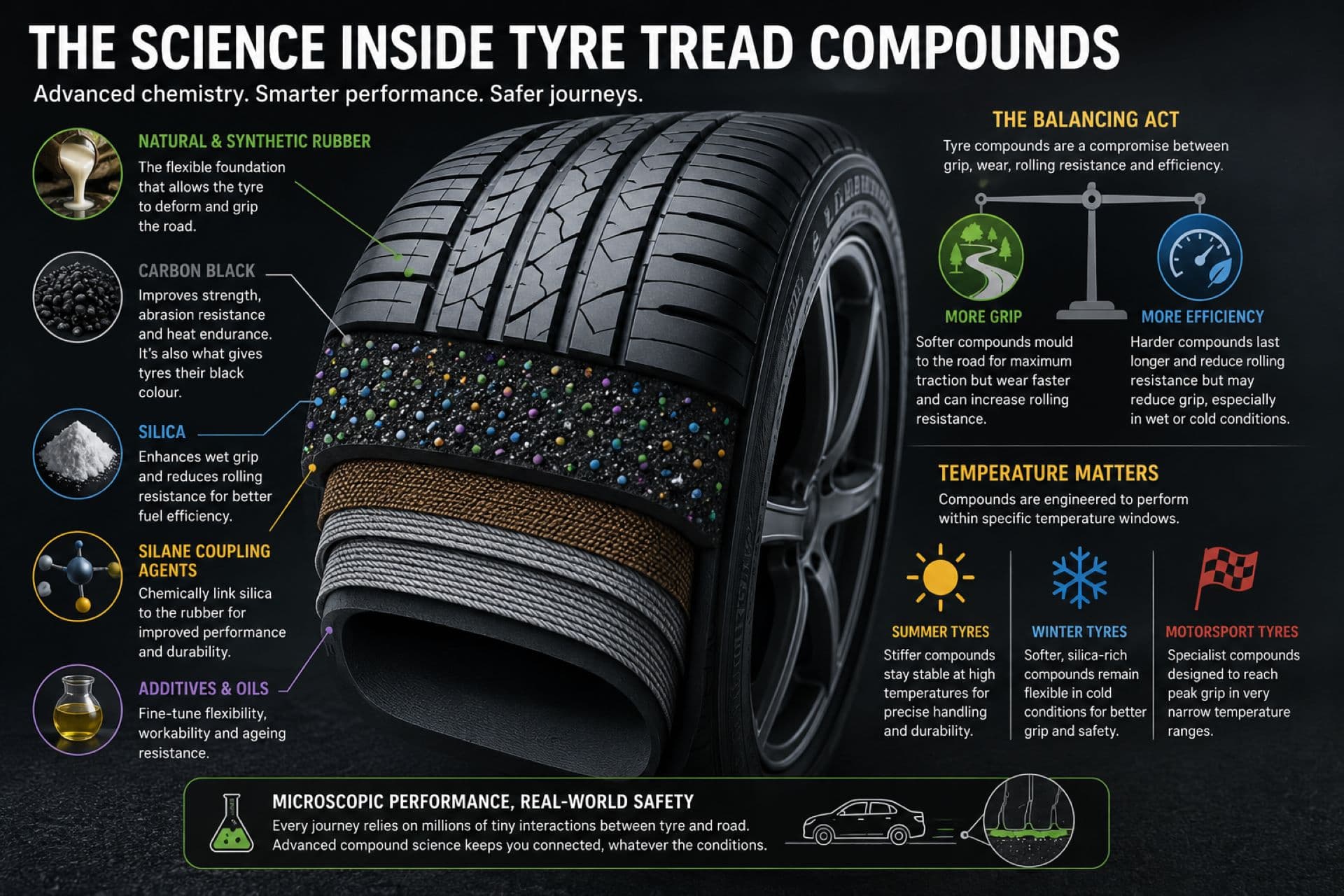
A modern tyre is far more than a ring of rubber. Beneath the tread pattern lies a highly engineered chemical compound designed to balance grip, durability, fuel efficiency and safety. Tyre tread compounds are among the most sophisticated materials used in automotive engineering, with manufacturers constantly refining their formulas to improve performance in changing road and weather conditions.
At the heart of every tread compound is rubber, usually a blend of natural and synthetic polymers such as styrene butadiene rubber and butadiene rubber. These materials provide flexibility and resilience, allowing the tyre to deform slightly and maintain contact with the road surface. However, rubber alone would wear out quickly and offer limited grip. To strengthen it, manufacturers add reinforcing fillers such as carbon black and silica.
Carbon black has been used in tyres for more than a century. It improves abrasion resistance, increases strength and helps tyres withstand heat generated during driving. It is also the reason most tyres are black. Carbon black particles reinforce the rubber matrix at a microscopic level, making the tread more durable under repeated stress.
Silica has become increasingly important in modern tyre compounds, especially in premium and low rolling resistance tyres. Unlike carbon black, silica improves wet weather grip while also reducing rolling resistance, which can improve fuel economy or electric vehicle range. Engineers often combine silica with chemical bonding agents called silanes, helping the silica integrate effectively into the rubber structure.
The key challenge in tyre chemistry is balancing competing characteristics. Softer compounds generally offer more grip because they conform more effectively to microscopic irregularities in the road surface. However, softer rubber wears faster and can increase rolling resistance. Harder compounds last longer and improve efficiency but may sacrifice traction, particularly in wet or cold conditions.
Temperature also plays a major role. Tyre compounds are designed to operate within specific thermal windows. Summer tyres use compounds that remain stable at high temperatures, while winter tyres contain softer materials and higher silica content to stay flexible in cold weather. Motorsport compounds push this science even further, with Formula One tyres engineered to reach peak grip within extremely narrow temperature ranges.
Ultimately, tyre tread compounds represent a careful compromise between chemistry, physics and real world driving demands. Every journey depends on these invisible scientific advances, ensuring that a few square inches of rubber can safely connect a vehicle to the road.
Staff Writer
Reporting from the front lines of the collision repair industry, delivering expert analysis and the technical updates that drive the African automotive sector forward.
More From News

Neglected Brakes Could Jeopardise Safety and Insurance Payouts
South African motorists are warned that poor brake maintenance can increase crash risk and lead to legal or insurance claim complications.

Crash Damage You Cannot Always See
Minor collision damage can hide serious structural issues affecting safety, handling and driver assistance systems. Learn why proper repair matters.
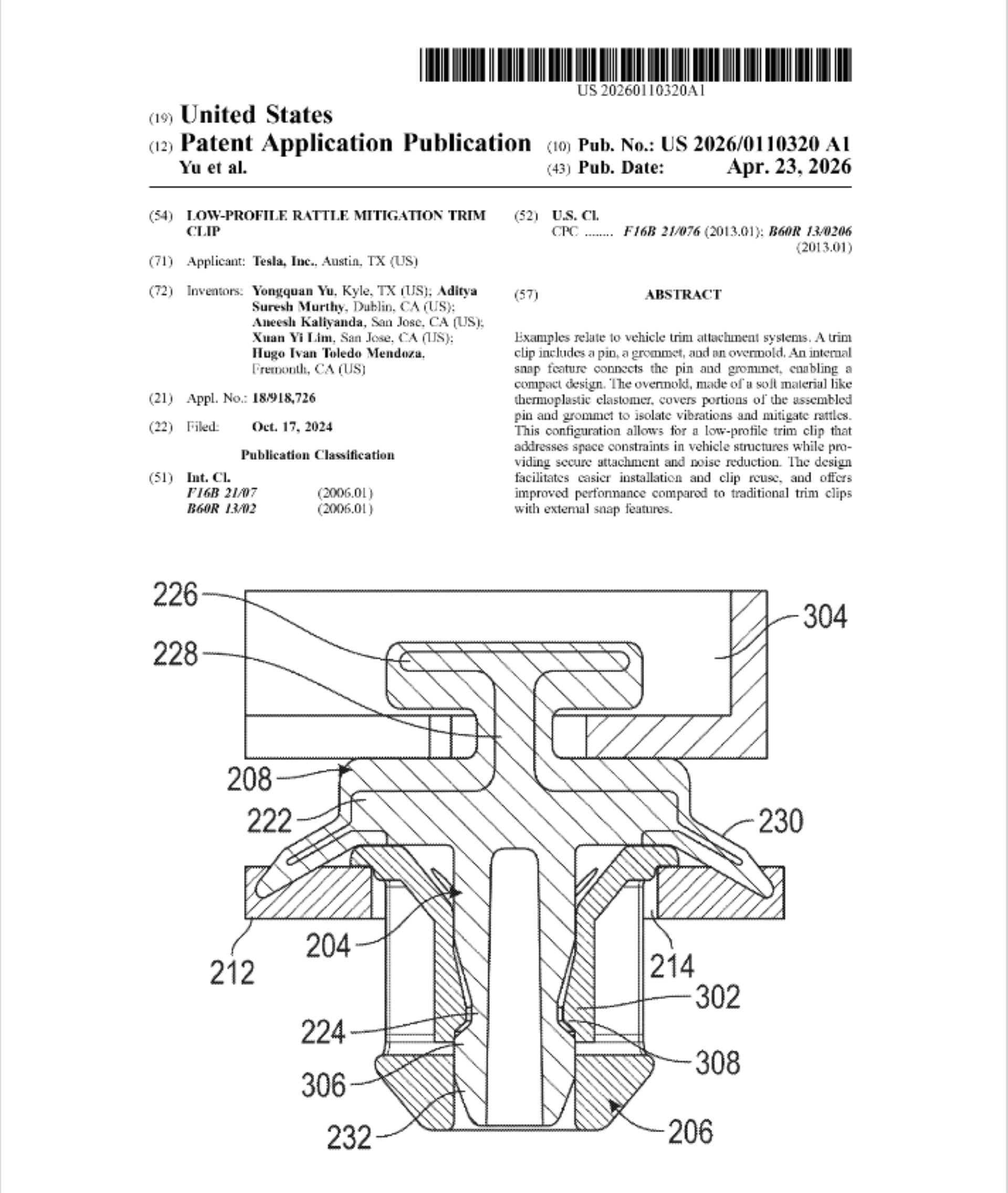
Tesla’s Latest Patent Targets a Tiny Part with a Big Impact
Tesla’s latest patent targets trim clips, using a dual-material design to cut cabin rattles, improve NVH and enhance long-term refinement.

Mirka and 4Plastics Announce Partnership to Advance Plastic Repair Systems
Mirka and 4Plastic have partnered to expand OEM-approved plastic repair systems, giving bodyshops access to training, tools, support that reduce costs and waste while improving repair quality.
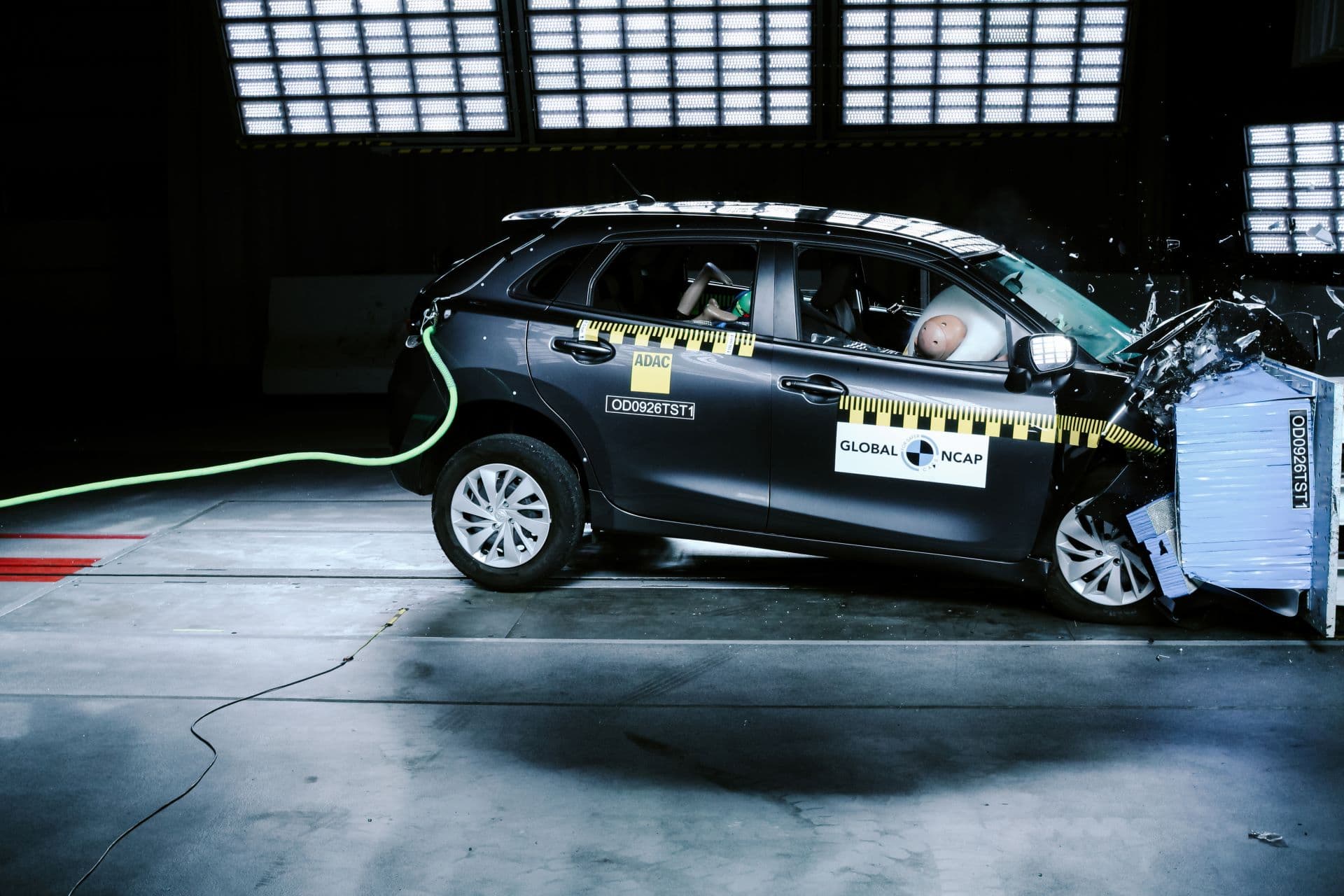
Toyota Starlet Zero-Star Crash Rating Sparks Alarm
Global NCAP awarded the previous Toyota Starlet zero stars for adult safety, raising concerns over protection standards in South Africa.
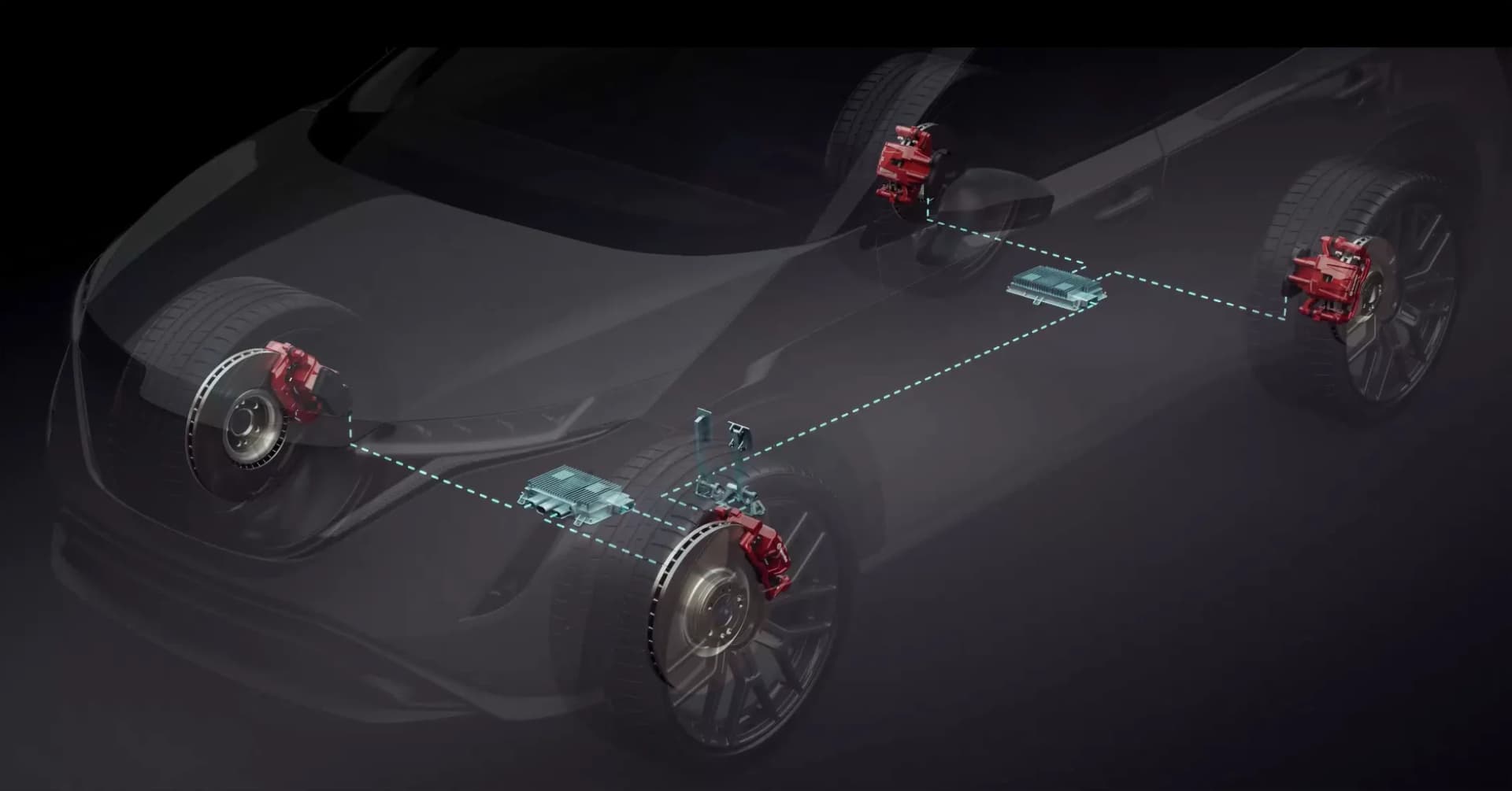
Brembo Pushes Brake-by-wire into the Mainstream
Brembo’s Sensify brake-by-wire system enters series production with a global carmaker, marking a shift toward software-defined vehicle braking.