
As anticipation builds for the upcoming Right to Repair South Africa (R2RSA) Access to Information Conference at Automechanika Johannesburg, local workshop owners are voicing the daily realities behind one of the sector’s biggest obstacles - restricted access to repair data.
“Modern vehicles are no longer just mechanical,” says Gunther Schmitz, SA Representative for Garage Hive, a community-driven, cloud-based garage management system and Chairman of R2RSA. “They are networks of interconnected systems combined with sophisticated mechanical components that require technicians to know the exact software version and configuration they’re working on. Most independents are ready to invest in diagnostic tools and training, but access to official technical information remains extremely limited. That’s the real bottleneck.”
Schmitz explains that this limited access translates directly into delays and costs for customers. “When independents have to send vehicles to dealerships for software updates or to decode proprietary fault data, turnaround times increase and costs rise and those costs inevitably fall back on consumers.”
He shares a recent example from his own workshop. “A customer came in with a faulty electronic parking brake. A replacement would have cost R10 000 and taken three days to arrive. Because our technician had access to the correct wiring diagram, he could trace a simple fault and repair it within a day - at a third of the cost. It’s proof that fair access to information benefits everyone.”
Echoing this, Dewald Ranft, owner of Dyno Tech and Chairman of the Motor Industry Workshop Association (MIWA), a Tier 1 sponsor of R2RSA, notes that while data platforms such as HaynesPro and Autodata provide valuable support, true access remains fragmented and expensive.
“Many OEM portals are simply unaffordable or impractical for smaller operations,” says Ranft. “The result isn’t lower quality, but slower turnaround times because workshops must look across multiple sources to find the information they need.”

Ranft believes better cooperation between OEMs and the aftermarket could yield mutual benefits. “This isn’t just about levelling the playing field; it’s about helping OEMs strengthen their brands. When vehicles are out of warranty, and independent workshops can still offer superior service, that positive experience keeps customers loyal to the brand.”
He adds that initiatives like MIWA’s SpannerTorque network are helping workshops stay ahead. “Through collaboration and shared learning, we can pool technical insights and stay compliant with evolving digital tools and standards.”
Both Schmitz and Ranft agree that the solution lies in open, collaborative dialogue - the kind of engagement R2RSA aims to foster at the upcoming conference.
“The conversation needs to shift from competition to cooperation,” says Schmitz. “When information flows freely, everyone wins - from workshops and OEMs to consumers and the economy as a whole.”
The Right to Repair Access to Information Conference will be held as a half-day session at Automechanika Johannesburg, designed as an interactive, solution-driven discussion led by facilitator Lerato Ditshego. Access is free and open to anyone interested. To register, email kate@r2r.org.za.
#R2R
Staff Writer
Reporting from the front lines of the collision repair industry, delivering expert analysis and the technical updates that drive the African automotive sector forward.
More From News
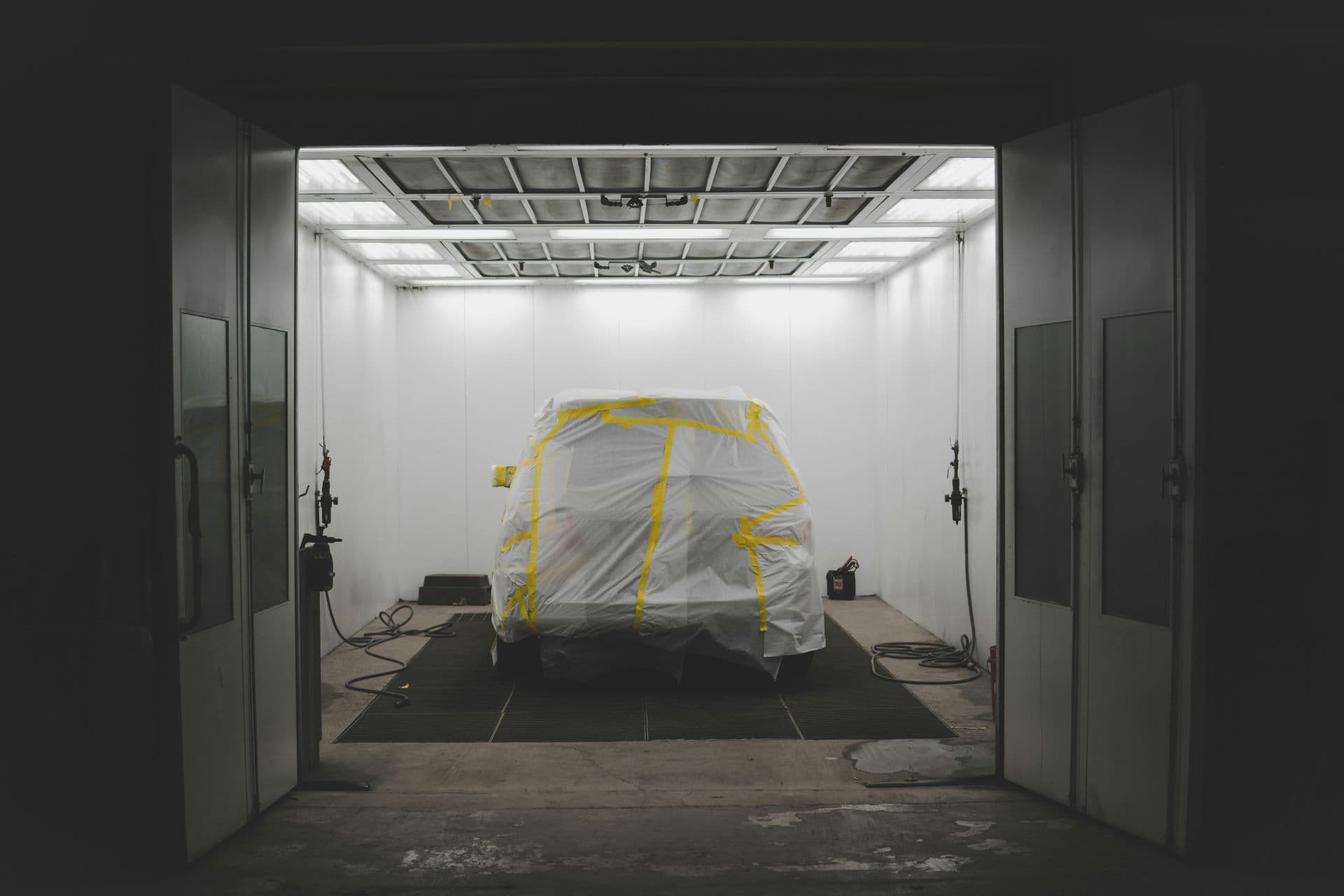
What drivers should look for when collecting a vehicle after collision repairs
Experts from South African Motor Body Repairers' Association explain how motorists can inspect their vehicle after collision repairs, covering panel gaps, paint finish and functionality checks.
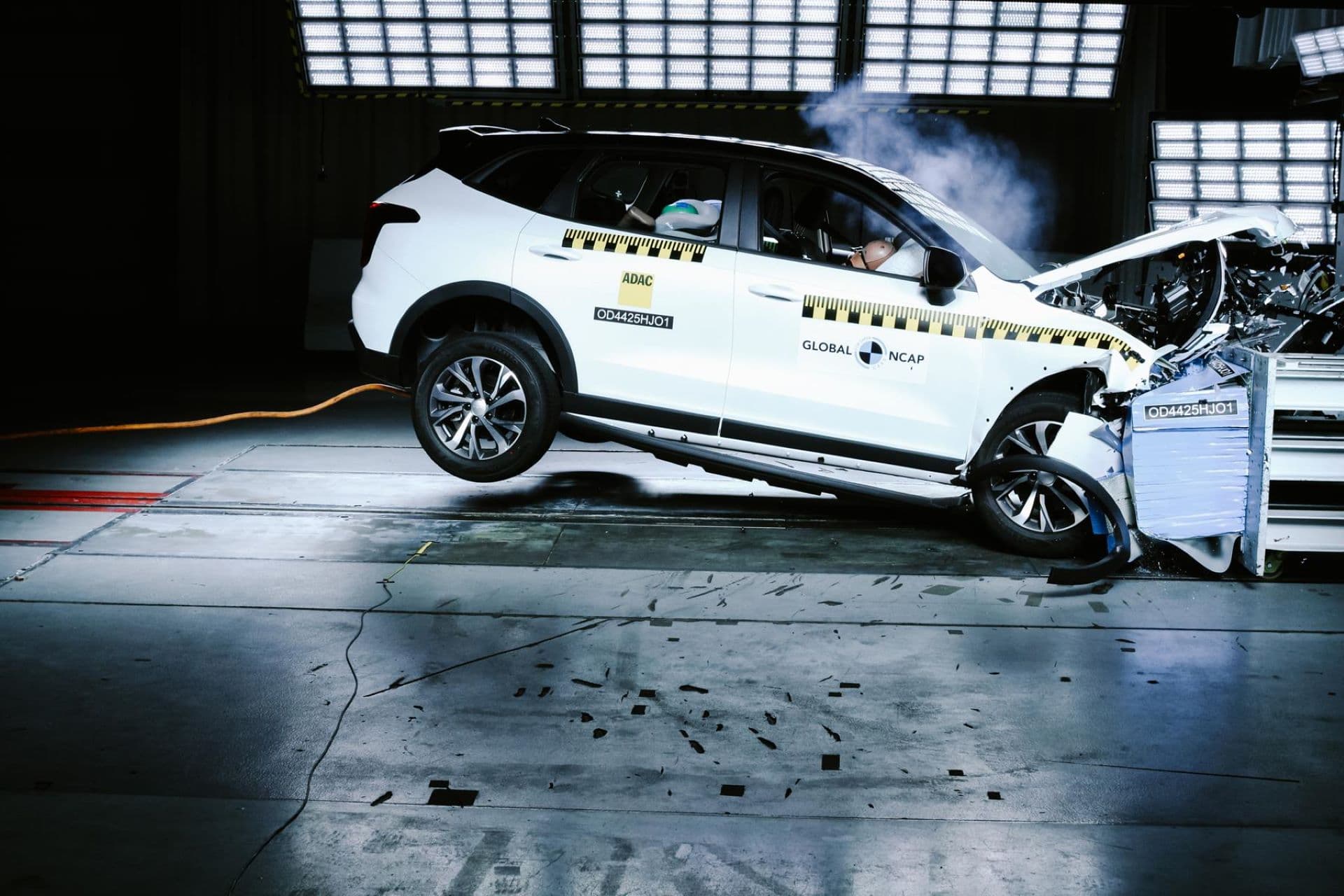
Entry-Level Cars Under Fire in Latest Crash Tests
South Africa’s entry-level cars face scrutiny after GNCAP crash tests reveal poor safety ratings for the Haval Jolion and Kia Sonet, prompting concern.
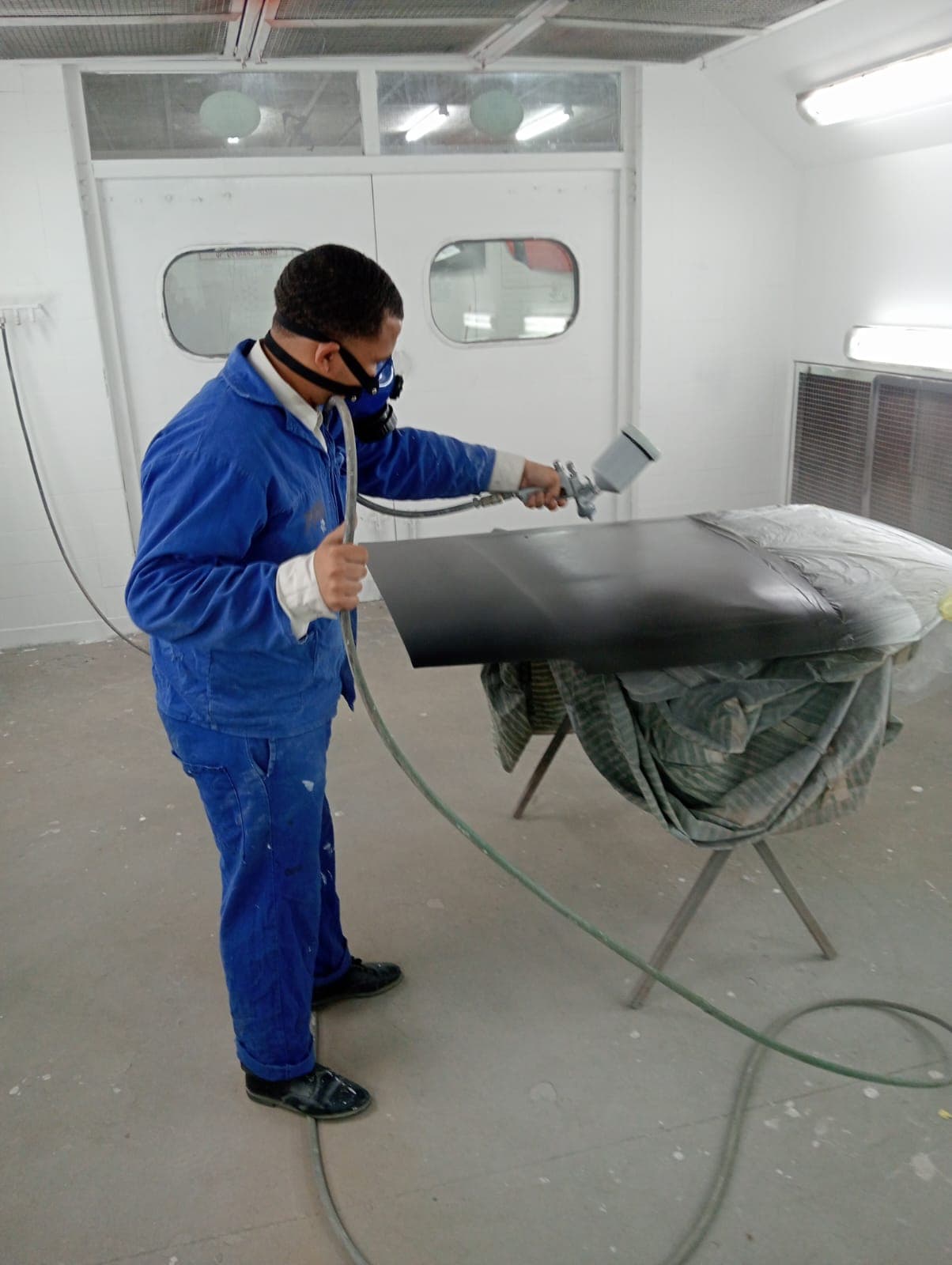
SAMBRA initiative puts young automotive talent in the spotlight
MIWA and SAMBRA host youth automotive competitions in Eastern Cape, offering training, hands-on experience and career pathways for young learners in 2026.
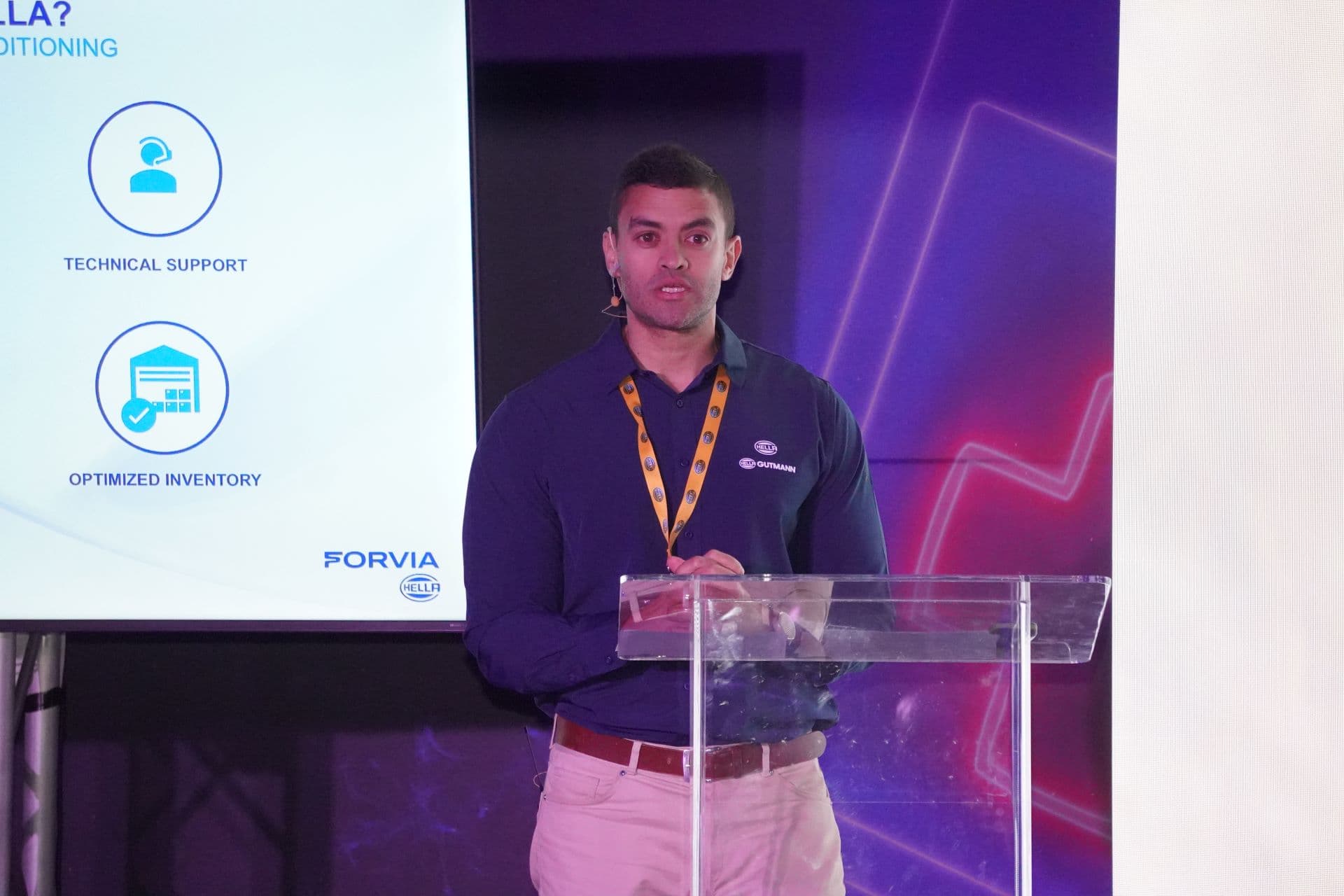
Hella returns to thermal management with long-term aftermarket push
Hella South Africa expands its thermal management range, targeting evolving vehicle technologies with 6,000+ SKUs planned by 2027.
Hino SA Honoured for Aftersales Excellence
Hino South Africa received two global awards for service and parts excellence, reinforcing its leadership in aftersales support.
Hella Urges Aftermarket to Prepare Now for a Changing Vehicle Parc
Hella outlines how distributors and workshops can adapt to ageing vehicles, EV growth and evolving aftermarket demands in South Africa.