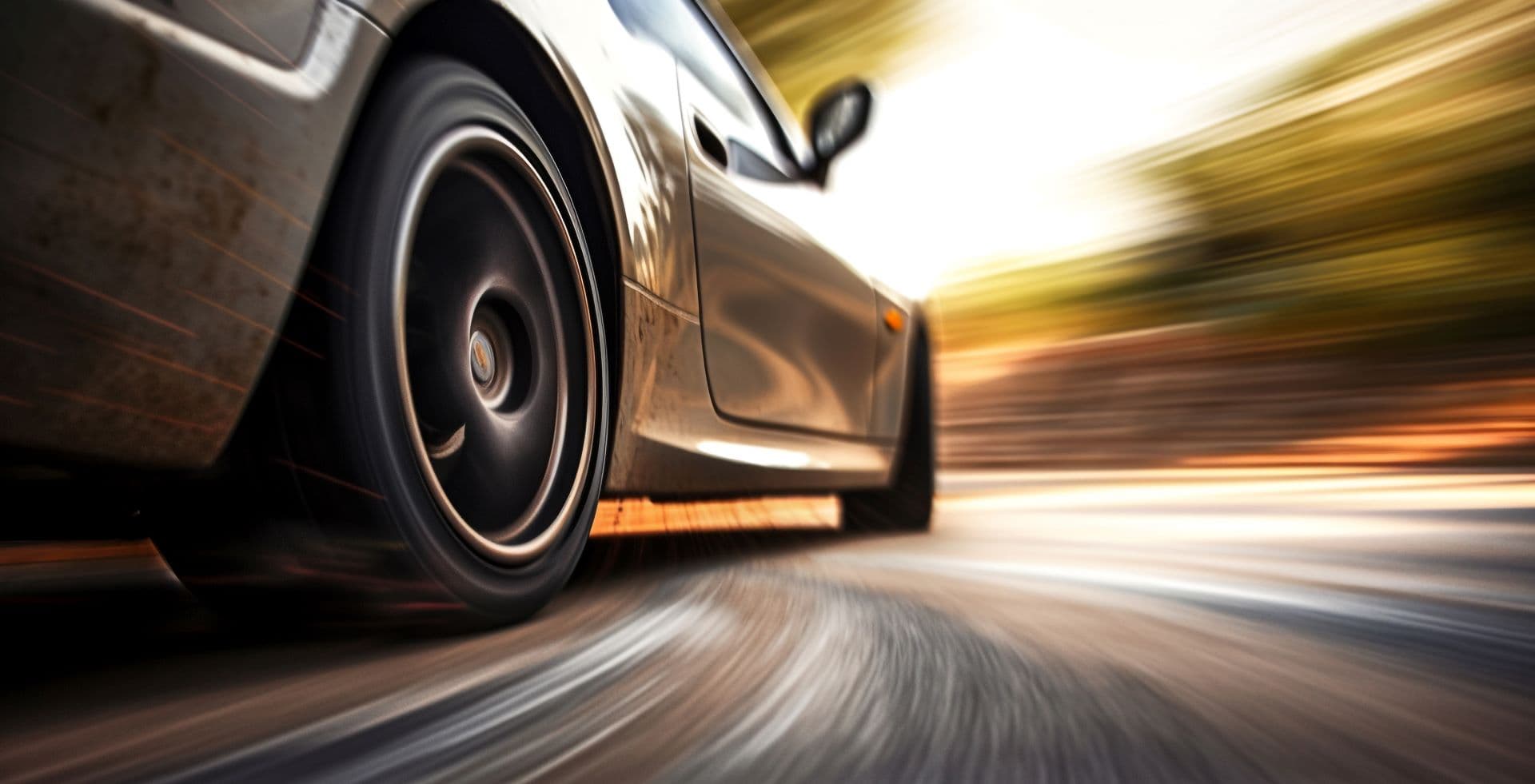
A review of vehicle advertising by the Insurance Institute for Highway Safety (IIHS) suggests that car makers are increasingly selling the thrill of performance at the very moment the human cost of speeding continues to climb.
Across television campaigns aired in 2018, 2020 and 2022, performance cues such as speed, power, traction, braking and cornering featured in 43% of adverts. Mentions or visuals linked to speed appeared far more often than explicit safety messaging, which showed up in only a small share of campaigns.
IIHS president David Harkey said glossy scenes of cars being driven hard, even when labelled as professional stunts on closed roads, can still imply that similar behaviour is within reach of everyday motorists. That matters, he noted, because speed remains a persistent factor in fatal crashes in the United States.
Loose standards, clear signals
Speed has long been celebrated in American car culture, from hot rod nostalgia to blockbuster action films. Adverts, however, are built to persuade, and the IIHS argues that repeated images of rapid acceleration, dramatic drifting and fast cornering can shift what feels ‘normal’ on public roads.
Safety groups have raised similar concerns for decades. A high profile Super Bowl advert in 1990 drew criticism for glamorising risky behaviour, and later reviews found that performance remained a dominant marketing motif. The new study suggests the trend has strengthened, not softened.
The researchers point to tighter controls overseas. In the United Kingdom, advertising rules bar messages that encourage dangerous driving and restrict claims about power or acceleration unless they are clearly linked to safety, for example swerving to avoid a collision.
In the US, the guardrails are largely set by broadcasters rather than regulators. The IIHS says many policies discourage ‘risky behaviour’ without defining it, or highlight seat belts and other precautions while failing to address speed, leaving advertisers room to imply that fast driving is acceptable.
Lead author Amber Woods said this sort of marketing can blur the perceived danger of speeding in the public mind, in contrast to the widespread stigma attached to drink driving. When repeated often, she argued, the imagery can make aggressive driving look routine.
How the adverts were assessed
The team compiled more than 1,500 television adverts from 2018, 2020 and 2022, plus over 1,000 online and social media promotions from 2020 and 2022. Trained coders identified dominant themes from a defined list, and the results were weighted using advertising spend to reflect how frequently viewers were likely to see each message.
Traction was one of the most common performance cues, often illustrated by cars throwing up dust on dirt tracks or powering over rocks and beaches. Yet fewer than one in ten of those traction-focused adverts also framed the feature as a way to prevent crashes in wet or icy conditions, the study found.
Safety fades as performance rises
From 2018 to 2022, the share of adverts centred on speed increased, while safety-focused promotions became rarer. Pick-up adverts leaned heavily on performance overall, while sedans were most likely to lean into explicit speed imagery. The IIHS cautions that these messages can influence all drivers, not only the people shopping for a particular model.
Harkey urged car makers and broadcasters to treat unsafe speed in the same way they treat drink driving or failing to wear a seat belt. Without clearer standards, the institute argues, adverts will continue to celebrate fast driving while the roads continue to pay the price.
Staff Writer
Reporting from the front lines of the collision repair industry, delivering expert analysis and the technical updates that drive the African automotive sector forward.
More From News
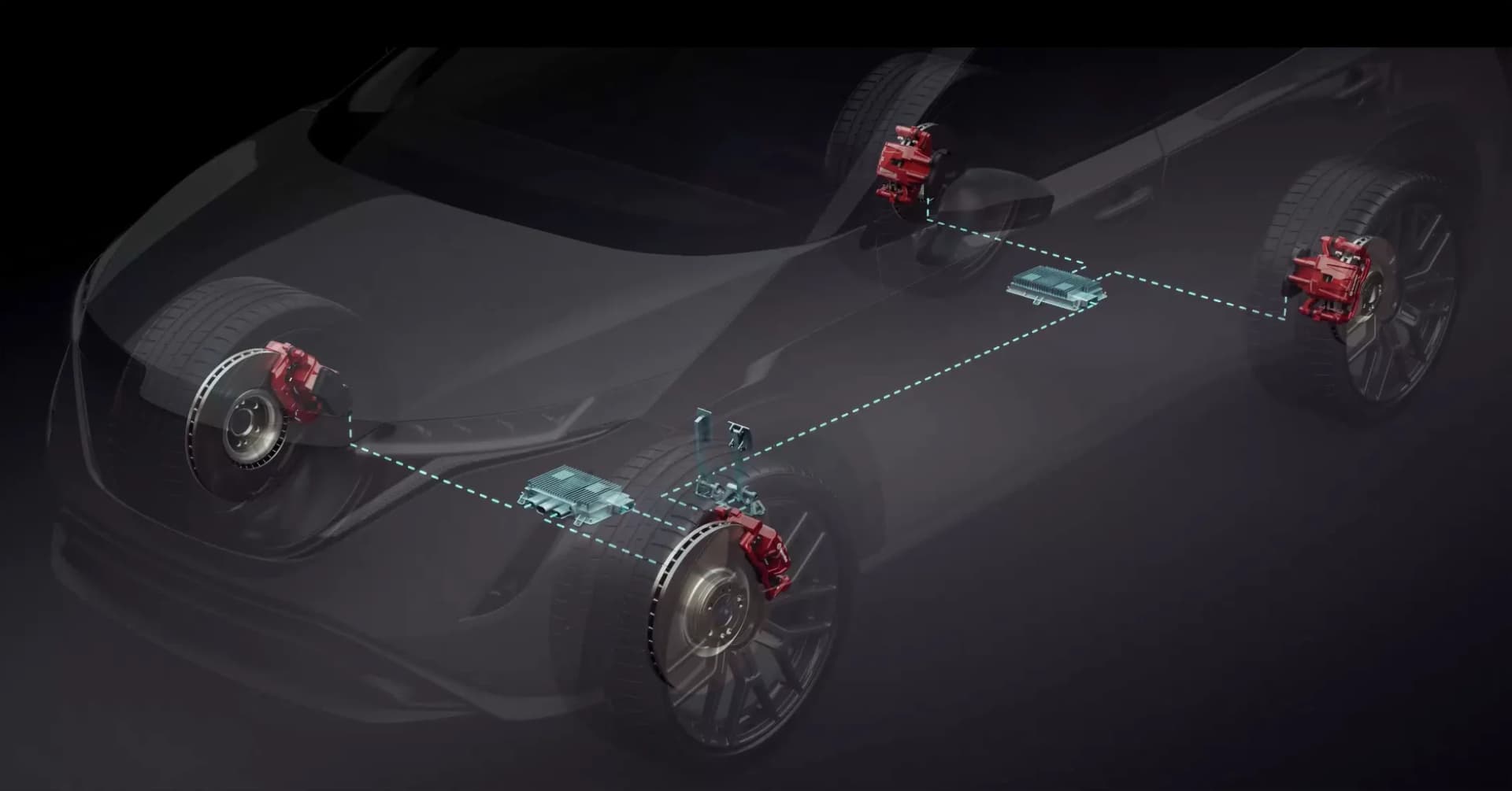
Brembo Pushes Brake-by-wire into the Mainstream
Brembo’s Sensify brake-by-wire system enters series production with a global carmaker, marking a shift toward software-defined vehicle braking.

How Your Collision Repair Business Can Stay Visible in the Age of AI Search
AI-powered search tools are reshaping SEO, pushing businesses to optimise for citations, summaries and AI-driven recommendations.
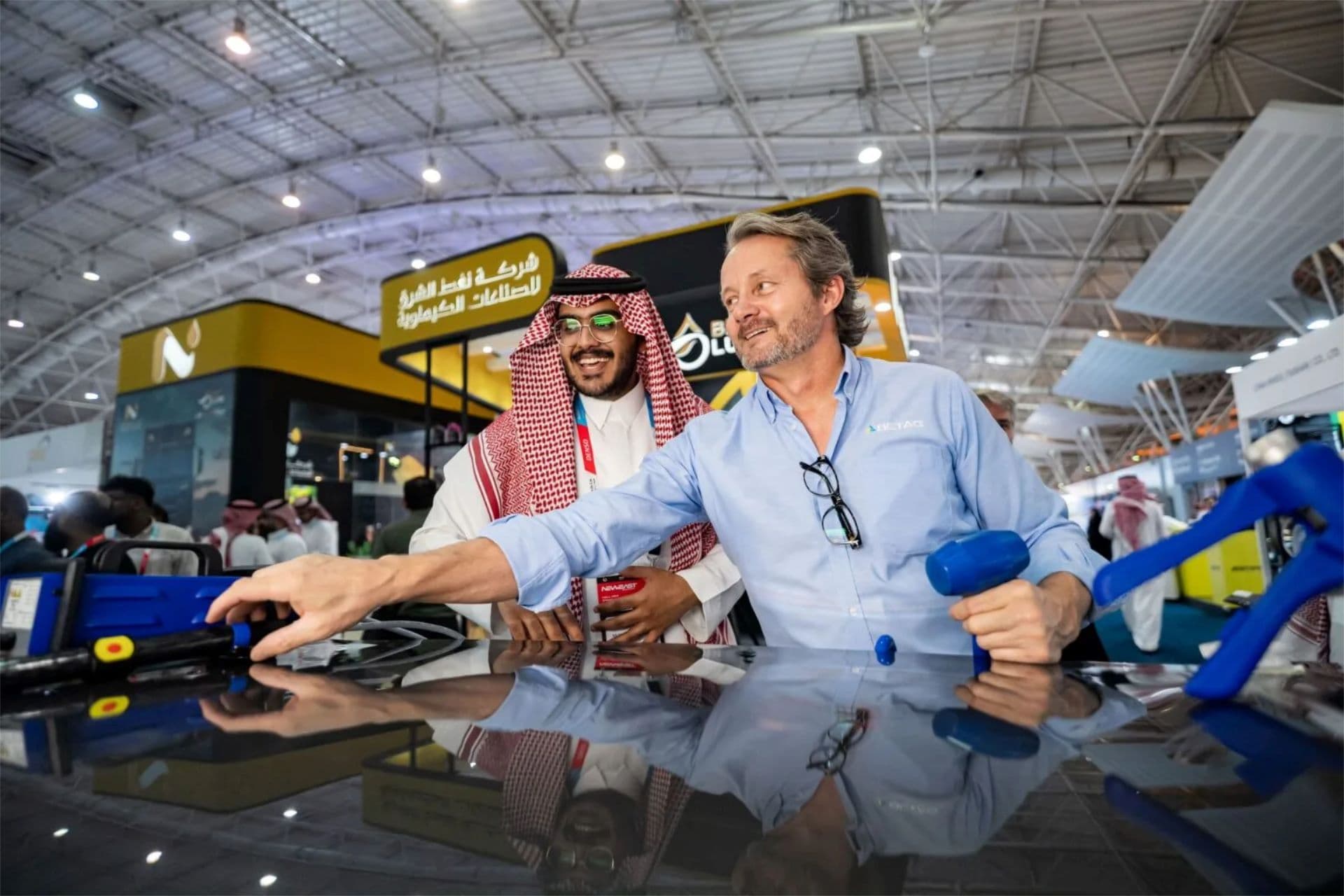
Automechanika Riyadh 2027 signals a New Early-year Sprint for the Aftermarket
Automechanika Riyadh 2027 moves to a larger venue as Saudi Arabia’s booming automotive aftermarket accelerates under Vision 2030.

Beyond the Warranty Window: How Dealership Workshops Can Retain Customers and Build Long-Term Loyalty
Discover how dealership workshops can retain customers after warranties expire through multi-brand servicing and customer-first strategies.
Africa’s Automotive Future: From Potential to Production
Africa’s automotive growth depends on market integration, localisation and AfCFTA execution, says Dr Ahmed Fikry A Wahab.
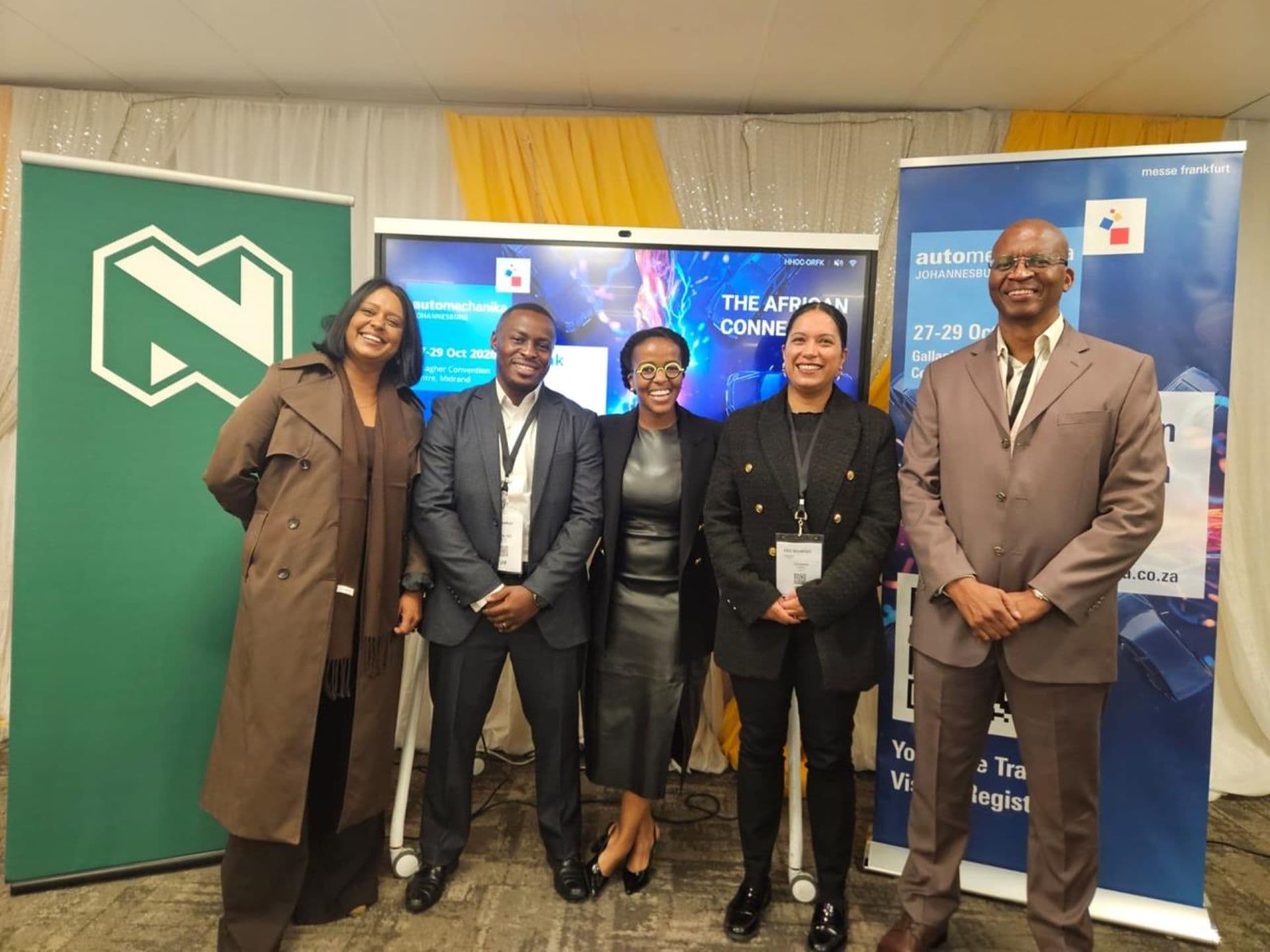
Gqeberha Hosts Automechanika Johannesburg CEO Breakfast in First for Automotive Heartland
Gqeberha hosted the first Automechanika Johannesburg CEO Breakfast, spotlighting South Africa’s automotive industry challenges and growth.