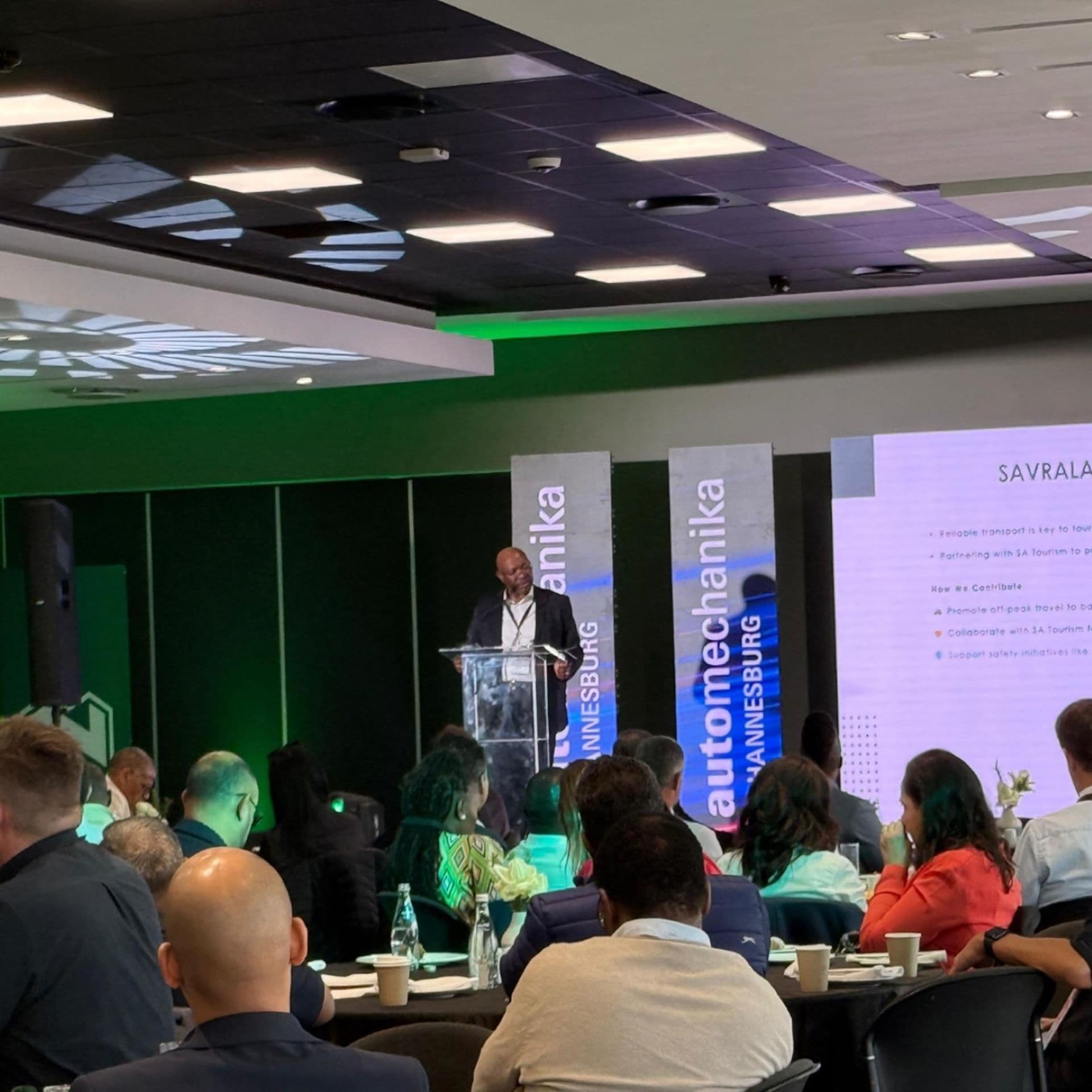
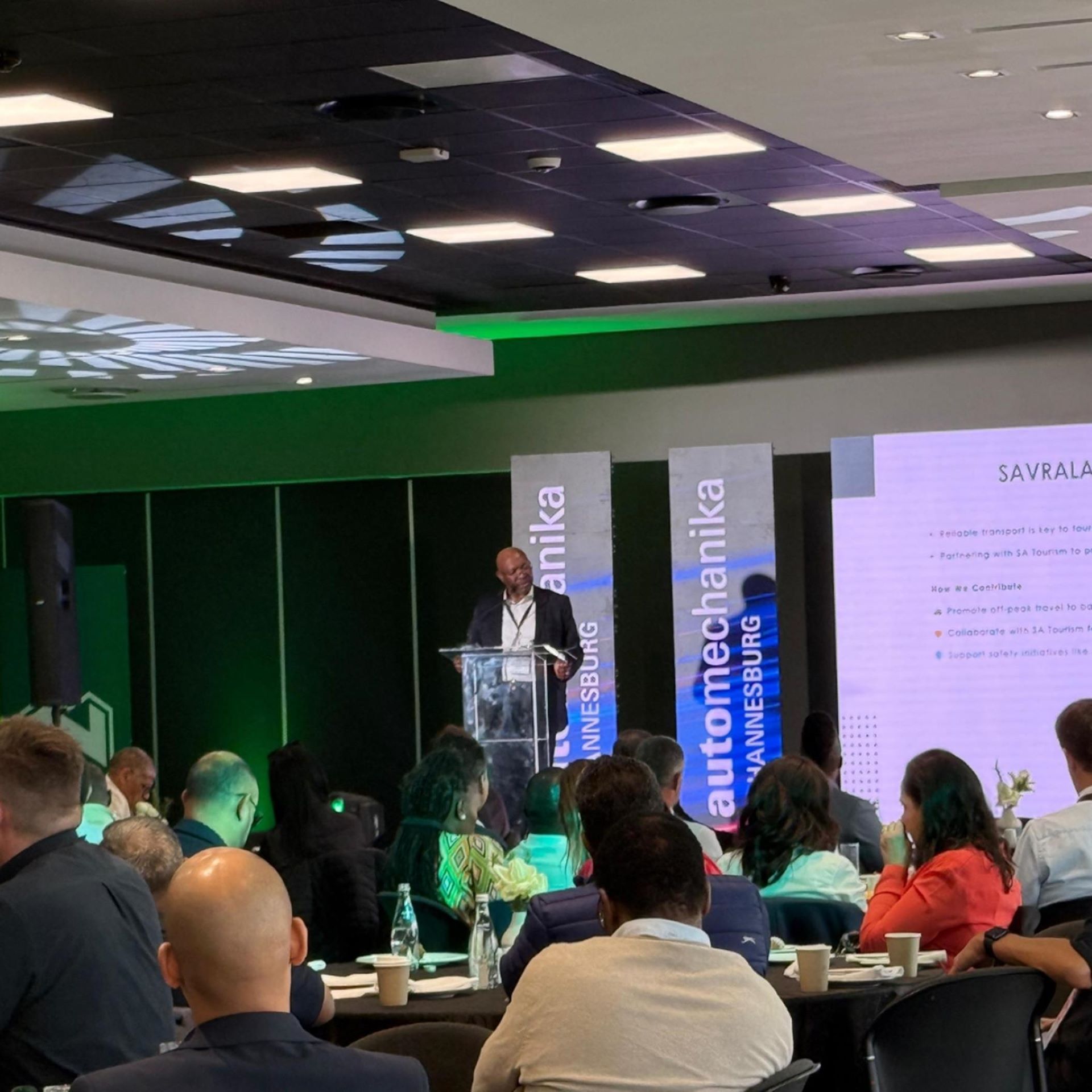
The final Automechanika Johannesburg CEO Breakfast for 2025, held at the Kyalami Grand Prix Circuit alongside the Festival of Motoring, highlighted the automotive repair sector's evolving role in shaping the industry. Senior executives, economists and policy experts unpacked trends that are redefining the repair and service landscape in South Africa.
One of the most impactful discussions came from Brandon Cohen, National Chairperson of the National Automobile Dealers’ Association (NADA), who focused on the implementation of South Africa’s automotive aftermarket service guidelines. Cohen explained how these regulations have “opened the previously closed warranty service market”, allowing independent workshops and franchise dealers to compete on equal footing without voiding vehicle warranties. He noted that this change benefits consumers by offering greater choice and transparency, while stimulating innovation and efficiency in the repair sector. In his words, it stands as “a government initiative that really works”.
Technology and customer behaviour are also influencing repair and service strategies. Sandile Ntseoane, General Manager of the Southern African Vehicle Rental and Leasing Association (SAVRALA), pointed out that evolving customer needs are leading to shorter lease arrangements, while telematics and artificial intelligence are revolutionising fleet maintenance and predictive servicing. This creates new opportunities for workshops that can adapt to technology-driven models.
However, the industry faces external pressures. Duane Newman, Partner at EY South Africa, warned that US trade tariffs on automotive products and metals could lead to revenue losses of up to $1.6 billion and significant job cuts. These challenges underscore the need for the repair industry to maintain agility and optimise supply chains.
Economic conditions offer mixed signals. Nedbank’s Chief Economist, Nicky Weimar, reported that vehicle sales have grown 13.8% year-to-date, supported by falling interest rates and improved consumer affordability. Yet structural issues such as high energy costs and logistics inefficiencies continue to threaten the sector’s stability.
Closing the event, Messe Frankfurt South Africa Managing Director, Michael Dehn, noted demographic shifts within the automotive community, including a younger and more gender-balanced audience at the Festival of Motoring. He remarked that the discussions “exemplified the collaborative spirit that drives South Africa’s automotive industry forward”.
Staff Writer
Reporting from the front lines of the collision repair industry, delivering expert analysis and the technical updates that drive the African automotive sector forward.
More From Events
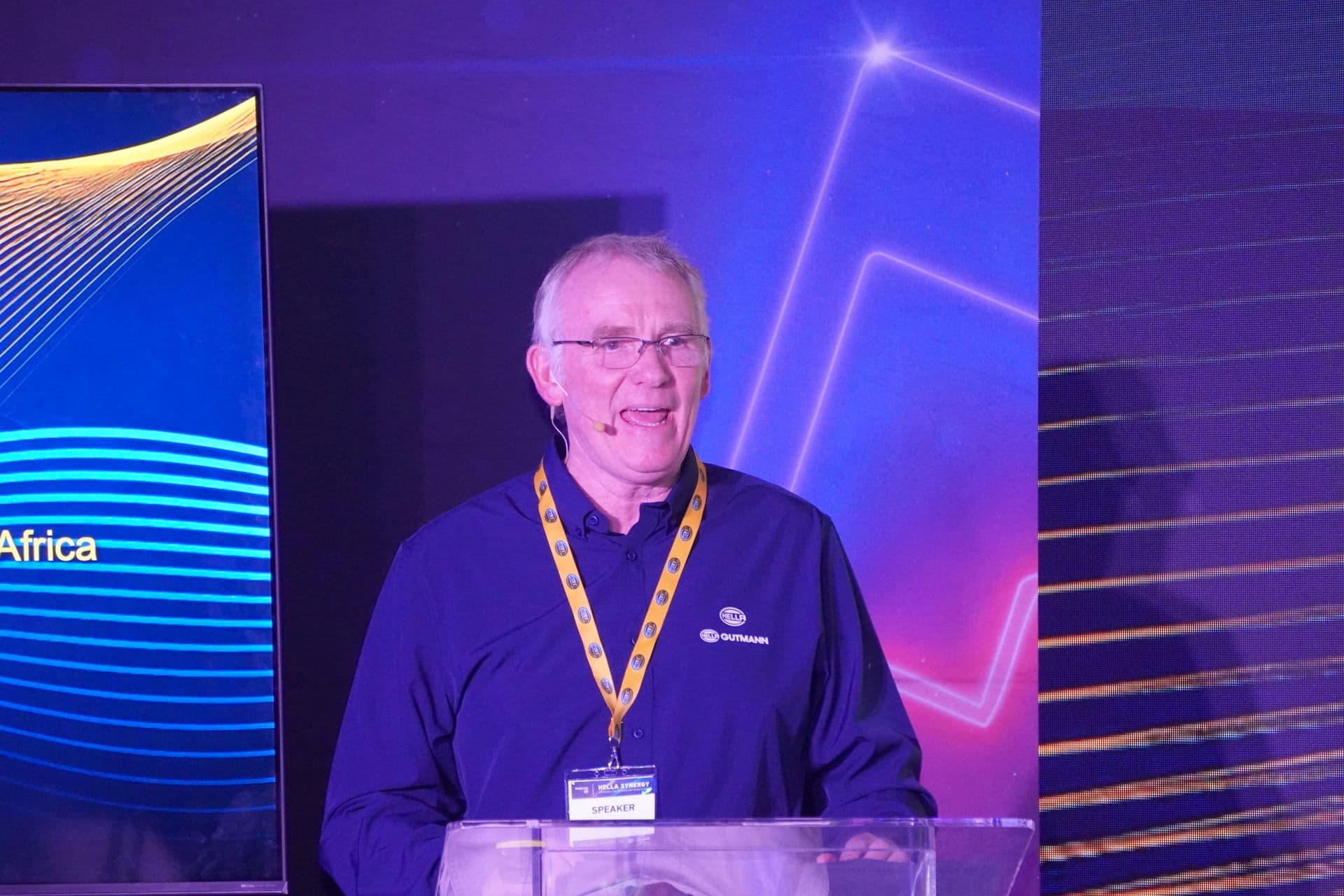
Hella Urges Aftermarket to Prepare Now for a Changing Vehicle Parc
Hella outlines how distributors and workshops can adapt to ageing vehicles, EV growth and evolving aftermarket demands in South Africa.
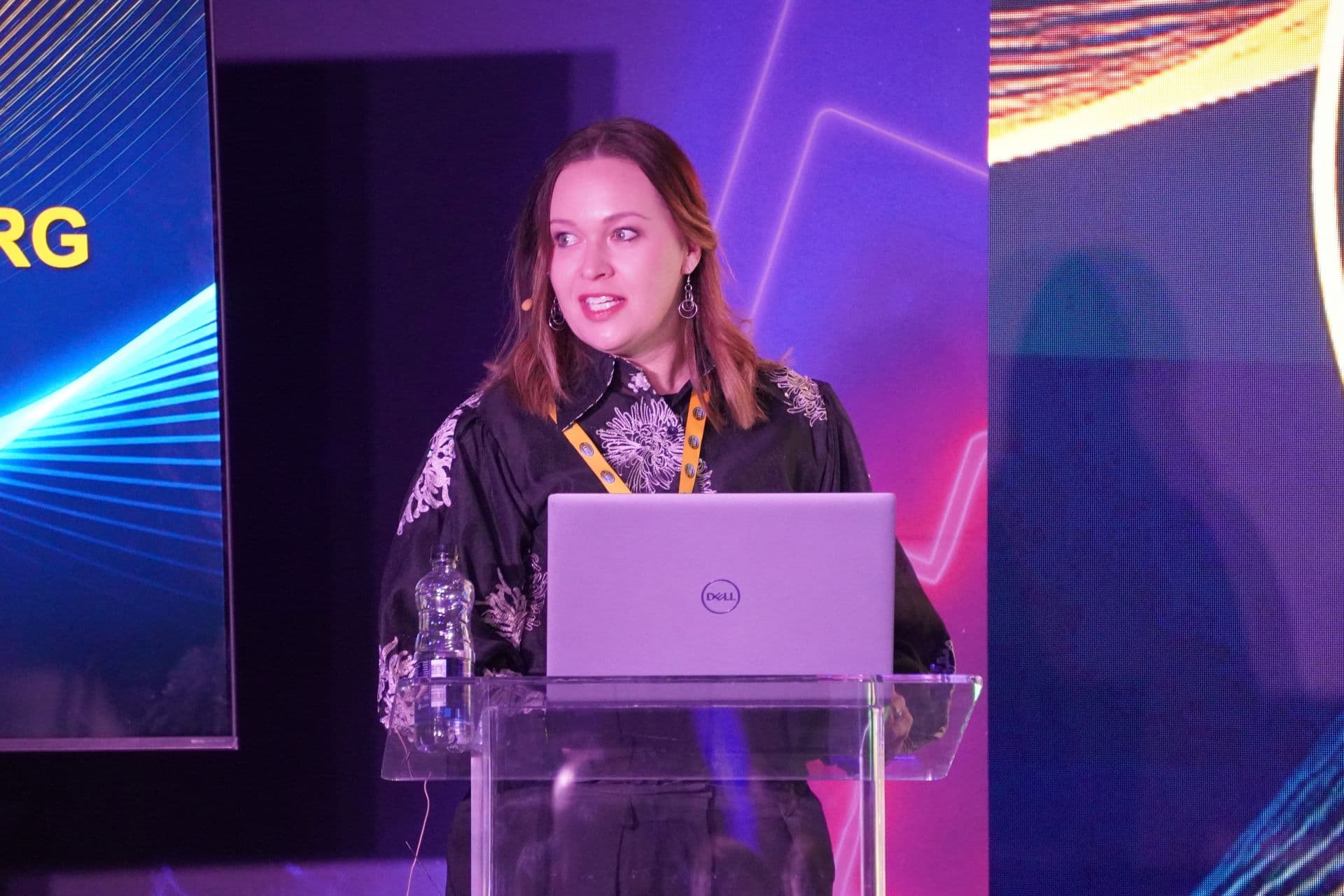
Data-centred Approach Should Be Taken to Evolving Car Parc, says Expert at Hella Synergy
South Africa’s ageing vehicle parc, rising Chinese brands and digital consumers are transforming aftermarket opportunities and challenges.
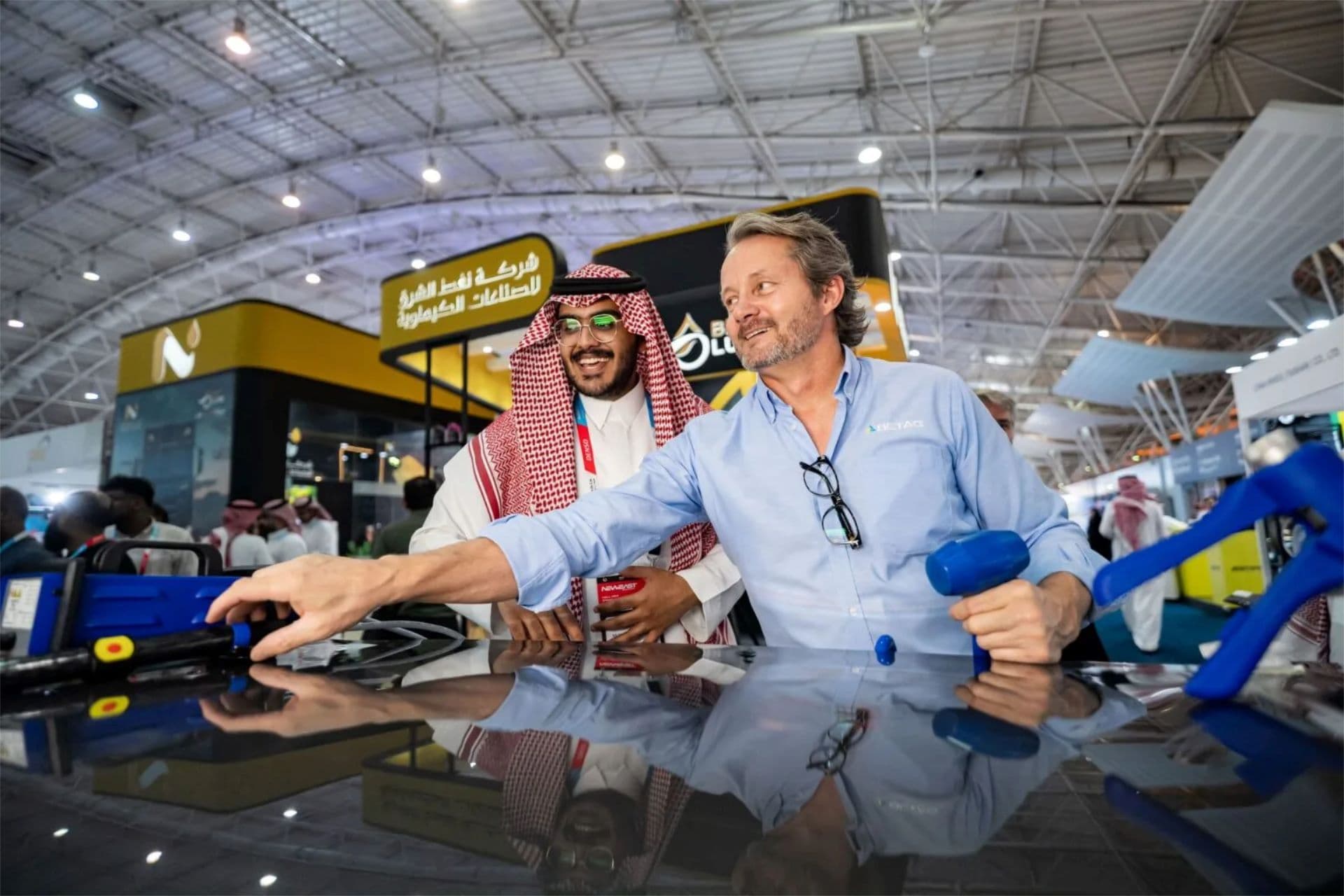
Automechanika Riyadh 2027 signals a New Early-year Sprint for the Aftermarket
Automechanika Riyadh 2027 moves to a larger venue as Saudi Arabia’s booming automotive aftermarket accelerates under Vision 2030.
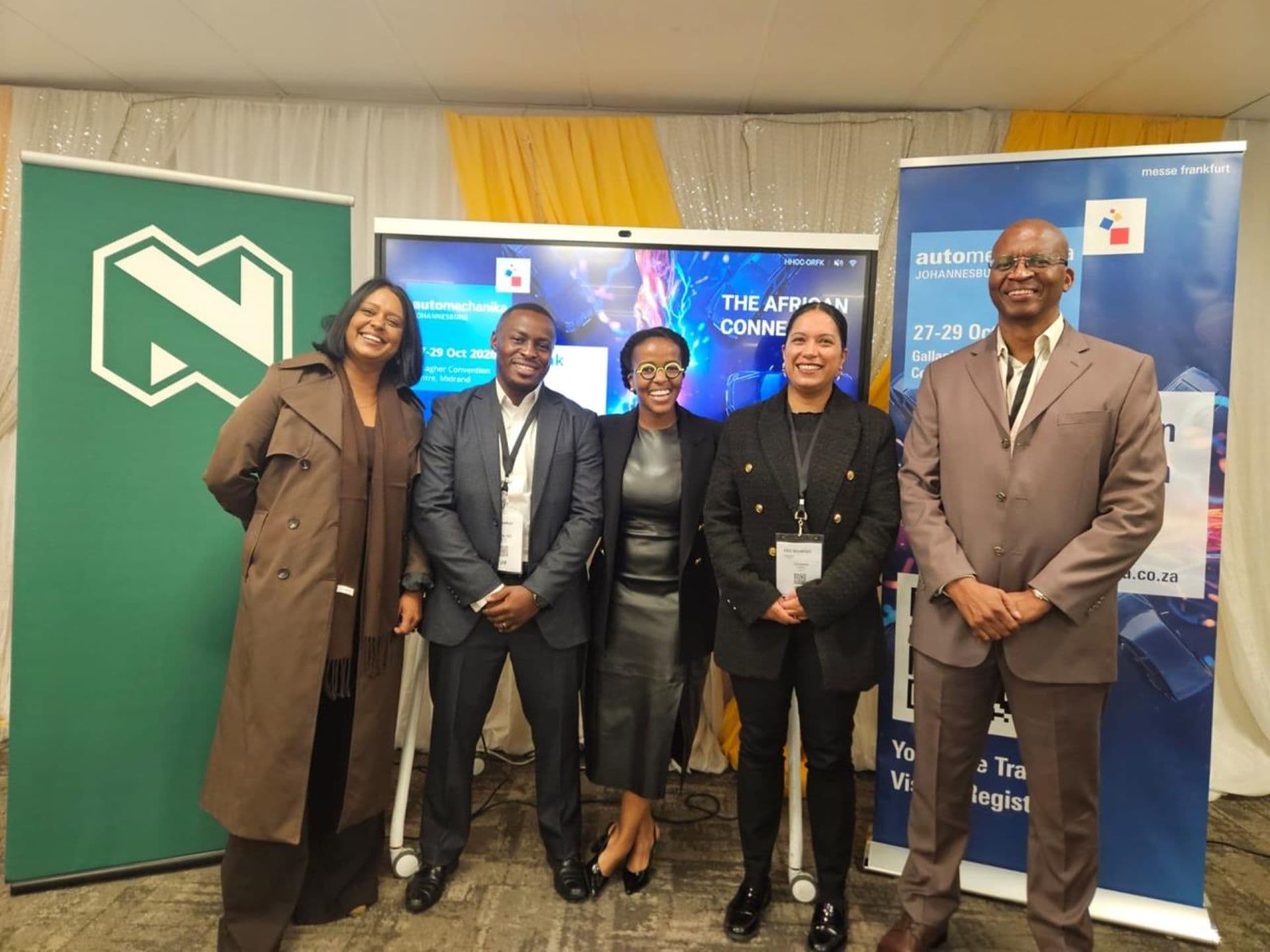
Gqeberha Hosts Automechanika Johannesburg CEO Breakfast in First for Automotive Heartland
Gqeberha hosted the first Automechanika Johannesburg CEO Breakfast, spotlighting South Africa’s automotive industry challenges and growth.
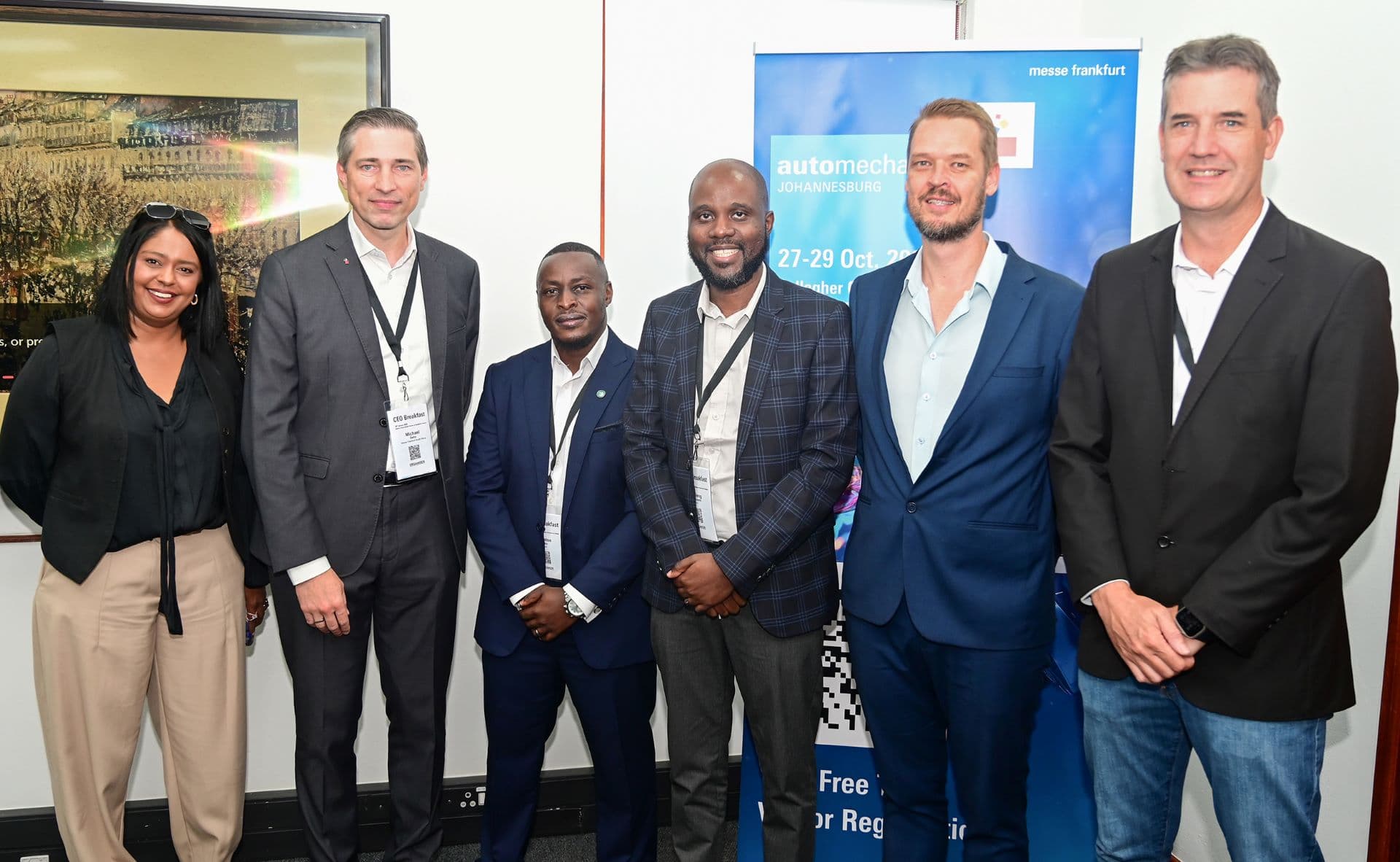
Industry Leaders Confront Skills Shortages and Technological Upheaval at Automechanika Johannesburg CEO Breakfast
Industry leaders call for collaboration to tackle skills shortages, tech shifts, and global pressures shaping South Africa’s automotive future.
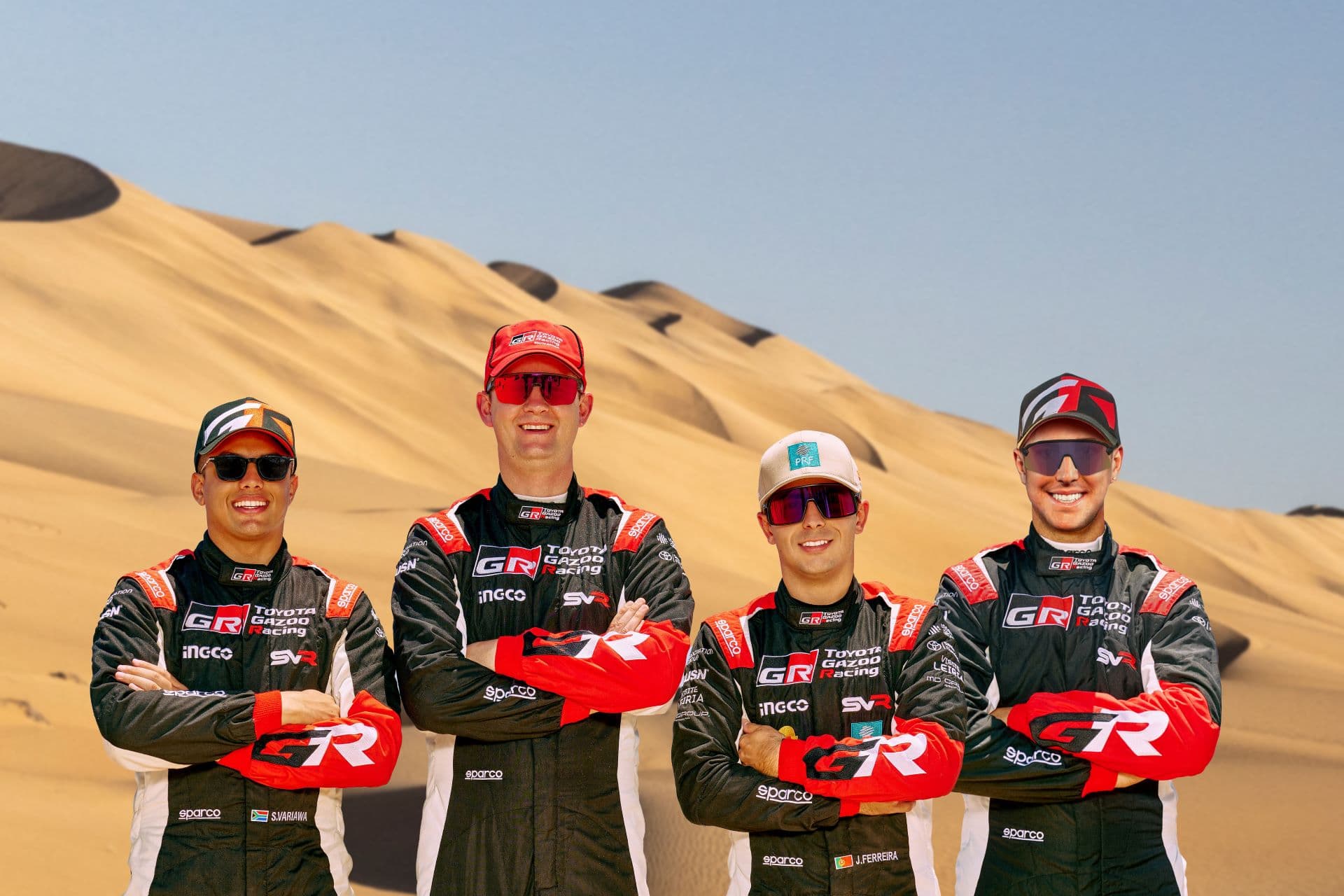
BodyShop News Africa Sends Best Wishes to Toyota Gazoo Racing South Africa Ahead of Dakar Rally 2026
BodyShop News Africa Sends Best Wishes to Toyota Gazoo Racing South Africa Ahead of Dakar Rally 2026