
The Retail Motor Industry Organisation has renewed its call for stronger workplace-based training, emphasising that hands on experience remains the most influential factor in helping learners secure employment.
The message follows insights shared during a recent WorldSkills Conference panel held at the Chief Albert Luthuli International Convention Centre in KwaZulu Natal.
Louis van Huyssteen, RMI National Training Director and member of the merSETA Accounting Authority, joined a discussion focused on understanding what convinces employers to hire a learner after a learnership or apprenticeship. Drawing on the realities of a sector that includes around 23,000 employers and more than 300,000 employees, he highlighted the particularly practical nature of hiring decisions within small and medium sized businesses.
According to van Huyssteen, employers look well beyond formal qualifications when assessing potential recruits. He explained that businesses want learners who can contribute meaningfully from the first day in a real workshop environment. Exposure to diagnostic tools, real vehicles and day to day customer challenges gives candidates a notable advantage.
He cited successful examples of effective workplace integration at centres such as the College of Cape Town and the Port Elizabeth TVET College. These Centres of Specialisation have drawn positive feedback from employers, demonstrating the value of an approach that blends structured training with real work environments. Van Huyssteen believes the next step is to expand and replicate this model more broadly across the sector.
In addition to technical experience, he stressed the significance of soft skills. Small teams rely heavily on attitude, reliability and a willingness to learn. These attributes often outweigh theoretical knowledge, particularly in environments where productivity and teamwork are essential.

A growing concern in the industry is the widening gap between certification and genuine competency. Van Huyssteen explained that one of the most common reasons employers hesitate to hire newly qualified learners is a lack of practical experience despite holding a formal qualification. This reinforces the need for training systems grounded in routine workplace exposure rather than classroom learning alone.
The value of structured, competency-based approaches was also highlighted. Data from merSETA shows that since 2014, approximately 61,000 learners have undergone training, with about 17,000 qualifying as artisans through apprenticeship routes. These figures underline the measurable impact of workplace centred learning.
Naphtally Mokgotsane, Acting CEO of merSETA, reaffirmed the organisation’s commitment to supporting small, medium and micro enterprises in developing artisan skills. He noted that merSETA will continue to prioritise grants and resources that benefit both learners and employers.
While the shift to occupational qualifications has not been without difficulties, van Huyssteen acknowledged encouraging cooperation between the Quality Council for Trades and Occupations, merSETA and industry stakeholders. TVET colleges also have an important role to play as they evolve their delivery models to align more closely with workplace requirements.
Van Huyssteen concluded that the future of skills development depends on bringing training even closer to actual work settings. Minimising time spent away from the workplace, while maintaining high training standards, will help create a system that serves both learners and employers. Strengthening workplace-based apprenticeships is essential for rebuilding the sector’s long-term skills pipeline, especially considering the recent decline in the number of qualified artisans.
Staff Writer
Reporting from the front lines of the collision repair industry, delivering expert analysis and the technical updates that drive the African automotive sector forward.
More From News

What drivers should look for when collecting a vehicle after collision repairs
Experts from South African Motor Body Repairers' Association explain how motorists can inspect their vehicle after collision repairs, covering panel gaps, paint finish and functionality checks.
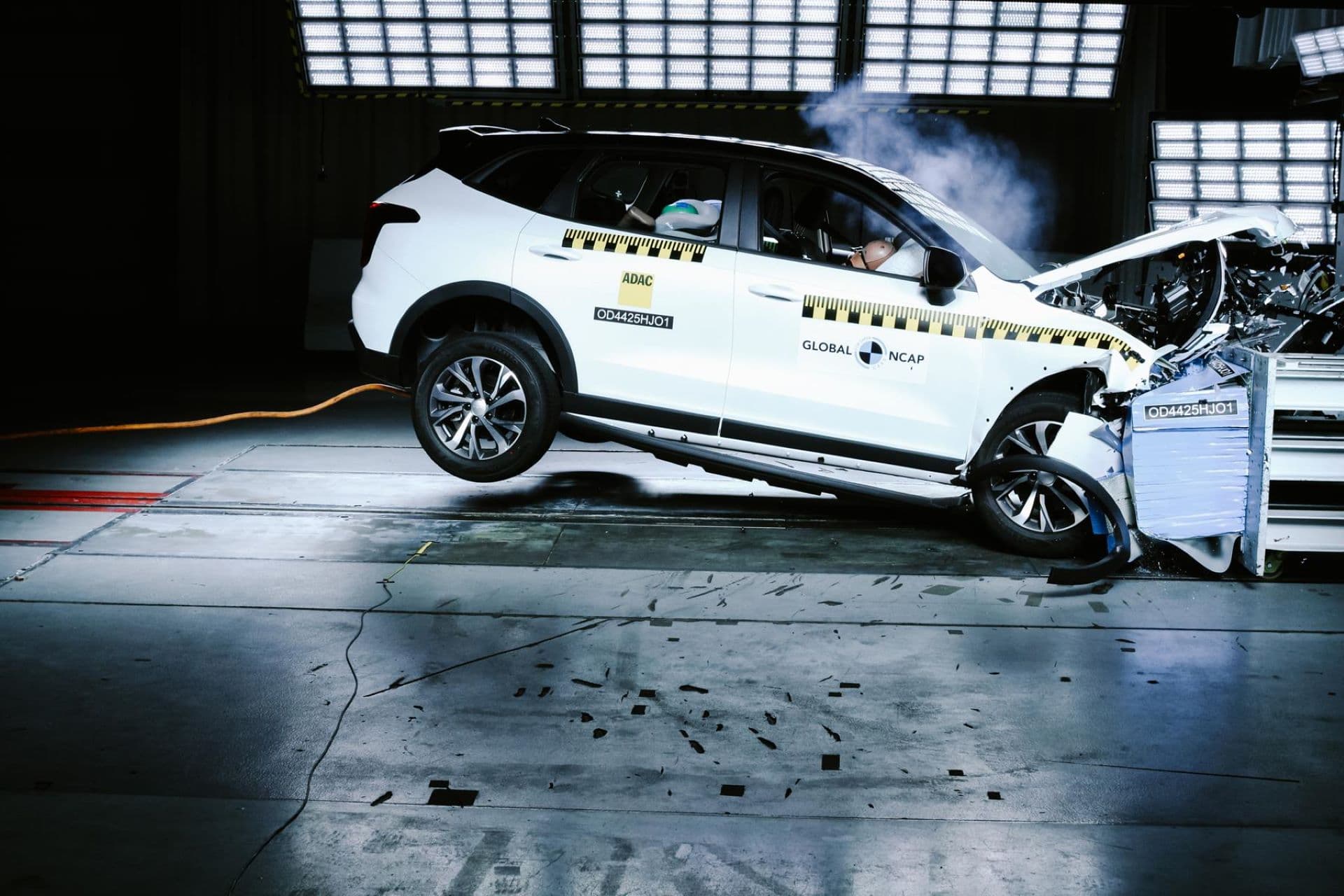
Entry-Level Cars Under Fire in Latest Crash Tests
South Africa’s entry-level cars face scrutiny after GNCAP crash tests reveal poor safety ratings for the Haval Jolion and Kia Sonet, prompting concern.
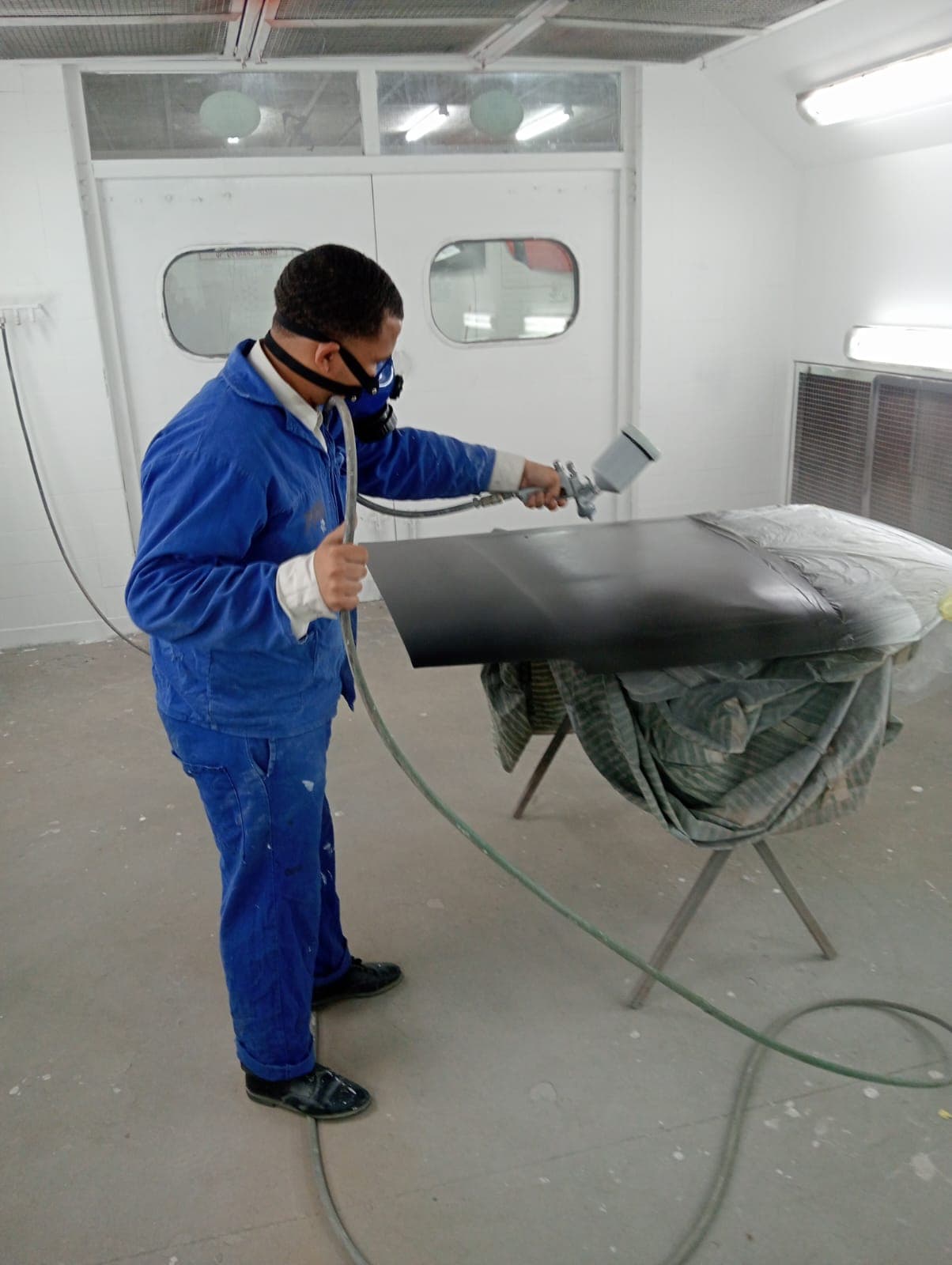
SAMBRA initiative puts young automotive talent in the spotlight
MIWA and SAMBRA host youth automotive competitions in Eastern Cape, offering training, hands-on experience and career pathways for young learners in 2026.

Hella returns to thermal management with long-term aftermarket push
Hella South Africa expands its thermal management range, targeting evolving vehicle technologies with 6,000+ SKUs planned by 2027.
Hino SA Honoured for Aftersales Excellence
Hino South Africa received two global awards for service and parts excellence, reinforcing its leadership in aftersales support.

Hella Urges Aftermarket to Prepare Now for a Changing Vehicle Parc
Hella outlines how distributors and workshops can adapt to ageing vehicles, EV growth and evolving aftermarket demands in South Africa.