
The global automotive industry enters 2026 in a state of accelerated transformation. Innovation cycles are compressing, regulatory landscapes are shifting and new alliances are emerging across continents.
According to a white paper published by Messe Frankfurt in partnership with Frost & Sullivan, manufacturers and suppliers face a pivotal moment as they adapt to economic pressure, policy recalibration and fast-changing consumer expectations.
One of the most striking developments is the rapid shortening of vehicle development cycles. Processes that traditionally stretched across four or five years are now being compressed to as little as eighteen to twenty-four months. This shift reflects both competitive urgency and the growing influence of software in modern vehicle design.
Policy shifts are also reshaping propulsion strategies. Governments are adopting a more balanced stance as they weigh sustainability objectives against cost and energy security. As a result, traditional powertrains are seeing a resurgence in some regions, even as electrification continues to advance in others. This trend is unfolding alongside uneven global demand for battery-electric vehicles, as reflected in Deloitte’s 2026 Global Automotive Consumer Study, which highlights strengthening interest in hybrids among consumers who prioritise cost, practicality and charging access.
Another defining feature of the 2026 landscape is the increasing prominence of Chinese manufacturers. Deeper collaboration between legacy automakers and Chinese OEMs is reshaping product platforms, supply chains and market strategies. These partnerships are accelerating innovation but also fuelling competitive pressure in markets across Europe, Asia and South America. Frost & Sullivan note that such cross-border alliances will play a crucial role in determining future market leadership.
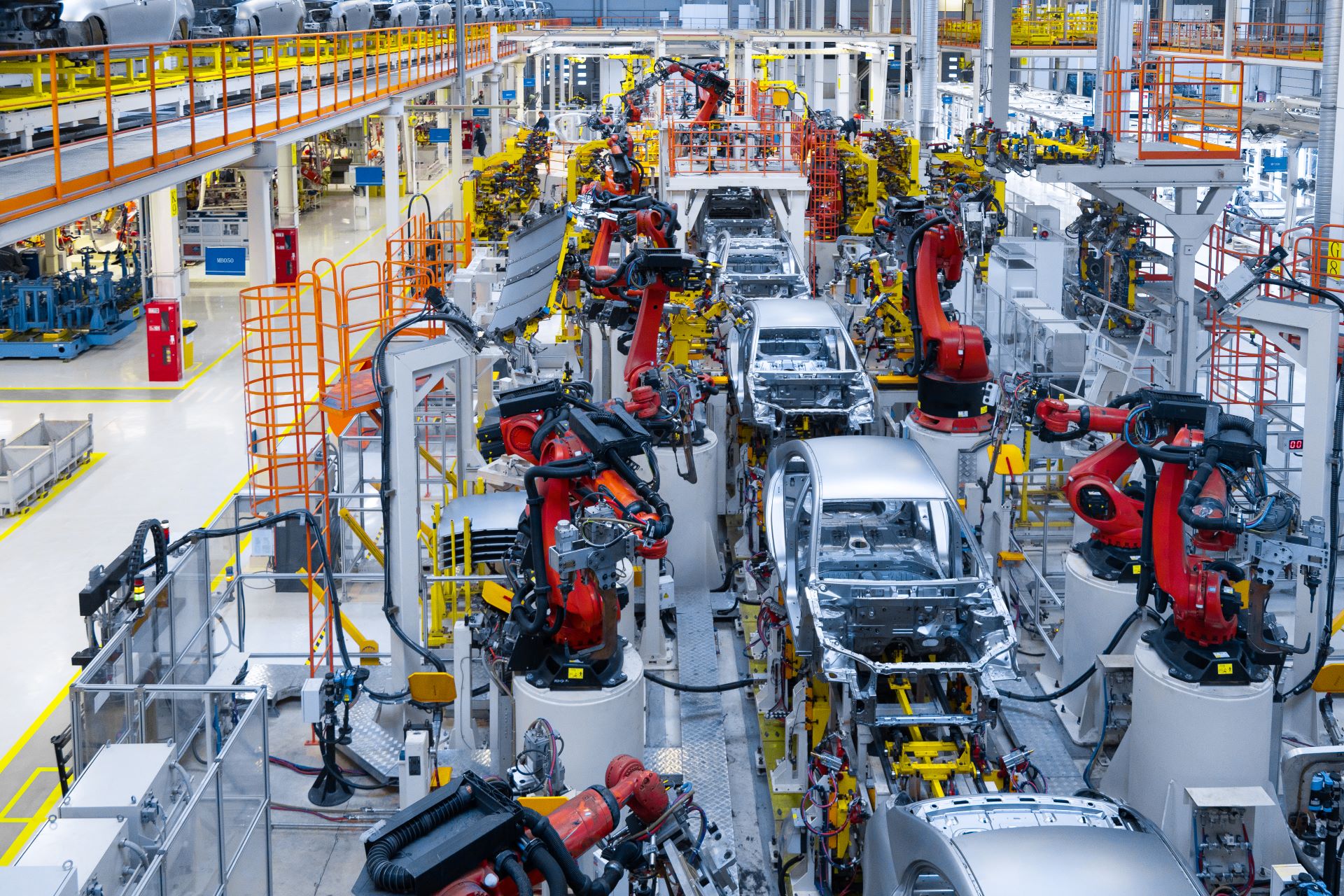
Technology remains central to nearly every major trend. The rise of connected services, artificial intelligence and over-the-air updates is transforming how consumers engage with their vehicles. Deloitte’s study shows that safety-focused connected features remain a top priority, while concerns about data sharing persist. Consumers are increasingly open to AI-powered personalisation and digital enhancements that improve long-term usability, reinforcing the shift towards software-defined vehicles.
These trends unfold against a broader backdrop of market turbulence. Industry forecasts show that global light-vehicle sales are expected to remain steady at around 91.8 million units in 2026, following easing momentum in 2025 and ongoing challenges linked to tariffs, supply chain fragility and high interest rates. Regional performance varies significantly, with China and North America expected to face declines while India continues to lead growth across South Asia.
As the industry navigates these shifts, the white paper argues that collaboration, agility and technological leadership will define success. With compressed development cycles, evolving propulsion strategies and new global partnerships reshaping the competitive landscape, 2026 stands as a turning point in the race to deliver cleaner, smarter and more accessible mobility worldwide.
Staff Writer
Reporting from the front lines of the collision repair industry, delivering expert analysis and the technical updates that drive the African automotive sector forward.
More From News

Must Read: Competition Case in Botswana Could Reshape the Regional Repair Market
A Botswana competition case could influence insurer-repairer relationships and reshape vehicle repair markets across Southern Africa.
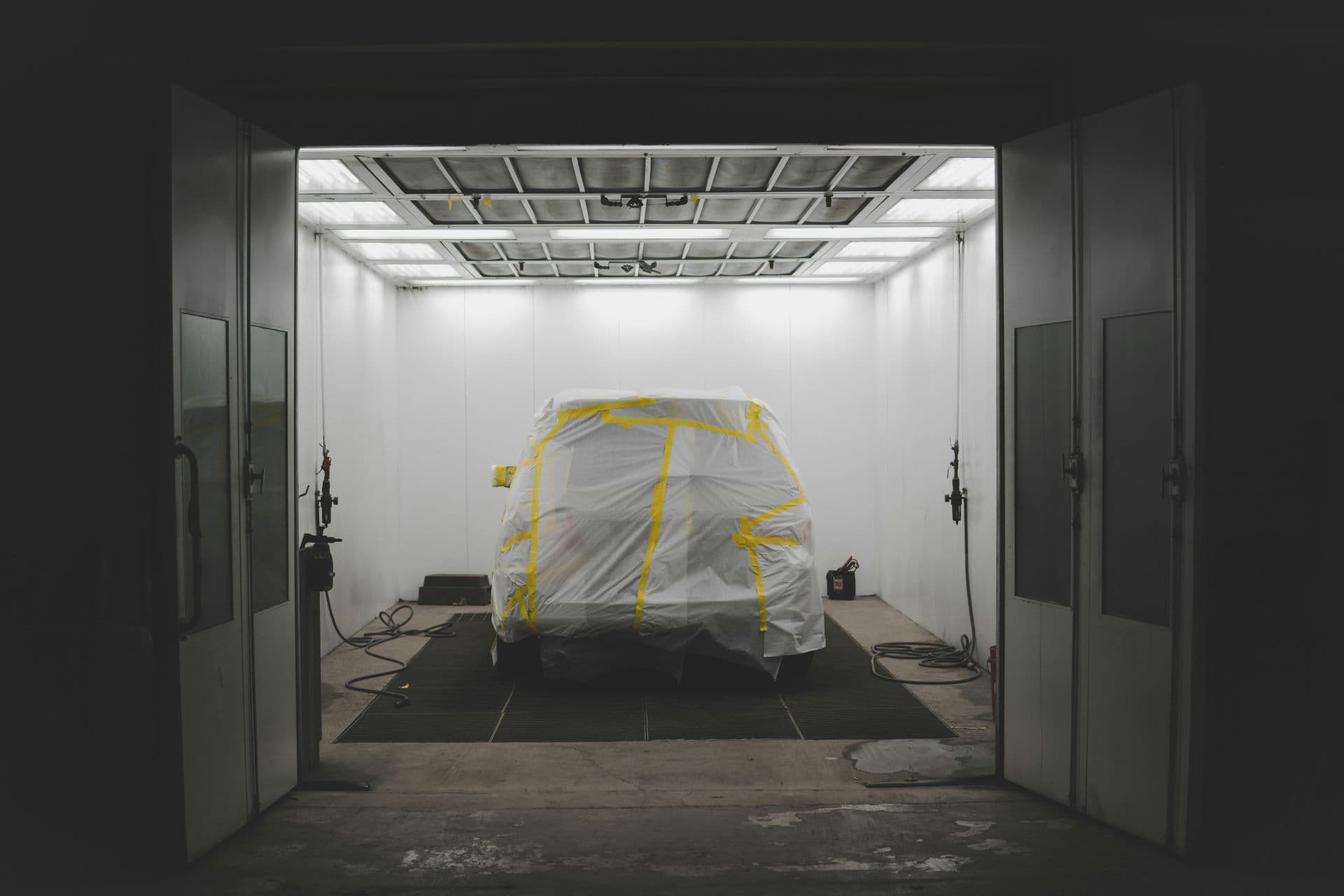
What drivers should look for when collecting a vehicle after collision repairs
Experts from South African Motor Body Repairers' Association explain how motorists can inspect their vehicle after collision repairs, covering panel gaps, paint finish and functionality checks.
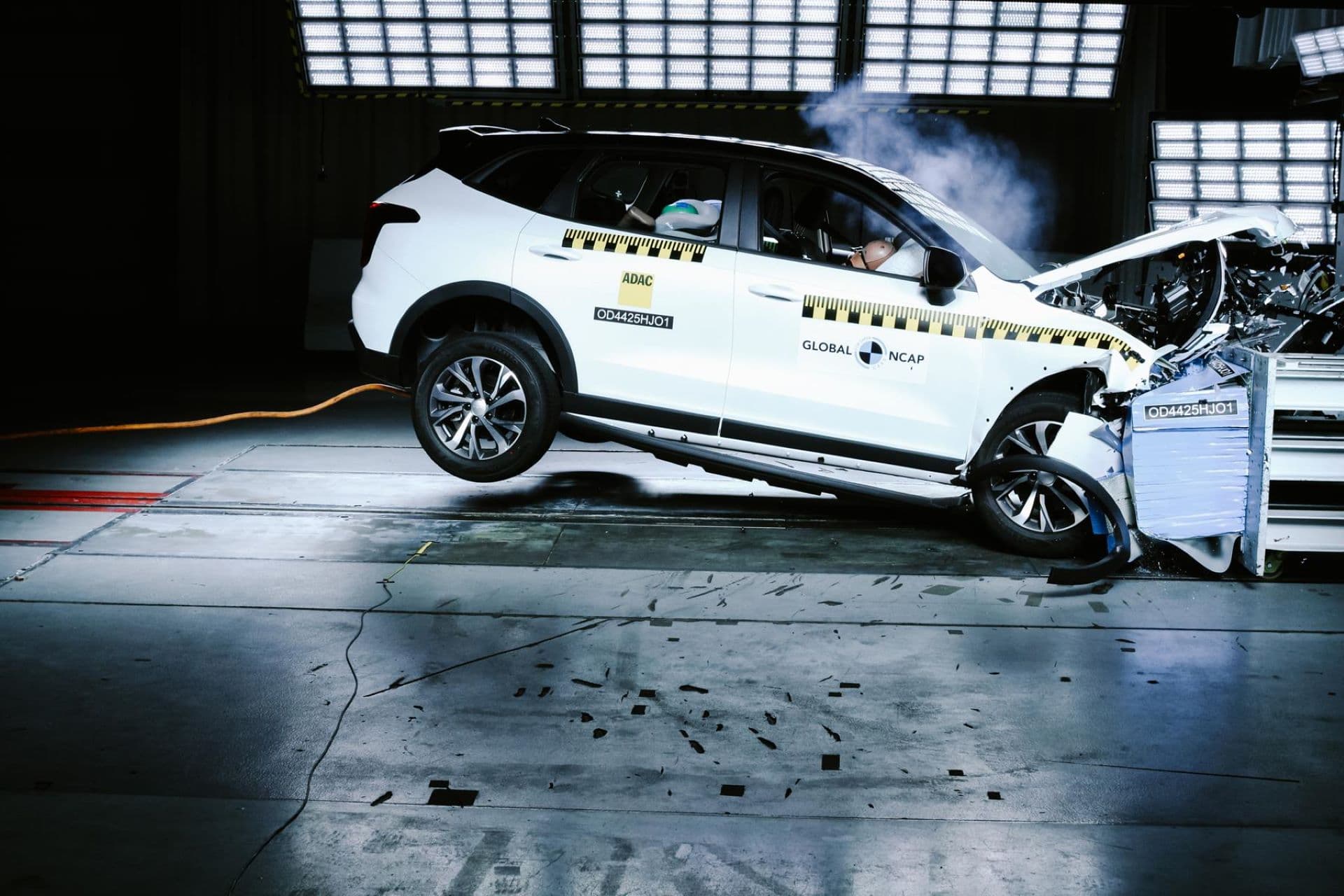
Entry-Level Cars Under Fire in Latest Crash Tests
South Africa’s entry-level cars face scrutiny after GNCAP crash tests reveal poor safety ratings for the Haval Jolion and Kia Sonet, prompting concern.
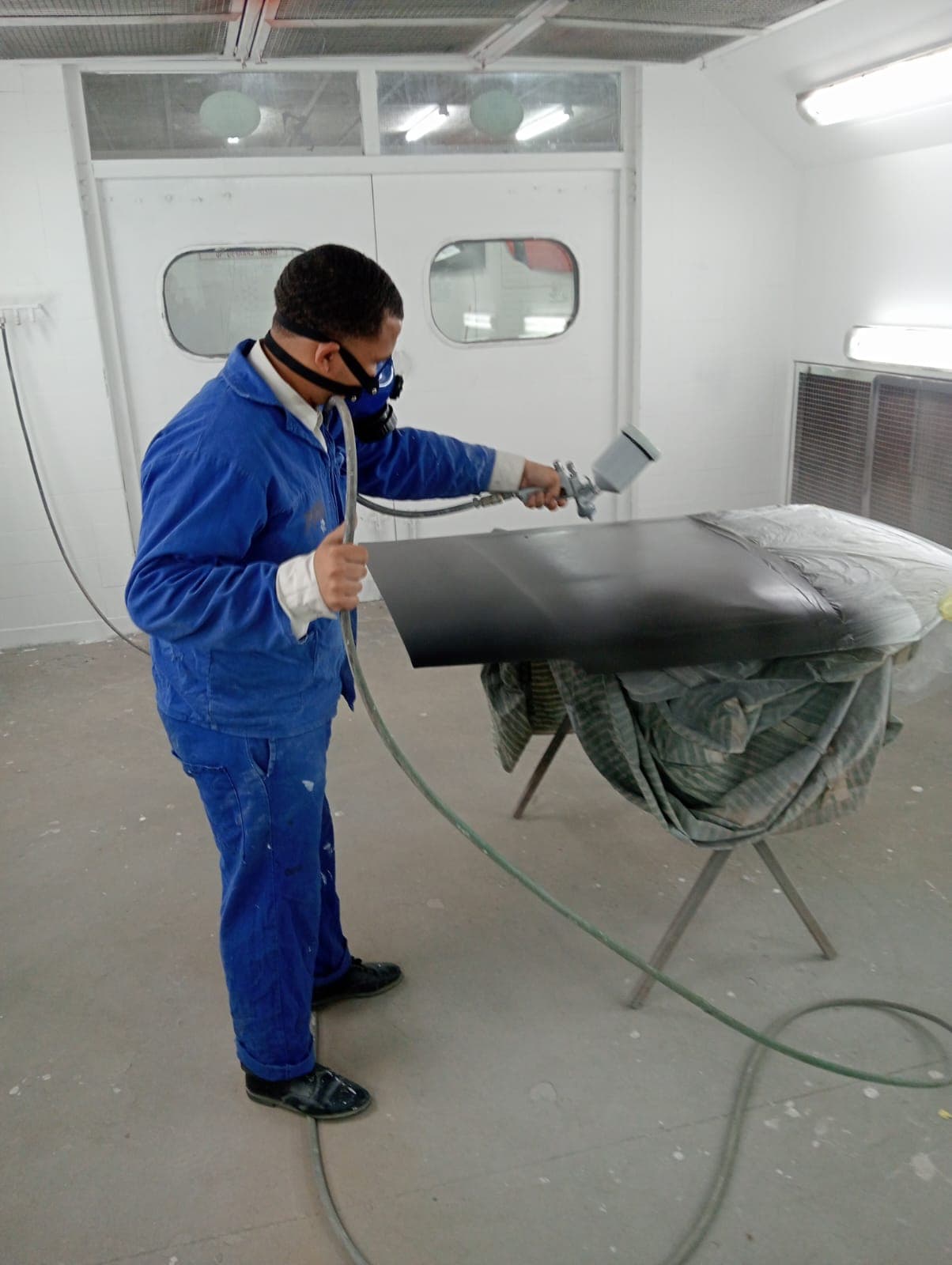
SAMBRA initiative puts young automotive talent in the spotlight
MIWA and SAMBRA host youth automotive competitions in Eastern Cape, offering training, hands-on experience and career pathways for young learners in 2026.
Hella returns to thermal management with long-term aftermarket push
Hella South Africa expands its thermal management range, targeting evolving vehicle technologies with 6,000+ SKUs planned by 2027.
Hino SA Honoured for Aftersales Excellence
Hino South Africa received two global awards for service and parts excellence, reinforcing its leadership in aftersales support.