
Good filler work is not about hiding poor metalwork. It is about following OEM procedures, preparing the substrate properly and applying only what the repair truly needs.
Body filler has been part of collision repair for decades, but modern products are better, lighter and easier to sand than older polyester fillers. Even so, the rule has not changed. Filler is not a shortcut for poor panel straightening. Recent discussion at the Collision Industry Conference stressed that correct filler use starts with good metalwork and a clear process.
The A in ABC is adhesion. Many OEMs now call for epoxy primer over bare metal before filler, especially for corrosion protection. Cleanliness matters just as much. Industry guidance recommends washing, degreasing, sanding the repair area with the correct abrasive, then re-cleaning before any filler is mixed. Applying over contamination, poor prep or the wrong surface profile invites delamination, corrosion and costly comebacks.
The B is build. Mix filler exactly as the manufacturer specifies, using a clean mixing board rather than cardboard or improvised surfaces. Fold it through instead of whipping air into it. Apply a tight first coat to wet out the substrate, then build with thin wet-on-wet layers. Keep filler inside the feather-edged repair area to avoid repair mapping. Thick, cave-to-pave applications trap heat, increase shrinkage risk and often crack later.
The C is control. Control heat, cure time and hand-off quality. Excessive heat can make filler brittle. Sanding too early can break adhesion before the filler has properly cured. Better metal finishing, including glue pull repair in suitable cases, can reduce filler use to a skim coat. Some shops are also exploring UV-cure fillers and primers to reduce rework, but training and buy-in are essential before changing process.
Above all, correct filler use is a discipline, not a product choice. The best results come when body and paint teams share the same standard, quality checks happen before the vehicle moves on, and technicians are trained to follow OEM and product instructions every time. Done properly, filler is not a bodge. It is part of a durable, professional repair.
Staff Writer
Reporting from the front lines of the collision repair industry, delivering expert analysis and the technical updates that drive the African automotive sector forward.
More From News

EU’s New Driver-Warning Rules Put Attention Back on the Road
New European Union safety regulations require all newly registered passenger cars and vans to include driver distraction warning systems, introducing technology aimed at improving road safety while placing strong emphasis on driver privacy.

South Africa’s SEZ Programme Draws R14.8bn as Government Pushes New Industrial Growth Phase
South Africa’s Special Economic Zones programme has generated R14.8 billion in revenue and supported the creation of more than 30,000 jobs, according to Deputy President Paul Mashatile.

American Analysis Finds U.S. Drivers Involved in Collision Every 10 Years
A new analysis by Allstate found that U.S. drivers are involved in a collision on average once every 10.86 years, with crash risk varying significantly between American cities.

Gauteng sharpens its manufacturing skills drive with new Centre of Excellence
Gauteng has relaunched the Gauteng Automotive Learning Centre as the Manufacturing Centre of Excellence to prepare workers for the future of advanced manufacturing and New Energy Vehicle technologies.
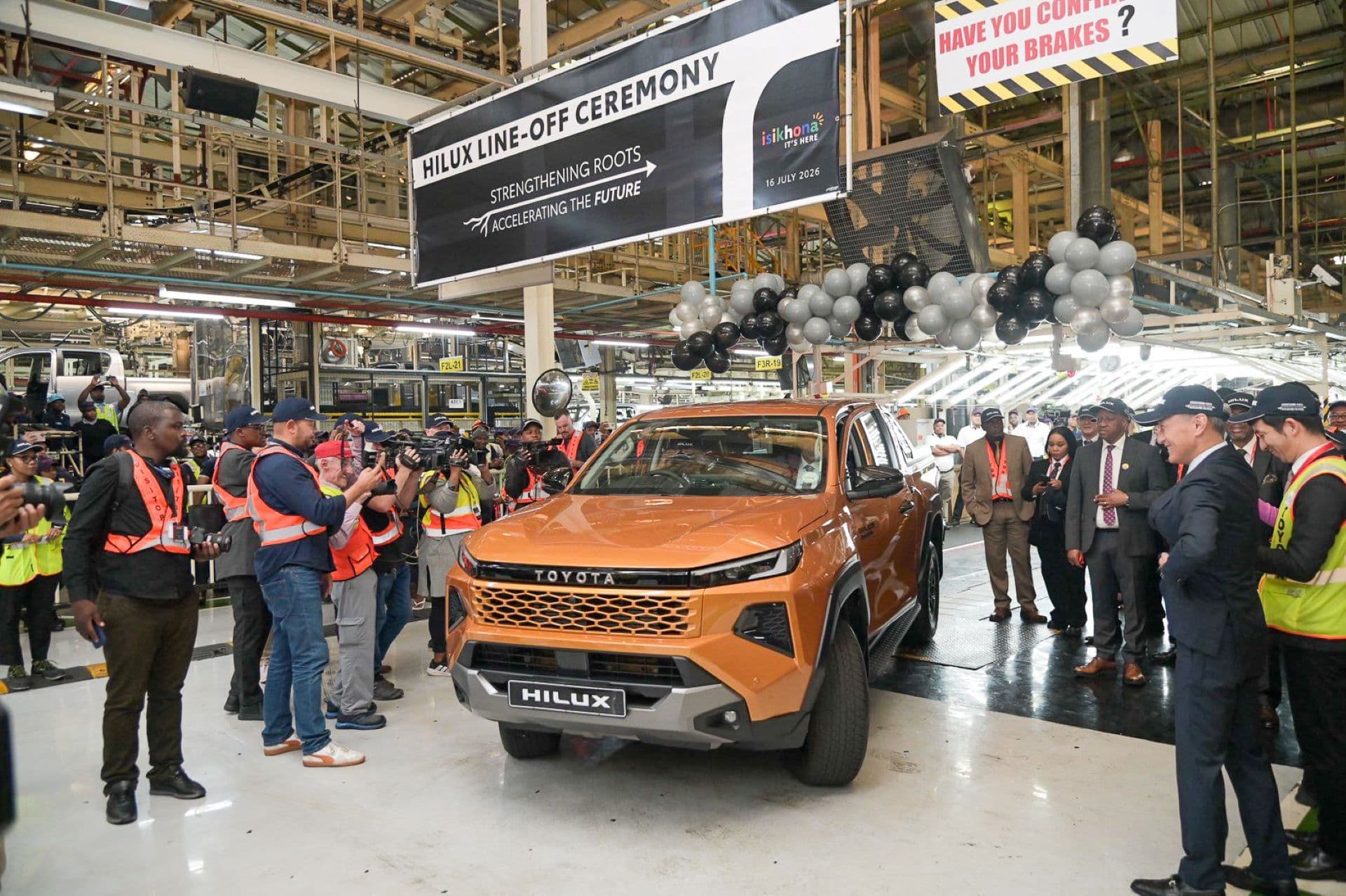
New Era for Prospecton Plant
Toyota’s latest Hilux investment signals renewed confidence in South African manufacturing, strengthening local production, suppliers and long-term industrial competitiveness.

Preparing South Africa’s Workforce for Automotive Change
A joint NAACAM and ILO study warns that South Africa must accelerate skills development to prepare its automotive workforce for the transition to new energy vehicles and advanced manufacturing technologies.