
The Tyre Equipment Parts Association (TEPA), an association of the Retail Motor Industry Organisation (RMI), is making significant strides in the South African tyre sector to tackle the critical skills shortage.
A comprehensive five-year plan has been outlined to modernise and align training programmes with the evolving demands of the sector, ensuring relevance and sustainability for the future.
Angie Frederics, TEPA’s Training Committee leader, explains the challenges driving this initiative. “The South African skills development landscape is undergoing significant changes, with the phasing out of SAQA historical qualifications and their replacement with QCTO (Quality Council for Trades & Occupations) occupational qualifications. While this shift aims to enhance skills training, it has created short-term challenges for Skills Development Providers to enrol new learners into skills programmes.”
The transition deadline for SAQA qualifications was 30 June 2024, yet not all programmes have successfully transitioned to QCTO qualifications. This has left gaps, particularly in critical programmes such as automotive servicing and tyre sales, which are yet to be registered under the QCTO framework.

The Current Situation
For now, Skills Development Providers can only offer two approved programmes under SAQA’s extended qualifications:
However, several key skills programmes, including automotive component diagnostics, tyre and parts sales, and divisional management, remain unavailable until their QCTO counterparts are registered. This has delayed the rollout of much-needed training for new entrants and professionals seeking to upskill.
TEPA’s Five-Year Plan
To address these challenges and establish a sustainable skills pipeline, TEPA has outlined a structured five-year plan:
The Road Ahead
Frederics emphasises the importance of industry collaboration: “The success of this plan hinges on collective action. TEPA is committed to working with all stakeholders, including merSETA and training providers, to ensure we meet the industry’s skills demands while fostering inclusivity and growth.”
While the challenges are significant, the industry’s commitment to innovation and collaboration provides hope for a more sustainable and skilled workforce. As the five-year plan progresses, TEPA aims to position South Africa’s tyre sector as a leader in training and development, ensuring a brighter future for both businesses and professionals.
Staff Writer
Reporting from the front lines of the collision repair industry, delivering expert analysis and the technical updates that drive the African automotive sector forward.
More From Training
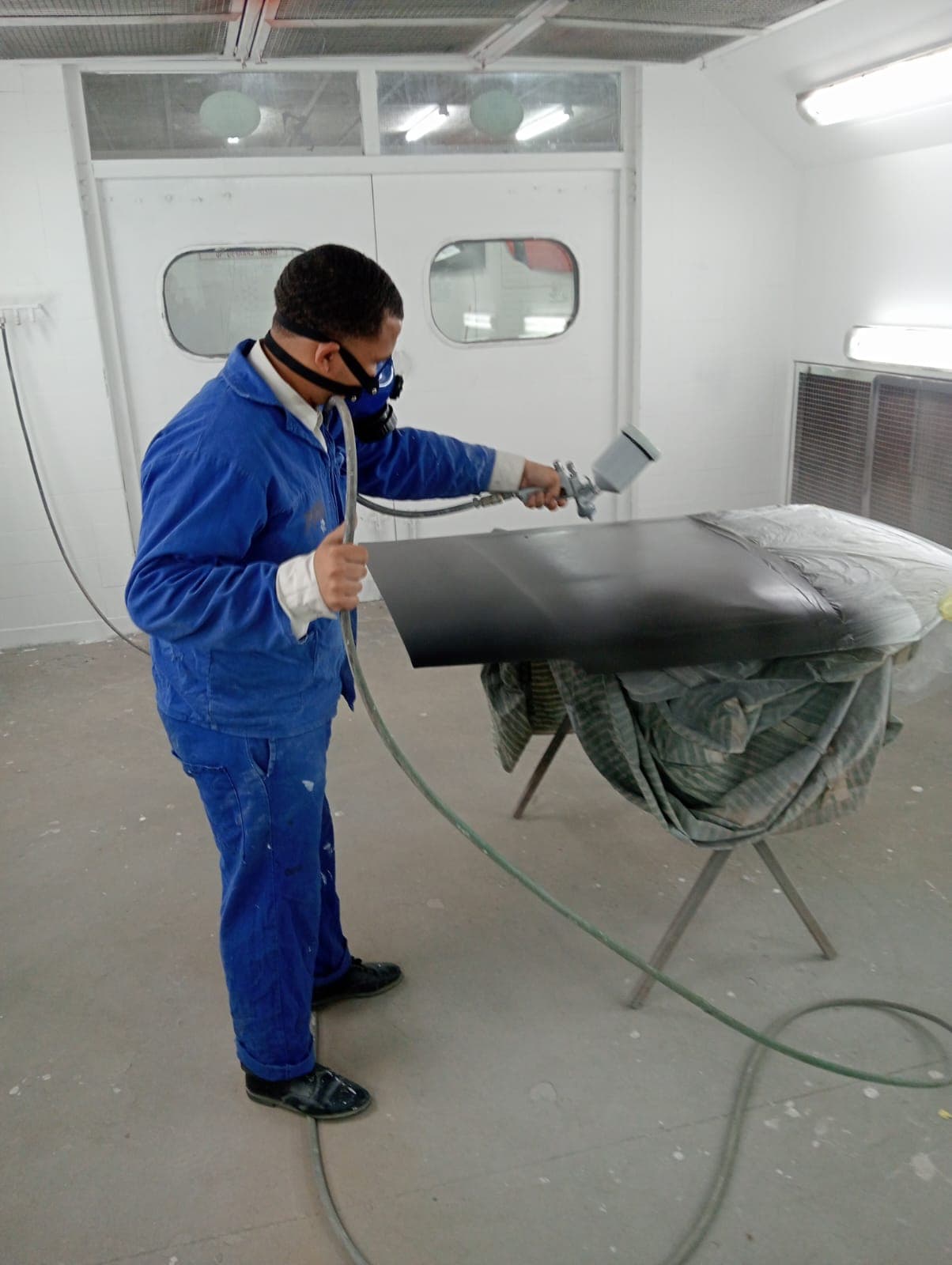
SAMBRA initiative puts young automotive talent in the spotlight
MIWA and SAMBRA host youth automotive competitions in Eastern Cape, offering training, hands-on experience and career pathways for young learners in 2026.
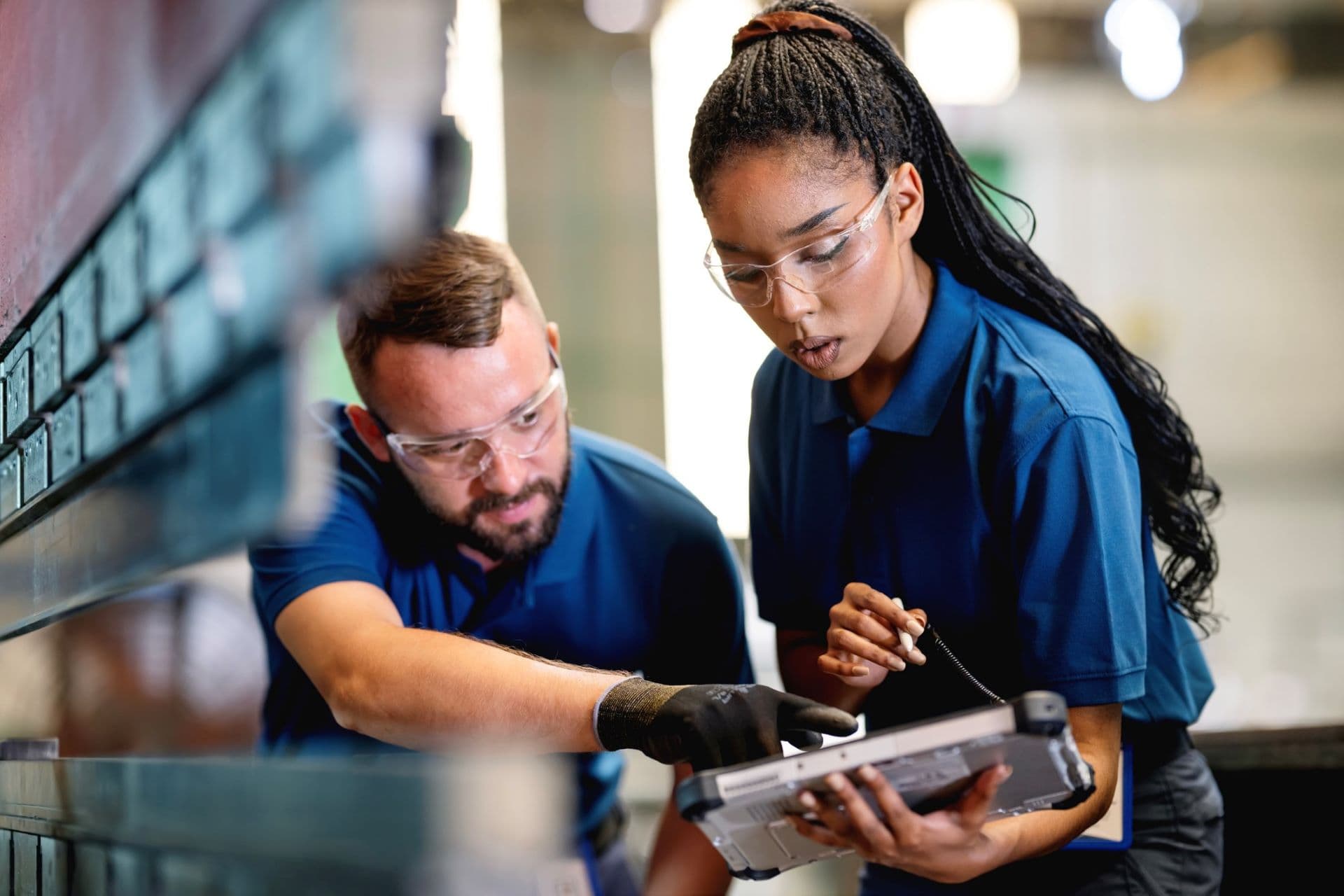
Automotive Retail: A Hidden Gateway to Youth Employability
NADA urges South Africa to rethink graduate unemployment, highlighting dealerships as dynamic learning hubs building real-world skills and careers.

Training Tomorrow’s Technicians
Hyundai and Motus launch a training academy in Pinetown to develop 2,000+ students annually in EV, diagnostics and advanced automotive skills in South Africa

The ABC of Correct Filler Use in Collision Repair
Correct body filler use relies on OEM procedures, proper surface preparation and controlled application to prevent corrosion, cracking and failure.

Hyundai’s Youth Learnership Draws Unprecedented Interest
Hyundai SA receives 33,000 YES programme applications, highlighting youth unemployment and demand for digital-first job opportunities.
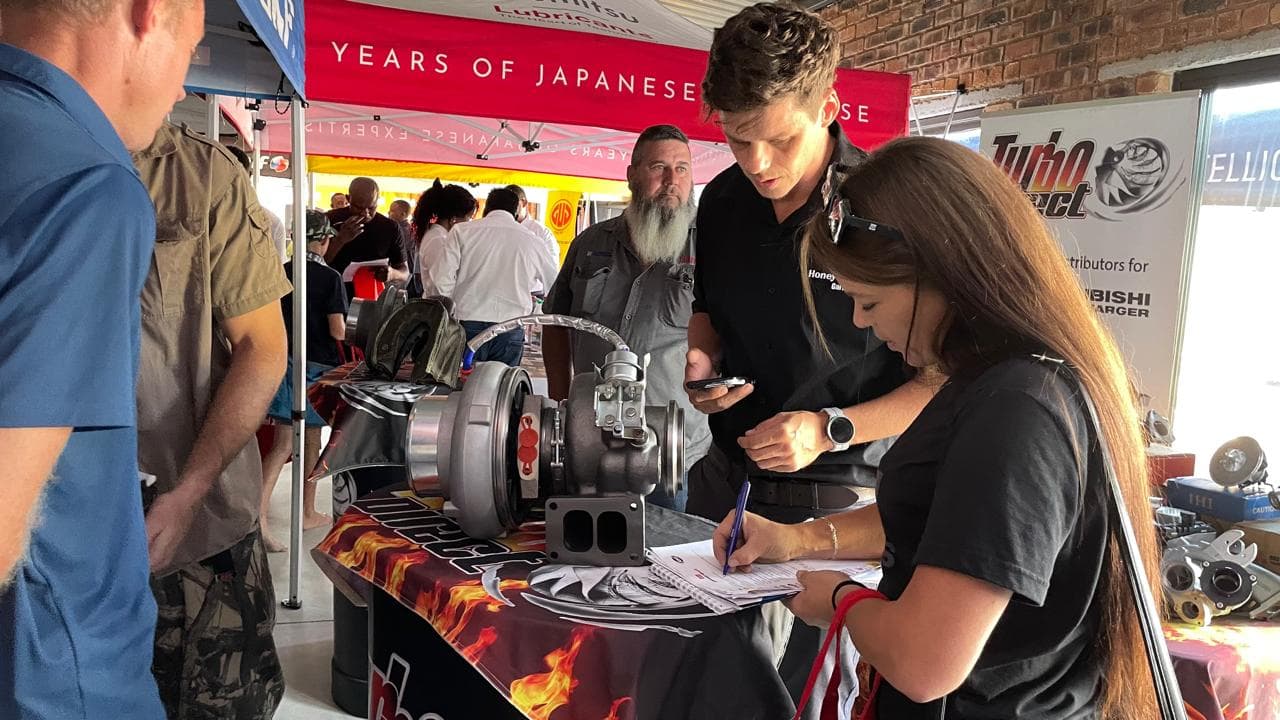
SpannerTorque Roadshow Boosts Workshop Know-how and Backs Young Talent
MIWA’s SpannerTorque Festival equips workshops with skills and inspires young talent, addressing South Africa’s growing automotive skills gap.