
Stellantis and Bolt have signed a major partnership to work together on Level 4 autonomous vehicles with the aim of bringing driverless mobility to European cities. The agreement signals a clear intention by both companies to speed up the development and deployment of fully autonomous vehicles for shared transport, using Stellantis technology and the Bolt mobility platform.
Bolt is an Estonian based global mobility operator that runs services in more than 600 cities across over 50 countries. Its offering ranges from ride hailing and micromobility to food and grocery delivery. The company has more than 200 million customers and intends to integrate autonomous vehicles into its existing services once the technology reaches commercial readiness.
The collaboration rests on Stellantis AV Ready Platforms, including the eK0 medium size van and the STLA Small platform. These platforms have been designed for scalability and cost efficiency and include a full sensor suite, high performance computing and built in redundancies. Stellantis believes this engineering approach offers operators one of the most competitive solutions available.

Both companies expect to begin real world testing in Europe from 2026. The intention is to phase in the technology gradually, starting with prototypes and pilot fleets before moving to volume production. Initial industrial scale up is targeted for 2029. Throughout the process both partners will work with European regulators to ensure compliance with safety, cybersecurity and data protection requirements.
Stellantis CEO Antonio Filosa said the platforms were created to offer flexibility and to provide the best possible experience for European customers. Bolt founder Markus Villig said the partnership brings together companies that understand the specific needs of Europe and can tailor an autonomous service that millions of people will be able to use.
Staff Writer
Reporting from the front lines of the collision repair industry, delivering expert analysis and the technical updates that drive the African automotive sector forward.
More From News

Must Read: Competition Case in Botswana Could Reshape the Regional Repair Market
A Botswana competition case could influence insurer-repairer relationships and reshape vehicle repair markets across Southern Africa.

What drivers should look for when collecting a vehicle after collision repairs
Experts from South African Motor Body Repairers' Association explain how motorists can inspect their vehicle after collision repairs, covering panel gaps, paint finish and functionality checks.
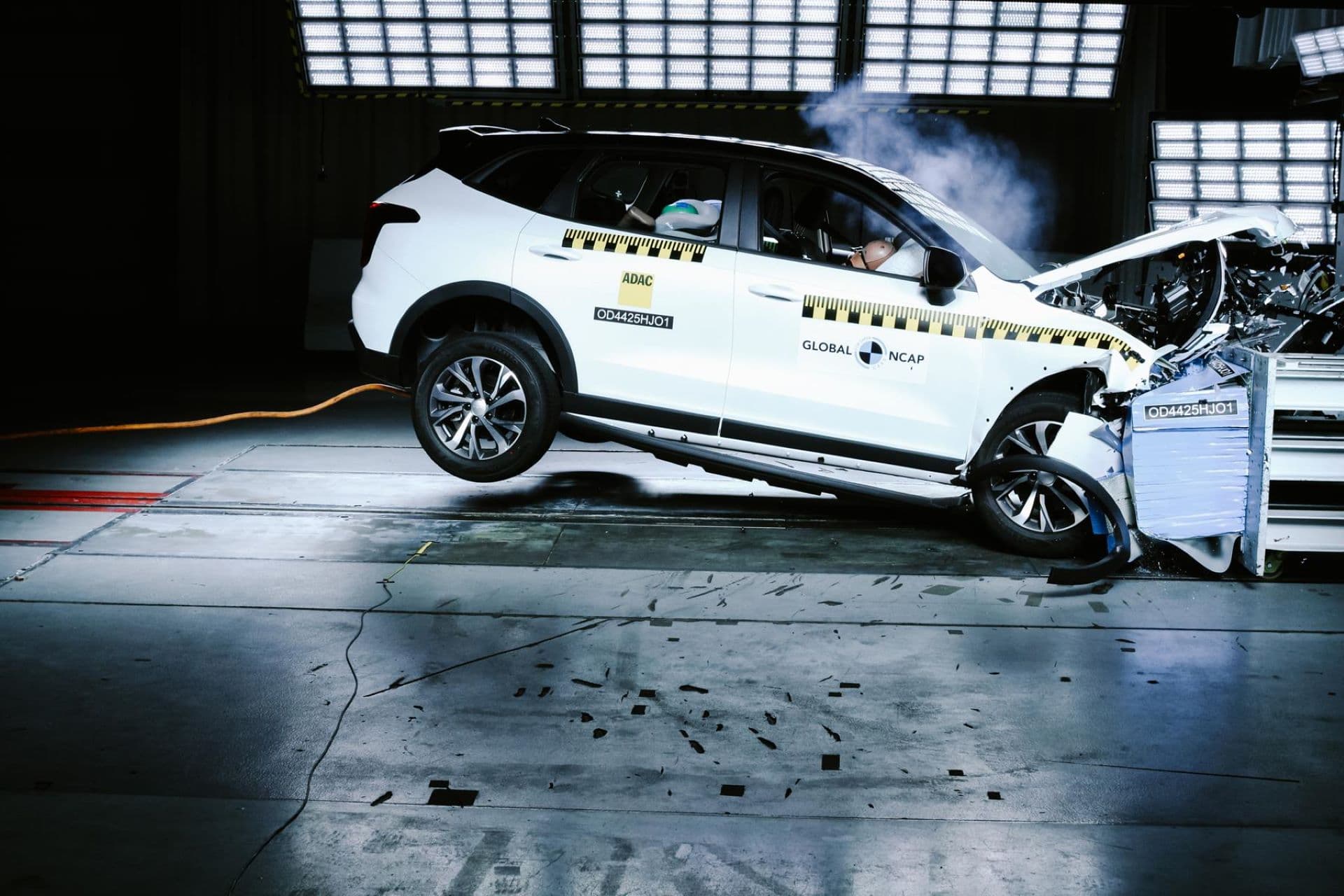
Entry-Level Cars Under Fire in Latest Crash Tests
South Africa’s entry-level cars face scrutiny after GNCAP crash tests reveal poor safety ratings for the Haval Jolion and Kia Sonet, prompting concern.
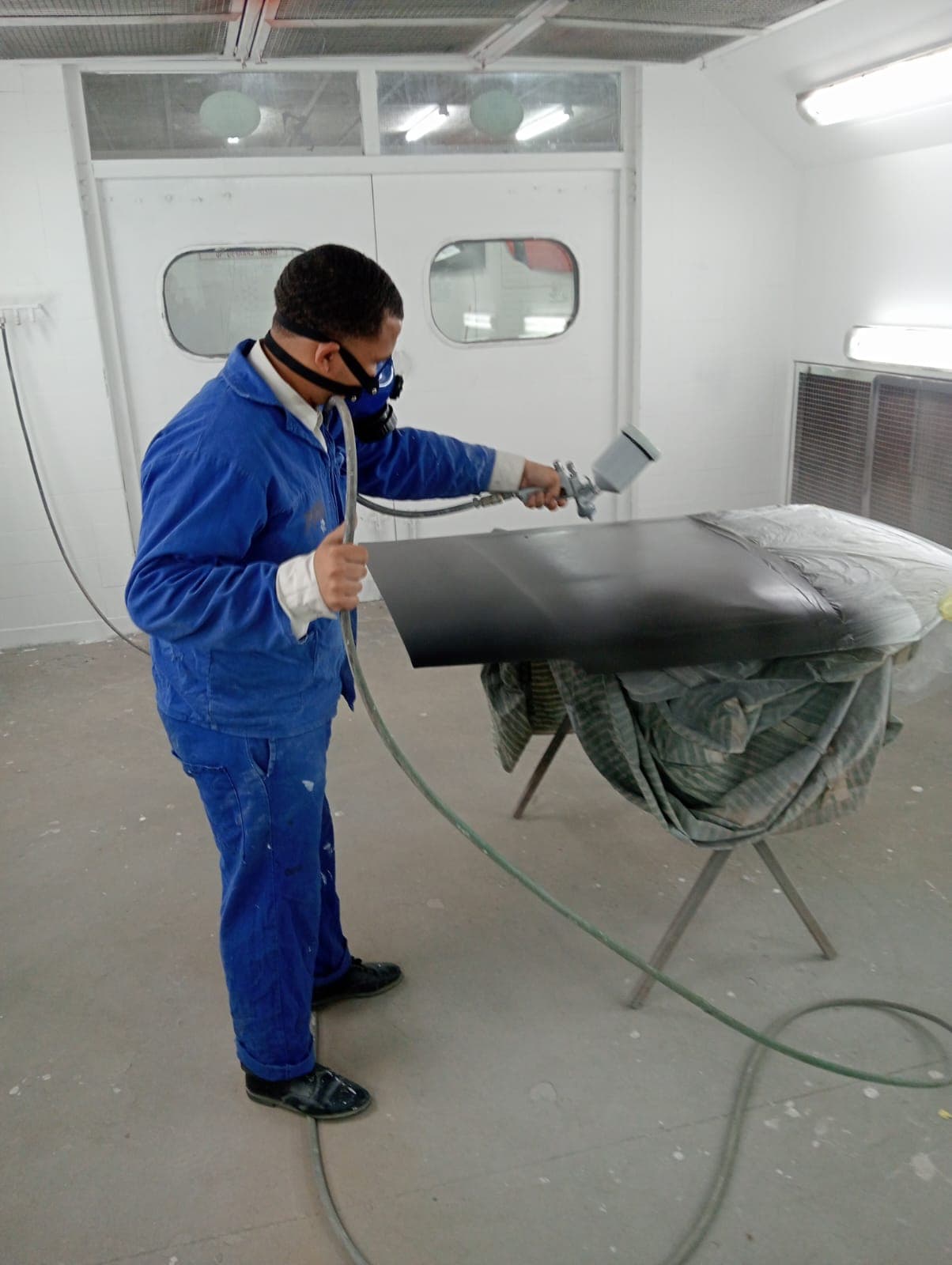
SAMBRA initiative puts young automotive talent in the spotlight
MIWA and SAMBRA host youth automotive competitions in Eastern Cape, offering training, hands-on experience and career pathways for young learners in 2026.
Hella returns to thermal management with long-term aftermarket push
Hella South Africa expands its thermal management range, targeting evolving vehicle technologies with 6,000+ SKUs planned by 2027.
Hino SA Honoured for Aftersales Excellence
Hino South Africa received two global awards for service and parts excellence, reinforcing its leadership in aftersales support.