
The South African Motor Body Repairers' Association (SAMBRA) has called on insurers to adopt more consistent support measures as volatile fuel prices continue to place heavy pressure on the motor body repair sector.
While some insurers have introduced relief to help repairers manage the impact of rising diesel costs, SAMBRA says the response across the market remains uneven. As a result, many workshops are still carrying the burden of higher operating expenses without adequate compensation.
Fuel is a major cost driver for repair businesses. It affects a wide range of daily activities, including collecting and delivering vehicles, transporting parts, conducting mobile assessments and maintaining customer service commitments. When fuel prices rise sharply, these expenses are felt immediately at workshop level.
Although repair pricing systems such as Audatex are adjusted periodically to account for changes in input costs, SAMBRA says these updates do not always reflect sudden fuel increases quickly enough. This creates further pressure in an industry already operating on tight margins.
SAMBRA National Director Juan Hanekom says the steps taken by certain insurers are welcome, but the lack of uniformity is creating an unequal operating environment.
"We appreciate that some insurers have recognised the impact of fuel increases and have responded in a constructive way," says Hanekom. "However, the fact that this support is not applied consistently across the industry remains a concern."
According to SAMBRA, practical mechanisms such as per-job fuel contributions can be implemented within existing insurer processes and have already shown value where they are in place. However, limited adoption means that many repairers continue to absorb costs that are becoming increasingly difficult to sustain.
"When these measures are available, they make a real difference," says Hanekom. "Where they are not, repairers are left exposed to costs that directly affect their ability to operate efficiently and sustainably."
The association says fuel increases are only one part of a broader cost challenge facing the sector. Rising electricity tariffs, wage increases, parts inflation and supply chain disruptions are all adding to the strain on repair businesses.
Hanekom warns that continued cost pressure could affect workshop capacity, repair turnaround times and confidence in future investment.
"This is not only about short-term cost recovery," he says. "It is about the long-term health of a sector that plays an essential role in the broader claims environment."
SAMBRA says a financially stable repair sector benefits insurers, original equipment manufacturers and motorists alike. Repairers are responsible for ensuring that vehicles are restored safely and to the required standard, making their sustainability important to the entire motor claims ecosystem.
The association, which forms part of the Retail Motor Industry Organisation, is urging insurers to move away from fragmented responses and towards a more structured approach to fuel-related relief.
"There is already evidence that these solutions can work," says Hanekom. "What is needed now is broader and more consistent adoption. Without that, the industry risks creating a two-tier system in which some repairers receive support while others are left behind."
SAMBRA says it will continue engaging with insurers and other stakeholders in the claims value chain to encourage practical, fair and sustainable solutions to ongoing input cost volatility.
Staff Writer
Reporting from the front lines of the collision repair industry, delivering expert analysis and the technical updates that drive the African automotive sector forward.
More From Industry
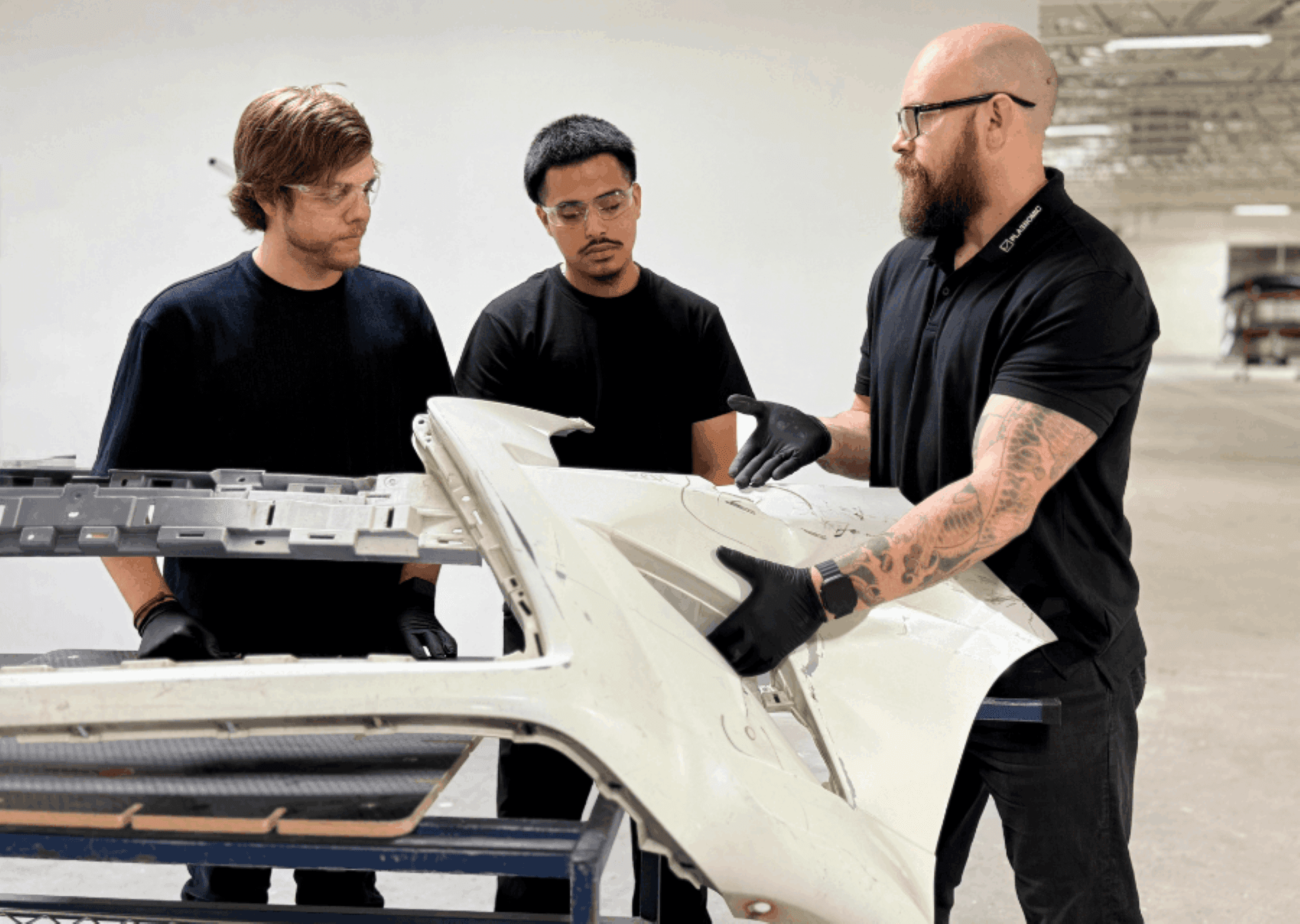
Plasnomics to Launch Global Benchmark Plastic Repair Centre in US, No Plans for South Africa
Plasnomics will open its first Plastic Repair Excellence Centre in Dallas, Texas, as the company develops a global repair-first model for automotive plastics, although there are currently no plans for a similar facility in South Africa.

Rising Vehicle Technology is Changing the Repair Landscape in South Africa
South Africa’s vehicle repair sector is facing increasing complexity as advanced driver assistance systems and digital technologies become standard across the car parc, reshaping workshop requirements and repair processes.

EU Backs Tougher Circular Economy Rules for Cars
The European Parliament has approved new circular economy regulations that will require vehicle manufacturers to improve recyclability, increase recycled material use and strengthen end-of-life vehicle responsibility.
US Counterfeit Airbag Verdict Highlights Growing Vehicle Safety Crisis
A Florida jury has awarded more than $600 million to the family of a young mother killed by a counterfeit airbag, drawing renewed attention to the dangers posed by fake vehicle safety components entering the repair market.

Must Read: Competition Case in Botswana Could Reshape the Regional Repair Market
A Botswana competition case could influence insurer-repairer relationships and reshape vehicle repair markets across Southern Africa.

New VP at BASF Global Automotive Refinish Coatings Announced
BASF Coatings appoints Steve Arndt as Senior VP of Global Automotive Refinish Coatings, succeeding Chris Titmarsh in July 2026.