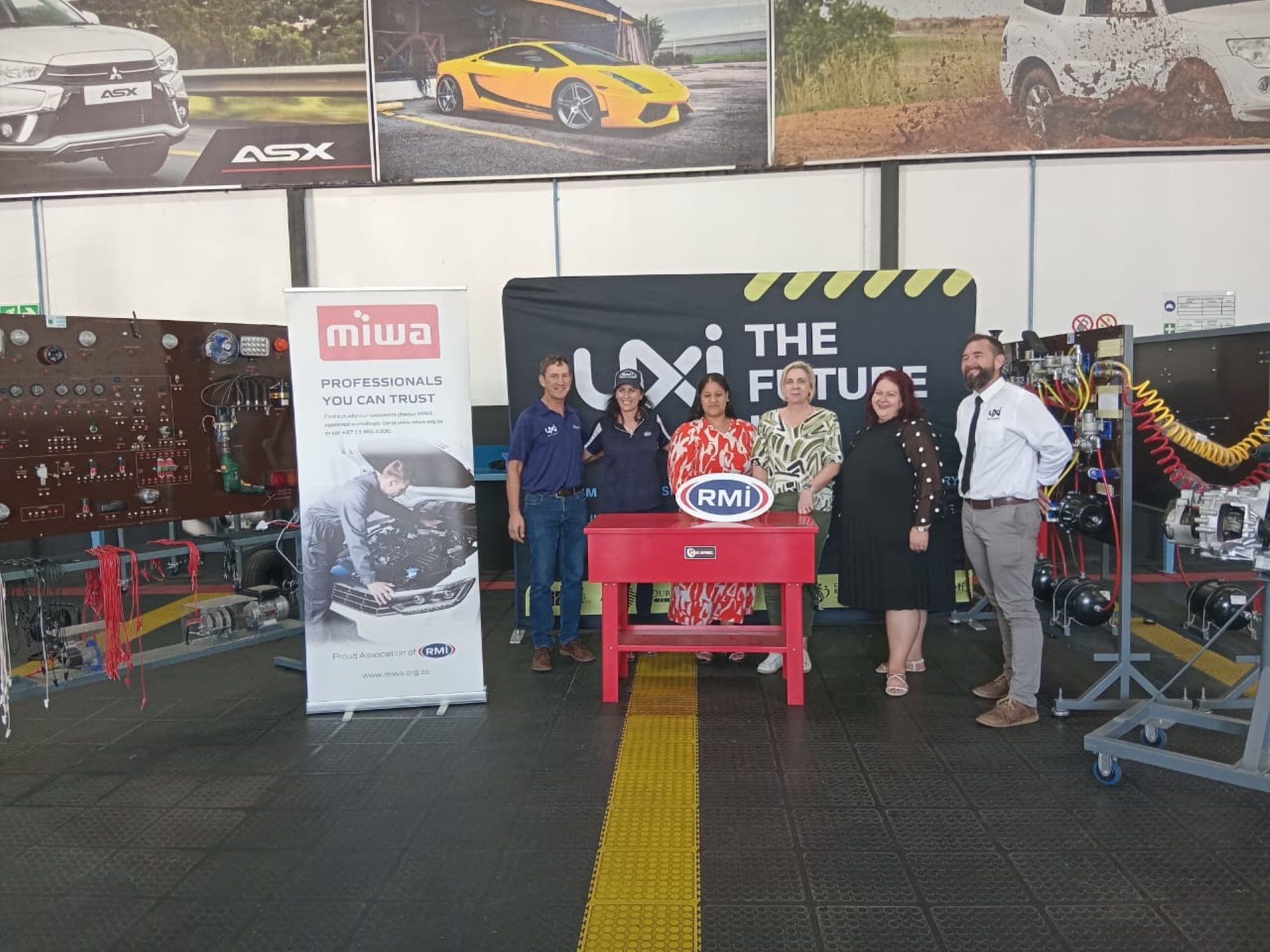
The Retail Motor Industry Organisation (RMI) is making significant strides in addressing critical skills shortages in the automotive aftermarket sector.
Following the landmark R23.5 million funding secured from merSETA last year, the organisation’s ambitious short skills training programme is now well underway, with over 1,575 learners actively participating across five RMI regions.
Louis van Huyssteen, RMI National Training Director, confirms that the initiative is progressing smoothly, thanks to the collaboration between RMI, its employer members, and key training partners - ECS-BCS, KATS, and UXI. “This programme is not just about closing skills gaps; it’s about equipping learners with practical, job-ready expertise that directly benefits the industry,” he says.
In the Western Cape and Eastern Cape, over 150 learners have already been nominated by employer members, working closely with UXI’s campuses in Cape Town and Gqeberha. Pieter Niemand, MIWA National Director, highlights the impact of these regional efforts saying, “Our focus is on ensuring that the training aligns with real-world automotive needs. The response from employers has been fantastic, reinforcing the industry’s commitment to developing a skilled workforce.”
The initiative has not been without its challenges, including delays in learner registrations due to rigorous compliance requirements. However, with careful planning, ongoing oversight, and strong employer engagement, the programme is on track to meet its ambitious targets.
Van Huyssteen emphasises the importance of employer involvement in mentoring and guiding learners. “While the training providers deliver the technical skills, success ultimately depends on workplace support. Encouraging attendance, providing feedback, and assisting with assignments are key factors in ensuring that learners gain the full benefit of this opportunity.”
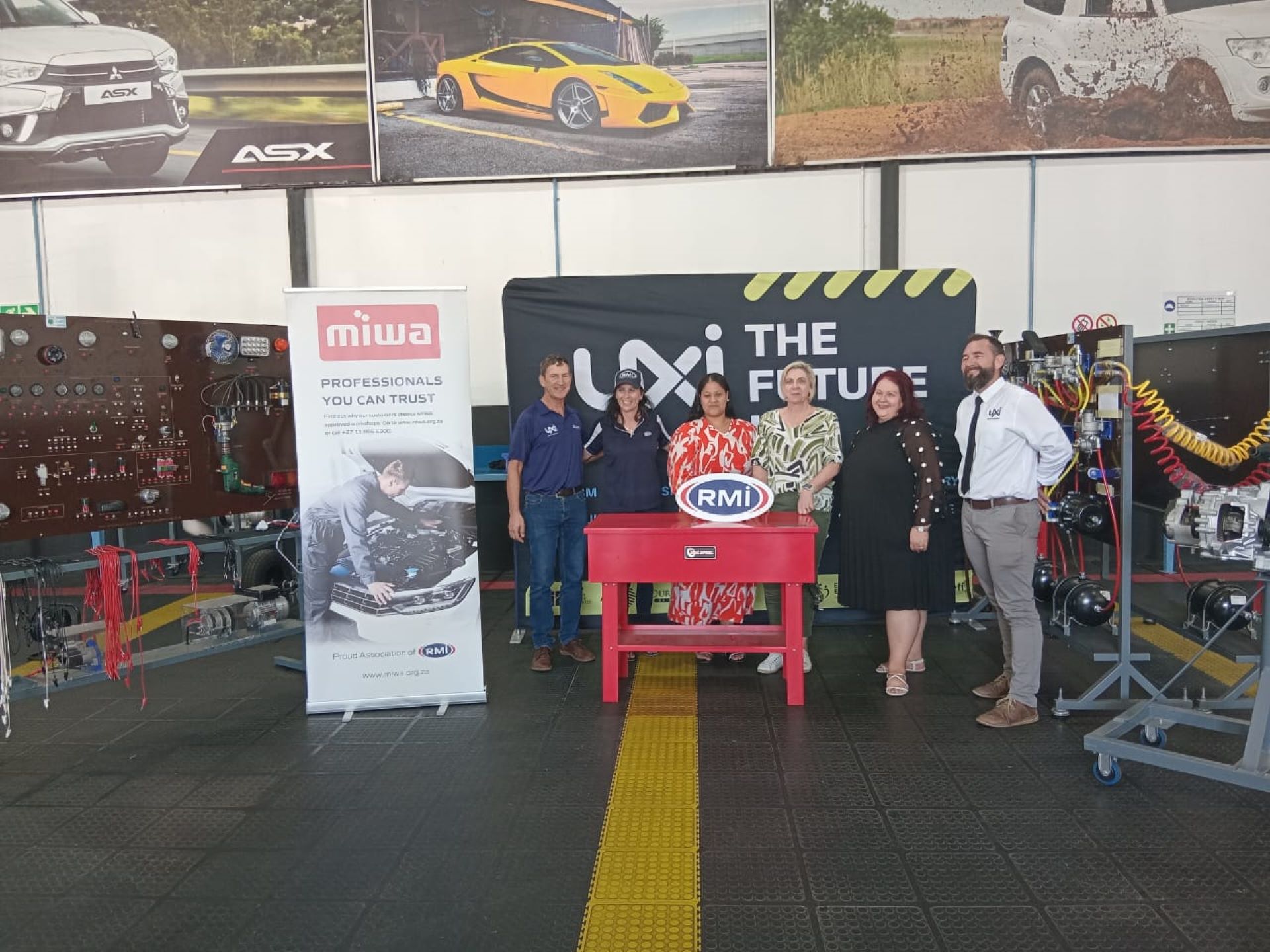
Andrea Bogner, Chairlady of the MIWA National Training Committee and owner of a proud woman-led 5-Star RMI MIWA workshop herself concurs and has even gone as far as enrolling both herself and her staff in the programme.
“Training is a challenge for small independent workshops and being short-staffed for even a few days can be stressful. However, investing in skills development benefits everyone. It enhances confidence, efficiency, and expertise, leading to faster, higher-quality repairs, increased profitability, and improved customer satisfaction,” she says.
Bogner appreciates change and growth can be uncomfortable, but believes it is always worth it. “Three of my technicians have already completed their training in Automotive Electrical and Diagnostics,and seeing their pride in their achievements has been incredibly rewarding. I encourage all workshops to invest in their teams because a skilled workforce is the key to success!”
Van Huyssteen says an addition to the programme this year was the introduction of a fully online option from KATS for two of the short skills programmes namely Service Advisor and Parts Sales. “This option was enthusiastically scooped up by over 100 SAMBRA members in the motor body repair sector. Success in training - whether through ECS’s fully physical model, UXI’s blended learning, or KATS’s fully online courses - relies on active workplace support. Encouraging attendance, giving feedback, and assisting with assignments help learners fully engage and apply their knowledge effectively.”
With the continued rollout of this initiative, RMI remains committed to strengthening South Africa’s automotive workforce, ensuring the sector’s long-term sustainability and growth.
Staff Writer
Reporting from the front lines of the collision repair industry, delivering expert analysis and the technical updates that drive the African automotive sector forward.
More From Training
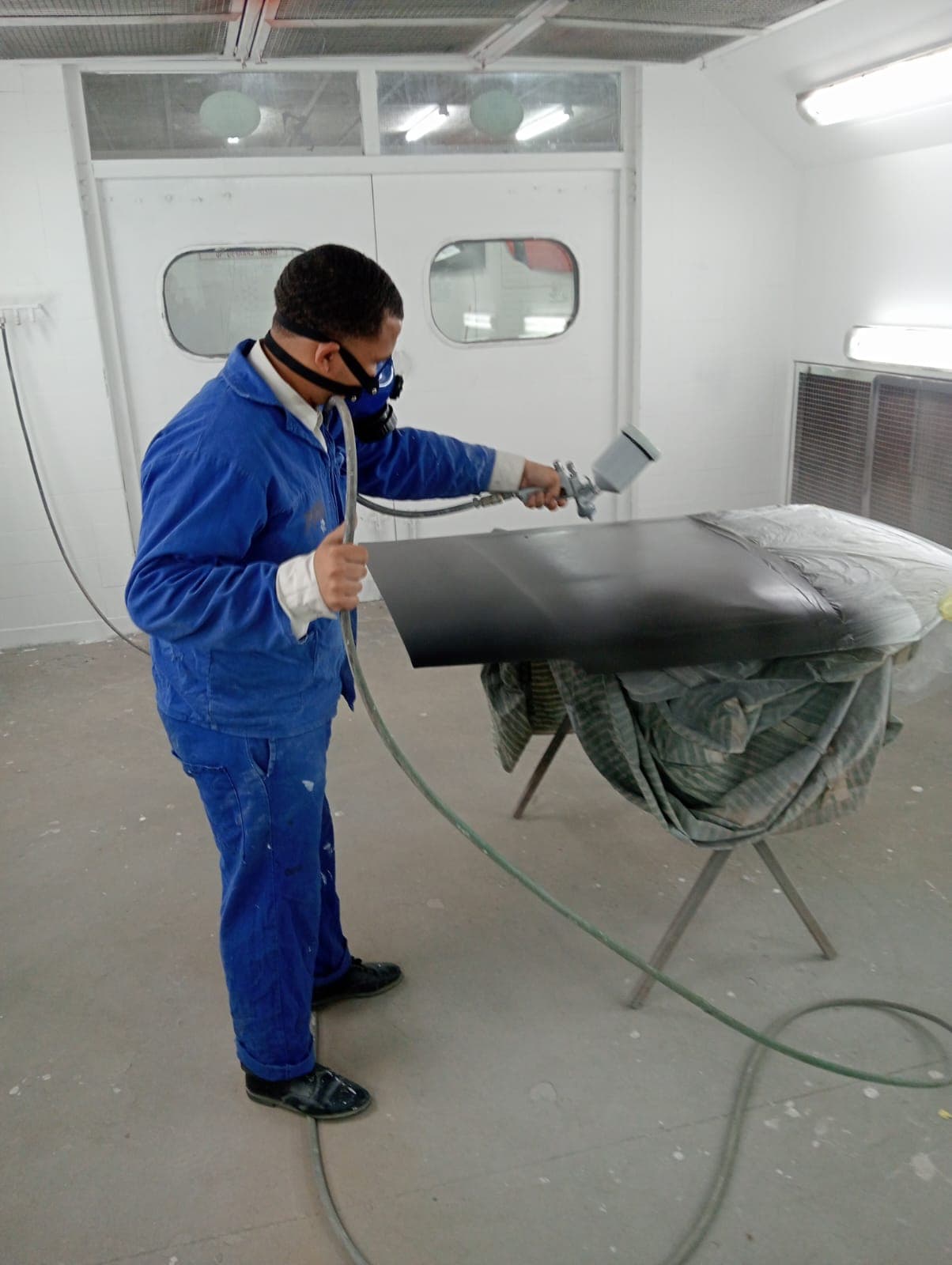
SAMBRA initiative puts young automotive talent in the spotlight
MIWA and SAMBRA host youth automotive competitions in Eastern Cape, offering training, hands-on experience and career pathways for young learners in 2026.
Automotive Retail: A Hidden Gateway to Youth Employability
NADA urges South Africa to rethink graduate unemployment, highlighting dealerships as dynamic learning hubs building real-world skills and careers.
Training Tomorrow’s Technicians
Hyundai and Motus launch a training academy in Pinetown to develop 2,000+ students annually in EV, diagnostics and advanced automotive skills in South Africa

The ABC of Correct Filler Use in Collision Repair
Correct body filler use relies on OEM procedures, proper surface preparation and controlled application to prevent corrosion, cracking and failure.

Hyundai’s Youth Learnership Draws Unprecedented Interest
Hyundai SA receives 33,000 YES programme applications, highlighting youth unemployment and demand for digital-first job opportunities.
SpannerTorque Roadshow Boosts Workshop Know-how and Backs Young Talent
MIWA’s SpannerTorque Festival equips workshops with skills and inspires young talent, addressing South Africa’s growing automotive skills gap.