
The Retail Motor Industry Organisation (RMI) has commended The Department of Higher Education and Training (DHET) for establishing a National Register of Artisans to formalise South Africa’s skilled workforce.
The National Artisan Development Support Centre (NADSC) is facilitating this no-cost registration process, ensuring artisans are officially recognised within their trade.
The RMI encourages all skilled tradespeople to register on the portal. Louis van Huyssteen, RMI National Training Director says the RMI supports this initiative, as it is essential to understand exactly where apprentice training efforts should be focused.
“A decline in registered qualified artisans between 2014 and 2024 highlights the need for structured intervention,” says van Huyssteen.
The table below shows the decline in key automotive aftermarket trades:

The National Register of Artisans aims to uphold industry standards and professional credibility and provides a structured system to ensure artisans meet nationally recognised competency levels. “By registering, artisans become part of a formalised network that supports industry regulation and development,” he says.
Interested artisans can either register as a Qualified Artisan (holds a trade test certificate but may not be actively working in the field); a Practicing Artisan (Actively working in their trade, utilising necessary tools and techniques) or a Foreign National Artisan (Qualified outside South Africa, requiring SAQA verification and proper work permits).
By supporting the National Register of Artisans, the RMI reaffirms its commitment to strengthening South Africa’s skilled workforce and ensuring a sustainable future for the automotive aftermarket. Formal recognition of artisans not only enhances career prospects but also raises industry standards and contributes to economic growth. “We urge all artisans to take advantage of this opportunity and secure their place in a structured, professional network,” concludes van Huyssteen.
Staff Writer
Reporting from the front lines of the collision repair industry, delivering expert analysis and the technical updates that drive the African automotive sector forward.
More From Training
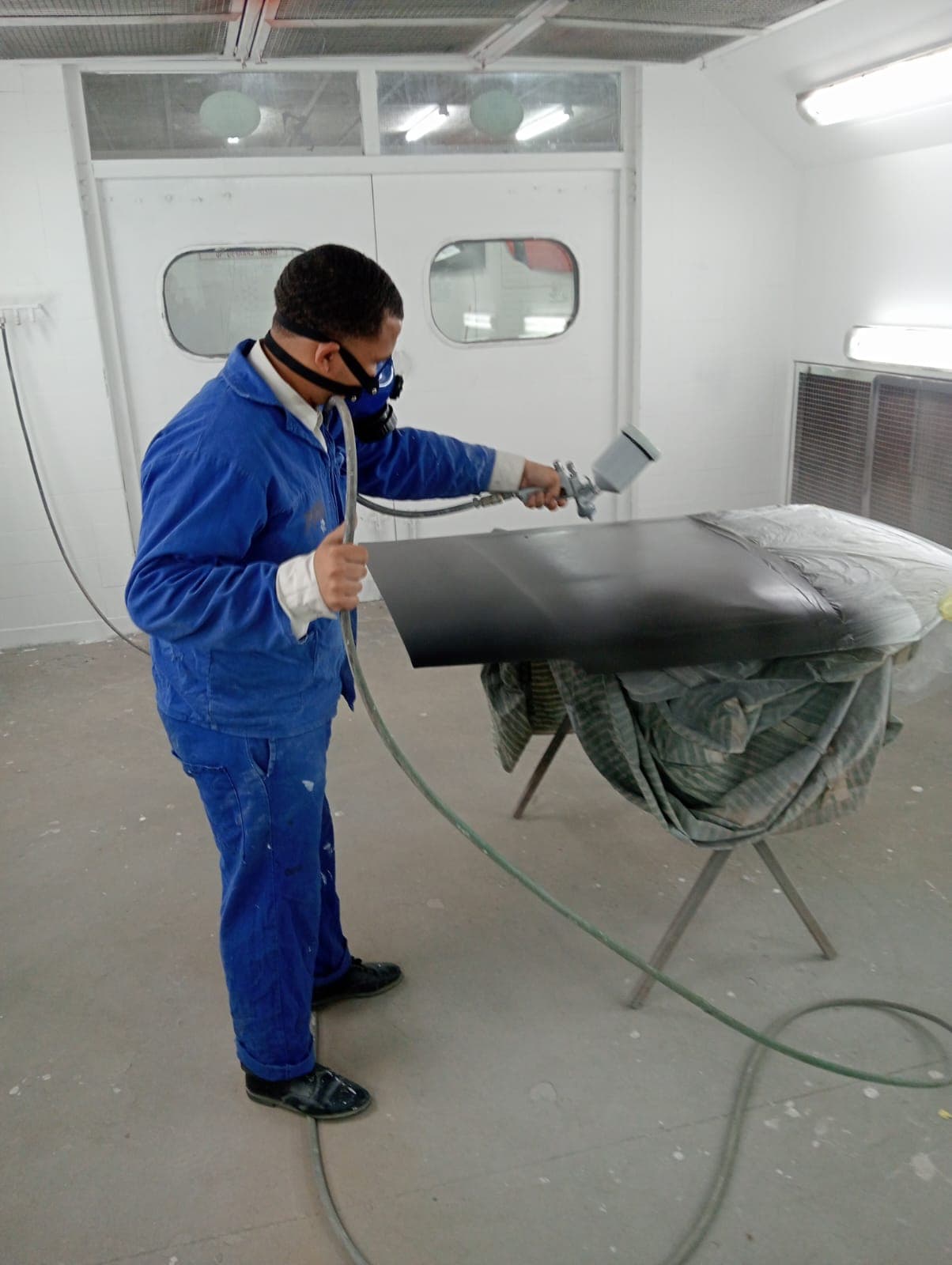
SAMBRA initiative puts young automotive talent in the spotlight
MIWA and SAMBRA host youth automotive competitions in Eastern Cape, offering training, hands-on experience and career pathways for young learners in 2026.
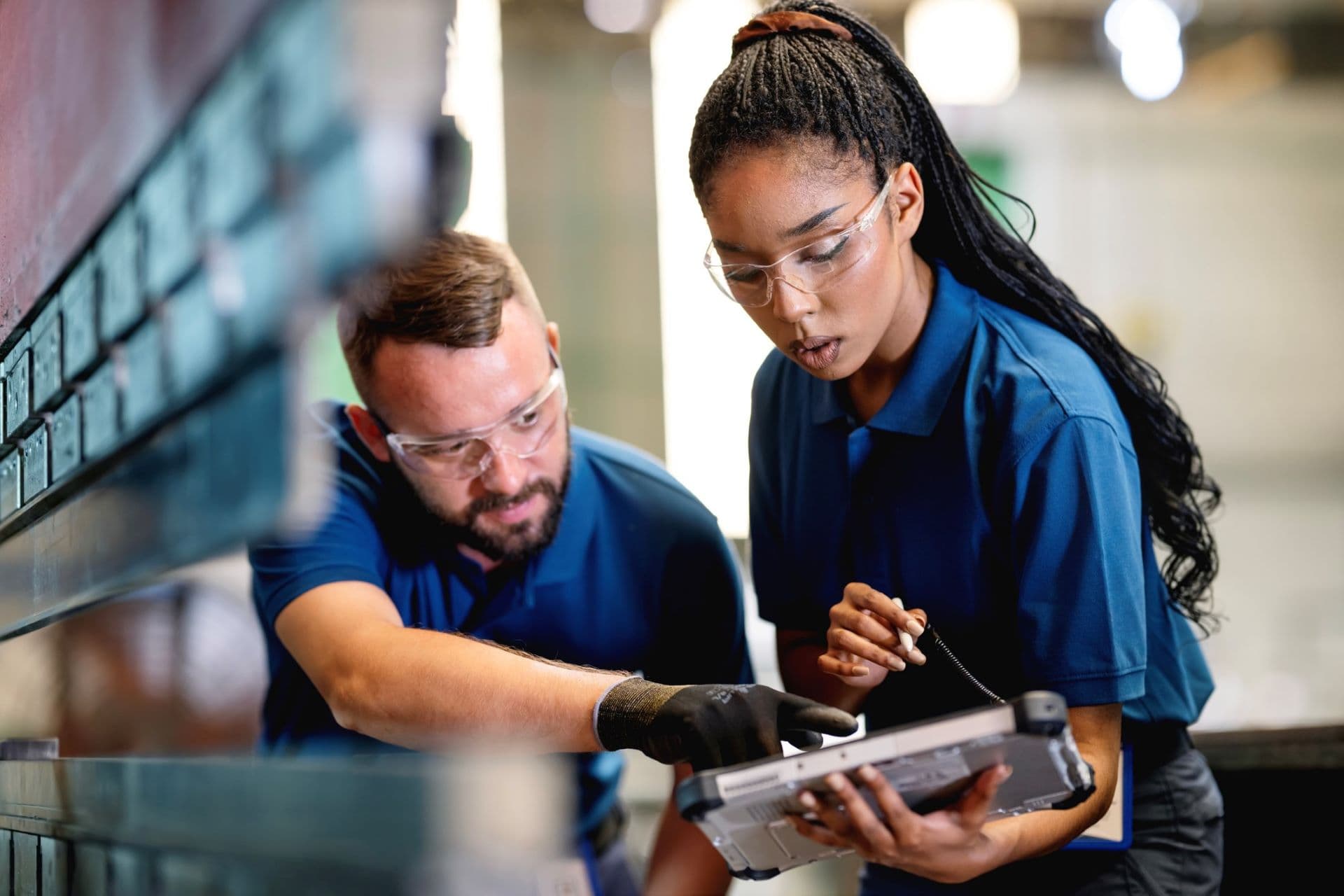
Automotive Retail: A Hidden Gateway to Youth Employability
NADA urges South Africa to rethink graduate unemployment, highlighting dealerships as dynamic learning hubs building real-world skills and careers.

Training Tomorrow’s Technicians
Hyundai and Motus launch a training academy in Pinetown to develop 2,000+ students annually in EV, diagnostics and advanced automotive skills in South Africa
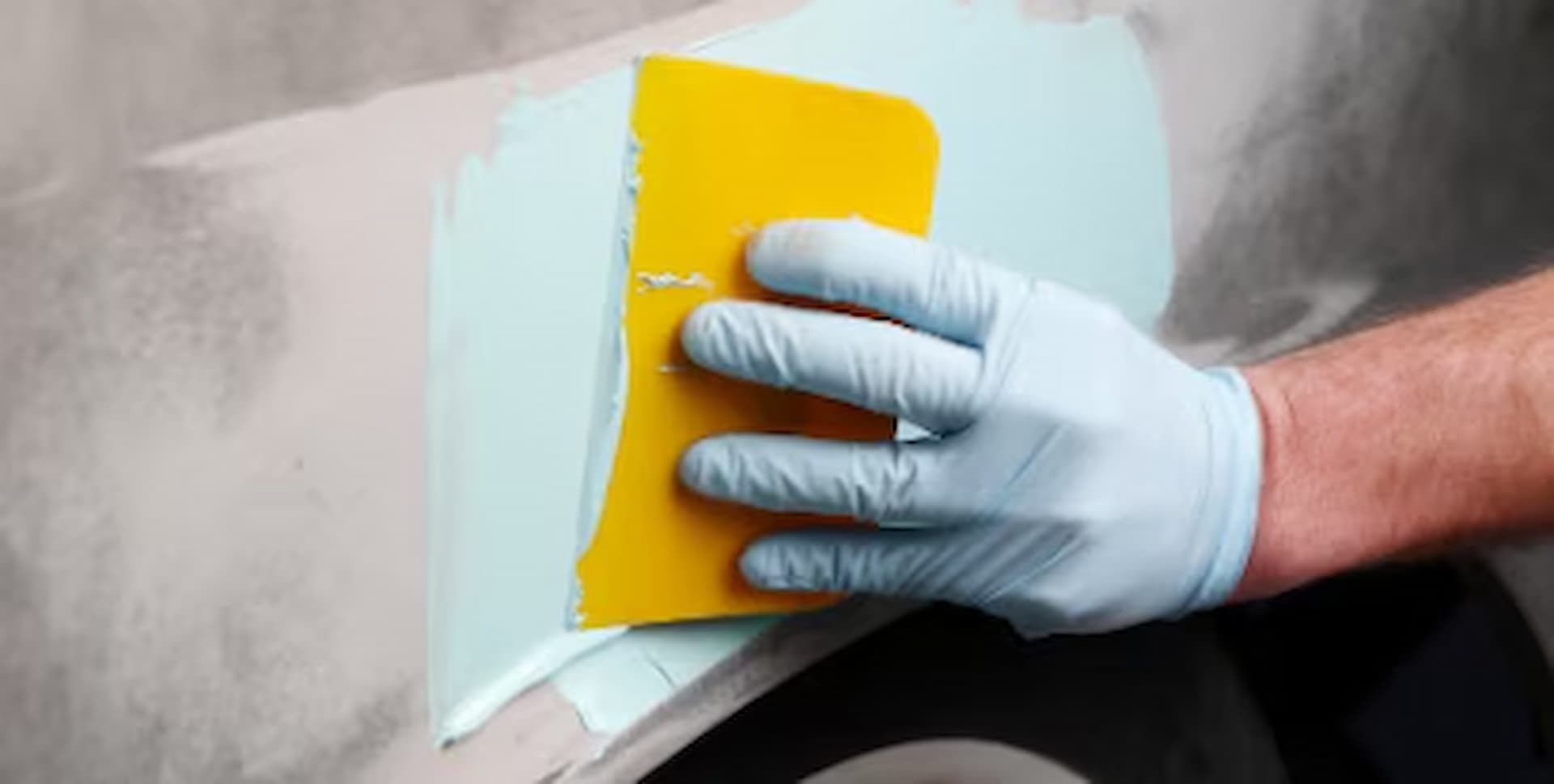
The ABC of Correct Filler Use in Collision Repair
Correct body filler use relies on OEM procedures, proper surface preparation and controlled application to prevent corrosion, cracking and failure.

Hyundai’s Youth Learnership Draws Unprecedented Interest
Hyundai SA receives 33,000 YES programme applications, highlighting youth unemployment and demand for digital-first job opportunities.
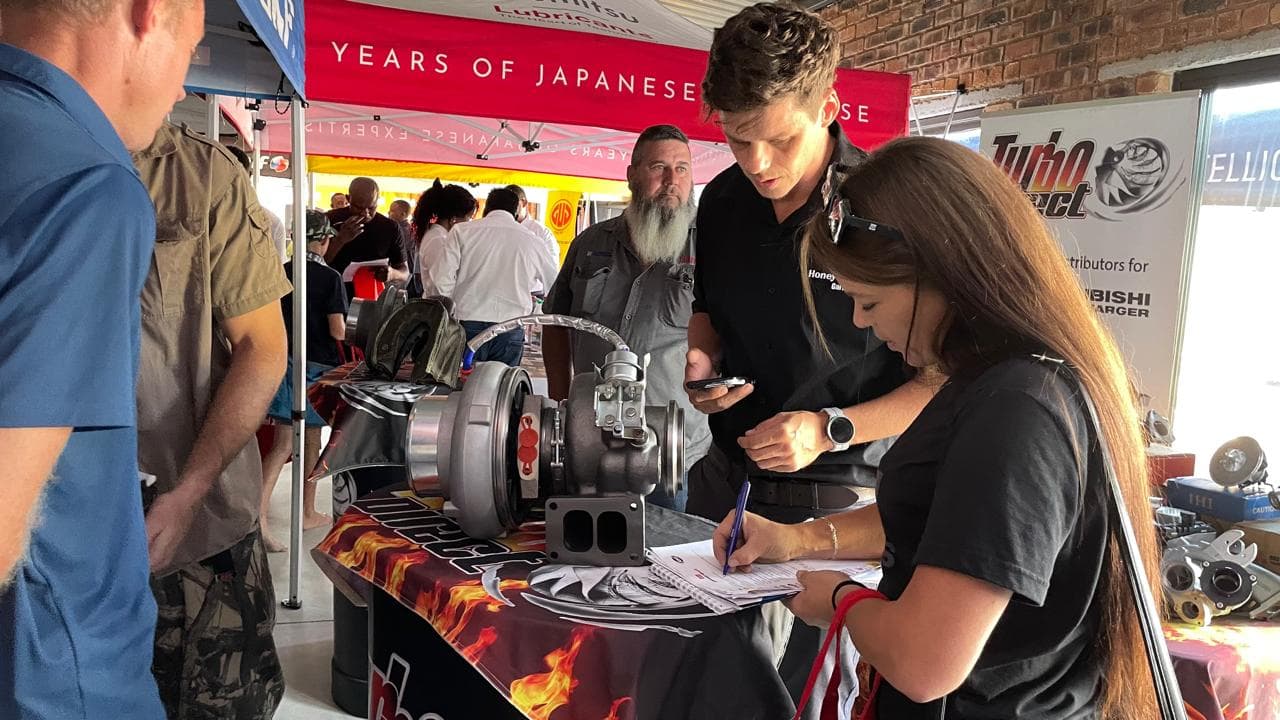
SpannerTorque Roadshow Boosts Workshop Know-how and Backs Young Talent
MIWA’s SpannerTorque Festival equips workshops with skills and inspires young talent, addressing South Africa’s growing automotive skills gap.