
The South African Motor Body Repairers’ Association (SAMBRA) has warned that the increasing number of vehicle write-offs is placing the automotive industry under growing strain.
Some vehicles are reportedly being written off at only 35 per cent of their value, a trend that SAMBRA believes may compromise consumer protection and overall system integrity.
Juan Hanekom, National Director of SAMBRA, which operates under the Retail Motor Industry Organisation (RMI), notes that the surge in write-offs is flooding the market with damaged vehicles. This development is placing pressure on current mechanisms that track and regulate the movement of such vehicles.
Hanekom explains that SAMBRA has long supported the creation of a transparent Vehicle Salvage Database (VSD), which would improve oversight of insurance-related write-offs and provide clearer visibility of these vehicles within the system. However, he believes that the scale of the current challenge means this measure on its own may no longer be adequate.
One limitation, he says, is that the VSD would only apply to insured vehicles. In a country with more than 13 million vehicles on the road and an average vehicle age of around 10.8 years, a significant portion of the national fleet falls outside any formal tracking process. This gap increases the likelihood that damaged vehicles might re-enter the market without proper disclosure.

According to Hanekom, some vehicles that are declared uneconomical to repair still find their way back into circulation. This raises concerns about safety, transparency and the reliability of vehicle histories. He warns that the lack of comprehensive regulation may inadvertently encourage practices that undermine consumer confidence.
While the VSD remains a key part of the solution, SAMBRA argues that South Africa should consider broader measures that work alongside it. Hanekom points out that several international markets have established structured systems to manage vehicles that have reached the end of their usable life. These systems typically include clear processes for deregistration, dismantling and material recovery, supported by documentation and oversight to ensure accountability.
Any South African framework, he adds, must be tailored to local conditions and developed collaboratively. Insurers, repairers, manufacturers and regulators would all need to work together to build a system that strengthens transparency and improves safety throughout the vehicle lifecycle.
Hanekom believes that by expanding on existing initiatives, the industry has an opportunity to enhance consumer protection and ultimately contribute to safer roads across the country.
Staff Writer
Reporting from the front lines of the collision repair industry, delivering expert analysis and the technical updates that drive the African automotive sector forward.
More From News
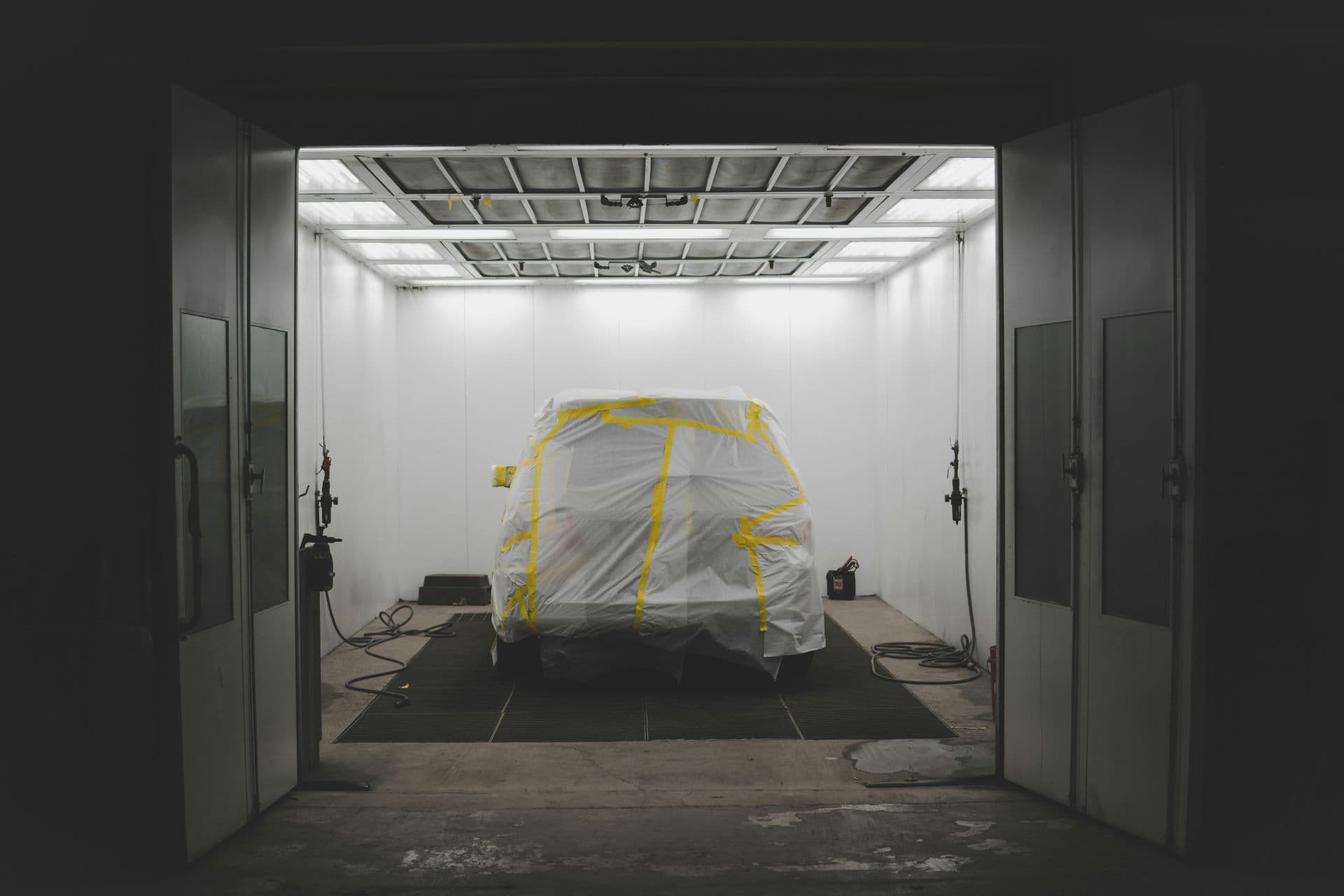
What drivers should look for when collecting a vehicle after collision repairs
Experts from South African Motor Body Repairers' Association explain how motorists can inspect their vehicle after collision repairs, covering panel gaps, paint finish and functionality checks.
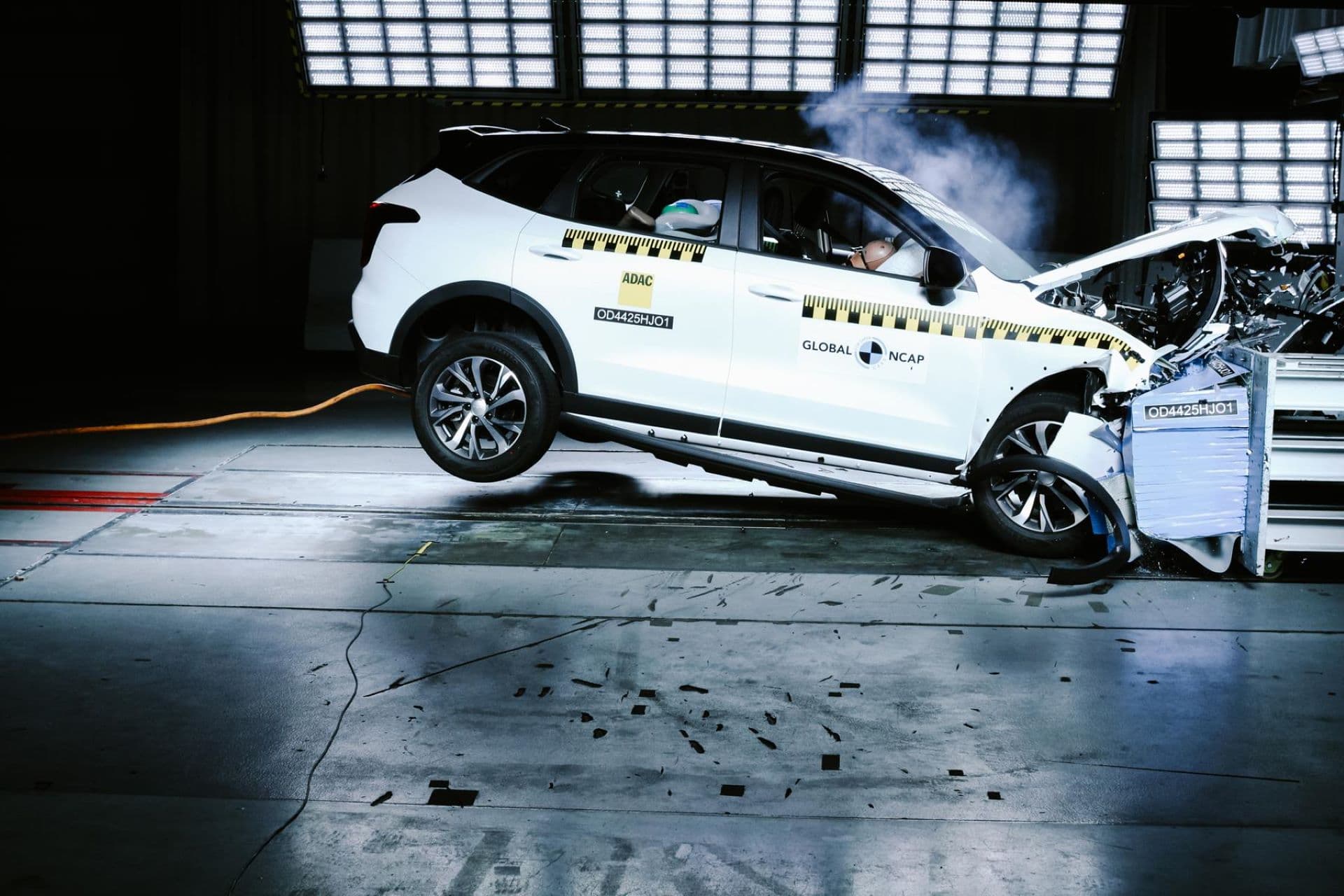
Entry-Level Cars Under Fire in Latest Crash Tests
South Africa’s entry-level cars face scrutiny after GNCAP crash tests reveal poor safety ratings for the Haval Jolion and Kia Sonet, prompting concern.
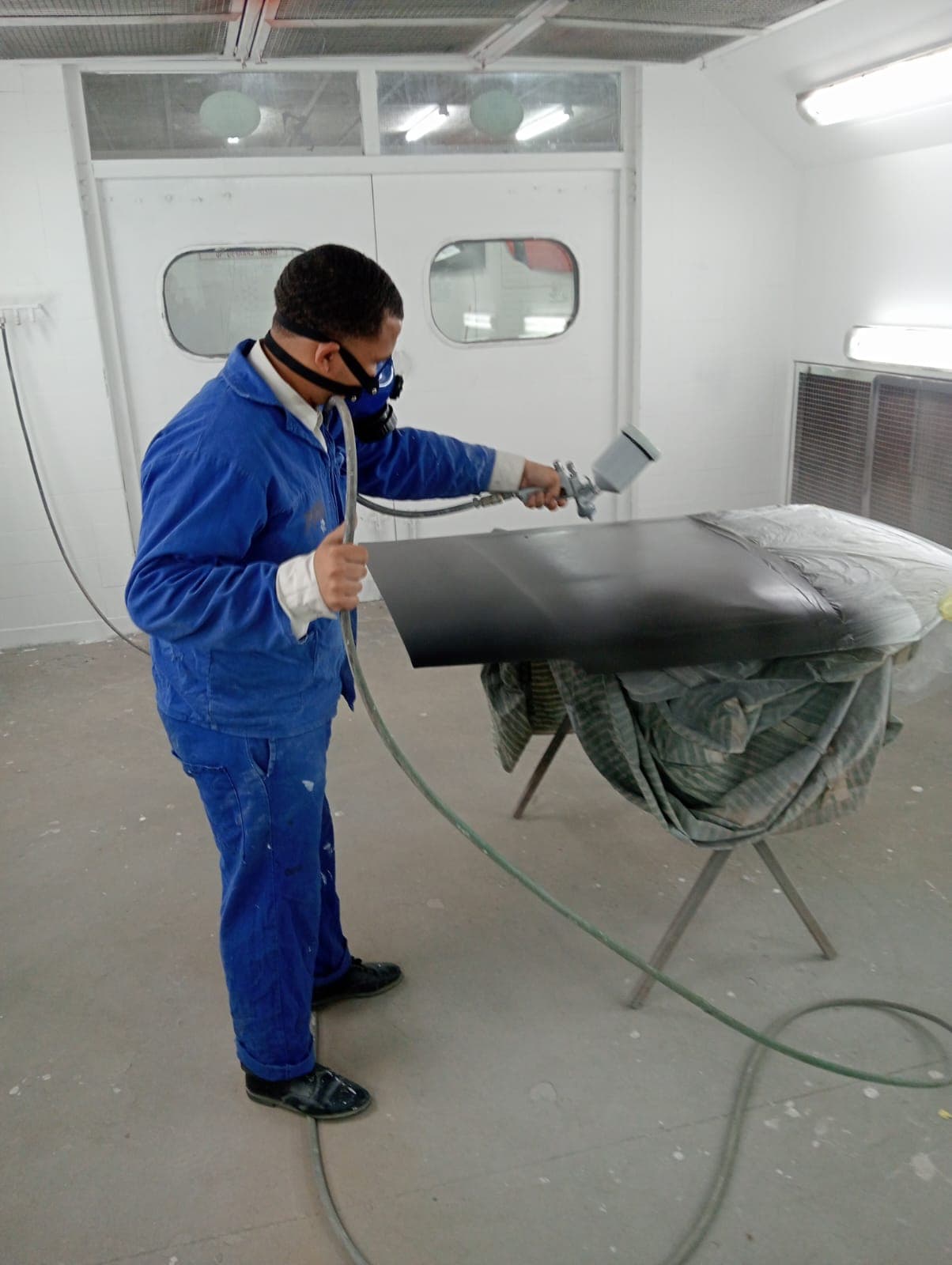
SAMBRA initiative puts young automotive talent in the spotlight
MIWA and SAMBRA host youth automotive competitions in Eastern Cape, offering training, hands-on experience and career pathways for young learners in 2026.

Hella returns to thermal management with long-term aftermarket push
Hella South Africa expands its thermal management range, targeting evolving vehicle technologies with 6,000+ SKUs planned by 2027.
Hino SA Honoured for Aftersales Excellence
Hino South Africa received two global awards for service and parts excellence, reinforcing its leadership in aftersales support.
Hella Urges Aftermarket to Prepare Now for a Changing Vehicle Parc
Hella outlines how distributors and workshops can adapt to ageing vehicles, EV growth and evolving aftermarket demands in South Africa.