
BASF Coatings has strengthened its sustainability offering for the automotive refinish sector by securing TÜV Rheinland certification for the calculation methodology behind its Eco Impact Assessment tool.
The independent approval confirms that the tool’s approach to calculating the corporate carbon footprint of body shops is aligned with the Greenhouse Gas Protocol, one of the leading international standards for greenhouse gas accounting.
The Eco Impact Assessment is integrated into BASF Coatings’ cloud based Refinity digital platform, which is used by body shops to manage colour, workflow and business processes. By embedding sustainability analysis into an everyday management system, BASF aims to make carbon transparency a practical part of daily decision making rather than a separate compliance exercise.
TÜV Rheinland’s certification applies to the calculation methodology itself and has been validated in 11 European countries since 2025. This reflects the tool’s applicability across different regulatory environments and workshop set ups. For body shops, the certification provides confidence that their reported carbon footprints are credible, consistent and comparable, which is increasingly important in discussions with insurers, fleet operators and green rating programmes.
Unlike more generic emissions calculators, the Eco Impact Assessment takes a detailed, life cycle assessment based view of body shop operations. It analyses real material and energy flows across activities such as spraying and drying, product consumption, waste handling and fleet use. Because it uses actual operational data and on site measurements, the results reflect real working conditions rather than industry averages.

This level of detail allows workshops to identify specific improvement opportunities. By benchmarking results against other sites or networks, body shops can prioritise investments that reduce emissions while also improving efficiency and controlling costs. BASF Coatings says the goal is to ensure sustainability initiatives deliver measurable operational and financial benefits.
The Eco Impact Assessment forms part of a broader digital strategy behind the Refinity platform, which combines digital colour management, business tools and training for the automotive refinish industry. By linking TÜV certified sustainability data with tools such as inventory management and reporting, BASF connects environmental performance directly with day to day operations.
As sustainability expectations rise across Europe, verified carbon footprints are becoming a foundation for credible decarbonisation strategies. By obtaining independent certification for its calculation methodology, BASF Coatings positions the Eco Impact Assessment as a dependable tool for body shops looking to make sustainability a manageable and commercially relevant part of their business.
Staff Writer
Reporting from the front lines of the collision repair industry, delivering expert analysis and the technical updates that drive the African automotive sector forward.
More From News
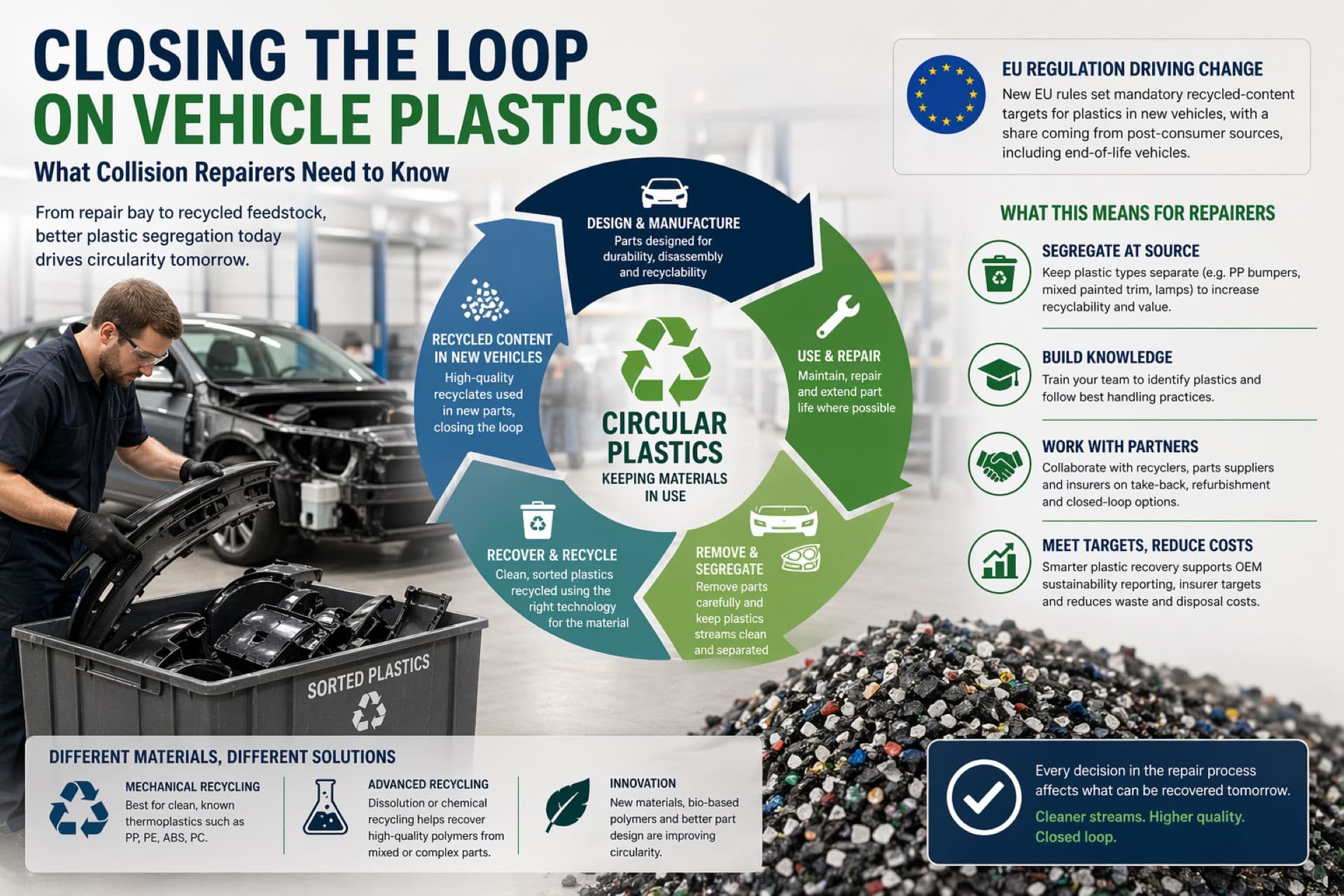
Closing the Loop on Vehicle Plastics: What Collision Repairers Need to Know
New EU rules are pushing vehicle makers and repairers toward plastics circularity, with rising recycled content targets and better end-of-life recovery

Zimbabwe Delegation Explores BAIC’s Role in Regional Automotive Growth
Zimbabwe’s automotive leaders visit BAIC South Africa to explore manufacturing, skills development, and regional industry collaboration.

What are SDVs and what do they mean for collision repair?
Software defined vehicles, or SDVs, are vehicles in which software rather than fixed hardware determines how most systems operate. Functions such...
Fuel price shock prompts insurer action to support South Africa’s repairers
South Africa’s motor body repair sector is under growing strain as sharp fuel price increases push operating costs higher, prompting some insurers...
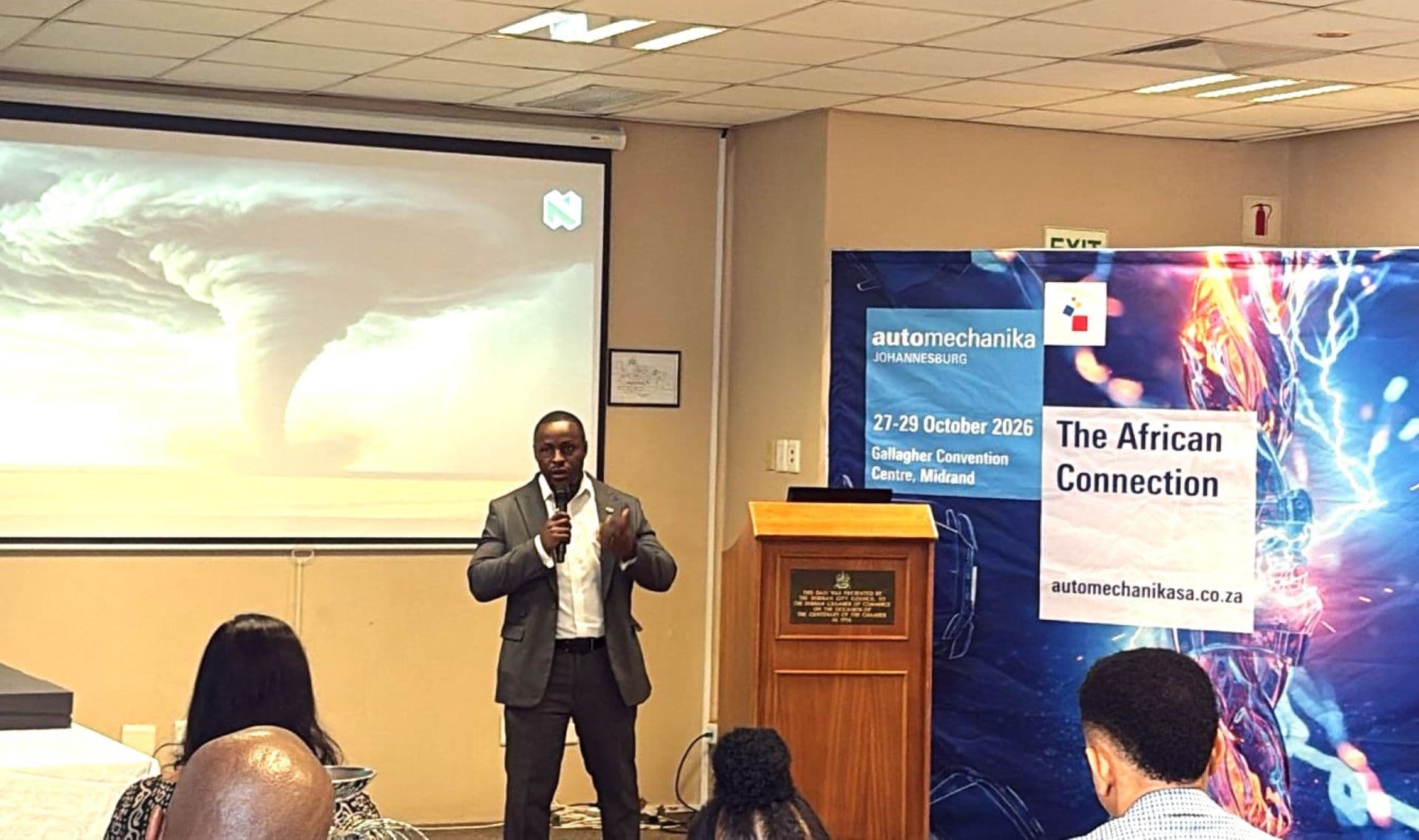
KwaZulu-Natal’s Automotive Momentum looked at
Durban’s Automechanika CEO Breakfast highlighted KZN’s rising automotive role, export growth and EV investment, plus aftermarket development.

We Buy Cars Drives Youth Employment
South Africa’s challenge of youth unemployment remains pressing, but targeted initiatives are beginning to show tangible results. We Buy Cars, in...