
A new international partnership is set to strengthen South Africa’s ability to train the next generation of electric and hybrid vehicle technicians.
The Retail Motor Industry Organisation (RMI) and the German Chamber of Crafts Erfurt (HWK) have launched a three-year collaborative project designed to expand e mobility skills across Technical and Vocational Education and Training (TVET) institutions. The initiative was formally announced at the RMI offices in Midrand on 24 February 2026.
Funded by the German Federal Ministry for Economic Cooperation and Development and implemented by Sequa, the programme will run until the end of 2028. Its aim is to support South Africa in preparing for a growing shift toward electric and hybrid vehicles by strengthening lecturer training, modernising curricula and improving collaboration between colleges and industry.
The launch brought together senior representatives from the Quality Council for Trades and Occupations, the Department of Higher Education and Training, merSETA and three participating TVET colleges: College of Cape Town, Port Elizabeth TVET College and Tshwane South TVET College.
HWK Erfurt CEO Thomas Malcherek described the project as a milestone in a decade long relationship between HWK and RMI. He noted that e mobility has been part of HWK’s training curriculum since 2015, supported by specialised training vehicles and structured programmes. Malcherek said the new partnership demonstrates a shared commitment to excellence in vocational training and international cooperation.
RMI CEO Ipeleng Mabusela emphasised that the automotive aftermarket is central to the national economy, accounting for more than half of the sector’s value add and around 70 percent of employment. With more than 23 000 businesses and over 270 000 jobs, the aftermarket plays a key role in mobility and road safety. Although battery electric vehicle uptake remains low, hybrid vehicles are already changing daily workshop practices. Mabusela highlighted that skills development must advance ahead of market changes and stressed the importance of early alignment between colleges, government and industry.
At college level, the partnership is seen as an important step towards strengthening practical training pathways. Alfred Ramahlape of the College of Cape Town noted that the initiative supports the mandate to ensure training leads to real workplace competence. Tshwane South Acting Principal Goodman Mnisi added that the sector now requires confident lecturers, properly equipped workshops and curricula that align with occupational standards. Tshwane South’s earlier involvement in national lecturer training in electric vehicle technologies demonstrates the progress already made toward building a coordinated system.
The project aims to build a sustainable training ecosystem by combining elements of Germany’s dual education model with South Africa’s occupational framework. This will focus on lecturer development, high voltage safety and stronger links with industry partners. Malcherek concluded that the long-term goal is to create opportunities that will benefit future generations through shared knowledge, cooperation and investment in people.
Staff Writer
Reporting from the front lines of the collision repair industry, delivering expert analysis and the technical updates that drive the African automotive sector forward.
More From News

Must Read: Competition Case in Botswana Could Reshape the Regional Repair Market
A Botswana competition case could influence insurer-repairer relationships and reshape vehicle repair markets across Southern Africa.
What drivers should look for when collecting a vehicle after collision repairs
Experts from South African Motor Body Repairers' Association explain how motorists can inspect their vehicle after collision repairs, covering panel gaps, paint finish and functionality checks.
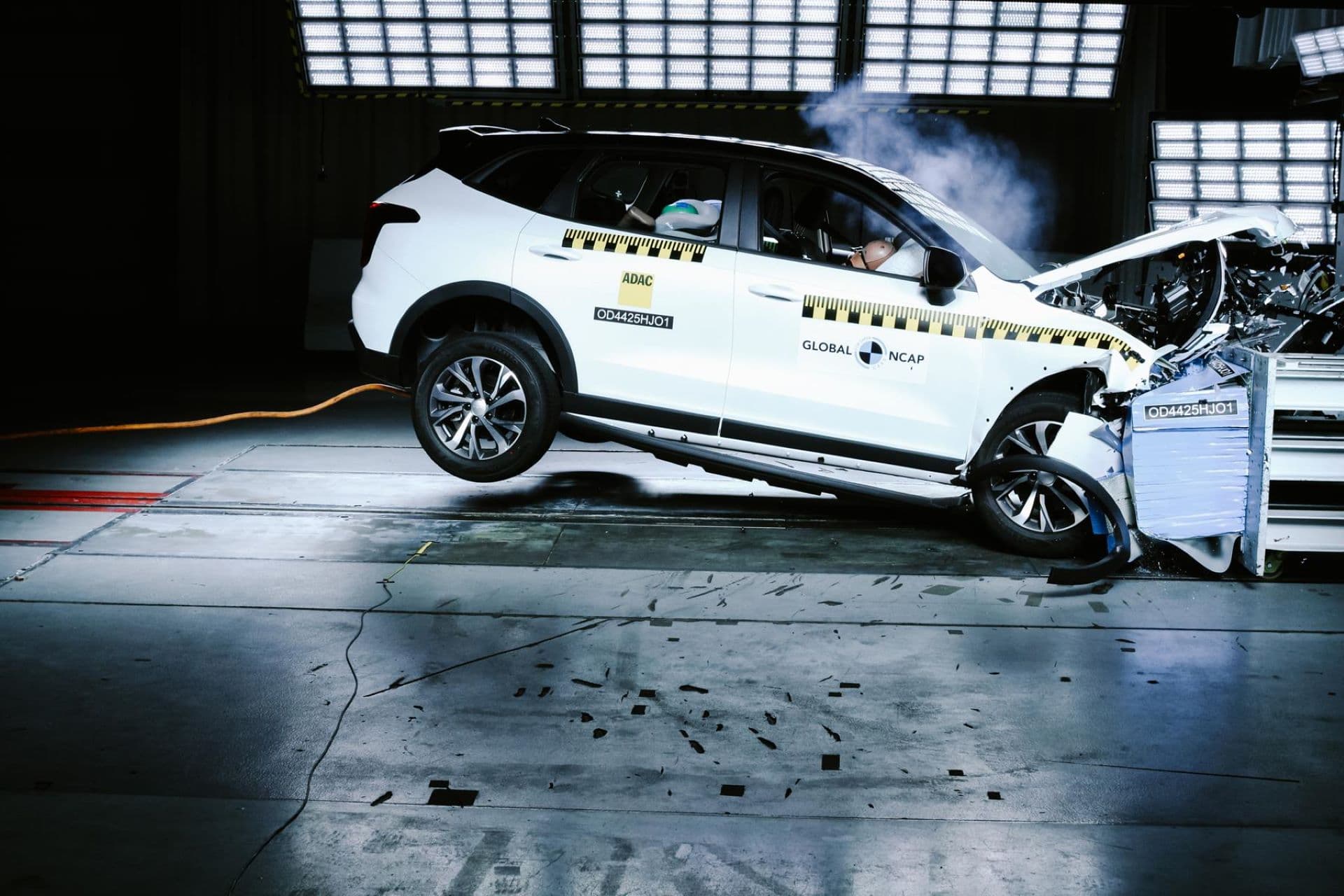
Entry-Level Cars Under Fire in Latest Crash Tests
South Africa’s entry-level cars face scrutiny after GNCAP crash tests reveal poor safety ratings for the Haval Jolion and Kia Sonet, prompting concern.
SAMBRA initiative puts young automotive talent in the spotlight
MIWA and SAMBRA host youth automotive competitions in Eastern Cape, offering training, hands-on experience and career pathways for young learners in 2026.
Hella returns to thermal management with long-term aftermarket push
Hella South Africa expands its thermal management range, targeting evolving vehicle technologies with 6,000+ SKUs planned by 2027.
Hino SA Honoured for Aftersales Excellence
Hino South Africa received two global awards for service and parts excellence, reinforcing its leadership in aftersales support.