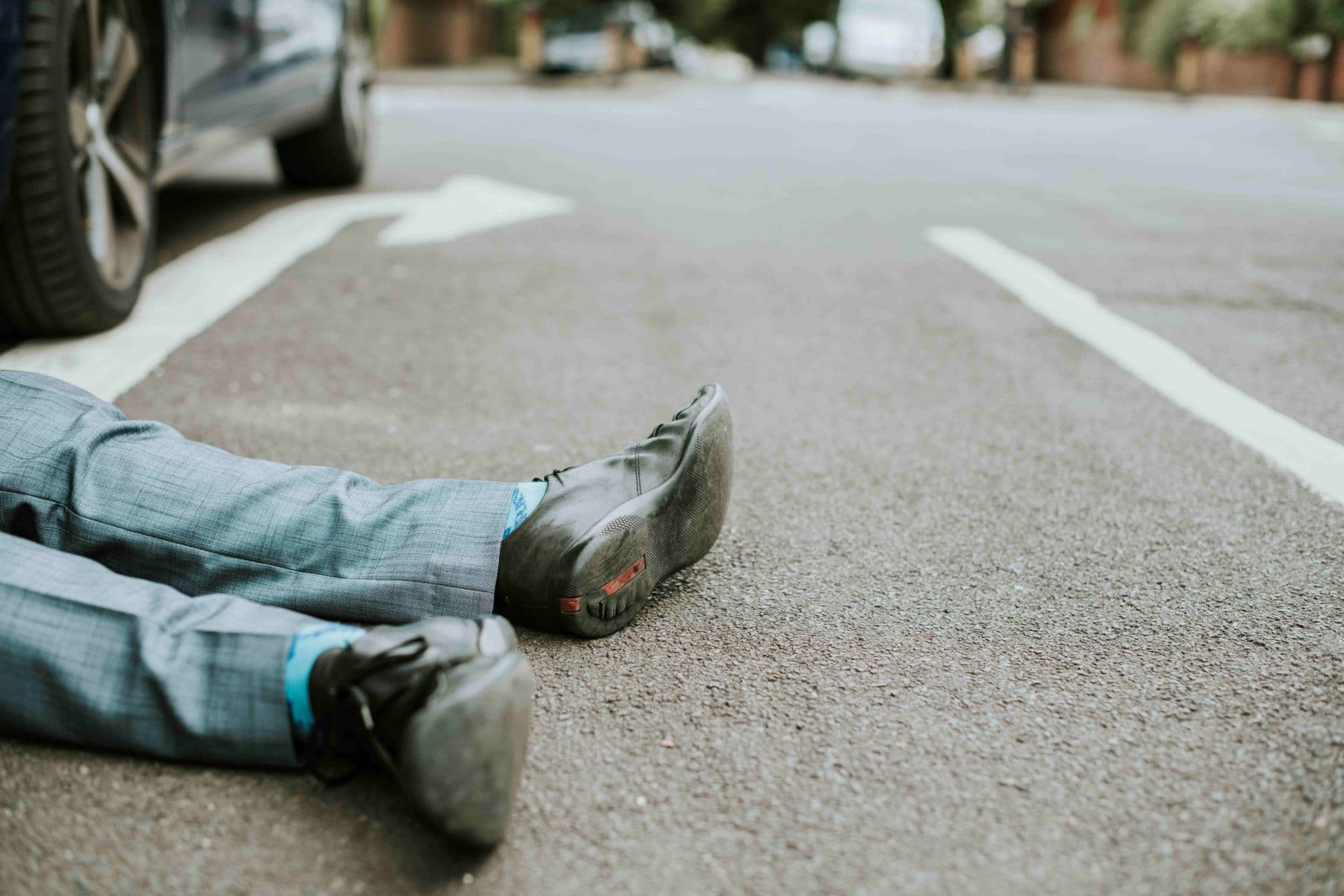
Hit-and-run crashes have been rising across the United States since 2010, but the trend accelerated sharply in the pandemic era.
More than 900,000 police-reported crashes in 2023 involved a driver leaving the scene, according to new analysis by the AAA Foundation for Traffic Safety (FTS).
Researchers reviewed national crash data stretching back to 1975, when records begin, to chart how often drivers flee and who is harmed. The study shows fatalities linked to hit-and-runs spiking in 2020 and reaching a record 2,972 deaths in 2022, about 7% of all traffic fatalities. Deaths fell slightly to 2,872 in 2023, yet hit-and-runs still accounted for roughly 7% of collision deaths.
Injuries remain widespread. Around one in 10 injuries to people inside vehicles occurred in hit-and-run crashes in 2023, equating to about 200,000 injured occupants. Vulnerable road users faced a higher share: roughly one in five cyclist injuries and one in four pedestrian injuries happened when the driver did not stop. Among those killed, the imbalance was starker, with more than 70% of hit-and-run victims being pedestrians or cyclists.
Most fatal hit-and-runs took place in darkness, nearly four in five, and the proportion was highest in the largest cities and lowest in rural areas. The burden also appears to fall unevenly by community vulnerability: ZIP codes in the most vulnerable fifth of the population recorded more than three times as many hit-and-run fatalities as the middle fifth, and more than six times as many as the least vulnerable fifth.
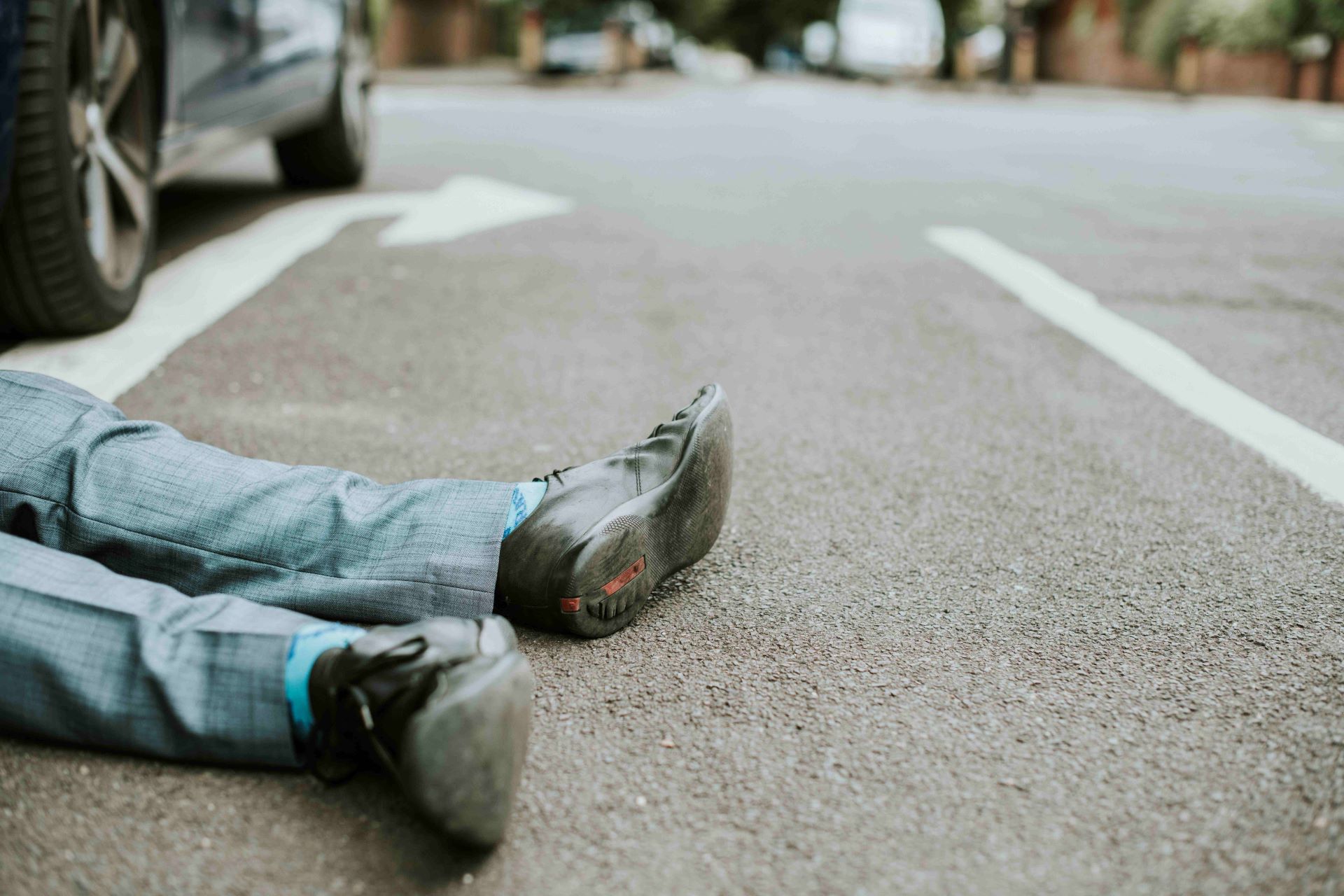
AAA FTS argues that reducing hit-and-runs will require multiple approaches, from technologies that automatically alert emergency services after a crash to measures that raise the perceived likelihood of being caught. Suggested tools include traffic cameras, automated number plate readers and wider use of ‘yellow alerts’ to share vehicle details after serious crashes. The report also notes that easing barriers to licensing could reduce the incentive to flee, as many identified hit-and-run drivers lacked a valid licence.
South Africa’s road safety data in this regard is also alarming. The data continues to highlight the disproportionate vulnerability of pedestrians, particularly in the context of hit-and-run incidents. According to the Road Traffic Management Corporation’s January–March 2024/2025 State of Road Safety Report, pedestrians remain one of the most affected road user groups, featuring prominently in both fatal crashes and overall road deaths. Broader RTMC data indicates that pedestrians typically account for around 40% or more of all fatalities on South African roads, underscoring the scale of the risk faced by those outside vehicles.
The report further shows that hit-and-run crashes form a significant share of fatal crash types, often ranking among the leading contributors alongside pedestrian-related incidents. This overlap is particularly concerning, as it suggests that many pedestrian fatalities occur in circumstances where drivers flee the scene, complicating enforcement and reducing the likelihood of timely medical assistance.
These trends point to a persistent road safety challenge in South Africa: pedestrians are not only highly exposed to traffic risk but are also disproportionately affected by the most severe and evasive forms of driver behaviour, including hit-and-run collisions.
Staff Writer
Reporting from the front lines of the collision repair industry, delivering expert analysis and the technical updates that drive the African automotive sector forward.
More From News

Must Read: Competition Case in Botswana Could Reshape the Regional Repair Market
A Botswana competition case could influence insurer-repairer relationships and reshape vehicle repair markets across Southern Africa.

What drivers should look for when collecting a vehicle after collision repairs
Experts from South African Motor Body Repairers' Association explain how motorists can inspect their vehicle after collision repairs, covering panel gaps, paint finish and functionality checks.
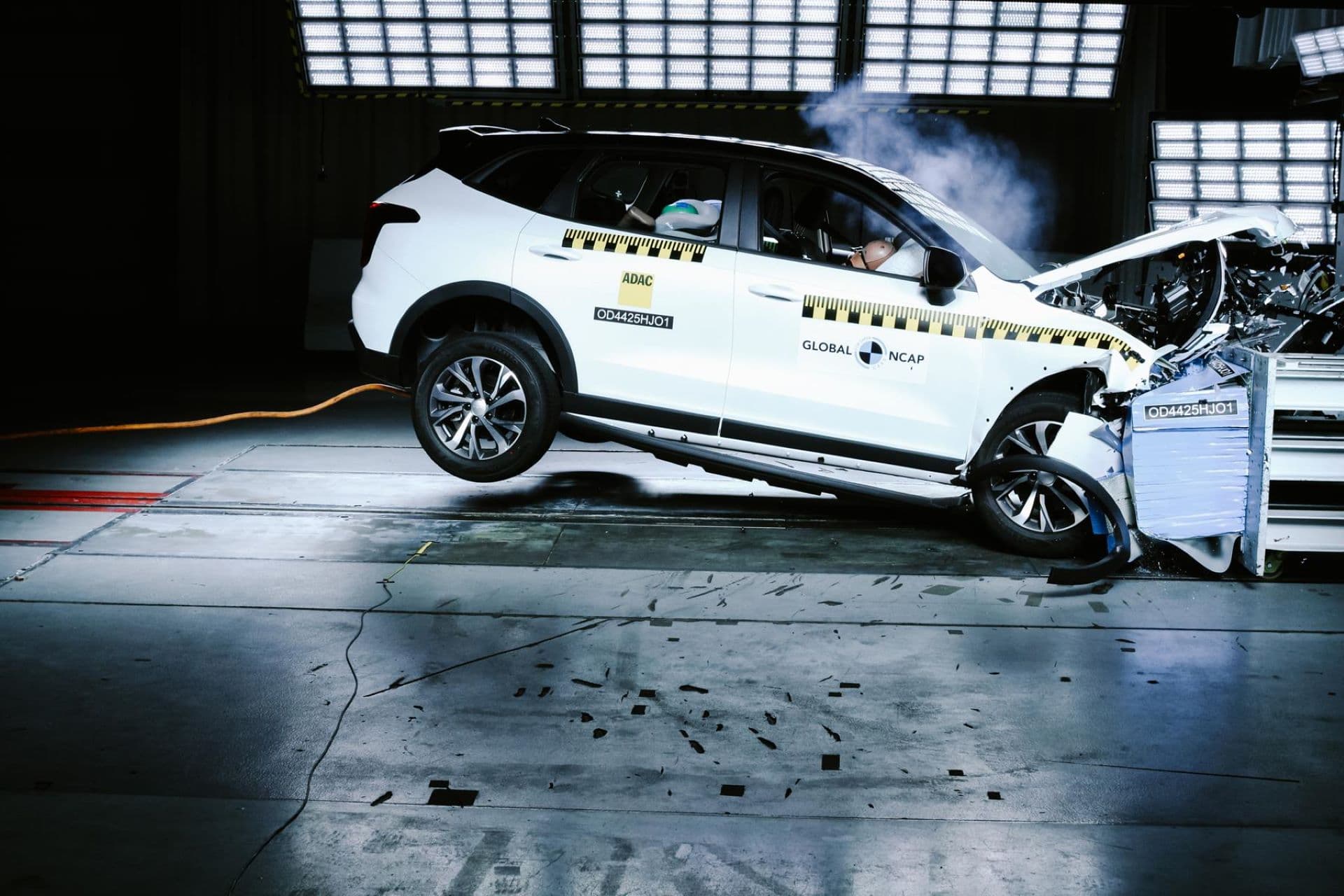
Entry-Level Cars Under Fire in Latest Crash Tests
South Africa’s entry-level cars face scrutiny after GNCAP crash tests reveal poor safety ratings for the Haval Jolion and Kia Sonet, prompting concern.
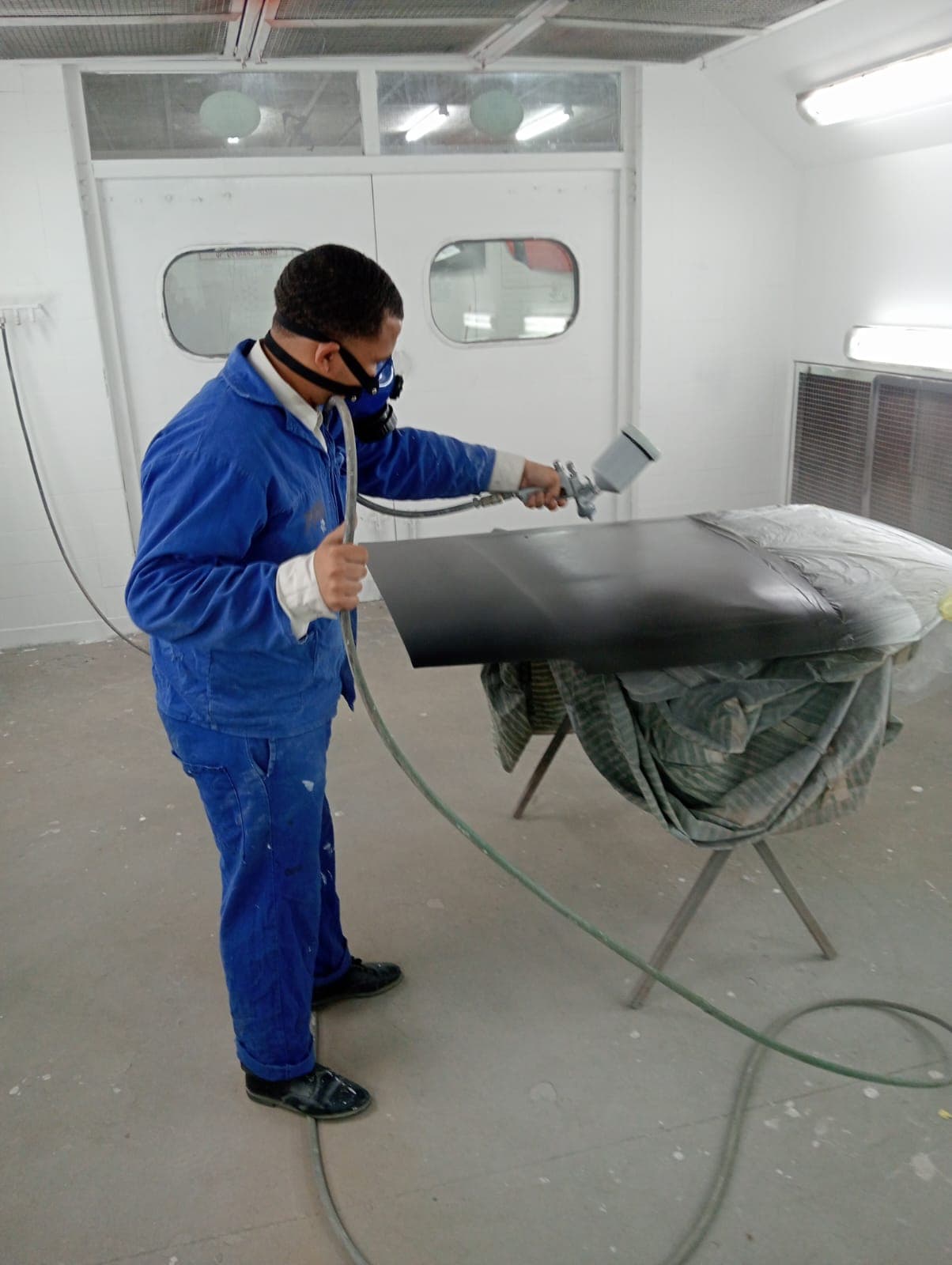
SAMBRA initiative puts young automotive talent in the spotlight
MIWA and SAMBRA host youth automotive competitions in Eastern Cape, offering training, hands-on experience and career pathways for young learners in 2026.

Hella returns to thermal management with long-term aftermarket push
Hella South Africa expands its thermal management range, targeting evolving vehicle technologies with 6,000+ SKUs planned by 2027.

Hino SA Honoured for Aftersales Excellence
Hino South Africa received two global awards for service and parts excellence, reinforcing its leadership in aftersales support.