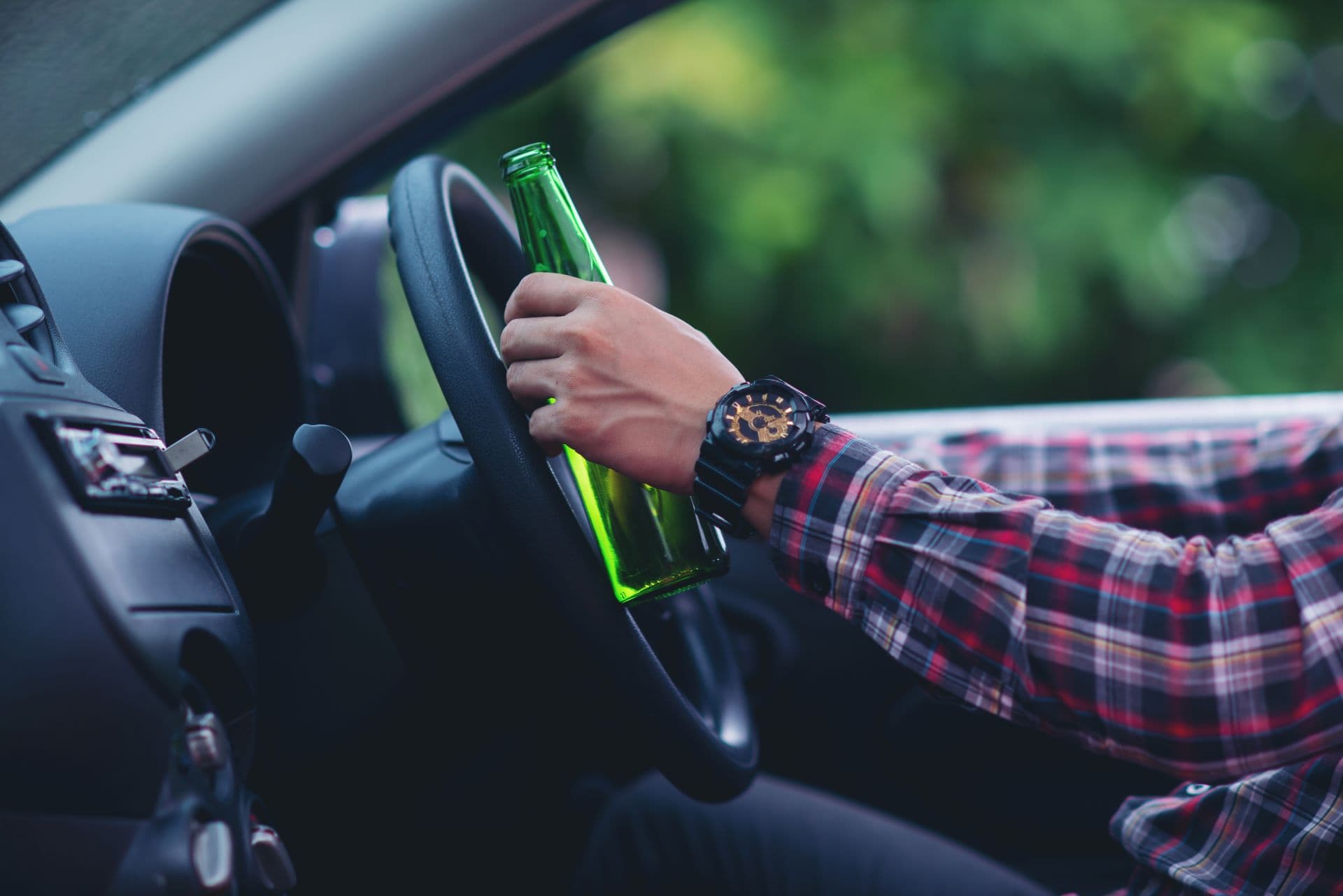
A team of researchers at Edith Cowan University (ECU) has unveiled an innovative artificial intelligence system capable of identifying dangerous driving behaviours simply by analysing a driver’s face.
The technology aims to provide a non-intrusive alternative to traditional methods used to detect intoxication and fatigue behind the wheel.
The research group has developed a single 3D deep-learning model that can assess three major contributors to road accidents at the same time: blood-alcohol levels, signs of drowsiness, and emotional states that may influence driving behaviour, such as anger or agitation. According to the team, early testing has shown impressive results, with alcohol impairment detected with close to 90 per cent accuracy and fatigue identified with 95 per cent accuracy.
Led by ECU PhD candidate Abdullah Tariq, the work — presented at the British Machine Vision Conference (BMVC25) — demonstrates how facial cues can be used to determine whether a driver is sober, moderately impaired, or severely intoxicated. Tariq explained that the goal was to explore whether AI could provide continuous monitoring without the intrusiveness of breathalysers or blood tests, which require a driver’s cooperation and can only be conducted intermittently.
Tariq noted that human faces naturally reveal information about emotional and physiological states, yet most existing AI tools focus on only one task at a time. This limitation drove the team to investigate whether a unified model could perform multiple assessments simultaneously.
Dr Syed Zulqarnain Gilani, from ECU’s Centre of AI and Machine Learning, said the study represents one of the first attempts to identify fatigue, emotional expression and alcohol consumption within a single framework. He added that psychological research has long shown overlaps between these states — for instance, severe tiredness can mimic the cognitive impairment seen in alcohol intoxication, while anger can escalate into aggressive or reckless driving.
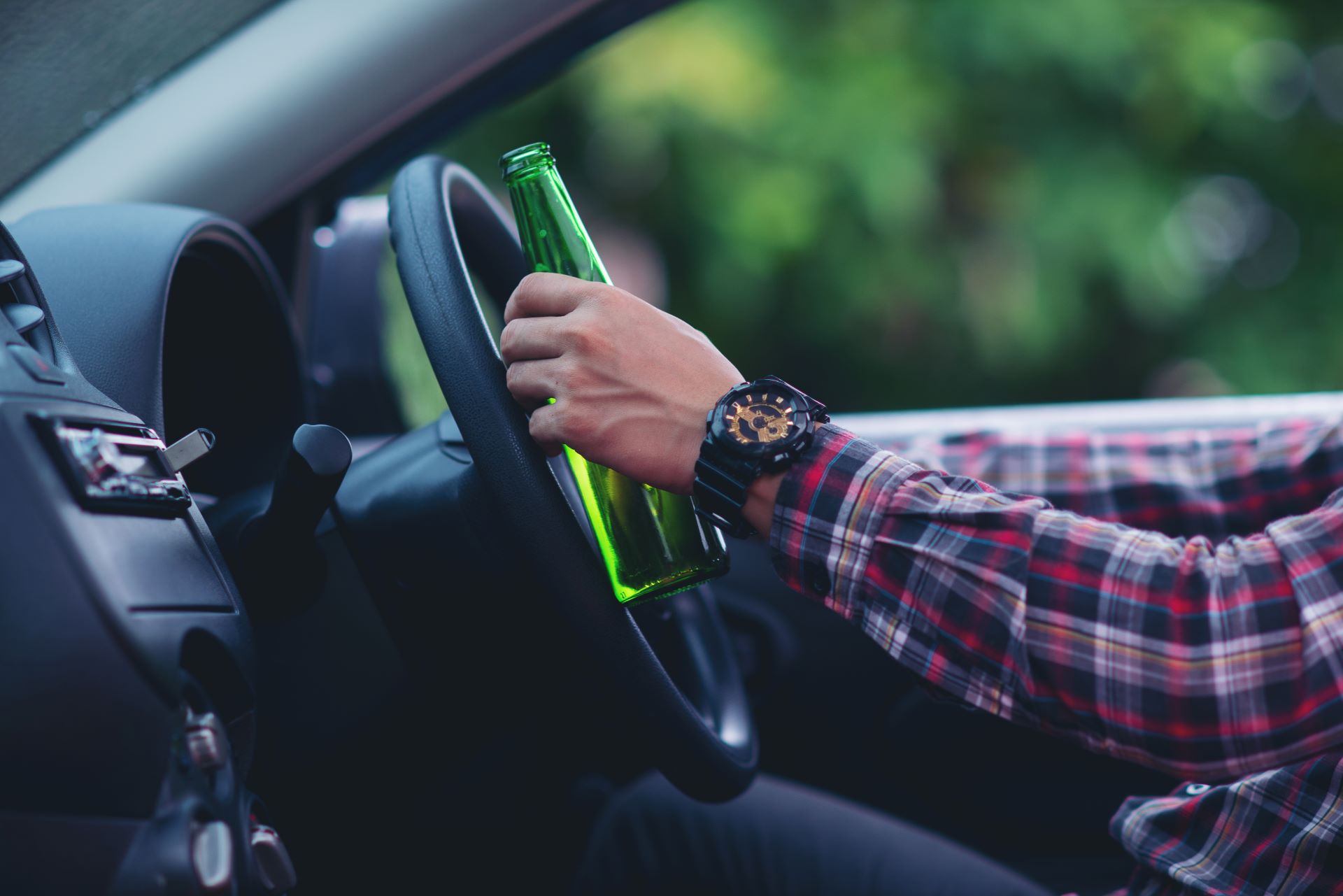
The system’s 3D model analyses subtle facial movements and features, allowing it to distinguish between expressions such as sleepiness, irritation, or typical facial gestures, and to determine which cues indicate genuine physical impairment.
In a separate project, the researchers explored whether combining infrared (IR) footage with standard RGB video could enhance detection accuracy, especially in low-light or night-time conditions. Their findings, presented at the International Conference on Multimodal Interaction (ICMI25), revealed that the dual-input system — named BiFuseNet — outperformed traditional approaches that rely on only one type of visual data. The model automatically tracks fine-grained facial changes, such as blink rate and subtle muscle shifts, to estimate blood-alcohol concentration more reliably.
Dr Gilani believes this technology could pave the way for a new generation of non-invasive road-safety tools. Experiments have shown that the system can classify levels of alcohol impairment with an accuracy of 88.41 per cent, providing a potential foundation for future in-vehicle monitoring systems designed to prevent accidents before they occur.
As interest grows in real-time driver-monitoring technologies, these advancements suggest a future in which vehicles may be able to automatically identify — and possibly intervene — when a driver becomes too tired, angry, or intoxicated to drive safel
Staff Writer
Reporting from the front lines of the collision repair industry, delivering expert analysis and the technical updates that drive the African automotive sector forward.
More From News

Must Read: Competition Case in Botswana Could Reshape the Regional Repair Market
A Botswana competition case could influence insurer-repairer relationships and reshape vehicle repair markets across Southern Africa.
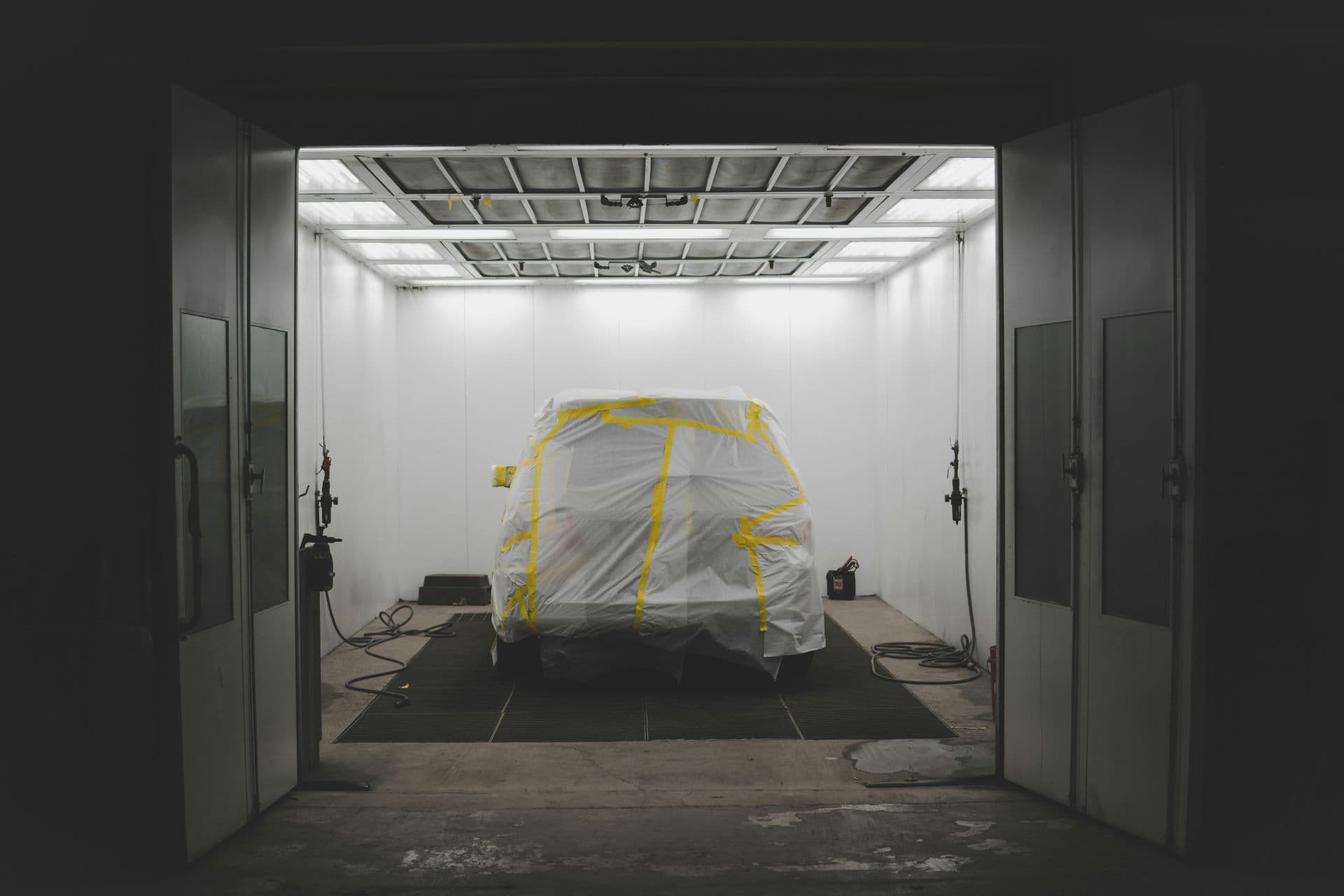
What drivers should look for when collecting a vehicle after collision repairs
Experts from South African Motor Body Repairers' Association explain how motorists can inspect their vehicle after collision repairs, covering panel gaps, paint finish and functionality checks.
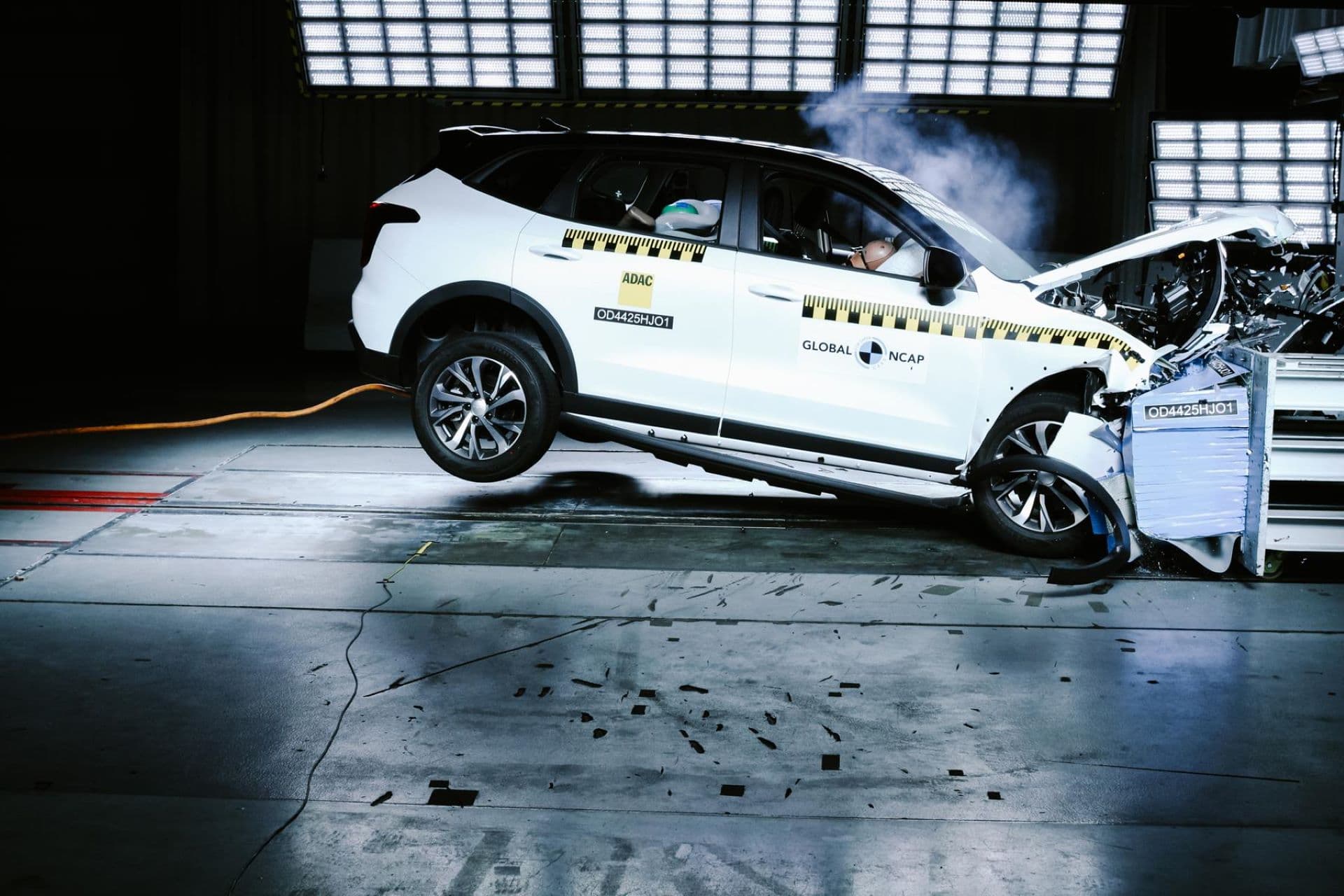
Entry-Level Cars Under Fire in Latest Crash Tests
South Africa’s entry-level cars face scrutiny after GNCAP crash tests reveal poor safety ratings for the Haval Jolion and Kia Sonet, prompting concern.
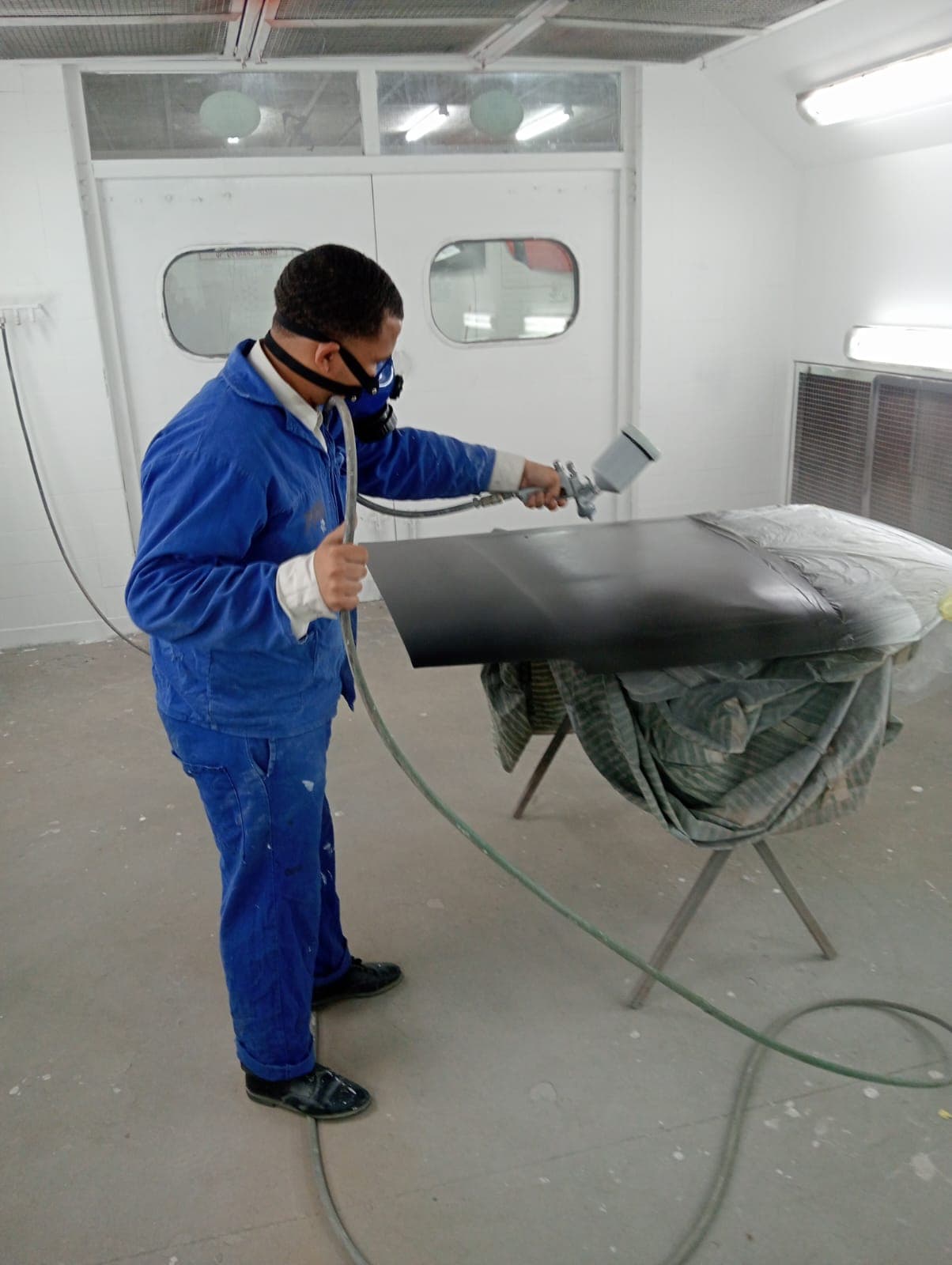
SAMBRA initiative puts young automotive talent in the spotlight
MIWA and SAMBRA host youth automotive competitions in Eastern Cape, offering training, hands-on experience and career pathways for young learners in 2026.
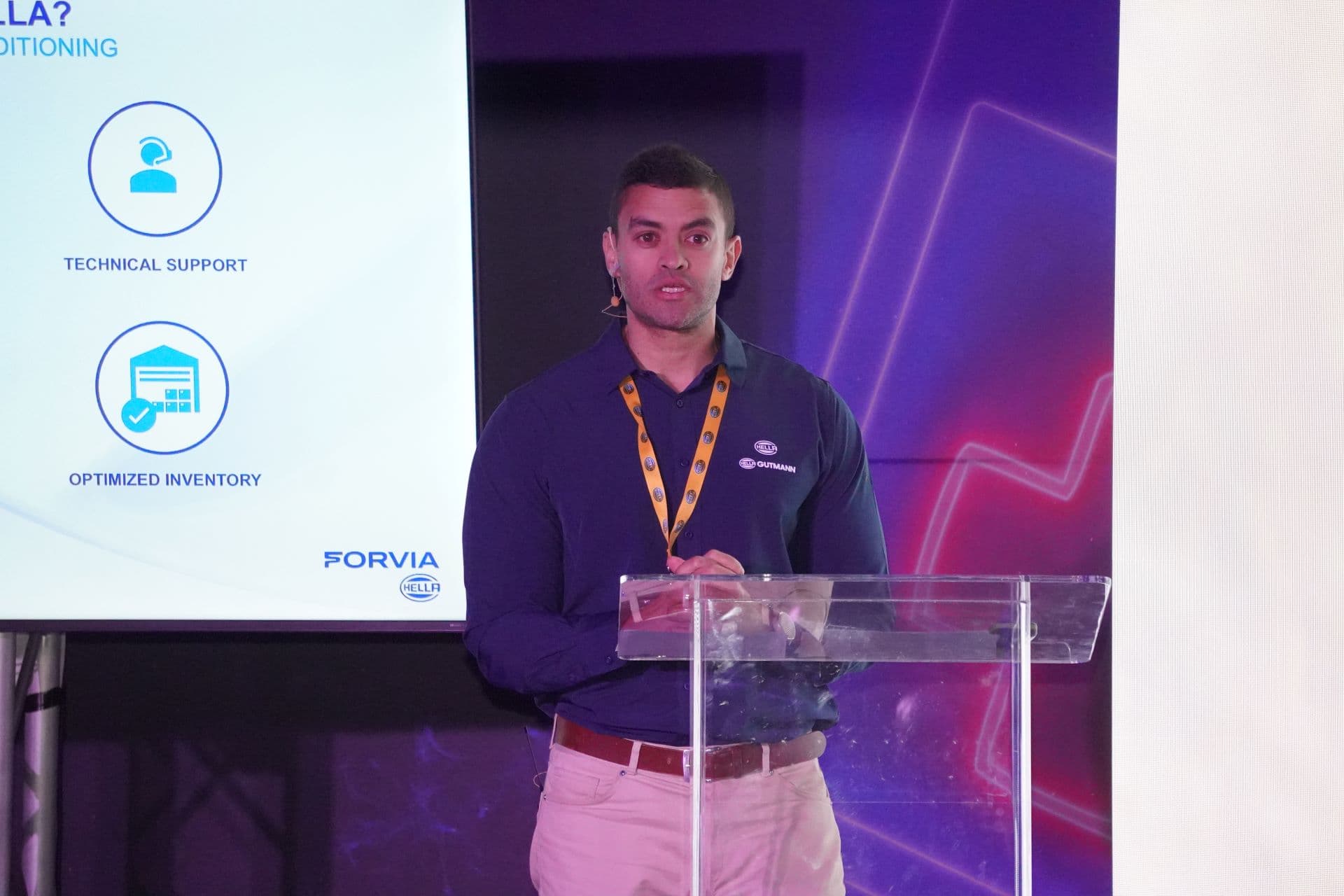
Hella returns to thermal management with long-term aftermarket push
Hella South Africa expands its thermal management range, targeting evolving vehicle technologies with 6,000+ SKUs planned by 2027.

Hino SA Honoured for Aftersales Excellence
Hino South Africa received two global awards for service and parts excellence, reinforcing its leadership in aftersales support.