
Marelli Holdings Co., the Japanese automotive parts supplier, filed for Chapter 11 bankruptcy protection in the United States on June 11, 2025, citing approximately $4.9 billion in funded debt.
The bankruptcy filing represents one of the most prominent corporate casualties attributed directly to escalating U.S. trade tariffs on automotive components.
The restructuring effort has been explicitly linked to recent trade policy changes."Marelli was severely affected by tariffs due to its import/export-focused businessand the imposition of tariffs specifically against automotive manufacturers andsuppliers," company CEO David Slump stated in court filings. The situationdeteriorated significantly by March 2025 due to headwinds caused by U.S. tariffs,with industry observers noting that "The tariffs were the final straw" for the alreadystruggling company.
Marelli Holdings, established in 2019, operates across 170 countries with aworkforce of 40,000 employees, manufacturing critical components including lighting systems, electronic control units, and climate control systems for major automakers such as Nissan, Stellantis, and Honda. Despite its relatively recent formation, the company has faced numerous challenges including supply chain disruptions, escalating production costs, and declining electric vehicle sales.
Approximately 80% of Marelli's senior lenders have endorsed a prearrangedrestructuring plan. The lenders plan to convert their debt holdings into equityownership through the Chapter 11 process, effectively taking control of the business unless a superior acquisition offer emerges within a 45-day window. To ensure operational continuity, Marelli has secured $1.1 billion in debtor-in-possession financing, enabling the company to maintain normal operations, continue paying employee wages and benefits, and honour existing customer orders.
The bankruptcy filing has raised concerns about potential disruptions to automotive supply chains, particularly given Marelli's significant role as a supplier to major automakers. However, the company has emphasized its commitment to operational stability, stating it does not expect any operational impact from the Chapter 11 process. This assurance is particularly important for Canadian companies and other international partners that depend on Marelli components, as immediate supply disruptions are not anticipated.
Major automotive manufacturers have expressed their support for the restructuring process, with companies like Nissan working collaboratively to prevent supply chain interruptions. Analysts suggest that other suppliers could follow Marelli's path, as tariffs continue to take their toll on the automotive supply chain, potentially signaling broader challenges for companies with significant import-export operations.

Staff Writer
Reporting from the front lines of the collision repair industry, delivering expert analysis and the technical updates that drive the African automotive sector forward.
More From News

What are SDVs and what do they mean for collision repair?
Software defined vehicles, or SDVs, are vehicles in which software rather than fixed hardware determines how most systems operate. Functions such...

Fuel price shock prompts insurer action to support South Africa’s repairers
South Africa’s motor body repair sector is under growing strain as sharp fuel price increases push operating costs higher, prompting some insurers...
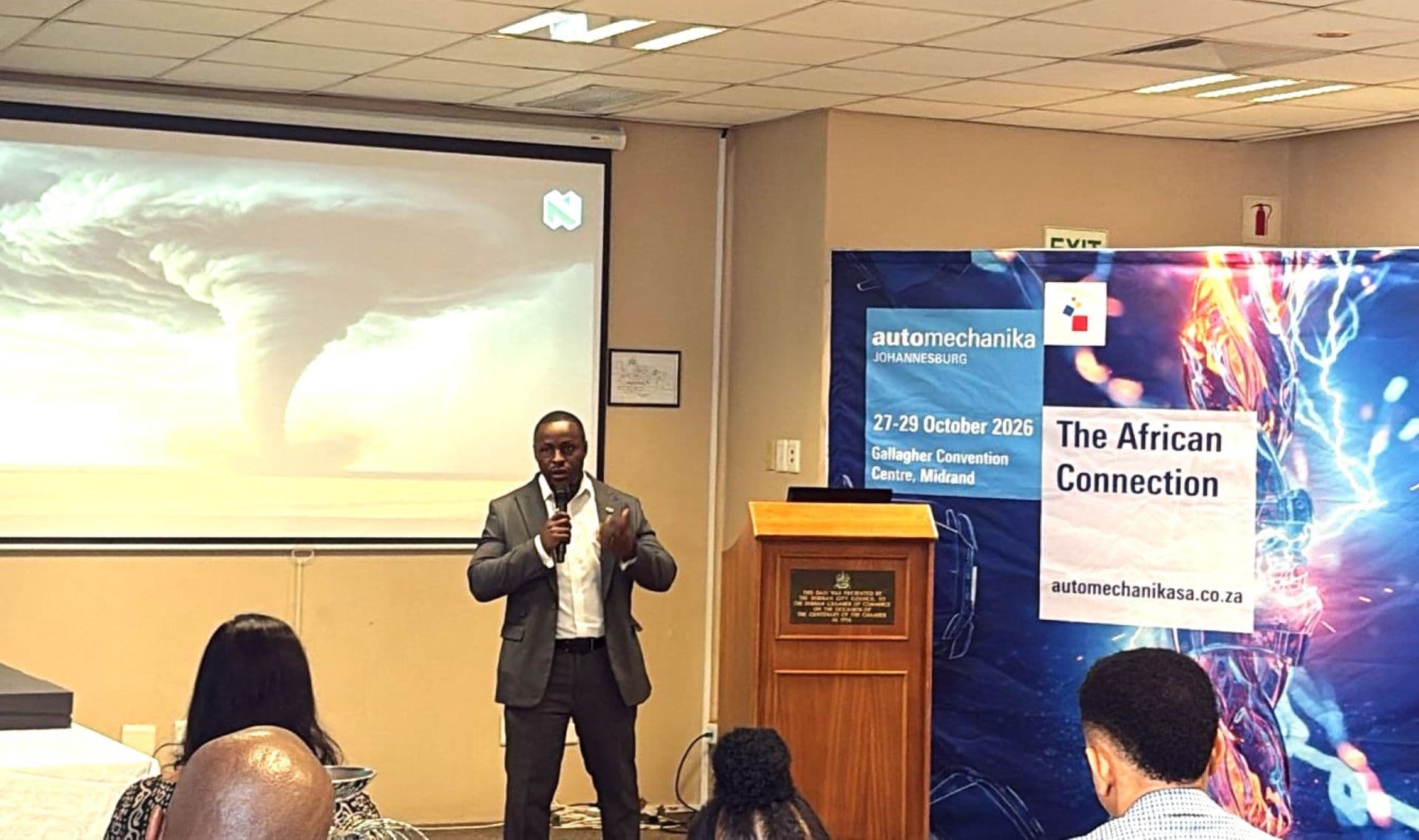
KwaZulu-Natal’s Automotive Momentum looked at
Durban’s Automechanika CEO Breakfast highlighted KZN’s rising automotive role, export growth and EV investment, plus aftermarket development.

We Buy Cars Drives Youth Employment
South Africa’s challenge of youth unemployment remains pressing, but targeted initiatives are beginning to show tangible results. We Buy Cars, in...

BASF Coatings advances sustainable accident repair with TÜV certified carbon assessment
BASF Coatings has strengthened its sustainability offering for the automotive refinish sector by securing TÜV Rheinland certification for the...

How Vehicle Complexity Could be Changing Repair Economics for South African Body Shops
Modern vehicles are no longer defined only by make, model and trim. According to recent research by JD Power, vehicle configuration complexity has...