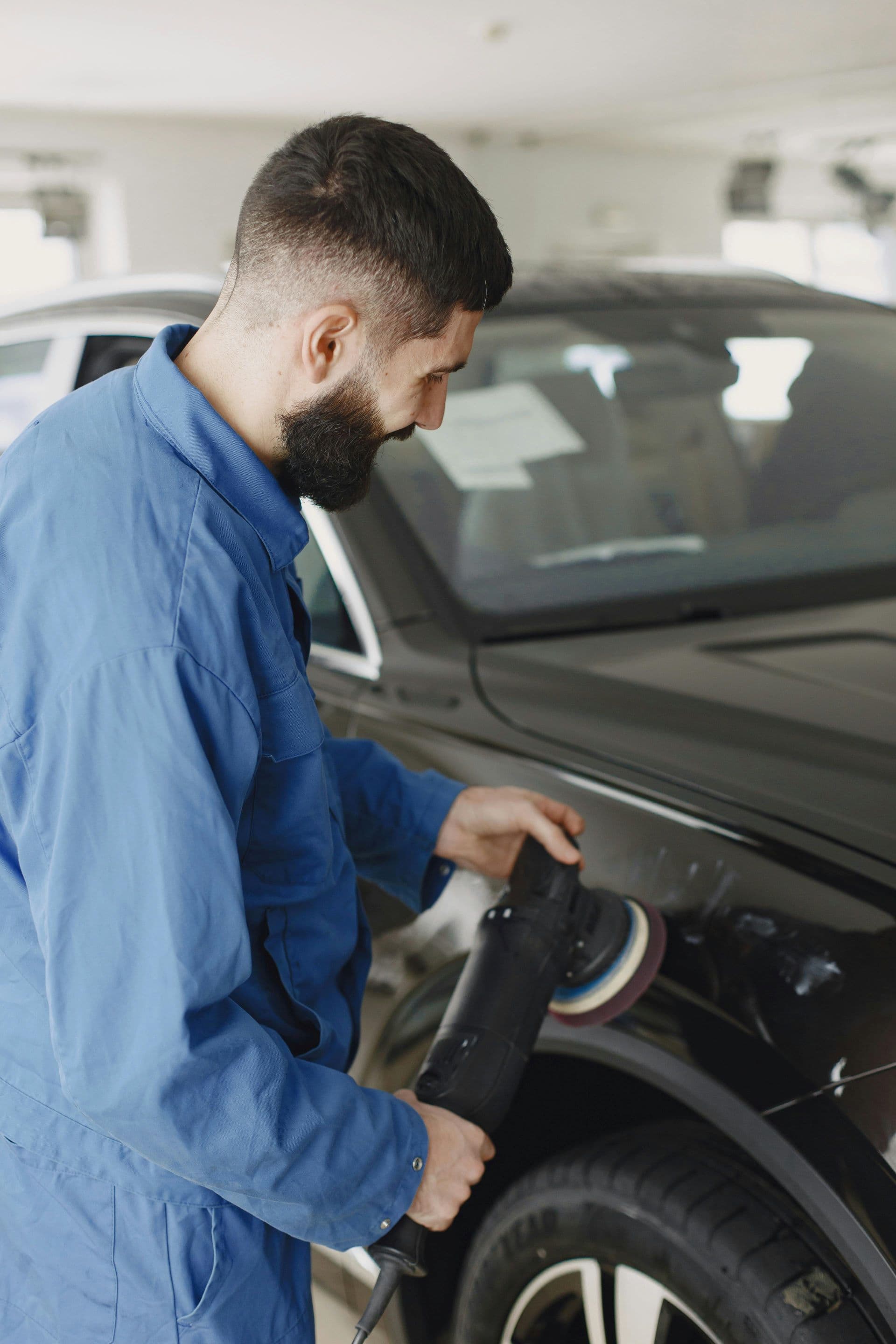
According to Autobody News, futurist Steve Greenfield told IBIS USA 2026 in Scottsdale that collision repairers are entering an era where software, sensors and new manufacturing techniques will dictate profitability as much as panel beating and paint.
In Greenfield’s view, the central challenge is complexity. Statista forecasts that electronics will account for about half of a new car’s cost by 2030, a shift that pushes even routine repairs into specialist territory. Advanced driver assistance systems, battery management and ever-denser wiring looms mean more diagnostic time, more calibrations and a greater need for technicians who can work confidently with digital systems as well as physical structures.
That complexity is landing on invoices. Greenfield cited Bloomberg and US Bureau of Labor Statistics comparisons suggesting repair costs have risen by close to 50% since the pandemic period began, outpacing general inflation. As severity rises, insurers respond with higher premiums, tighter underwriting and, in some cases, reluctance to cover specific models. He even floated a future where more manufacturers bundle or subsidise insurance to keep monthly ownership costs palatable.
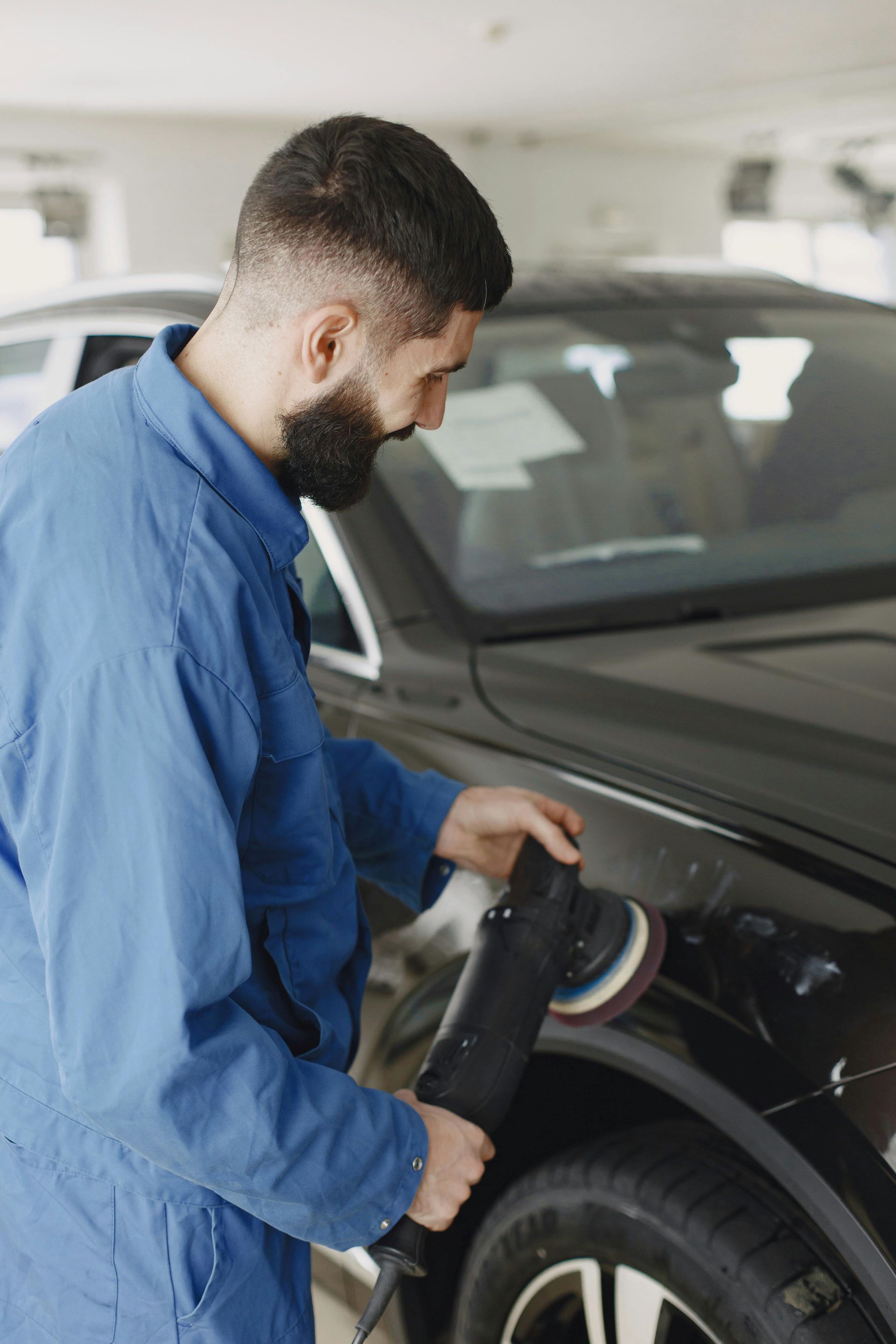
Design choices can amplify the problem. Using data from estimating platforms, Greenfield contrasted successive model years where a front bumper assembly can suddenly contain far more components, raising both parts and labour. For repairers, this translates into investment in specialised tooling, OEM procedures and ongoing training, with productivity increasingly tied to how well a shop manages diagnostics and documentation.
Meanwhile, manufacturing is splitting in two directions. Some vehicles add parts, while others move to gigacasting, where huge aluminium sections replace dozens of welded pieces. Tesla has argued that its megacast approach removes more than 1,600 welds from Model Y production. For bodyshops, fewer joins can mean fewer traditional repair operations, but it can also mean bigger, costlier structural replacements when damage does occur. Greenfield’s blunt warning was that the industry is edging towards vehicles that are, economically, ‘not repairable’ after certain impacts.
He also pointed to geopolitical and market forces. China’s production share has surged over two decades and its industry can take a vehicle from design to production far faster than many legacy manufacturers. With domestic capacity exceeding demand, exporters are motivated to push vehicles into overseas markets. If Chinese brands expand further in North America and Europe, repair networks may face new parts supply chains, unfamiliar repair standards and additional pressure on pricing.
Autonomy is the longer-term volume question. Earlier forecasts of rapid, full self-driving adoption proved optimistic, but more recent analyst projections still suggest major penetration by 2040. If automated systems reduce crashes materially, collision repair demand could soften even as work per job rises through calibration and electronics replacement.
Finally, Greenfield argued that AI will change how work finds shops. Gartner has predicted traditional search volume could fall as users turn to chatbots and virtual agents, and separately forecast that conversational AI could cut contact centre labour costs by $80 billion in 2026. The practical takeaway for repairers is to measure where enquiries originate, prepare for ‘answer engine’ visibility, and automate repetitive back-office tasks so skilled staff spend time on high-value decisions. The future may be unsettling, but the winners will be those who treat complexity as a capability, not a burden.
Staff Writer
Reporting from the front lines of the collision repair industry, delivering expert analysis and the technical updates that drive the African automotive sector forward.
More From News
Hyundai’s Youth Learnership Draws Unprecedented Interest
Hyundai SA receives 33,000 YES programme applications, highlighting youth unemployment and demand for digital-first job opportunities.

Fuel Price Rises Squeeze Independent Workshops as Motorists Delay Repairs
Soaring fuel prices in South Africa are squeezing independent automotive workshops, reducing bookings threatening SMEs and delaying maintenance

America’s Proposed In-car Drunk-Driving Sensors: safety Promises, Privacy Questions
US law mandates new cars to detect impaired driving using in-vehicle tech NHTSA rules face delays amid privacy and safety debates
Made in China, sold in Mzansi: The quiet revolution reshaping our car market
Chinese brands are rapidly rising in South Africa’s car market, challenging legacy automakers with strong sales, local production moves and scale.

South Africa Fuel Prices Surge to Record Highs in 2026
South Africans face sharp fuel price hikes from 6 May 2026 as petrol, diesel, paraffin and LPG surge due to oil prices, weak rand and higher levies.

Jetour Expands South African Footprint with Rosslyn Manufacturing
Jetour will build T-Series models in South Africa from 2027 at Rosslyn, targeting 50,000 units and over 3,000 jobs while expanding its PHEV range.