
A new wave of chip shortages is emerging across global supply chains this March, driven by escalating geopolitical tensions and surging demand for memory components.
Multiple industry reports and government warnings indicate that the semiconductor sector could face its most disruptive period since the pandemic era.
Warnings intensified after China’s commerce ministry cautioned that a global chip shortage may be imminent due to the deepening dispute between Dutch semiconductor firm Nexperia and its China-based operations. The conflict stems from the Dutch government’s 2025 decision to seize control of Nexperia from its Chinese parent Wingtech, an action that triggered retaliatory export restrictions and disrupted automotive production worldwide. Tensions escalated again on 7 March 2026 when Nexperia’s Chinese unit reported that its Dutch headquarters had disabled employee system access, prompting renewed fears of supply chain instability.
Alongside these political disputes, the semiconductor industry is confronting a severe tightening of global memory chip supplies. According to IDC, memory shortages for DRAM and NAND have intensified, with demand fuelled by rapidly expanding AI infrastructure outpacing supply throughout 2026. This imbalance has already pushed up prices and forced manufacturers to accelerate shipments ahead of further cost increases. Analysts now expect both smartphone and PC markets to shrink significantly during 2026 as higher component costs curb production volumes.

The situation is compounded by what some analysts have dubbed “RAMageddon” as AI companies consume unprecedented quantities of memory. The limited number of major memory manufacturers means that many consumer devices, from laptops to gaming consoles, will face shortages and rising retail prices. Industry experts warn that this trend will continue well into 2027, with little prospect of returning to pre-2025 pricing levels.
Further pressure comes from large technology companies preparing for sustained scarcity. Dell, HP and other major hardware makers have warned that memory supplies are tightening, with some firms stockpiling components to mitigate rising costs. Counterpoint Research anticipates memory module prices could rise by up to 50 percent through the first half of 2026, reinforcing fears of widespread supply disruption across electronics and automotive sectors.
Taken together, these developments signal a challenging year ahead for global manufacturing. With geopolitical tensions unresolved and AI-related demand continuing to surge, the chip shortage expected in March 2026 represents a structural shift rather than a temporary setback.
Staff Writer
Reporting from the front lines of the collision repair industry, delivering expert analysis and the technical updates that drive the African automotive sector forward.
More From News

Must Read: Competition Case in Botswana Could Reshape the Regional Repair Market
A Botswana competition case could influence insurer-repairer relationships and reshape vehicle repair markets across Southern Africa.
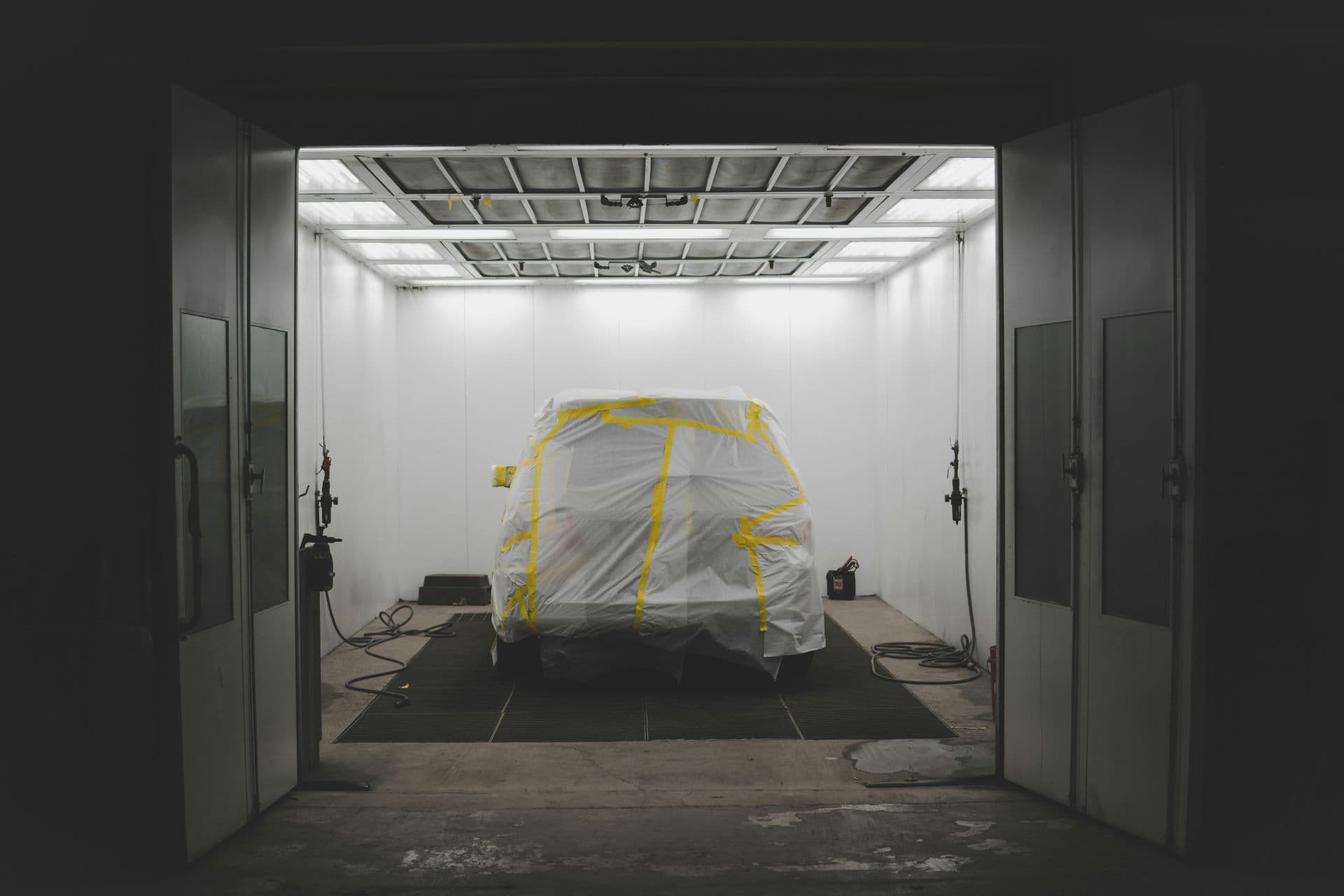
What drivers should look for when collecting a vehicle after collision repairs
Experts from South African Motor Body Repairers' Association explain how motorists can inspect their vehicle after collision repairs, covering panel gaps, paint finish and functionality checks.
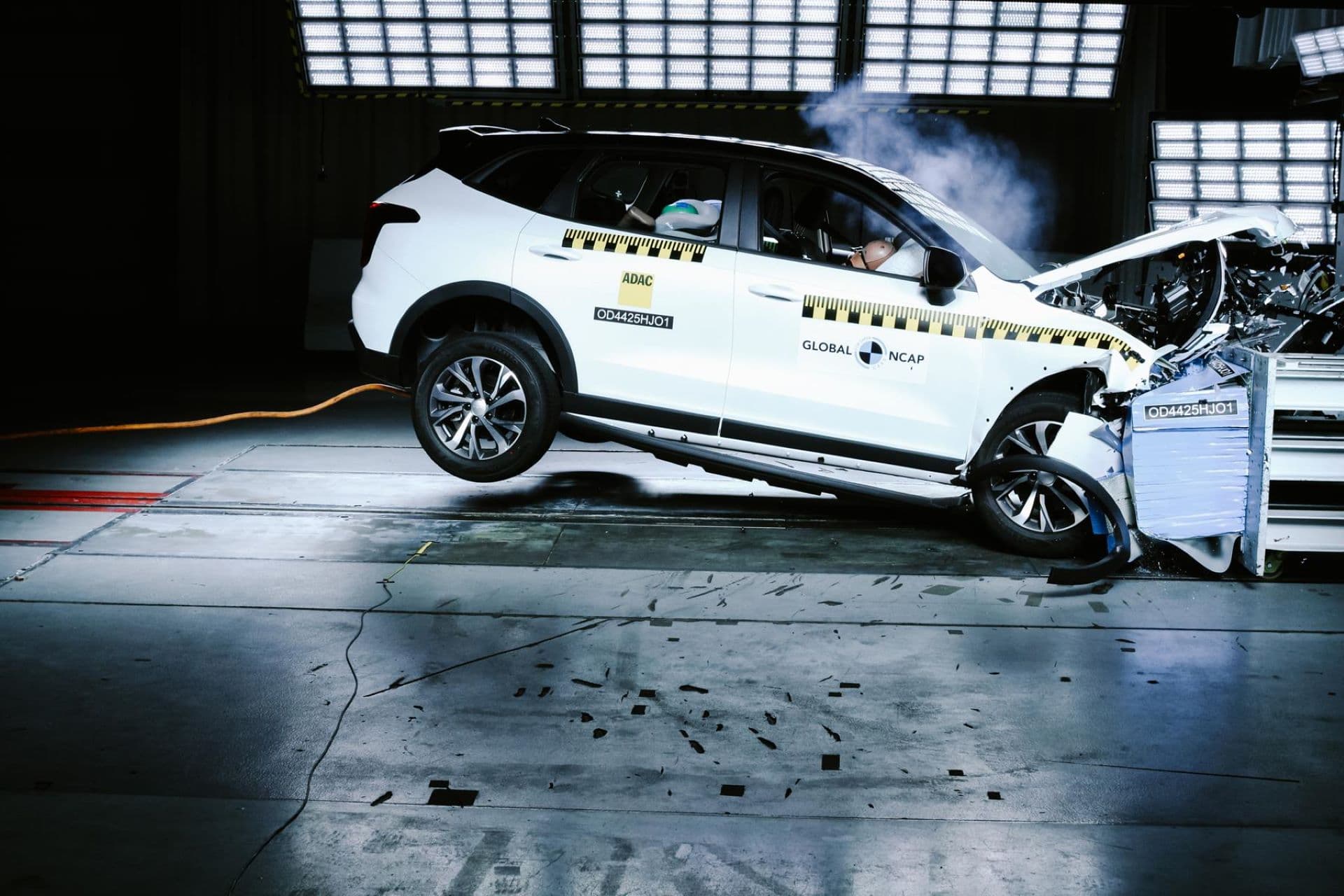
Entry-Level Cars Under Fire in Latest Crash Tests
South Africa’s entry-level cars face scrutiny after GNCAP crash tests reveal poor safety ratings for the Haval Jolion and Kia Sonet, prompting concern.
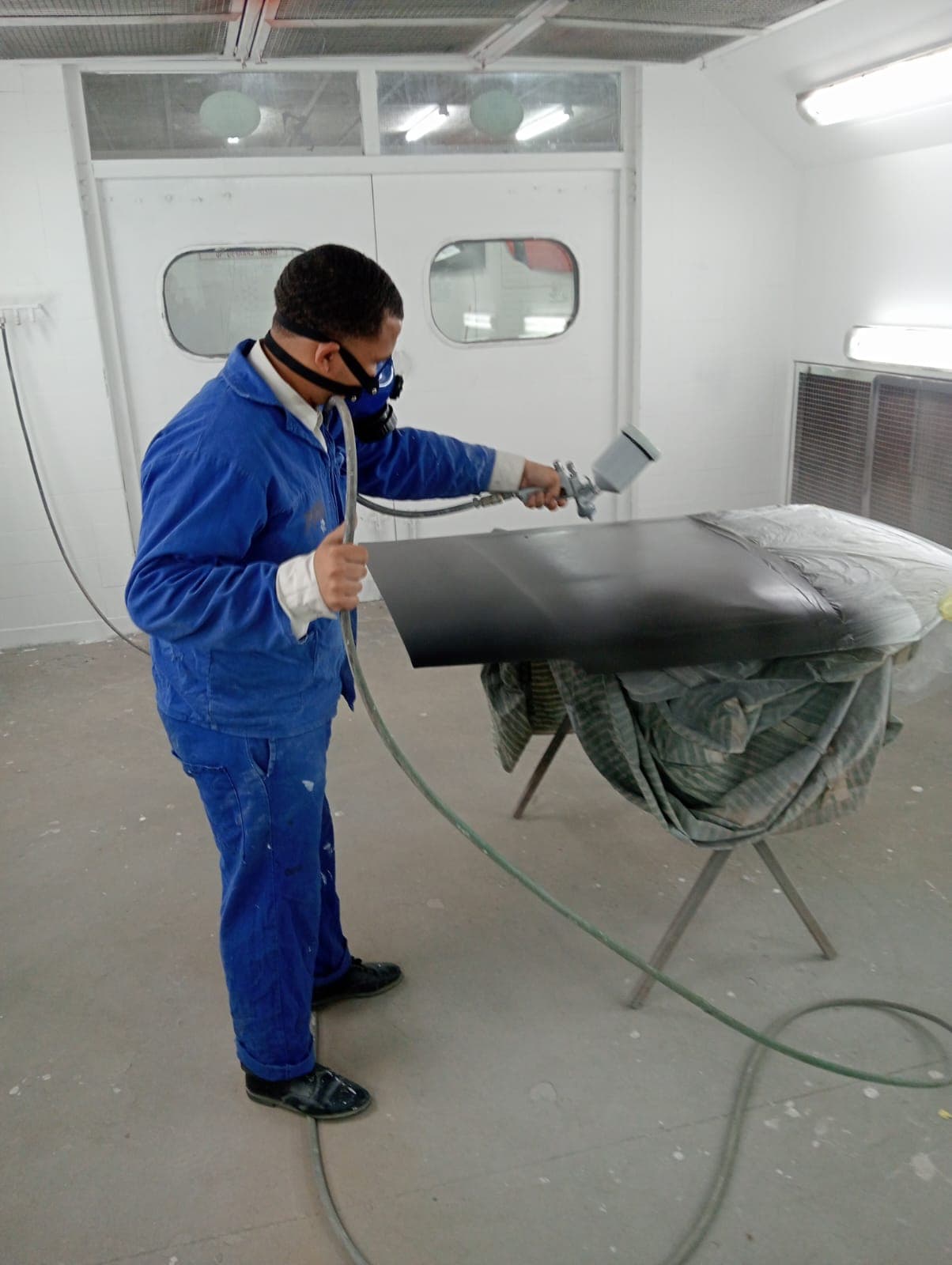
SAMBRA initiative puts young automotive talent in the spotlight
MIWA and SAMBRA host youth automotive competitions in Eastern Cape, offering training, hands-on experience and career pathways for young learners in 2026.
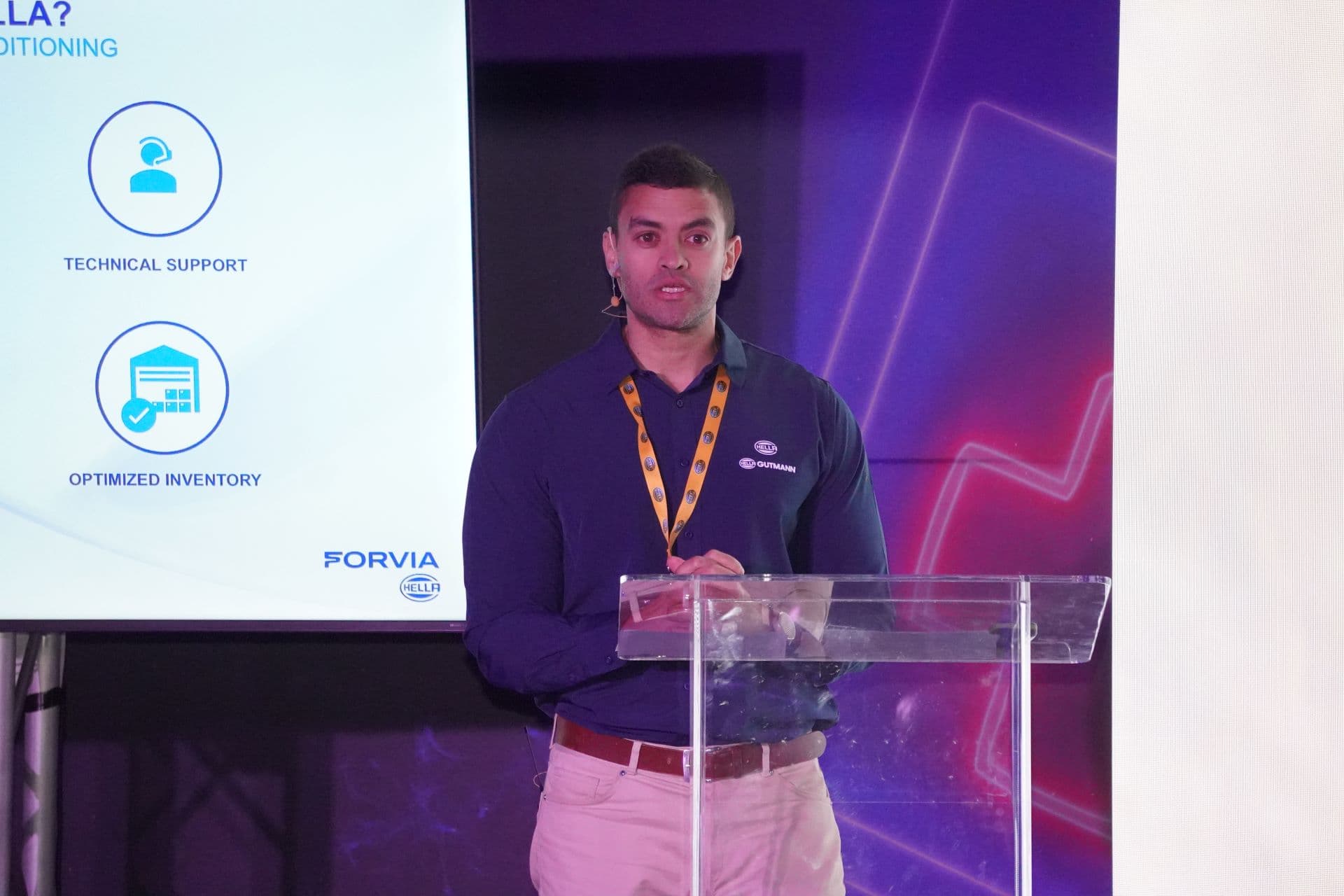
Hella returns to thermal management with long-term aftermarket push
Hella South Africa expands its thermal management range, targeting evolving vehicle technologies with 6,000+ SKUs planned by 2027.
Hino SA Honoured for Aftersales Excellence
Hino South Africa received two global awards for service and parts excellence, reinforcing its leadership in aftersales support.