The Rosslyn automotive plant in Pretoria, once a bastion of Japanese manufacturing strength, has
entered a new phase under the stewardship of Chery Automobile. This transition marks one of the
most significant shifts in South Africa’s automotive landscape in recent years.
For decades, Rosslyn was synonymous with Nissan production, embodying the dominance of
established Japanese brands. Today, Chery’s takeover reflects the changing fortunes of the industry,
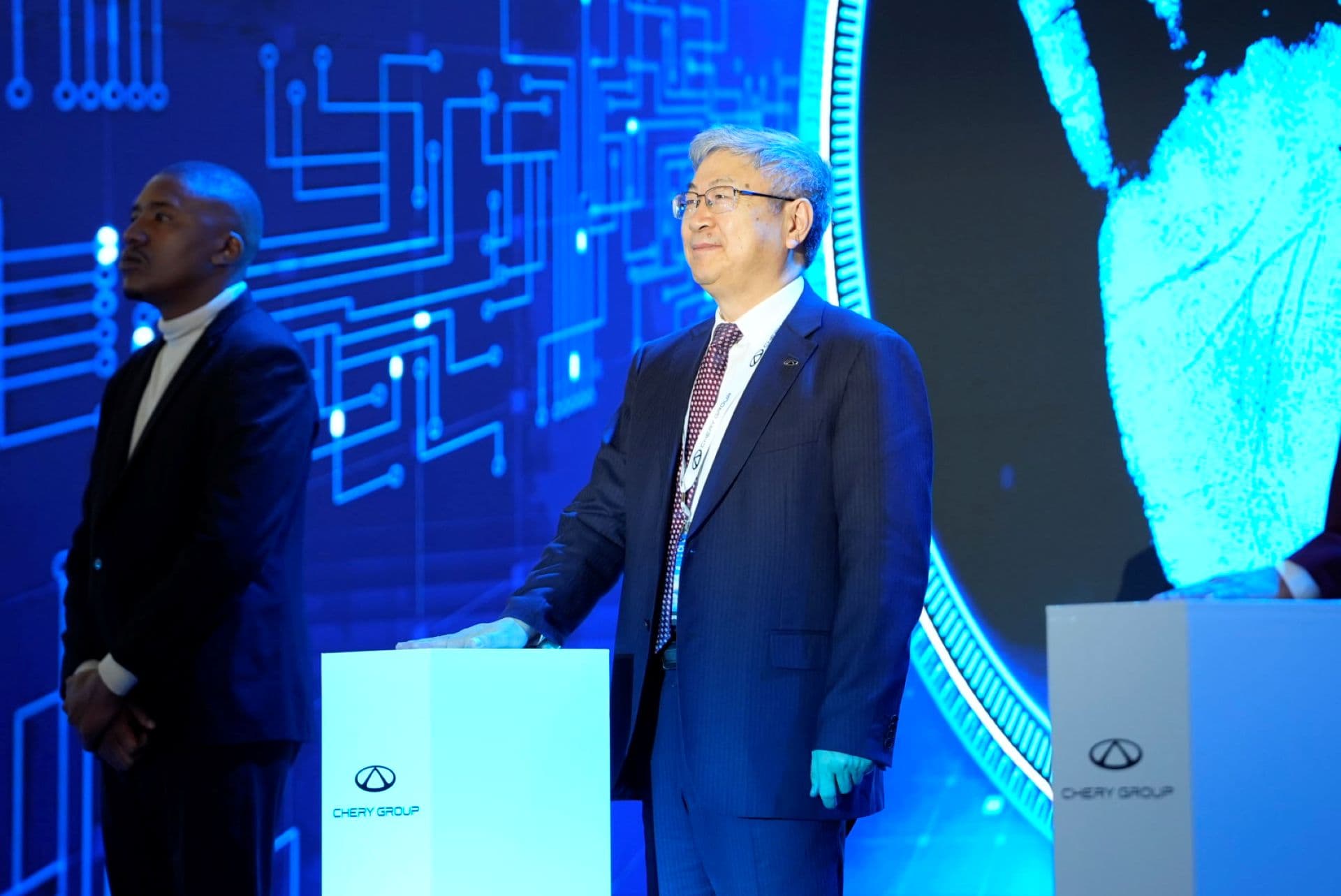
where Chinese manufacturers have surged to prominence. The official opening was attended by
senior government leaders and Chery’s chairman Yin Tongyue, signalling the strategic weight of the
investment.
Chery plans to commence production in mid2027 after modernising the facility. The initial output of
15,000 vehicles will include the Jetour T1 and T2, Jaecoo J5, and Tiggo 4 Cross. Importantly, the
company has pledged to retain all 692 employees while creating nearly 3,000 new jobs. This dual
commitment to continuity and expansion ensures that Rosslyn remains a cornerstone of local
employment.
The factory, established in 1963, is among South Africa’s oldest automotive sites. Chery’s vision
extends beyond assembly lines. The company intends to develop Rosslyn into a comprehensive
automotive hub, incorporating research and development, supply chain integration, and skills
training. South Africa is set to become Chery’s African headquarters for manufacturing, exports, and
innovation.
Yin Tongyue’s philosophy—“In Somewhere, For Somewhere, Be Somewhere”—captures the essence
of Chery’s approach. By embedding itself in the local economy and community, Chery aims to move
from being an importer to a manufacturer, and from a market participant to a longterm partner in
South Africa’s industrial story.
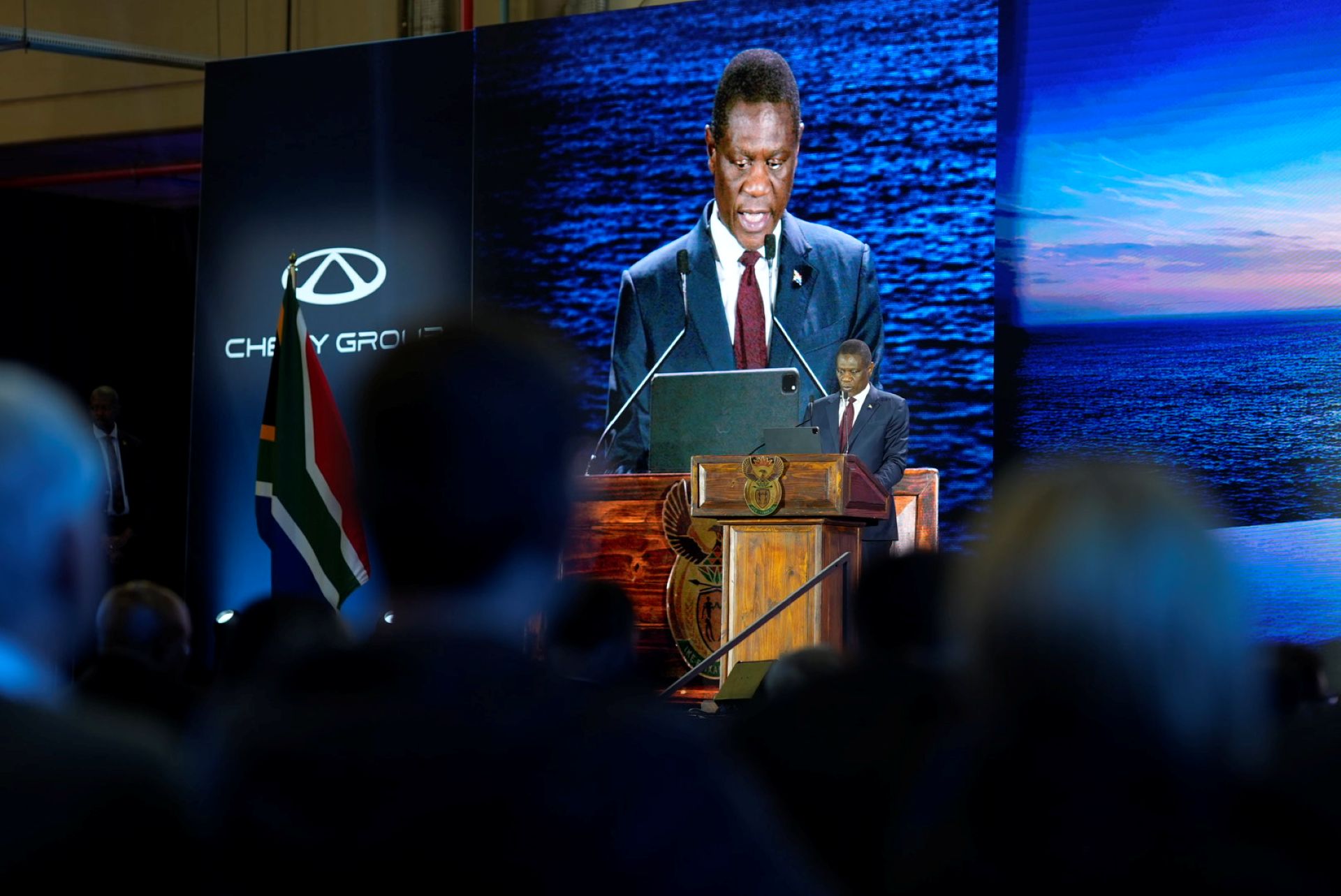
Premier Panyaza Lesufi welcomed the investment, noting its role in strengthening one of South
Africa’s most vital economic sectors. He praised the retention of experienced employees and
highlighted Chery’s commitment to localisation and sustainability. Deputy President Paul Mashatile
echoed these sentiments, describing the opening as a milestone in South Africa’s industrial
development.
Chery’s rise in South Africa has been swift. Since its return in 2021, it has become the secondlargest
passenger vehicle brand, with sales growing 29% year on year. The Tiggo 4 Pro was the country’s
bestselling passenger vehicle in 2025, underscoring the brand’s resonance with local consumers.
The Rosslyn investment is part of Chery’s broader African strategy. Beyond vehicles, the company
plans to expand into commercial transport, smart agricultural machinery, renewable energy, mineral
resources, robotics, and circular economy initiatives. Its South African portfolio now includes six
brands—Chery, Omoda, Jaecoo, Jetour, iCAUR, and Lepas—covering petrol, hybrid, and electric
vehicles. The company’s ultimate goal is to sell more than 100,000 vehicles annually in South Africa.
Rosslyn’s transformation from Nissan’s legacy to Chery’s vision encapsulates the broader evolution
of South Africa’s automotive industry. It is a story of continuity, change, and ambition—where a
historic site becomes the foundation for a new industrial future.
Staff Writer
Reporting from the front lines of the collision repair industry, delivering expert analysis and the technical updates that drive the African automotive sector forward.
More From Motoring
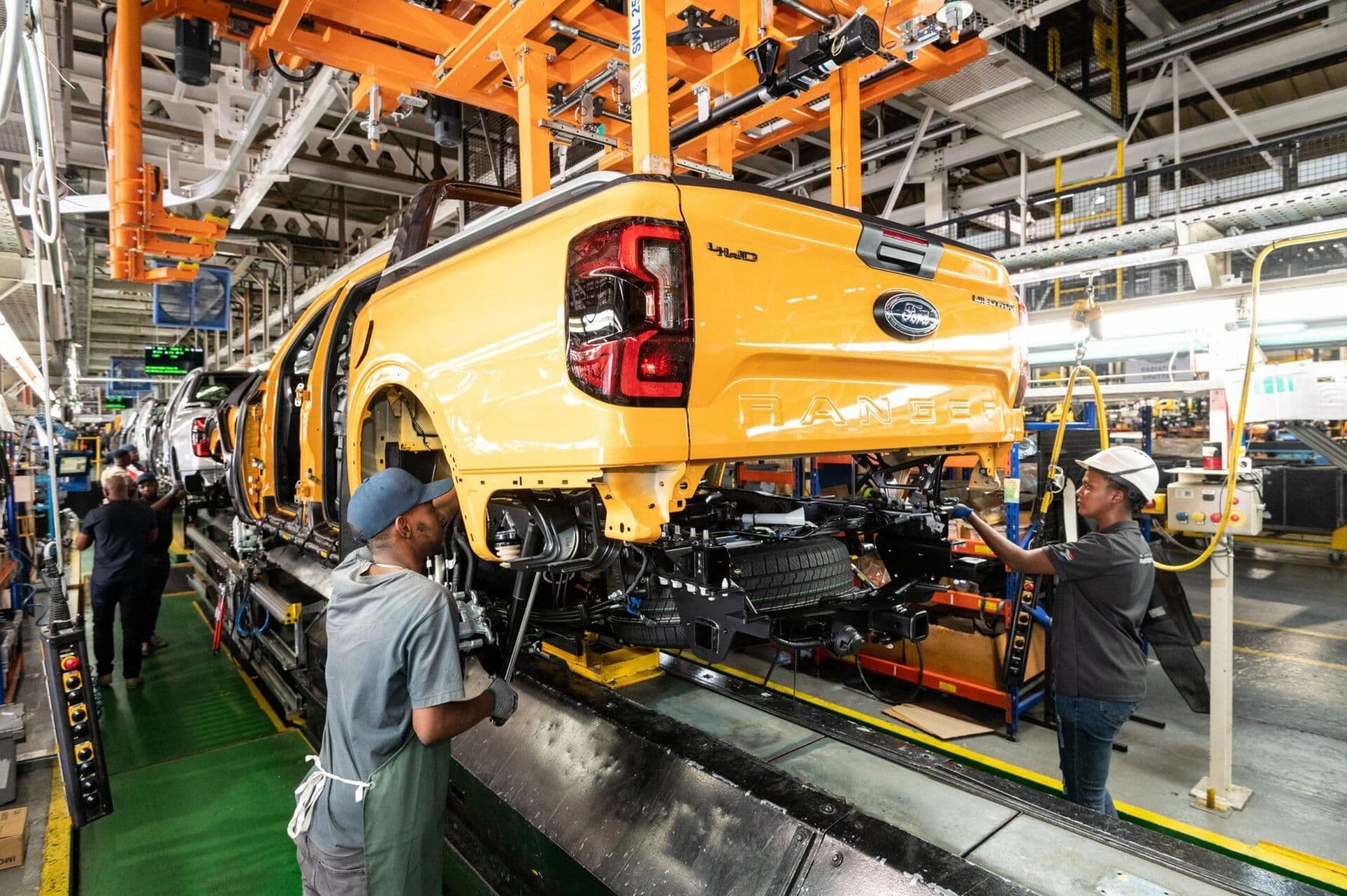
Ford’s Quality Comeback Shows AI Needs Human Memory
Ford’s quality improvement highlights why artificial intelligence works best when it is guided by the practical knowledge of experienced engineers and specialists.
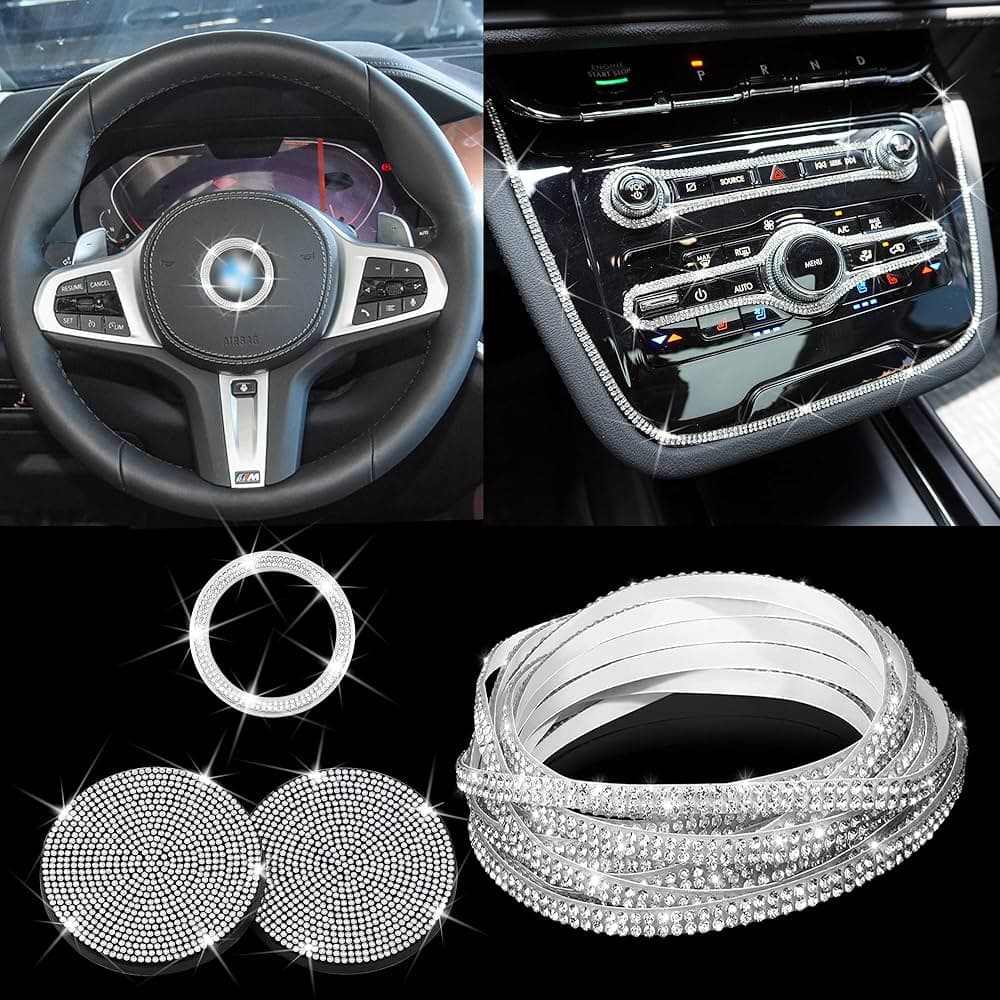
Tiny Car Accessories, Serious Crash Risks
Decorative steering wheel accessories may appear harmless, but safety warnings and medical reports show they can become dangerous projectiles during airbag deployment, causing severe injuries in crashes.
EKA Mobility Targets Africa with a Full-Spectrum EV Strategy
Indian electric vehicle manufacturer EKA Mobility is expanding into Africa with a broad portfolio of electric transport solutions, focusing on localisation, partnerships and long-term sustainability across diverse markets.
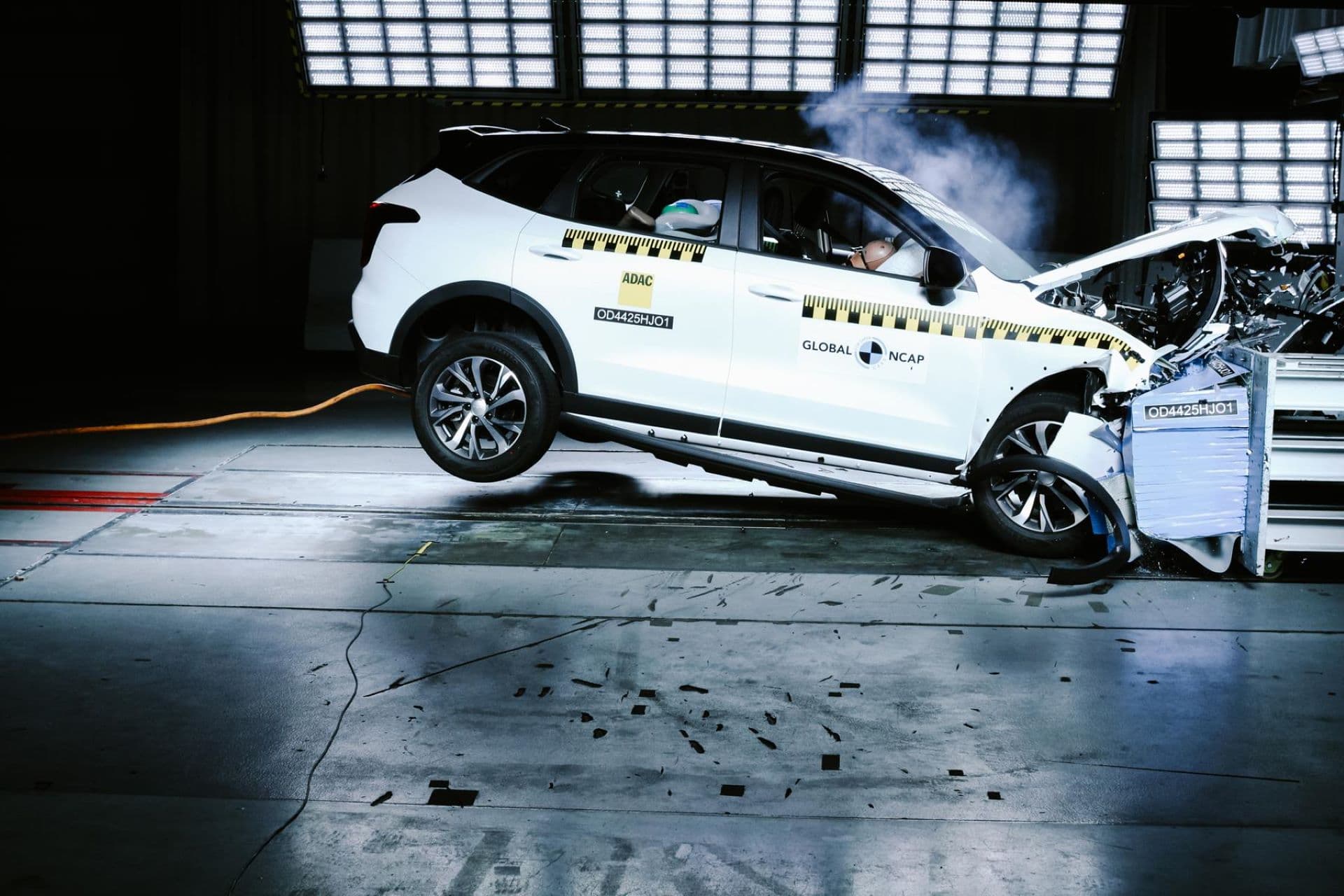
Entry-Level Cars Under Fire in Latest Crash Tests
South Africa’s entry-level cars face scrutiny after GNCAP crash tests reveal poor safety ratings for the Haval Jolion and Kia Sonet, prompting concern.
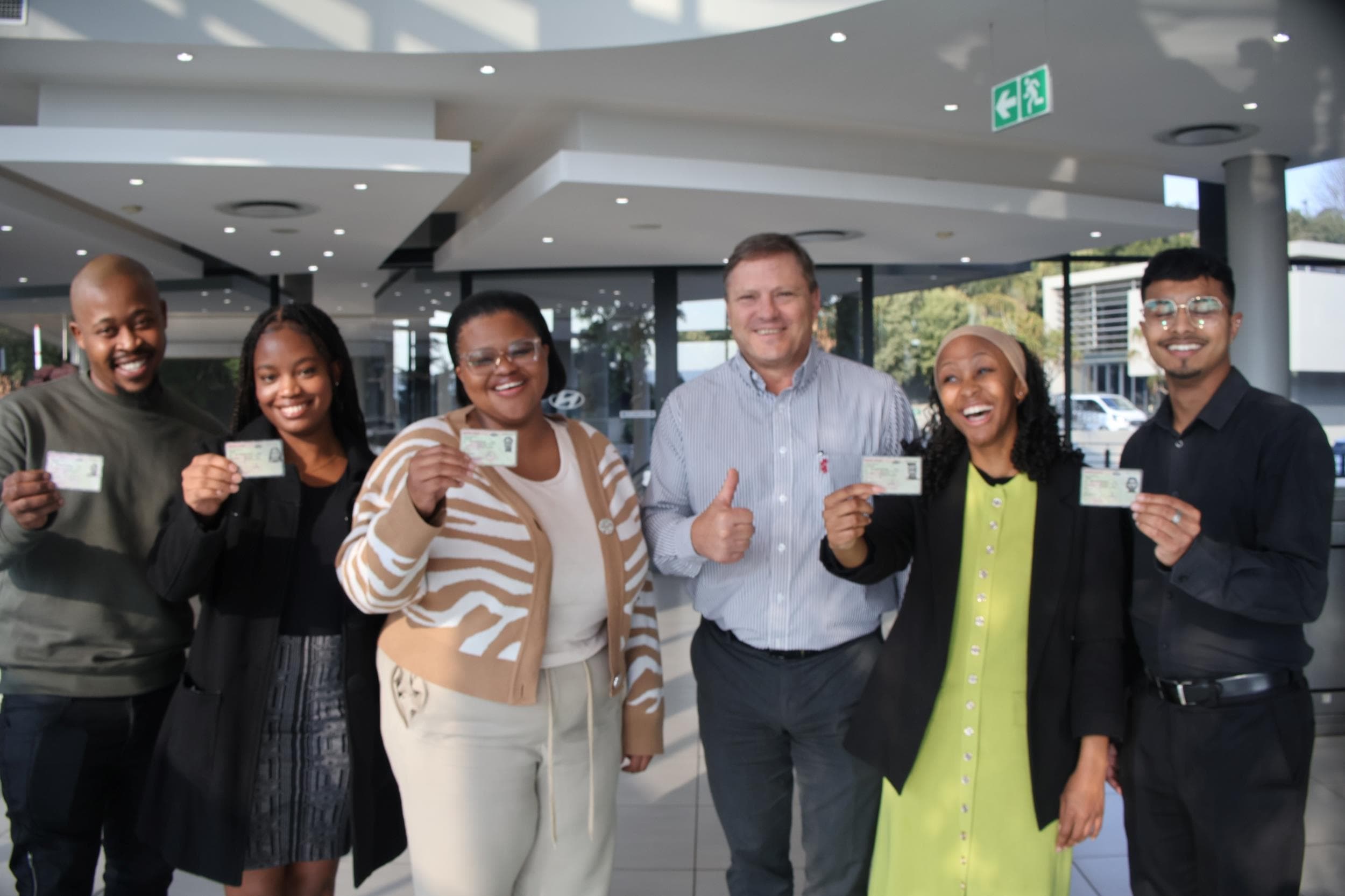
Hyundai Funds Driver’s Licences for YES Programme Youth
Hyundai South Africa funds driver’s licences for 50 YES programme participants, helping remove mobility barriers and improve employability.

Neglected Brakes Could Jeopardise Safety and Insurance Payouts
South African motorists are warned that poor brake maintenance can increase crash risk and lead to legal or insurance claim complications.