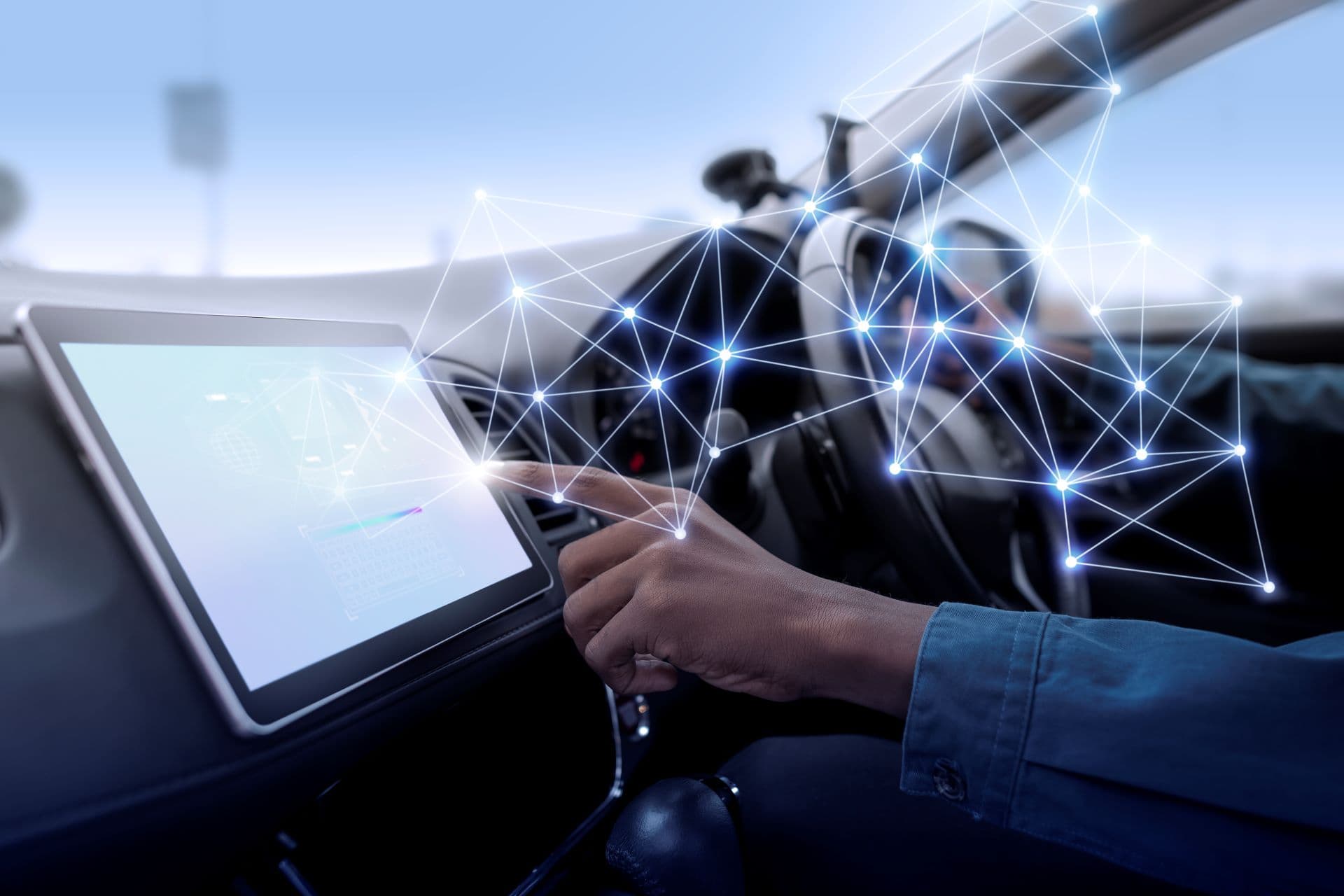
China and Europe are steering the automotive industry back towards physical controls, challenging the dominance of touchscreen-centric interiors that have defined many modern electric vehicles.
China’s Ministry of Industry and Information Technology (MIIT) is leading the shift with sweeping safety regulations that mandate the return of tactile buttons and ban certain futuristic design trends, while Euro NCAP is tightening its criteria for top safety ratings.
China’s proposed rules require essential functions—such as turn signals, hazard lights, gear selection and emergency calling—to be operated by physical switches at least 10 mm by 10 mm in size. Regulators argue that burying such controls in digital menus heightens driver distraction and jeopardises safety. This sentiment echoes wider concerns from drivers and experts alike who have criticised screen-reliant cabins for being cumbersome, laggy or unintuitive in real-world driving. Several manufacturers, including Mercedes-Benz and Volkswagen, have already begun reintroducing traditional buttons in response to customer feedback.
China’s overhaul goes further by targeting two headline-grabbing design features popularised by Tesla: steering yokes and flush retractable door handles. From 2027, both will be banned from new vehicles. Steering yokes fail to meet China’s updated impact-testing requirements, which demand assessment at ten points around the wheel—an impossible task for designs lacking a full rim. Regulators also warn of unpredictable airbag deployment and increased injury risk during collisions. Flush door handles, meanwhile, have been linked to rescuer access problems and even fatalities following crashes where electrically operated handles failed.
Europe is moving in parallel. From 2026, Euro NCAP will penalise vehicles that rely solely on touchscreens for critical tasks. To earn a five-star rating, cars must feature physical controls for indicators, hazard lights, wipers, the horn and emergency calls. The change follows research showing that touchscreen interactions can divert drivers’ attention for significantly longer than using a tactile control. Euro NCAP’s updated testing model emphasises safe driving, crash avoidance, occupant protection and post-crash safety, with clearer expectations for intuitive, low-distraction cabin layouts.
Together, these regulatory shifts reflect a growing international consensus: while digital dashboards may look sleek, safety—and simplicity—must come first.
Staff Writer
Reporting from the front lines of the collision repair industry, delivering expert analysis and the technical updates that drive the African automotive sector forward.
More From News
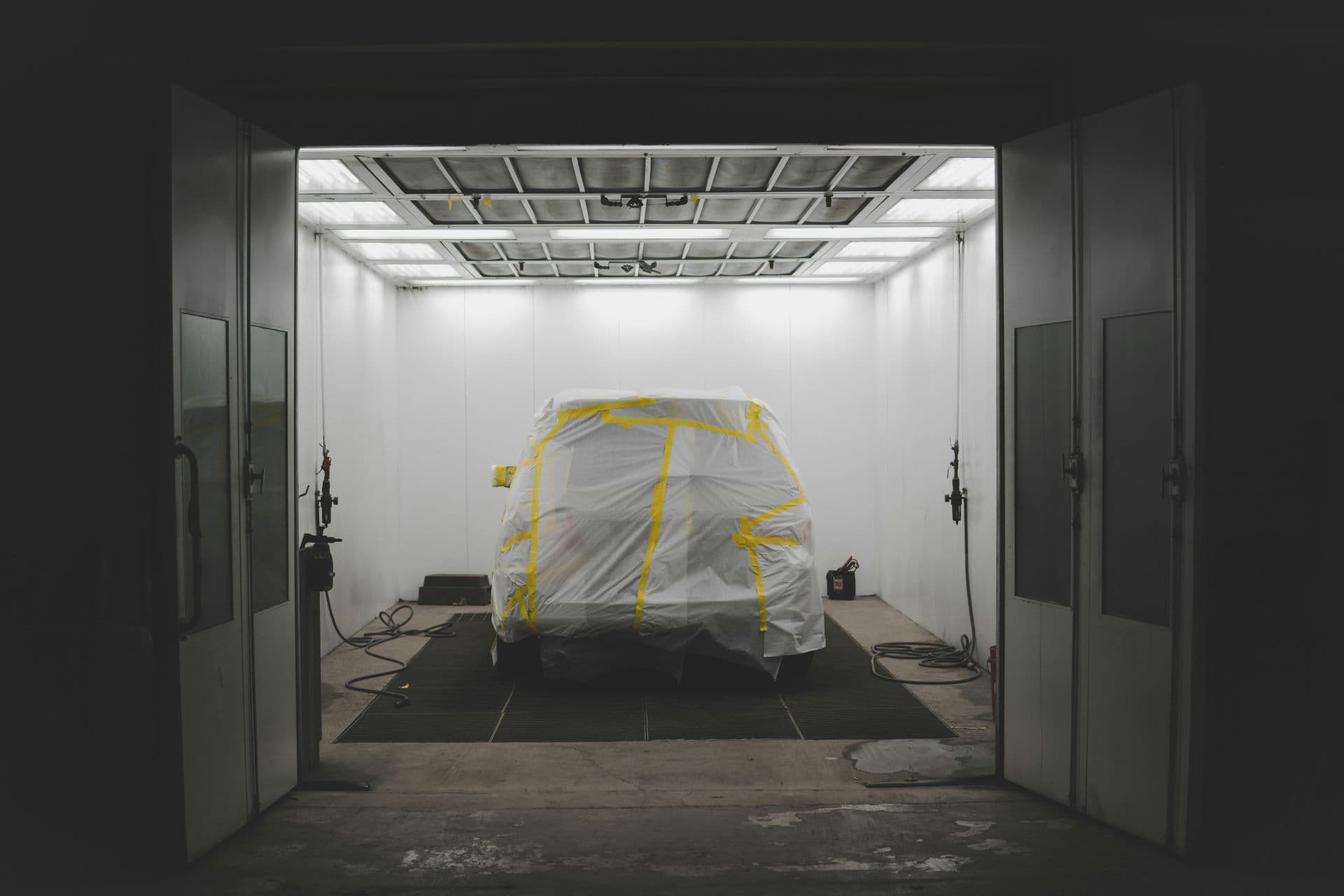
What drivers should look for when collecting a vehicle after collision repairs
Experts from South African Motor Body Repairers' Association explain how motorists can inspect their vehicle after collision repairs, covering panel gaps, paint finish and functionality checks.
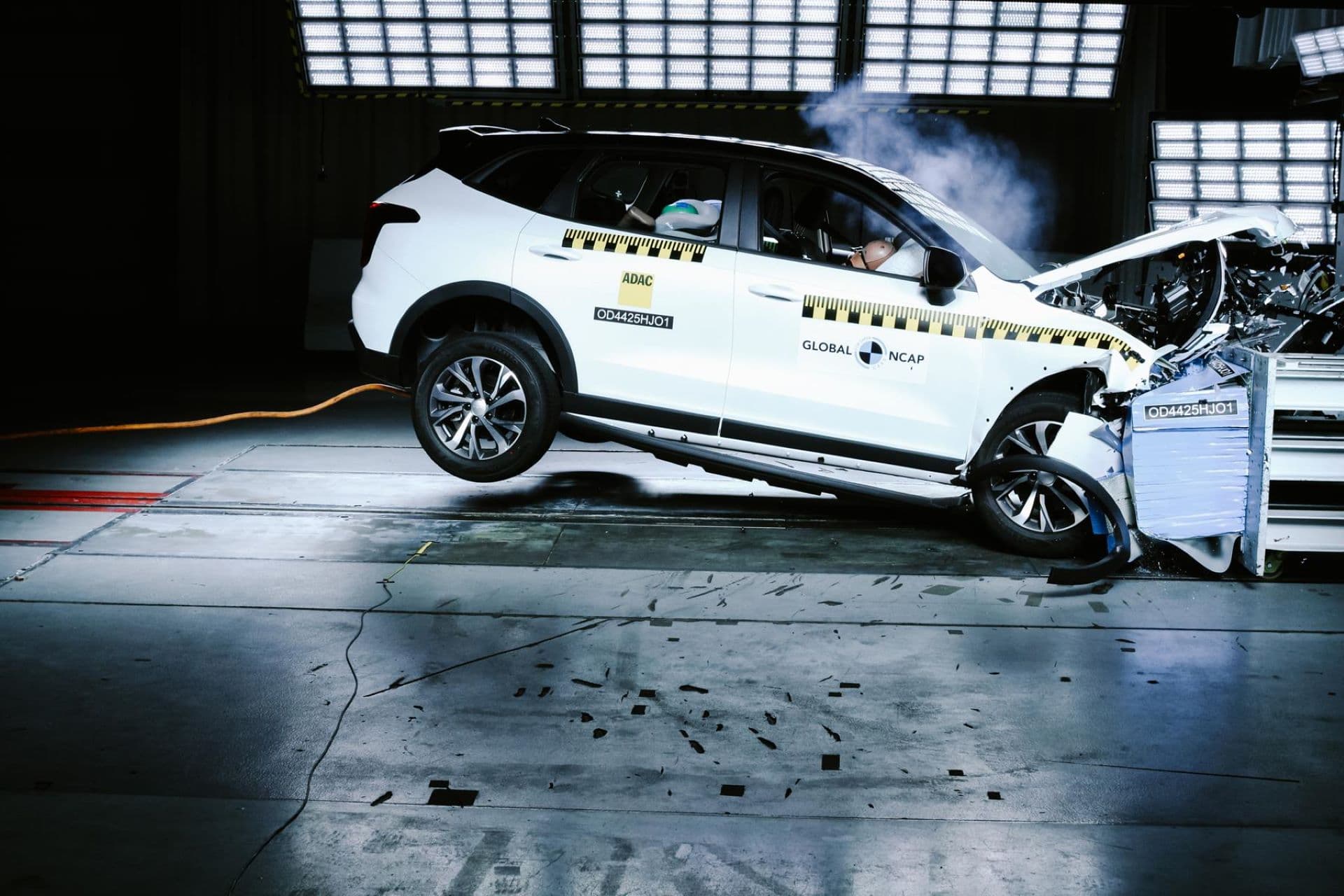
Entry-Level Cars Under Fire in Latest Crash Tests
South Africa’s entry-level cars face scrutiny after GNCAP crash tests reveal poor safety ratings for the Haval Jolion and Kia Sonet, prompting concern.
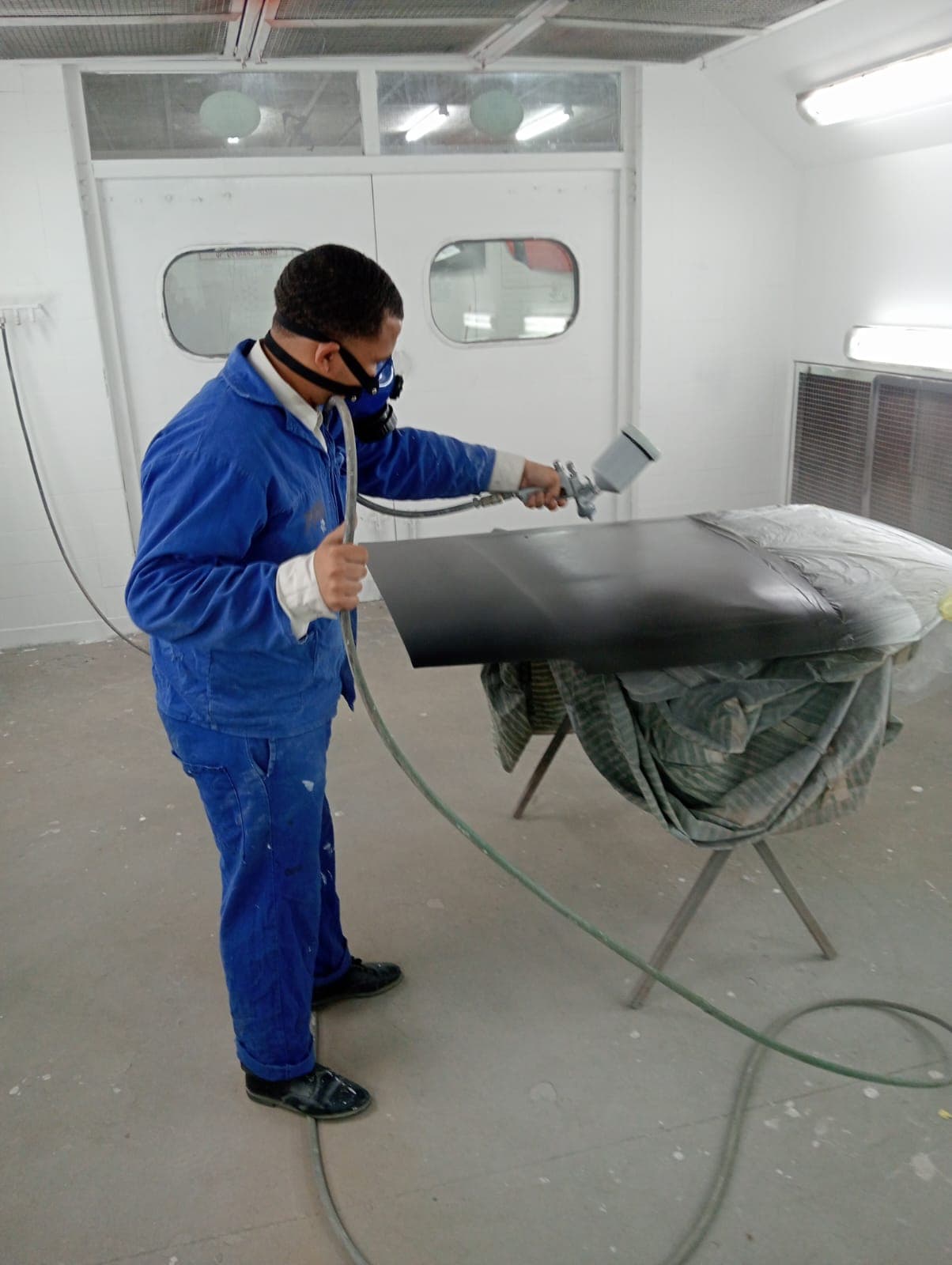
SAMBRA initiative puts young automotive talent in the spotlight
MIWA and SAMBRA host youth automotive competitions in Eastern Cape, offering training, hands-on experience and career pathways for young learners in 2026.

Hella returns to thermal management with long-term aftermarket push
Hella South Africa expands its thermal management range, targeting evolving vehicle technologies with 6,000+ SKUs planned by 2027.

Hino SA Honoured for Aftersales Excellence
Hino South Africa received two global awards for service and parts excellence, reinforcing its leadership in aftersales support.

Hella Urges Aftermarket to Prepare Now for a Changing Vehicle Parc
Hella outlines how distributors and workshops can adapt to ageing vehicles, EV growth and evolving aftermarket demands in South Africa.