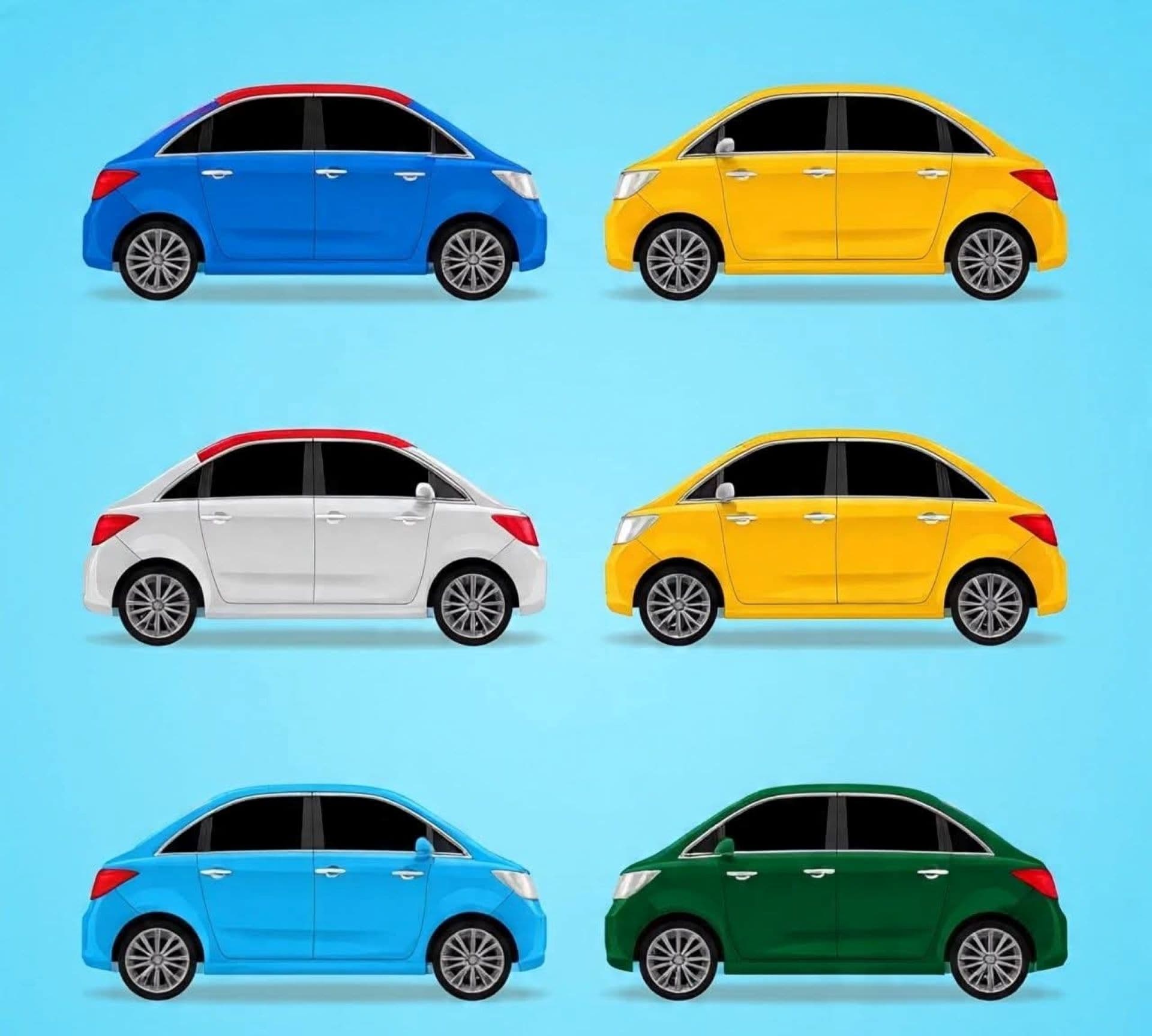
South Africa’s automotive landscape is changing rapidly as more vehicle brands enter the local market. While this growing variety offers consumers wider choice, the effects are being felt most sharply beyond the showroom floor — particularly within the motor body repair (MBR) sector.
The current repair accreditation framework was designed at a time when far fewer brands operated in the country. Today, an expanding mix of manufacturers and importers — each with its own repair methods, equipment demands and approval criteria — is placing increasing pressure on a system that has not evolved at the same pace.
Motor body repairers now find themselves navigating multiple, overlapping original equipment manufacturers (OEM) requirements, while insurers must manage an increasingly complex set of brand-specific approval rules. This has resulted in duplicated processes, inconsistent criteria and higher administrative burdens, challenges that are felt especially by independent and smaller repairers.
According to the South African Motor Body Repairers’ Association (SAMBRA), this growing complexity diverts attention and resources away from the fundamental purpose of the sector: performing safe, compliant repairs and protecting consumers.
A stable repair ecosystem relies on a balanced relationship between OEMs, repairers and insurers. OEMs set the technical standards, repairers carry out the work, and insurers fund and regulate large parts of the process. When these three groups fall out of alignment, the entire value chain absorbs the impact. Despite working in different parts of the industry, they are not competitors; they are interdependent participants in a shared system.
The strain caused by misalignment is already visible across related sectors. Rising operating costs, increased competition and tougher compliance demands have contributed to restructuring and job losses in parts of the wider motor industry. SAMBRA warns that, without coordinated action, the repair sector could face similar pressures — a concern given its role in employing skilled tradespeople and maintaining road safety.
This is not a hypothetical future risk but an existing issue requiring collective leadership.
SAMBRA is calling for greater standardisation to simplify processes without compromising the integrity of OEM requirements. A more consistent framework, the organisation argues, would reduce needless duplication and cut through the growing administrative load, while still allowing for competition and technological progress.
An initial step towards this is the proposed formation of an Industry Sustainability Forum involving SAMBRA, the South African Insurance Association (SAIA) and the National Association of Automobile Manufacturers of South Africa (NAAMSA). The aim is to find practical ways to align expectations, reduce friction and strengthen the repair ecosystem.
South Africa’s automotive sector has long shown adaptability in the face of change. Ensuring that the repair industry evolves alongside increasing brand diversity is now essential if it is to remain safe, efficient and economically viable.
SAMBRA says it will continue working with industry partners as discussions develop, emphasising that the issue requires ongoing attention and collaboration.
Staff Writer
Reporting from the front lines of the collision repair industry, delivering expert analysis and the technical updates that drive the African automotive sector forward.
More From News

Must Read: Competition Case in Botswana Could Reshape the Regional Repair Market
A Botswana competition case could influence insurer-repairer relationships and reshape vehicle repair markets across Southern Africa.
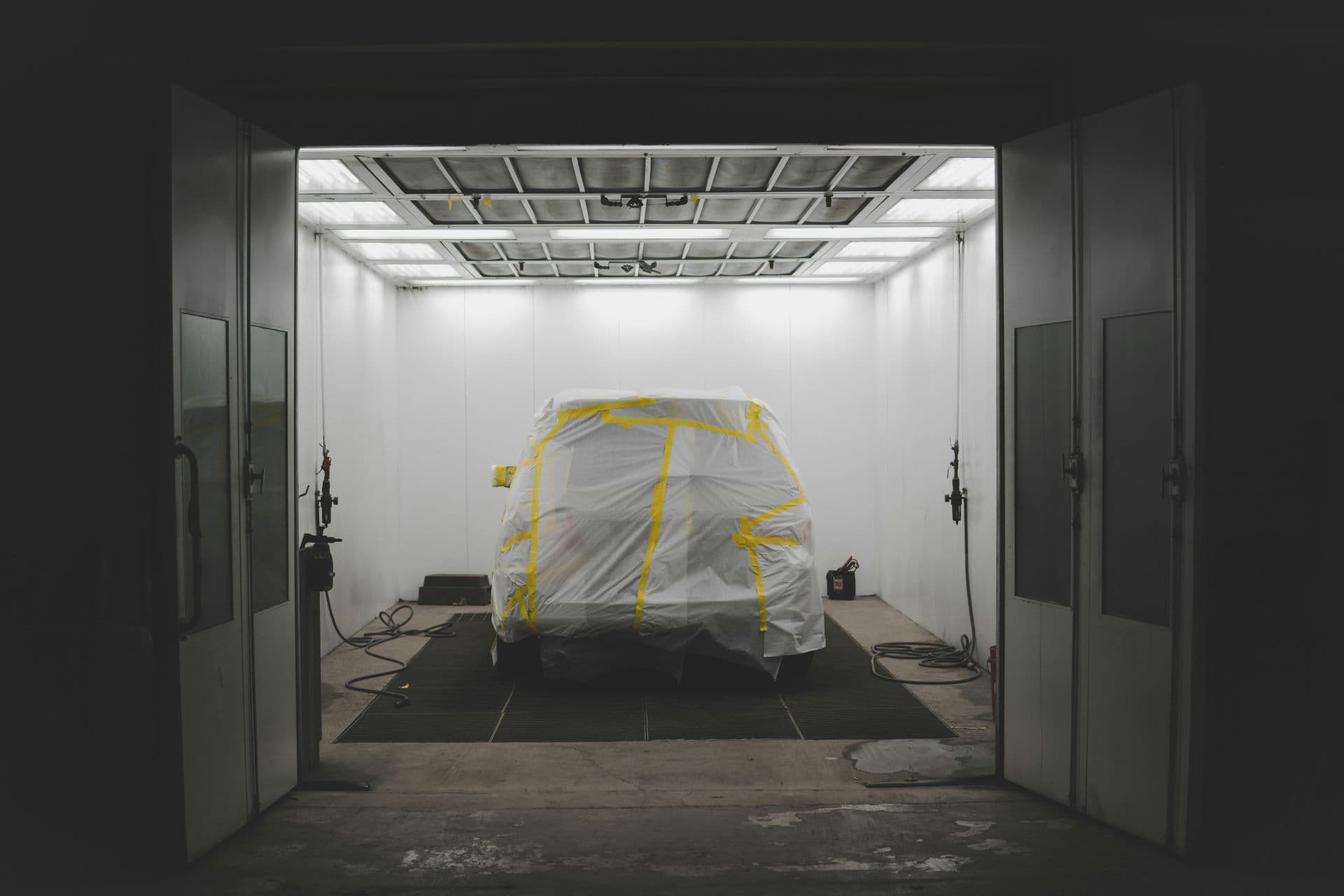
What drivers should look for when collecting a vehicle after collision repairs
Experts from South African Motor Body Repairers' Association explain how motorists can inspect their vehicle after collision repairs, covering panel gaps, paint finish and functionality checks.
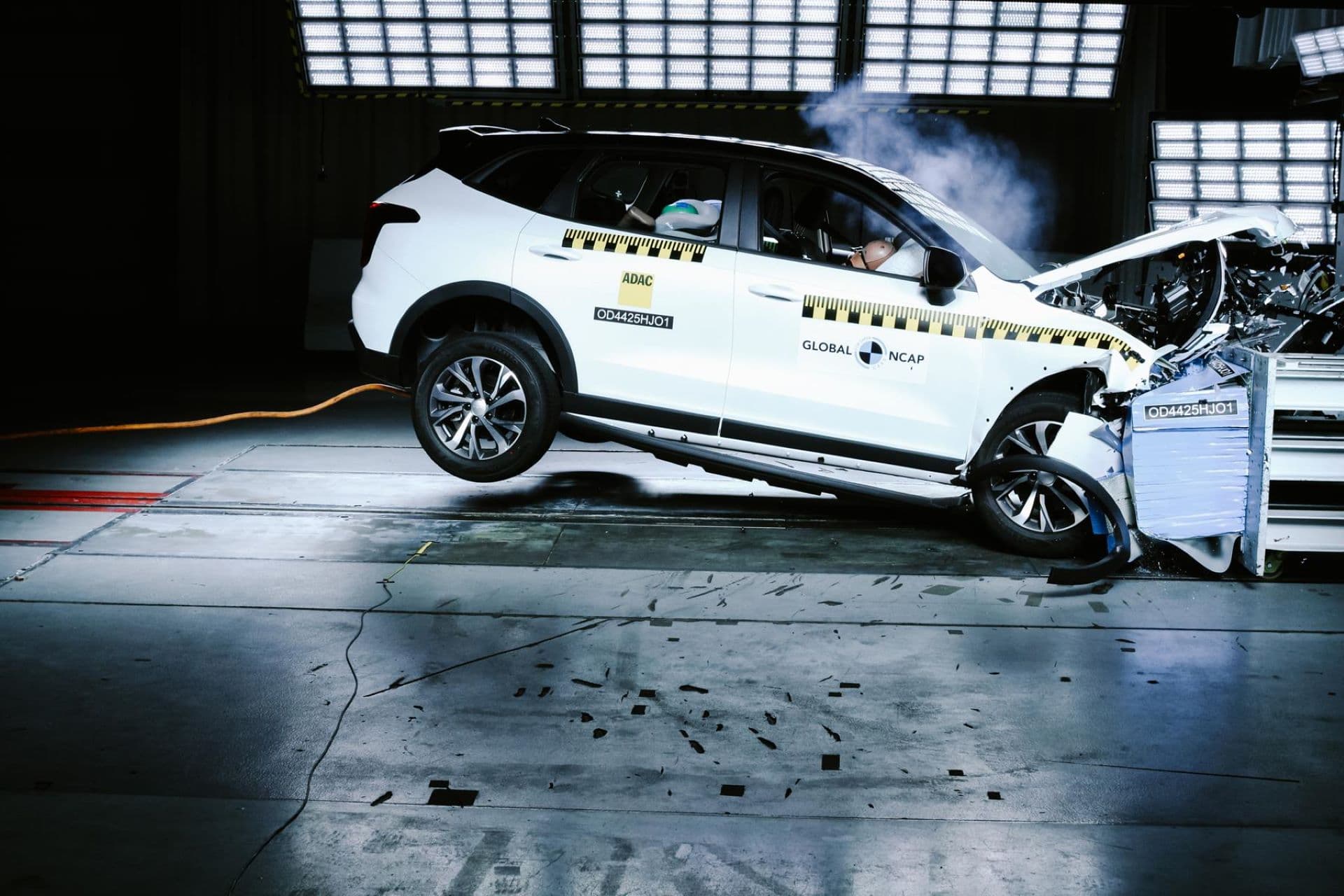
Entry-Level Cars Under Fire in Latest Crash Tests
South Africa’s entry-level cars face scrutiny after GNCAP crash tests reveal poor safety ratings for the Haval Jolion and Kia Sonet, prompting concern.
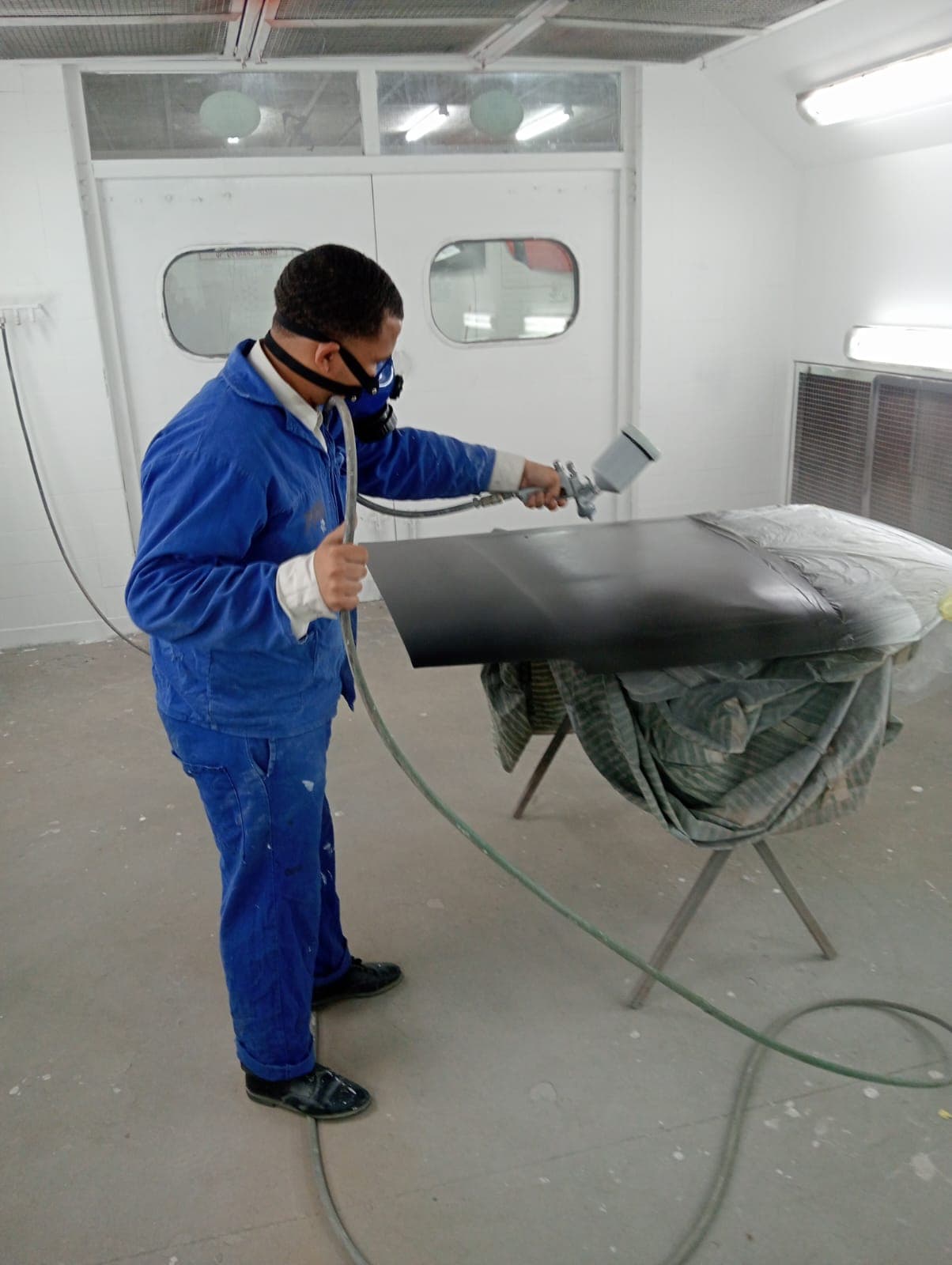
SAMBRA initiative puts young automotive talent in the spotlight
MIWA and SAMBRA host youth automotive competitions in Eastern Cape, offering training, hands-on experience and career pathways for young learners in 2026.
Hella returns to thermal management with long-term aftermarket push
Hella South Africa expands its thermal management range, targeting evolving vehicle technologies with 6,000+ SKUs planned by 2027.
Hino SA Honoured for Aftersales Excellence
Hino South Africa received two global awards for service and parts excellence, reinforcing its leadership in aftersales support.