The South African automotive market is witnessing a surge in new-energy vehicle adoption, but not all electric options are created equal. Industry analysts are warning consumers that plug-in hybrids may represent a costly compromise compared to fully electric alternatives.
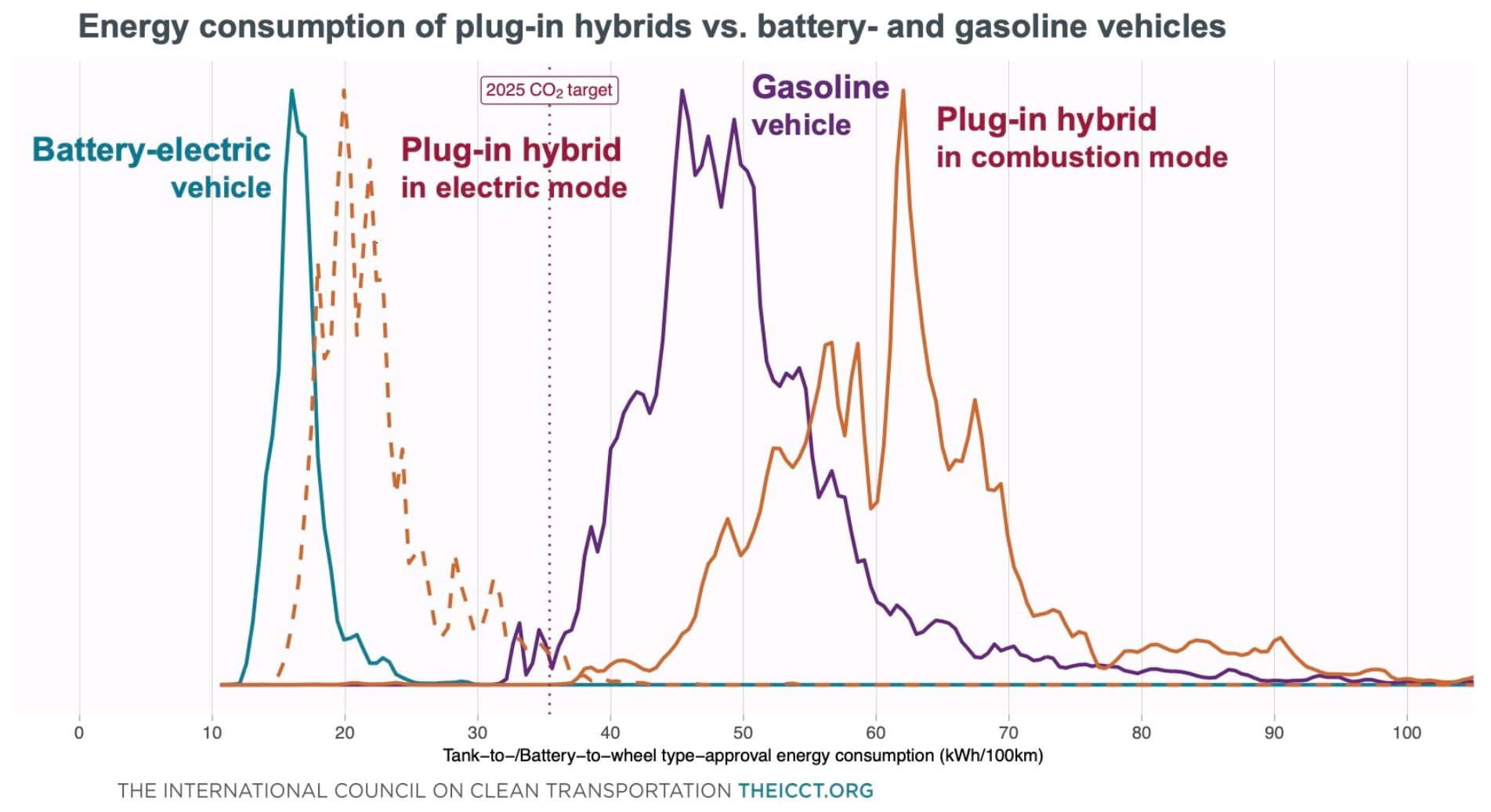
Recent analysis from the International Council on Clean Transportation highlights significant performance and efficiency gaps in hybrid technology. Hiten Parmar, Executive Director of The Electric Mission, articulates the core issue facing consumers.
"In recent months, South Africa's market has been seeing an increased uptake of plug-in hybrid vehicles, yet these vehicles combine the worst of both worlds," says Parmar. "While these might address perceived range anxiety concerns, they are counter to the claimed benefits as marketed by vehicle manufacturers."
Evidence from real-world testing paints a concerning picture. PHEVs running on electric power alone consume more energy than contemporary battery-electric vehicles. When switching to petrol mode, these vehicles demonstrate substantially higher fuel consumption alongside CO2 emissions that can exceed advertised levels by up to five times.
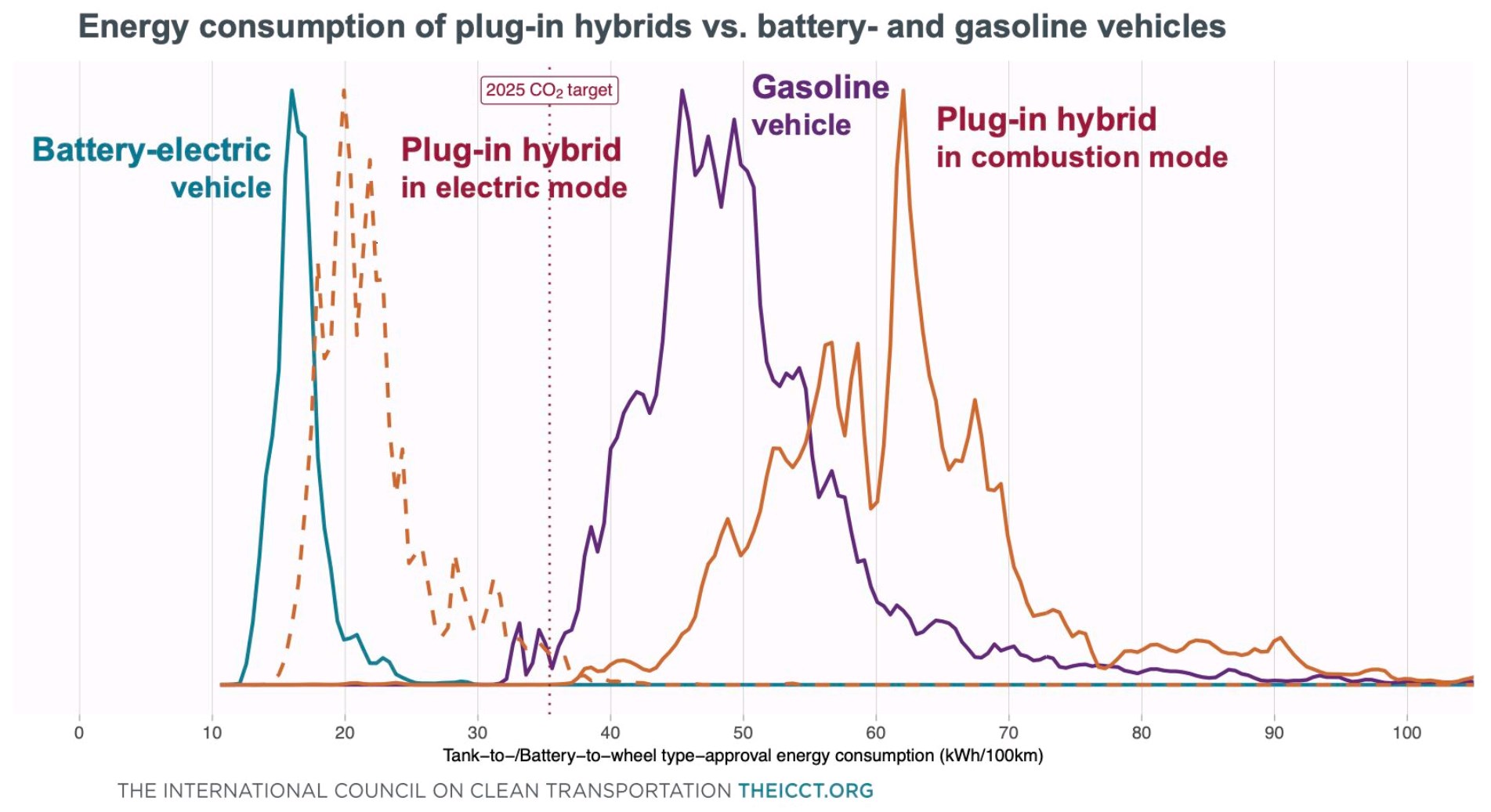
The complexity of maintaining two powertrains creates ongoing financial burdens for owners.
"The hybrid design comes at a significant cost," Parmar explains. "The additional weight drives inefficiency, and the costs to run the vehicle are much higher than a battery-electric model, as it must adhere to standard internal combustion maintenance cycles and carry both a battery and a fuel tank."
For South African drivers, battery-electric vehicles offer a more practical solution. Current models adequately cover average daily travel requirements whilst home charging provides genuine cost savings and convenience, making pure electric the smarter long-term choice.
Staff Writer
Reporting from the front lines of the collision repair industry, delivering expert analysis and the technical updates that drive the African automotive sector forward.
More From News

Must Read: Competition Case in Botswana Could Reshape the Regional Repair Market
A Botswana competition case could influence insurer-repairer relationships and reshape vehicle repair markets across Southern Africa.
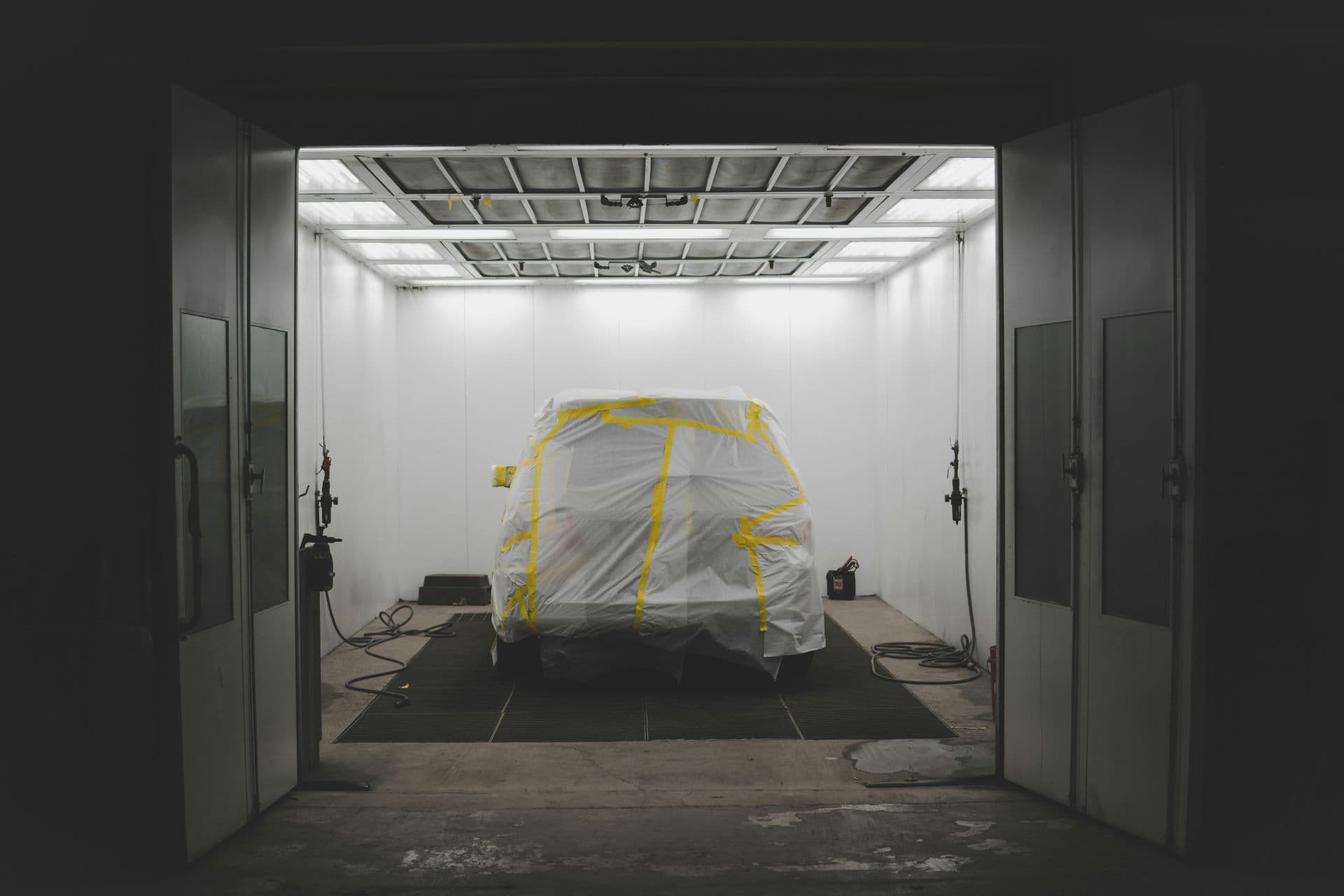
What drivers should look for when collecting a vehicle after collision repairs
Experts from South African Motor Body Repairers' Association explain how motorists can inspect their vehicle after collision repairs, covering panel gaps, paint finish and functionality checks.
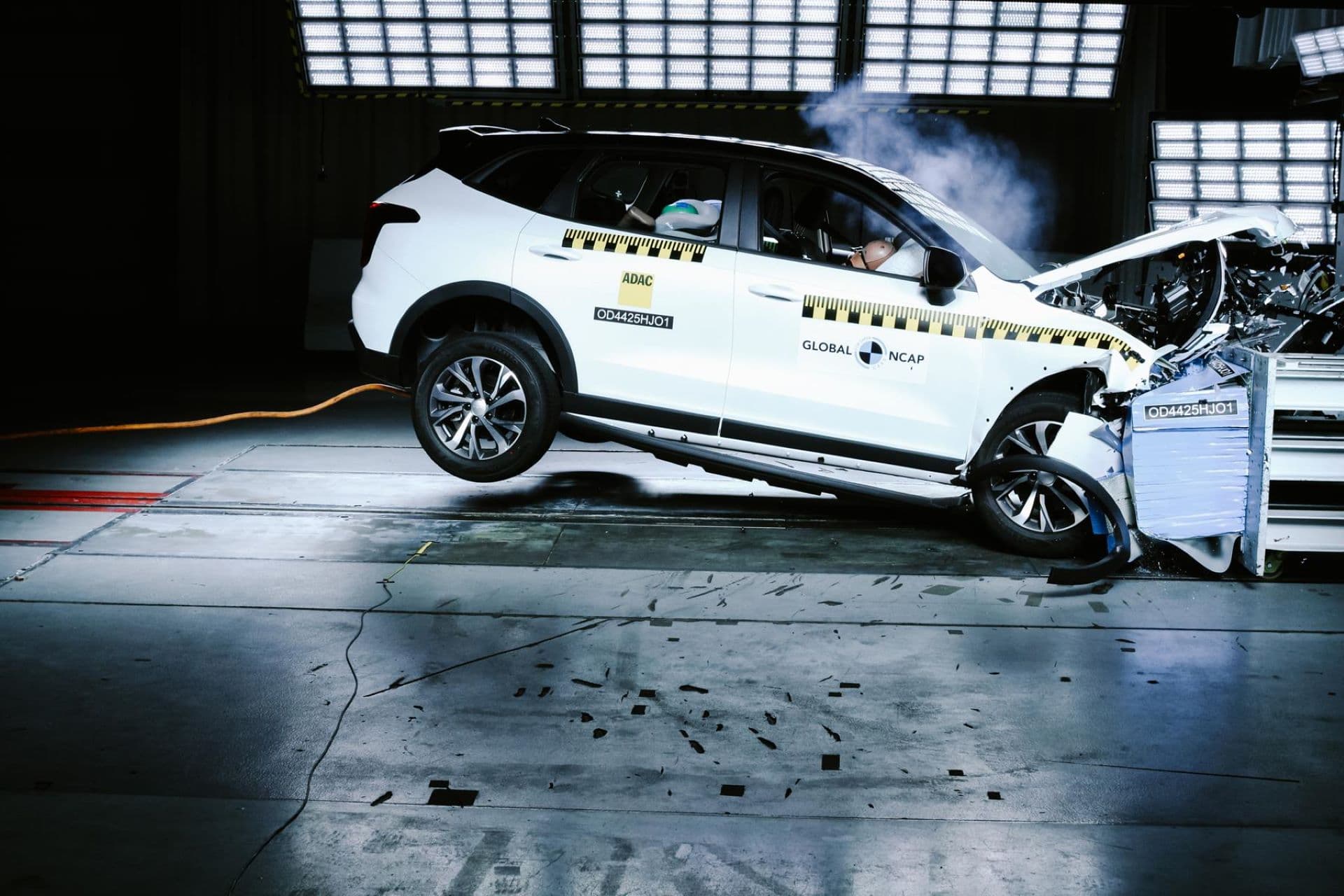
Entry-Level Cars Under Fire in Latest Crash Tests
South Africa’s entry-level cars face scrutiny after GNCAP crash tests reveal poor safety ratings for the Haval Jolion and Kia Sonet, prompting concern.
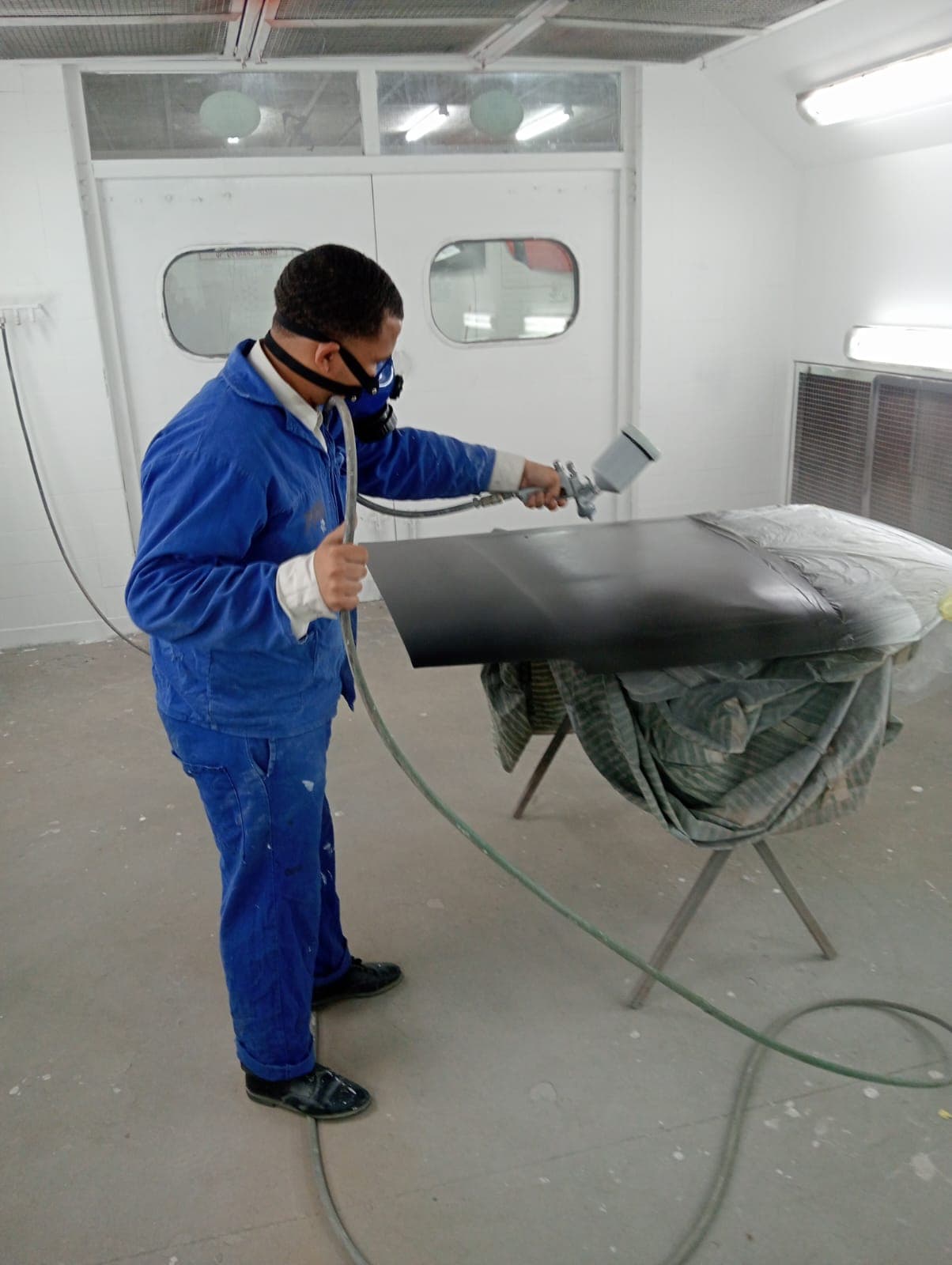
SAMBRA initiative puts young automotive talent in the spotlight
MIWA and SAMBRA host youth automotive competitions in Eastern Cape, offering training, hands-on experience and career pathways for young learners in 2026.
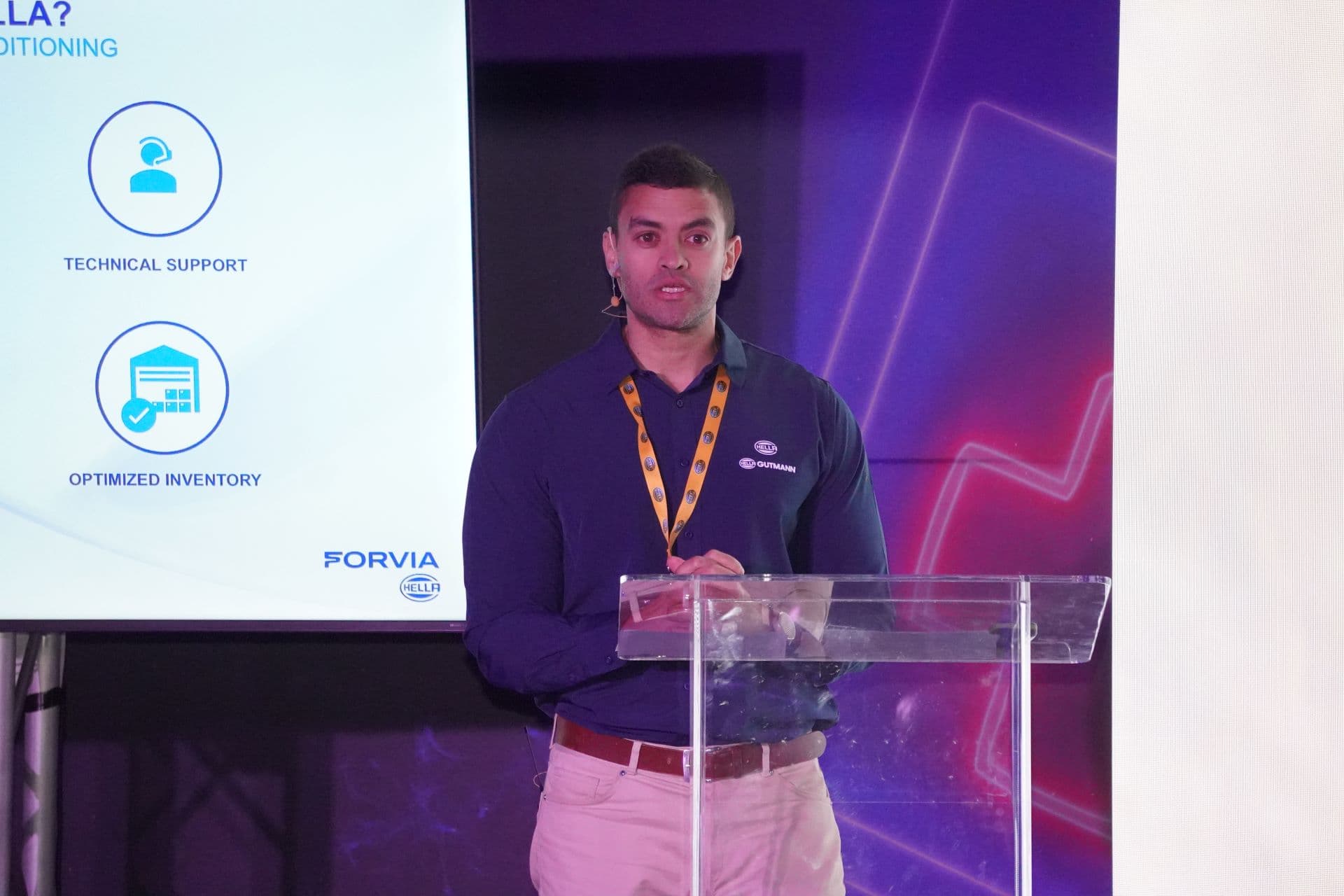
Hella returns to thermal management with long-term aftermarket push
Hella South Africa expands its thermal management range, targeting evolving vehicle technologies with 6,000+ SKUs planned by 2027.

Hino SA Honoured for Aftersales Excellence
Hino South Africa received two global awards for service and parts excellence, reinforcing its leadership in aftersales support.