
According to Astute Analytica, the global automotive collision repair market is expected to grow at a compound annual growth rate (CAGR) of 2.10% from its 2024 valuation of $204.2 billion.
This projected growth means the market will be worth more than $246 billion by 2033.
Astute Analytica’s analysis points to technological advancements, the growing adoption of electric vehicles (EVs) and increasing consumer demand for high-quality repair services as critical factors driving this expansion.
An Astute Analytica representative emphasised: “As vehicle technologies advance, the complexity and cost of collision repairs continue to rise, pushing the industry towards innovation and specialisation.” This trend underscores the need for advanced repair tools, skilled technicians and sustainable practices.

Modern vehicles are equipped with sophisticated systems such as advanced driver-assistance systems (ADAS) and complex electronics, necessitating specialised repair services. The integration of these technologies increases repair costs and requires technicians to acquire new skills.
The surge in EV usage demands specialised repair services, particularly for high-voltage battery systems. Japan has reported 3,200 newly qualified garages capable of handling high-voltage powertrains, highlighting the industry's adjustment to this trend.
There is also a growing consumer demand for high-quality collision repair services, leading to increased investments in advanced repair technologies and training programmes to ensure service excellence.
Staff Writer
Reporting from the front lines of the collision repair industry, delivering expert analysis and the technical updates that drive the African automotive sector forward.
More From News

What are SDVs and what do they mean for collision repair?
Software defined vehicles, or SDVs, are vehicles in which software rather than fixed hardware determines how most systems operate. Functions such...
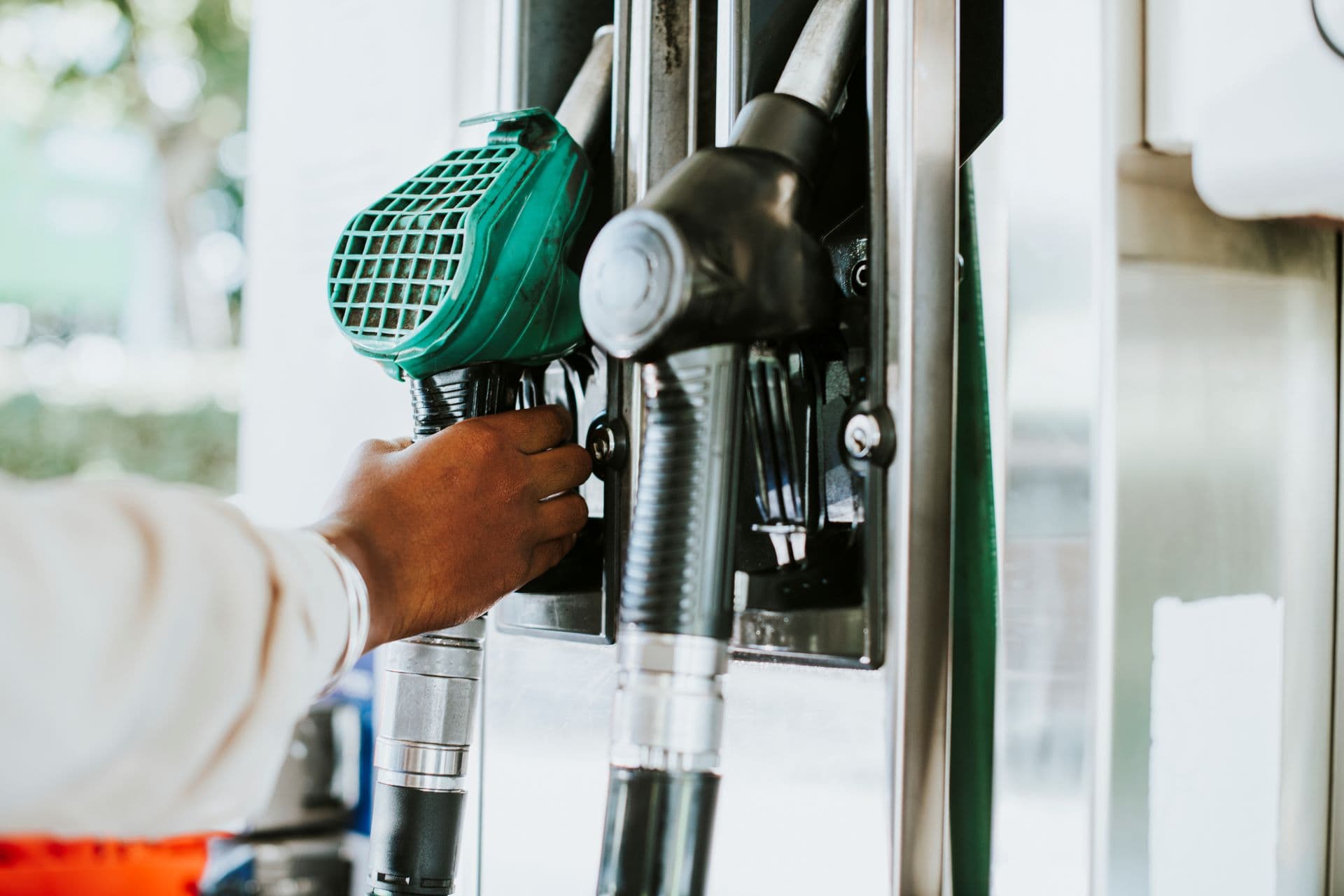
Fuel price shock prompts insurer action to support South Africa’s repairers
South Africa’s motor body repair sector is under growing strain as sharp fuel price increases push operating costs higher, prompting some insurers...
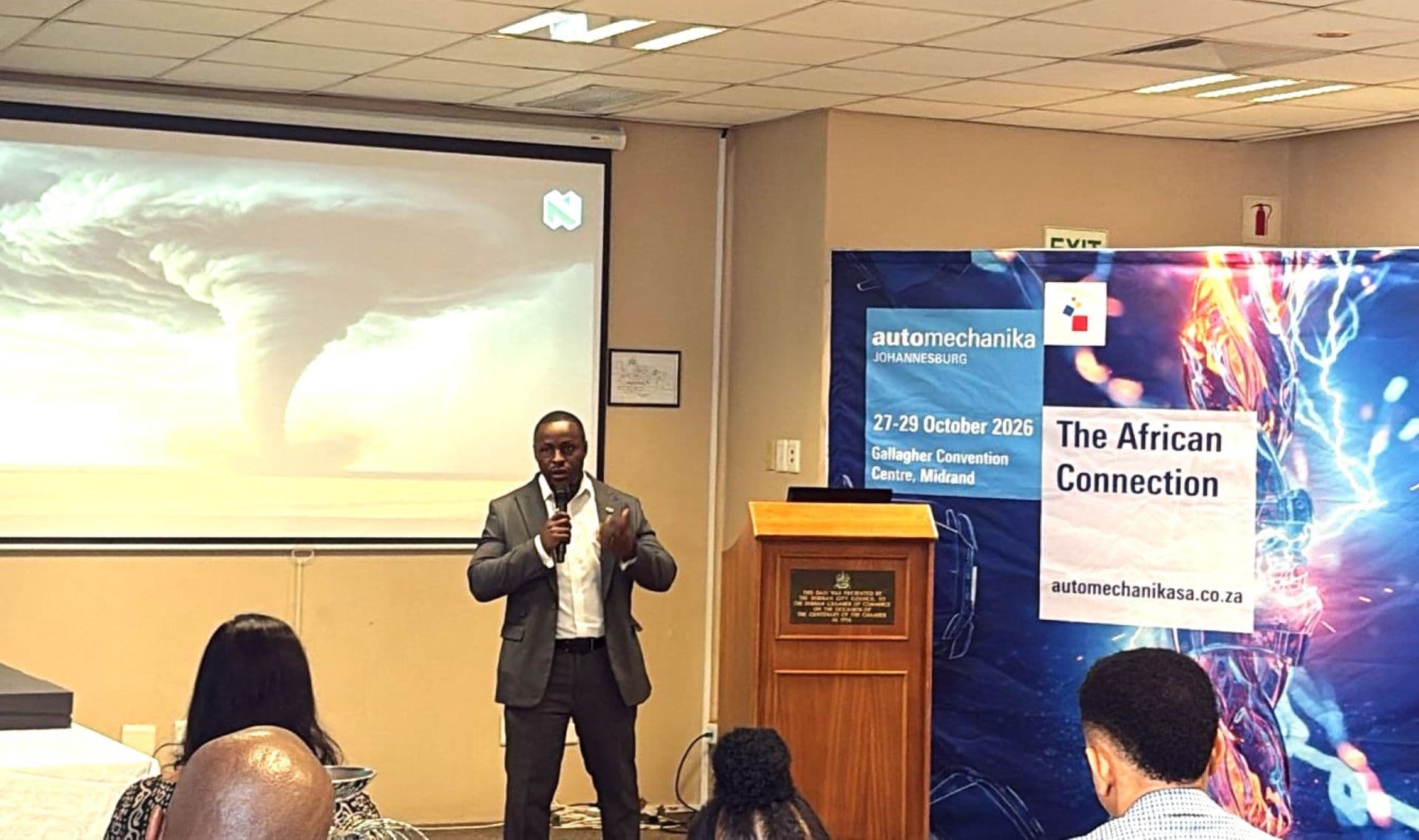
KwaZulu-Natal’s Automotive Momentum looked at
Durban’s Automechanika CEO Breakfast highlighted KZN’s rising automotive role, export growth and EV investment, plus aftermarket development.

We Buy Cars Drives Youth Employment
South Africa’s challenge of youth unemployment remains pressing, but targeted initiatives are beginning to show tangible results. We Buy Cars, in...

BASF Coatings advances sustainable accident repair with TÜV certified carbon assessment
BASF Coatings has strengthened its sustainability offering for the automotive refinish sector by securing TÜV Rheinland certification for the...

How Vehicle Complexity Could be Changing Repair Economics for South African Body Shops
Modern vehicles are no longer defined only by make, model and trim. According to recent research by JD Power, vehicle configuration complexity has...