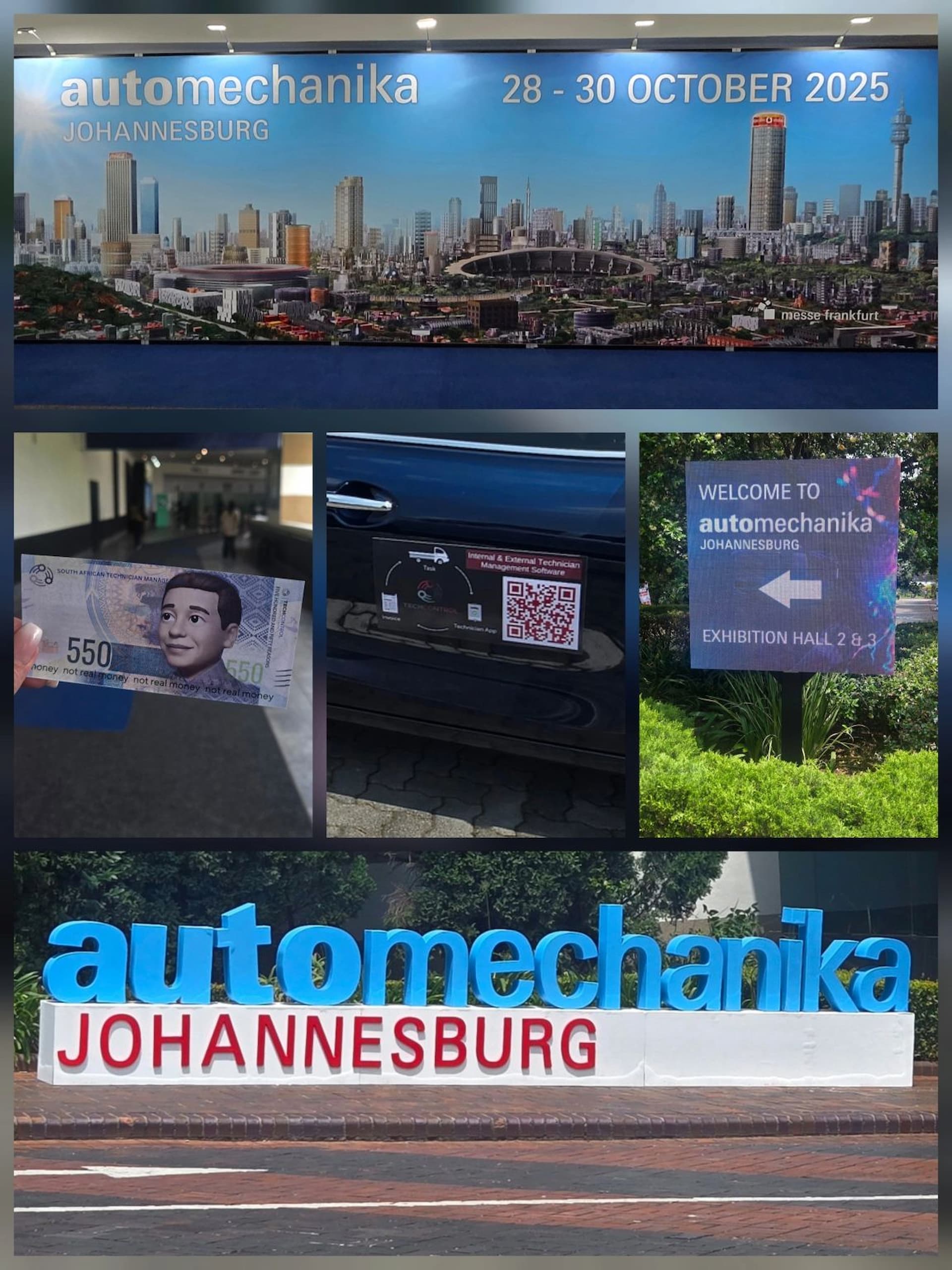
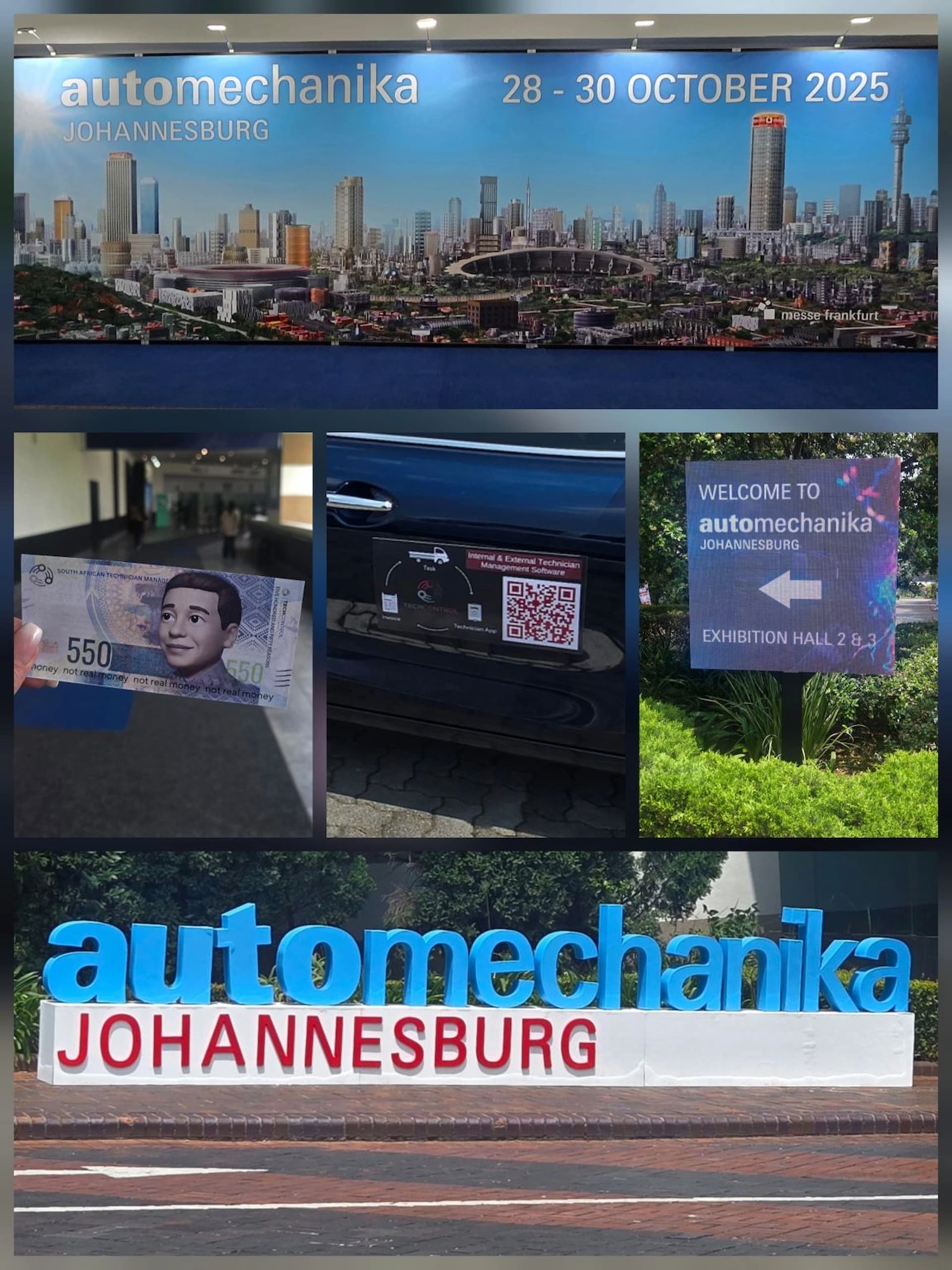
Africa's automotive industry converged at the Gallagher Convention Centre from October 28-30, 2025, as Automechanika Johannesburg marked its 10th edition with impressive momentum.
Organised by Messe Frankfurt South Africa, the milestone event demonstrated why it remains the continent's leading automotive trade fair, attracting a diverse array of professionals from across the global automotive value chain.
The numbers tell a compelling story of growth. With visitor attendance climbing 5.2% over the previous year, the event welcomed more than 4,300 attendees, including 724 conference delegates who engaged with 307 exhibitors representing the full spectrum of automotive excellence—from parts and components to digital solutions and emerging technologies. Perhaps most tellingly, nearly 3,000 business matchmaking meetings took place over the three-day event, cementing the fair's reputation as more than just a showcase, but a genuine catalyst for industry connection and commercial opportunity.
Setting the Tone with Leadership and Inclusion
The event opened with intention and purpose. A sold-out CEO Breakfast brought together industry leaders and decision-makers in a session that emphasized the twin pillars driving the sector forward: collaboration and innovation. This wasn't merely corporate rhetoric—it set the framework for three days of meaningful engagement.
Following the breakfast, attention turned to a critical conversation often overlooked in traditional trade settings: a Township SMME panel discussion that spotlighted inclusion, enterprise development, and the untapped potential within South Africa's emerging automotive entrepreneurs. Attendees then participated in site visits to The Alexandra Automotive Hub, a practical demonstration of how grassroots enterprise development can shape the industry's trajectory. These sessions sent a clear message that the future of African automotive isn't just about technology and trade—it's about ensuring opportunity reaches every corner of the ecosystem.
A Truly Global Stage with African Roots
While firmly planted in African soil, Automechanika Johannesburg 2025 attracted a genuinely international audience. Visitors from over 40 countries made the journey, with strong representation from Germany, India, China, the United States, the United Kingdom, Japan, and Nigeria, alongside robust South African participation. This blend of local strength and global reach underscores the event's evolution into a legitimate hub for international trade and knowledge exchange.
The exhibition floor reflected the industry's breadth, with key product categories spanning parts and components, electronics and systems, accessories and customizing, repair and maintenance, dealer and workshop management, car wash and reconditioning services, management and digital solutions, and diagnostics and repair equipment. Every segment of the automotive aftermarket found its place under one roof.
Innovation and Insight on Display
Beyond the exhibition booths, the conference programme delivered substance. The CILT and CRA Conferences drew engaged audiences, while the MasterDrive Fleet Safety Awards recognized excellence in operational safety. A particular highlight was the Right to Repair Talk, which brought together thought leaders to tackle one of the industry's most pressing debates—the balance between manufacturer control and independent repair access.
Throughout the venue, the atmosphere crackled with energy as professionals explored emerging trends, examined cutting-edge technologies, and discussed sustainable solutions for an industry in transition.
Voices from the Floor
Exhibitors and attendees consistently praised the event's impact. Heinrich Stoltz from SKF captured a common sentiment: "Automechanika is the perfect platform for us to communicate closer to the market and showcase our products."
Fabian Krausgrill of ClimAir highlighted the geographical reach: "We had great conversations and strong interest from all over Africa."
For returning exhibitors, the venue change proved beneficial. As GRI Engineering noted, "As a second-year attendee, the new venue was a big improvement." Diesel Center summed up their experience succinctly: "Everything has been amazing for us."
The Power of Partnership
The event's success reflected strong industry backing. Key partners and sponsors including RMI, ARA, NADA, MIWA, SAPRA, TEPA, VTA, SKF, Nedbank, and the Automotive Industry Development Centre provided crucial support. The caliber of attendees—with buyers and visitors from Goldwagen, Diesel-Electric, Universal Parts Group, Midas, FASFit, Hudaco, Supa Quick, and Grandmark—demonstrated the event's commercial significance.
An impressive exhibitor roster featuring industry heavyweights like Bosch, Mahle, Amsoil, Webfleet, Thinkcar, Hella, and Leaderquip, among hundreds of others, showcased both the scale and diversity that have become hallmarks of Automechanika Johannesburg.
The Road Ahead
As the 10th edition concluded, the automotive community was already looking forward to 2026. Organizers have promised an even more robust showcase of innovation and industry collaboration, building on a decade of steady growth and increasing influence.
Automechanika Johannesburg 2025 achieved something significant: it celebrated past success while simultaneously laying groundwork for the future. With its focus on technology, inclusivity, and meaningful collaboration, the event continues to drive innovation, strengthen professional networks, and shape the evolution of Africa's automotive aftermarket. For an industry in constant motion, this trade fair has established itself as an essential waypoint—a place where relationships are forged, deals are made, and the future of African automotive takes shape.
Staff Writer
Reporting from the front lines of the collision repair industry, delivering expert analysis and the technical updates that drive the African automotive sector forward.
More From News

What are SDVs and what do they mean for collision repair?
Software defined vehicles, or SDVs, are vehicles in which software rather than fixed hardware determines how most systems operate. Functions such...
Fuel price shock prompts insurer action to support South Africa’s repairers
South Africa’s motor body repair sector is under growing strain as sharp fuel price increases push operating costs higher, prompting some insurers...
KwaZulu-Natal’s Automotive Momentum looked at
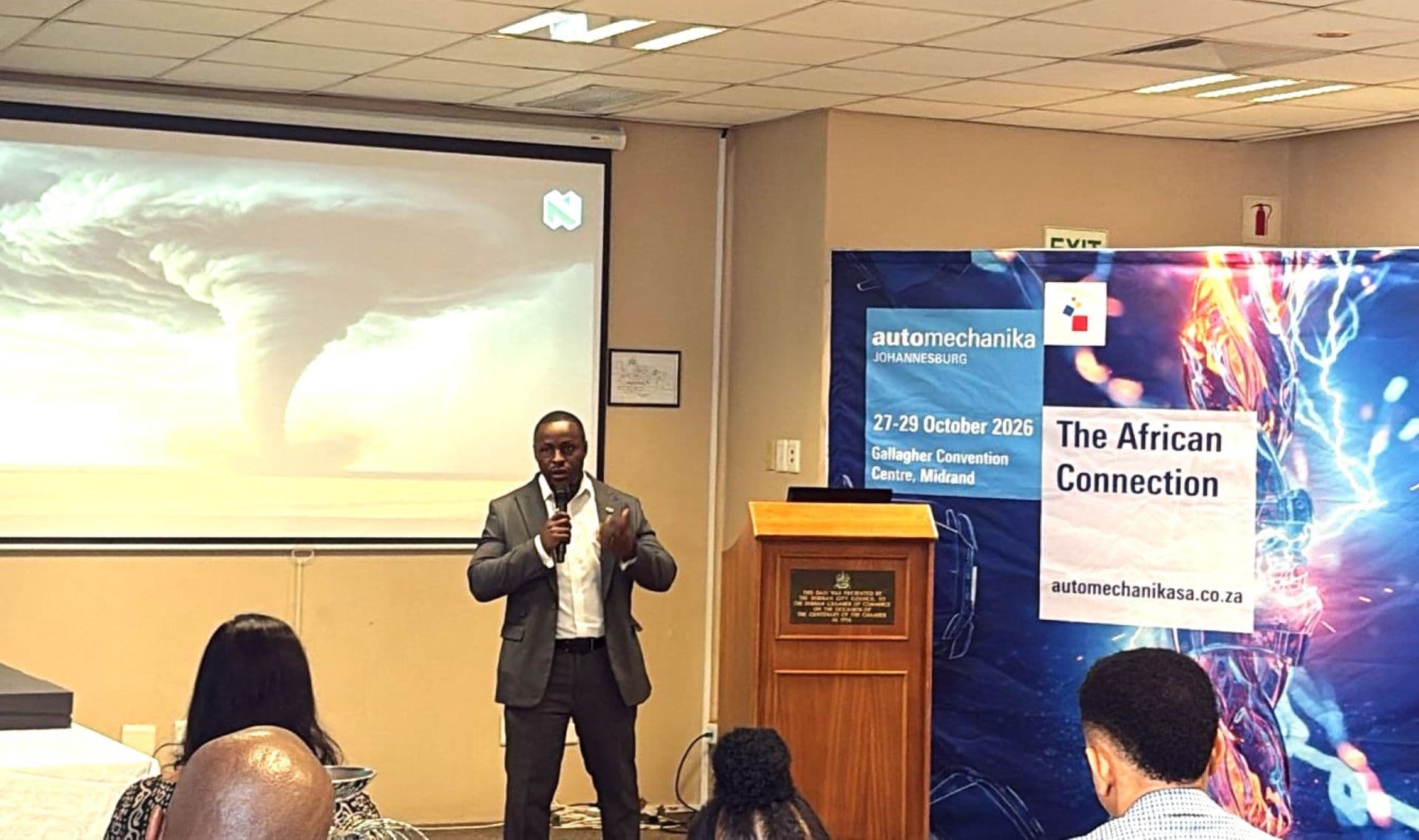
Durban’s Automechanika CEO Breakfast highlighted KZN’s rising automotive role, export growth and EV investment, plus aftermarket development.
We Buy Cars Drives Youth Employment
South Africa’s challenge of youth unemployment remains pressing, but targeted initiatives are beginning to show tangible results. We Buy Cars, in...
BASF Coatings advances sustainable accident repair with TÜV certified carbon assessment
BASF Coatings has strengthened its sustainability offering for the automotive refinish sector by securing TÜV Rheinland certification for the...

How Vehicle Complexity Could be Changing Repair Economics for South African Body Shops
Modern vehicles are no longer defined only by make, model and trim. According to recent research by JD Power, vehicle configuration complexity has...