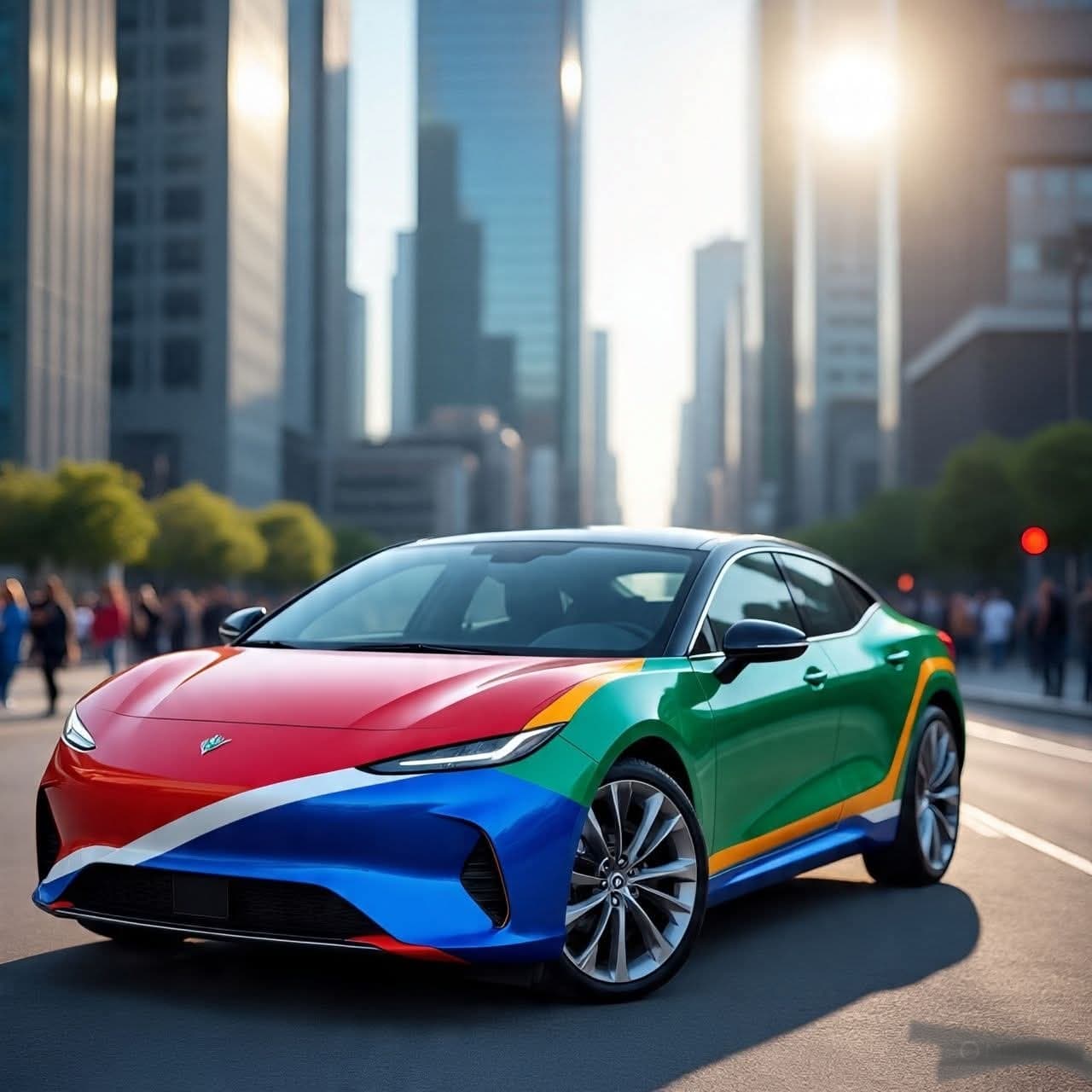
Kenya recently captured continental attention when Tad Motors rolled out its first line of locally assembled electric vehicles (EVs), signalling a new era for African mobility innovation. The development has sparked debate in South Africa: could a similar breakthrough happen here, and is the country any closer to fulfilling its long-standing ambition of producing a truly home-grown electric car?
Tad Motors’ success is built on a pragmatic approach — sourcing components from China, leveraging government backing, forging international partnerships and assembling locally. This formula enabled the Kenyan firm to launch five EV models, ranging from compact city cars to rugged utility vehicles, all designed for African conditions. The Kenyan government’s proactive stance has been pivotal, championing clean transport, offering industrial incentives and attracting foreign investment. Global organisations such as the United Nations Environment Programme have endorsed the initiative, cementing Kenya’s reputation as a progressive EV adopter.
South Africa, despite having the continent’s most advanced automotive manufacturing base, finds itself in a more complex position. It hosts major plants for global brands like Toyota, Ford, BMW, Mercedes-Benz and Volkswagen, supported by sophisticated component suppliers and a skilled engineering workforce. By all logical measures, South Africa should be leading Africa’s EV revolution. Yet progress has been sluggish, hindered by policy uncertainty and a lack of decisive industrial planning.
For nearly a decade, the country has debated a comprehensive EV strategy, but implementation has lagged. Manufacturers cite unclear import duties, limited incentives for local EV production and the absence of a battery manufacturing framework as major obstacles. The government’s 2023 EV White Paper was a step forward, but it has yet to generate the momentum needed to attract pioneering ventures akin to Tad Motors.
Market realities compound the challenge. EV adoption remains low due to high costs, sparse charging infrastructure and an unreliable electricity grid. While these issues do not preclude local assembly, they make the domestic market less appealing for startups seeking growth.
South Africa has long harboured dreams of a home-grown car. The most credible attempt was the Joule, an electric vehicle developed by Cape Town’s Optimal Energy in the late 2000s. Despite international interest and a Geneva Motor Show debut, the project collapsed due to inadequate investment and government support. Earlier efforts at unique South African vehicles never achieved industrial scale.
Kenya’s success underscores what is possible — and what South Africa has yet to realise. With the right incentives, local innovators could produce affordable EVs tailored to African conditions. South Africa’s manufacturing ecosystem is ready; what’s missing is clarity of purpose and robust policy support. Competing with premium imports is unnecessary — a locally assembled compact EV or utility vehicle could fill a niche global brands have overlooked.
As more African nations stake their claim in the EV economy, South Africa faces a narrowing window. Kenya, Rwanda, Morocco and Egypt are writing success stories. South Africa has the resources to do the same — but does it have the urgency? Kenya’s Tad Motors moment should serve as inspiration, not competition. If South Africa wishes to remain the continent’s automotive leader, it must pair bold vision with policy certainty. The question is no longer whether South Africa can build an EV — but whether it will act before others surge ahead.
Staff Writer
Reporting from the front lines of the collision repair industry, delivering expert analysis and the technical updates that drive the African automotive sector forward.
More From News

Must Read: Competition Case in Botswana Could Reshape the Regional Repair Market
A Botswana competition case could influence insurer-repairer relationships and reshape vehicle repair markets across Southern Africa.
What drivers should look for when collecting a vehicle after collision repairs
Experts from South African Motor Body Repairers' Association explain how motorists can inspect their vehicle after collision repairs, covering panel gaps, paint finish and functionality checks.
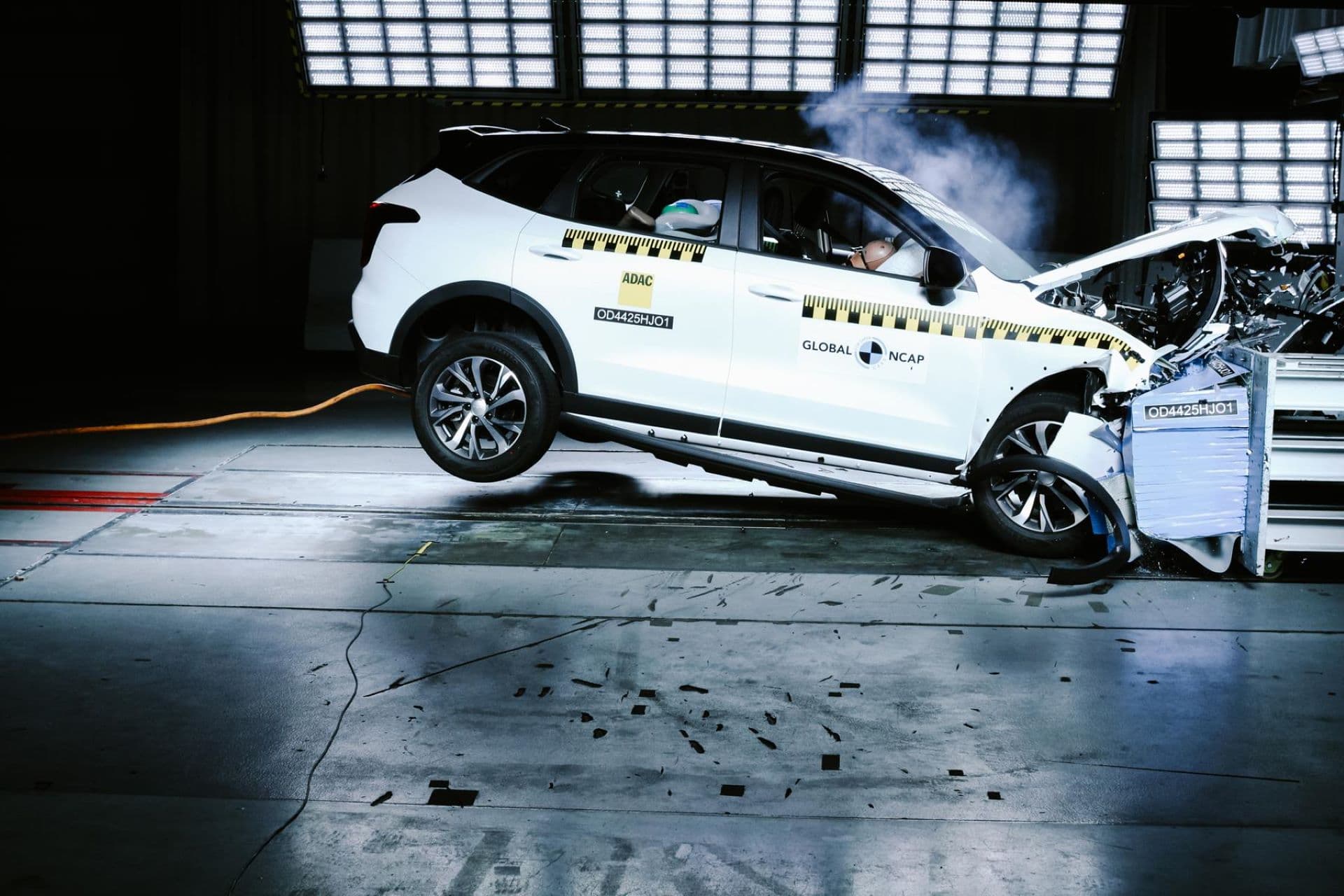
Entry-Level Cars Under Fire in Latest Crash Tests
South Africa’s entry-level cars face scrutiny after GNCAP crash tests reveal poor safety ratings for the Haval Jolion and Kia Sonet, prompting concern.
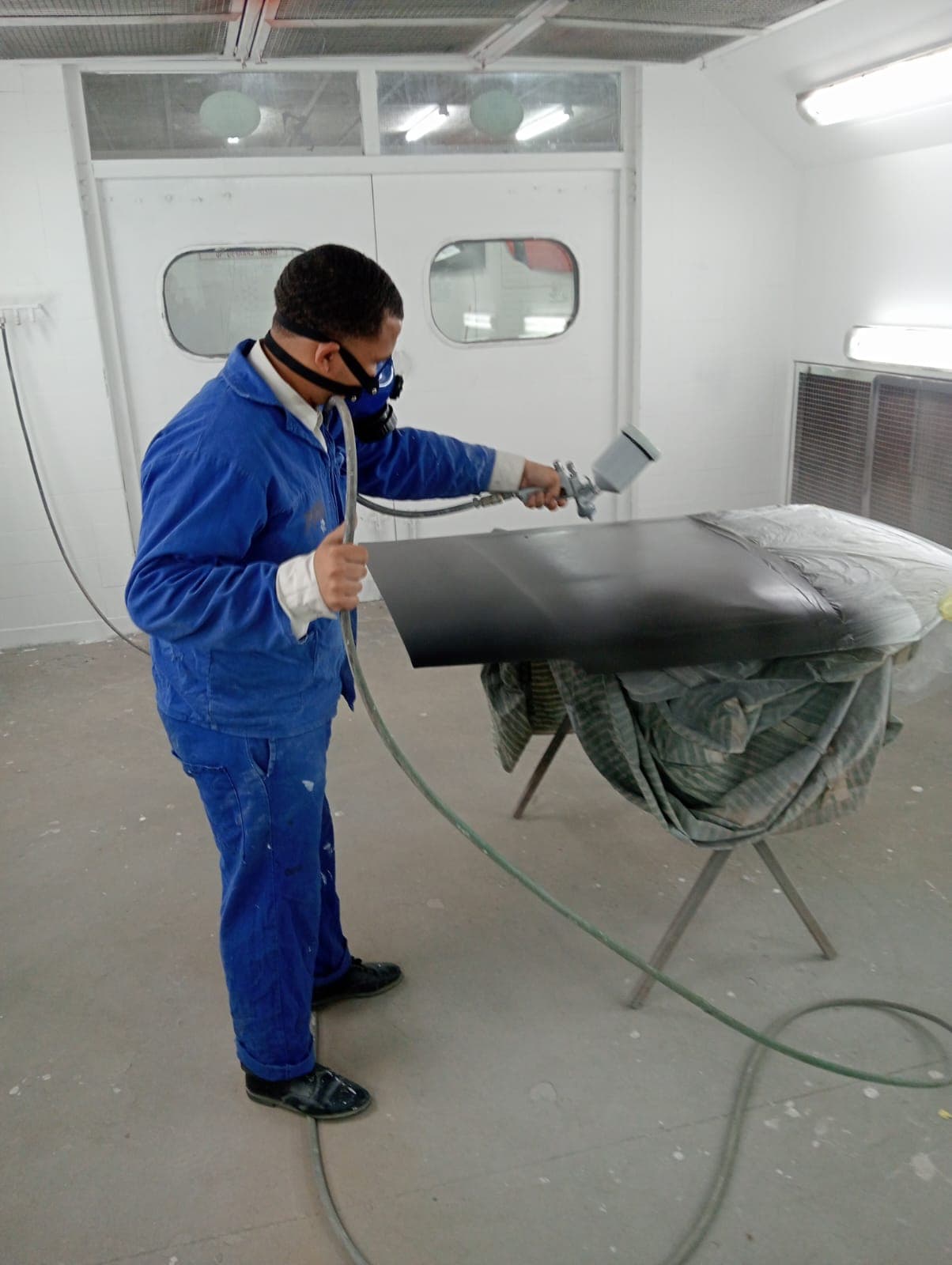
SAMBRA initiative puts young automotive talent in the spotlight
MIWA and SAMBRA host youth automotive competitions in Eastern Cape, offering training, hands-on experience and career pathways for young learners in 2026.

Hella returns to thermal management with long-term aftermarket push
Hella South Africa expands its thermal management range, targeting evolving vehicle technologies with 6,000+ SKUs planned by 2027.
Hino SA Honoured for Aftersales Excellence
Hino South Africa received two global awards for service and parts excellence, reinforcing its leadership in aftersales support.