
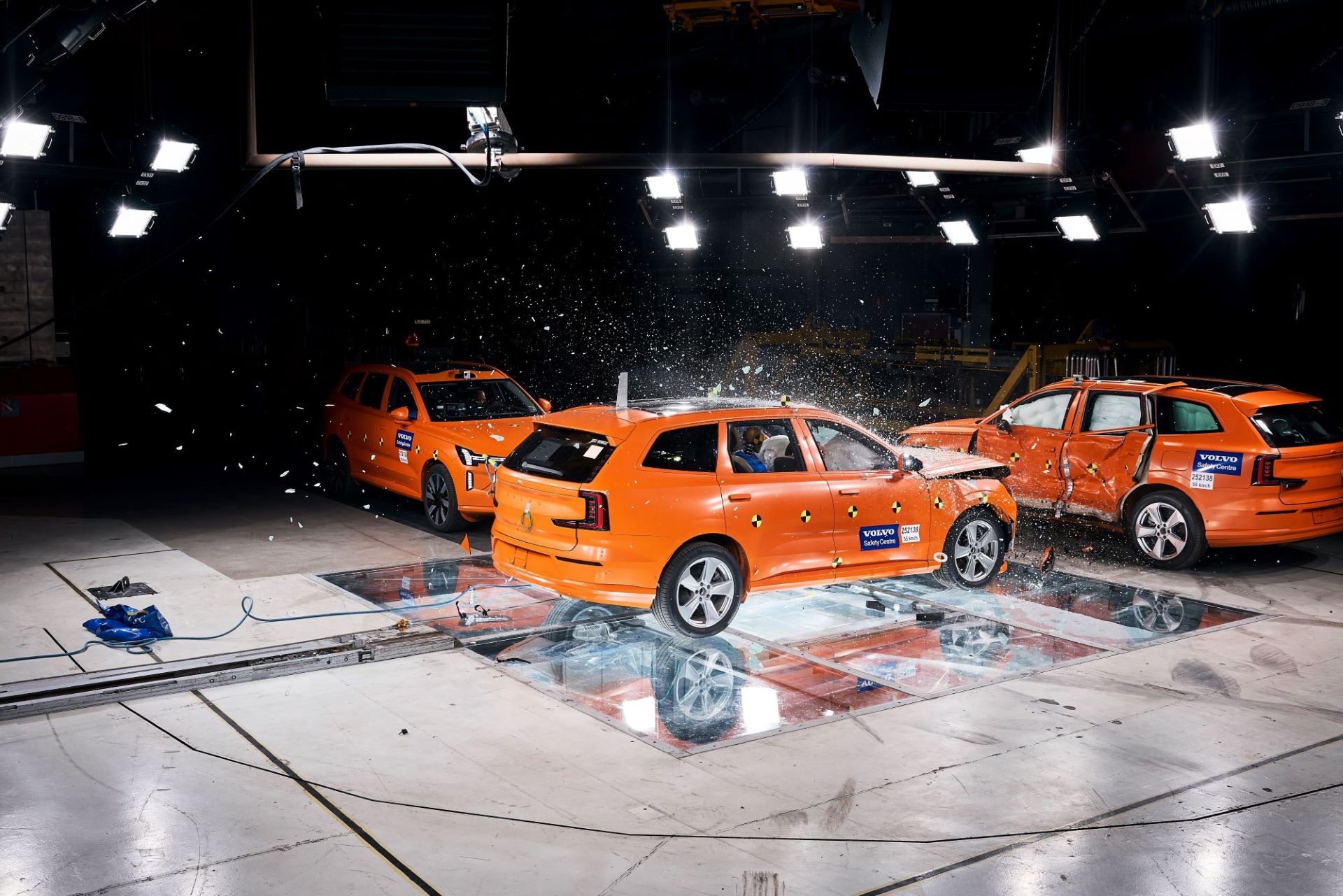
Volvo has once again placed safety at the centre of its philosophy, conducting the world’s first public crash test involving three electric vehicles in a single sequence. The test, carried out in South Africa with the new EX90, was not only a showcase of technology but also a significant moment for the motor repair industry, where preparing for the realities of new vehicle structures is essential.
In the demonstration, the first EX90 braked from 50km/h to a complete stop, preventing a collision thanks to its advanced driver assistance systems and the City Safety function. A second car was struck on the side by a third travelling at 55km/h, recreating one of the most complex real-world accident scenarios.
“The car engaged its safety cage, and that helped transfer the loads while managing to deform and absorb the energy from this violent crash. Of course, the side airbags and inflatable curtains were also activated immediately on impact, which helped to protect the occupants,” said Thomas Broberg, Senior Technical Advisor Safety at Volvo Cars.
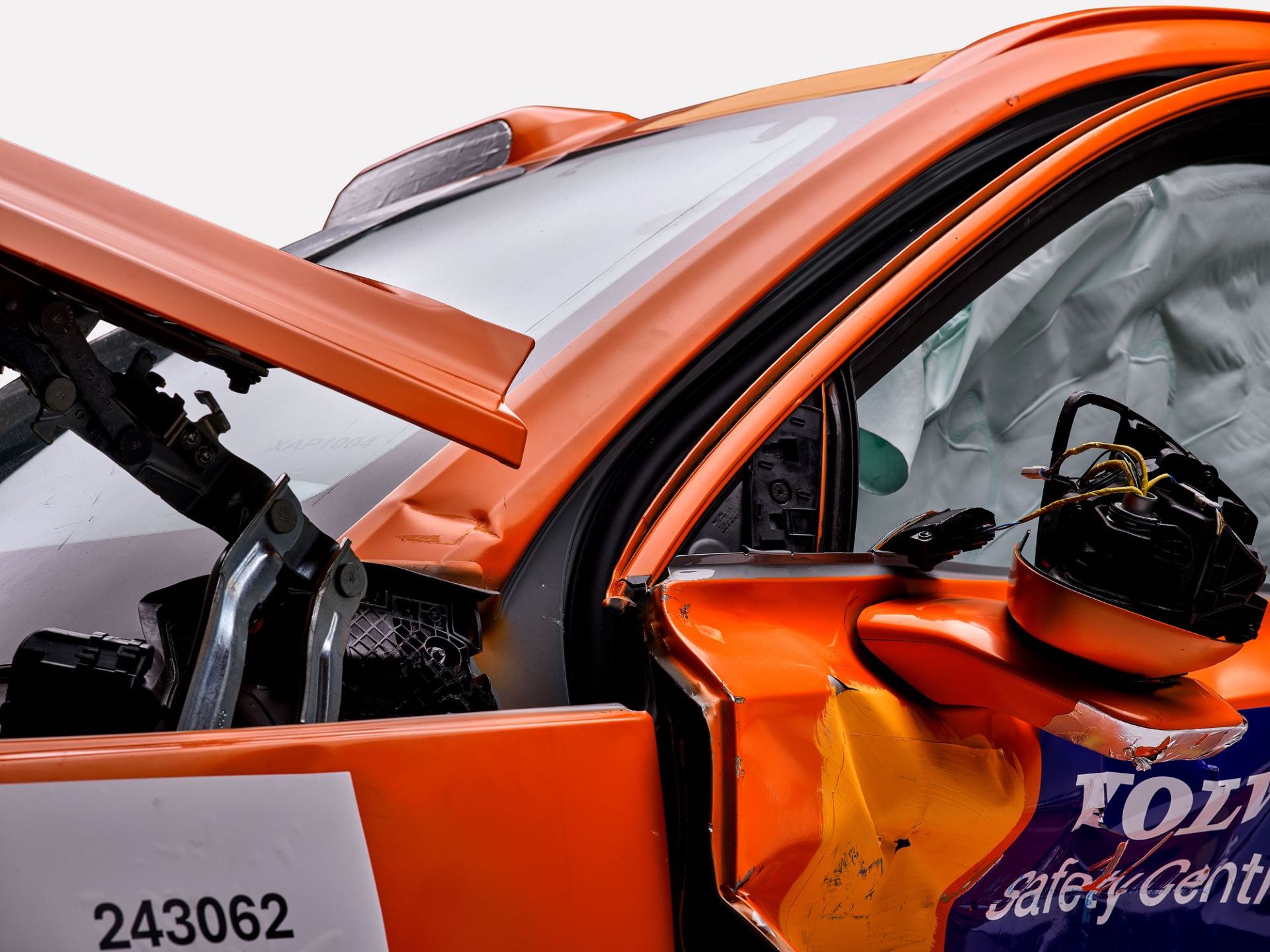

For the motor repair sector, this test highlights the increasing sophistication of vehicle structures. From high-strength safety cages to extensive airbag systems, the work of repairing EVs now demands advanced training, new equipment and strict adherence to manufacturer guidelines. Crash protection in modern EVs means damage repairs are more complex than in traditional vehicles, raising the importance of certified repair centres.
“In South Africa, where more than 12 400 people died in road crashes in 2022 alone, safety cannot just be about meeting the minimum requirements,” commented Grant Locke, Managing Director of Volvo Car South Africa. “It’s about making sure our cars protect people in as many real-world situations as possible. That is why tests like this matter; they push us to look at safety from different angles, beyond the ratings, and ensure our vehicles deliver when it counts most.”
For workshops, the EX90 crash test serves as a reminder that the shift to electrification is not just about batteries and motors but also about the evolution of vehicle safety design. Repairers will need to keep pace with these advancements to guarantee the same level of safety after an accident as the original manufacturers promise.
Staff Writer
Reporting from the front lines of the collision repair industry, delivering expert analysis and the technical updates that drive the African automotive sector forward.
More From Motoring

Technology Bundles Deliver Major Safety Gains, New Analysis Shows
A growing body of evidence suggests that modern driver assistance technologies are significantly reducing road crashes, and new research into...
How Ford’s Shift to Megacasting Could Influence Vehicle Repair Costs
Ford Motor Company is planning to replace complex assemblies with giant, single-piece aluminium castings for its upcoming electric pickup. The...
The 9th Festival of Motoring is Here
The iconic Kyalami Grand Prix Circuit will once again come alive from 28–30 August 2026 as the Festival of Motoring (FoM), powered by WesBank...
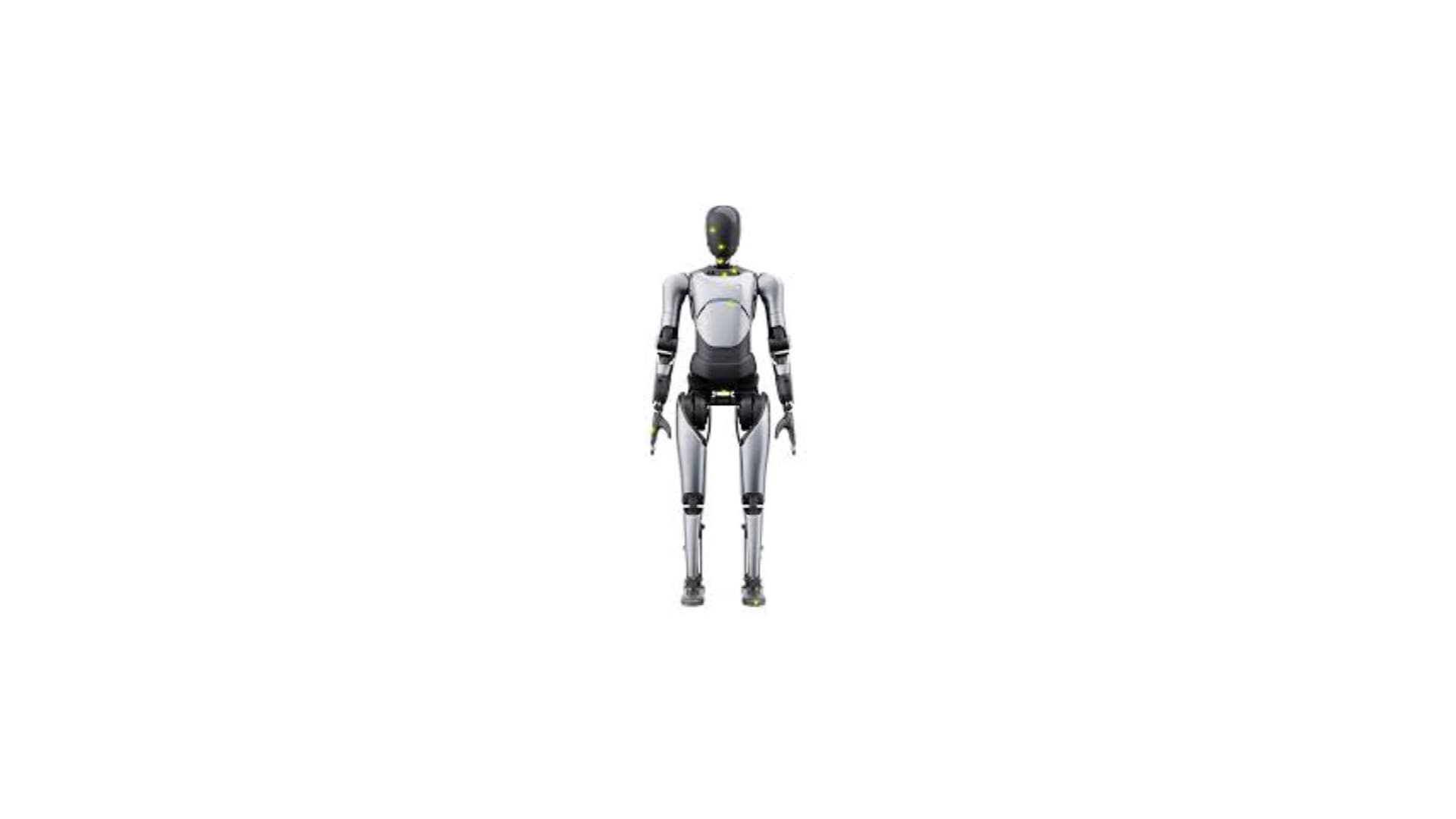
Agibot Sets Its Sights on Europe as Humanoid Robot Competition Heats Up
Chinese robotics firm Agibot is accelerating its global expansion with a major push into Europe, partnering with automotive supplier Minth Group...
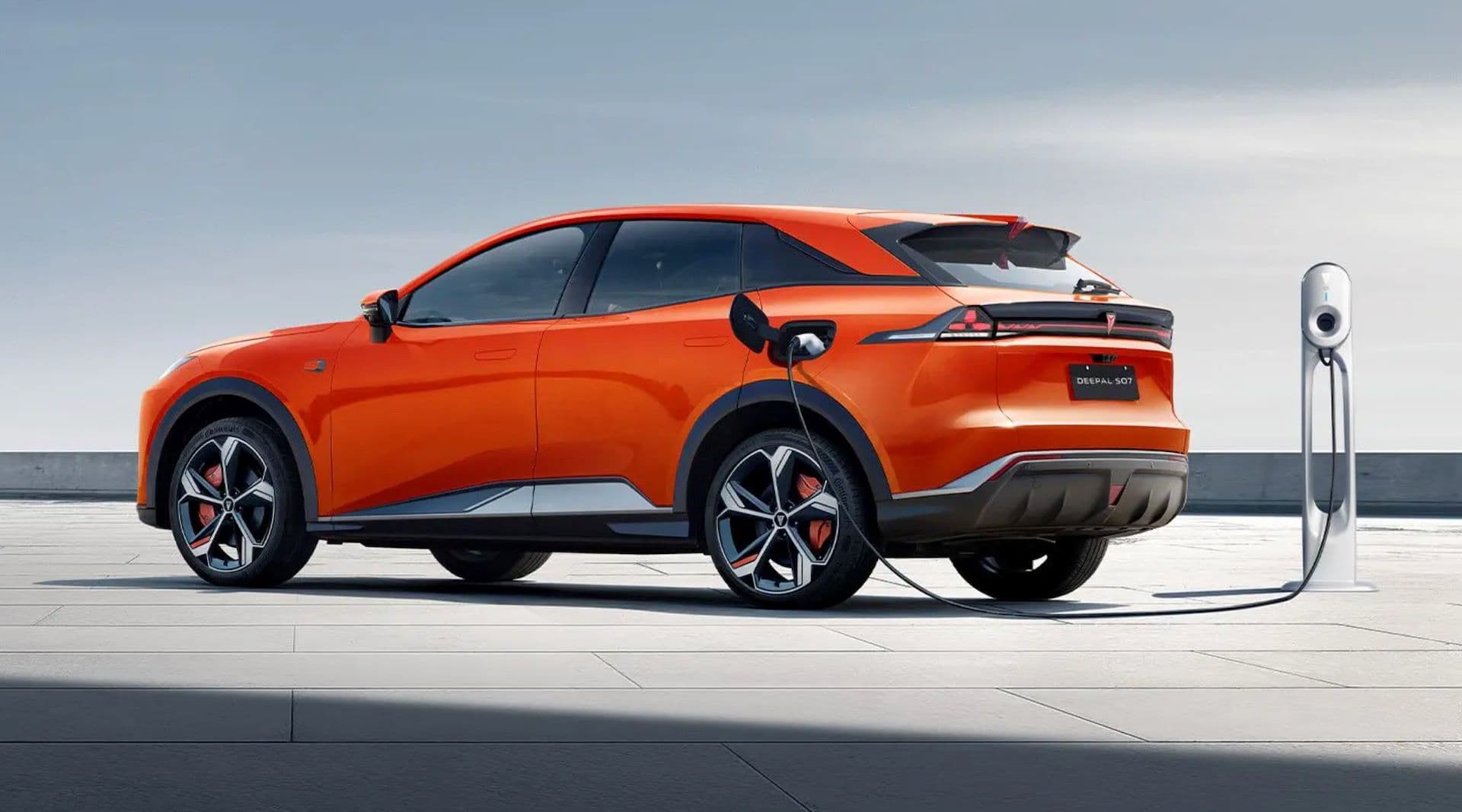
South Africa Embraces the New Era of Automotive Brands
South Africa’s automotive industry is undergoing a profound transformation. While traditional marques remain familiar and trusted, a growing...
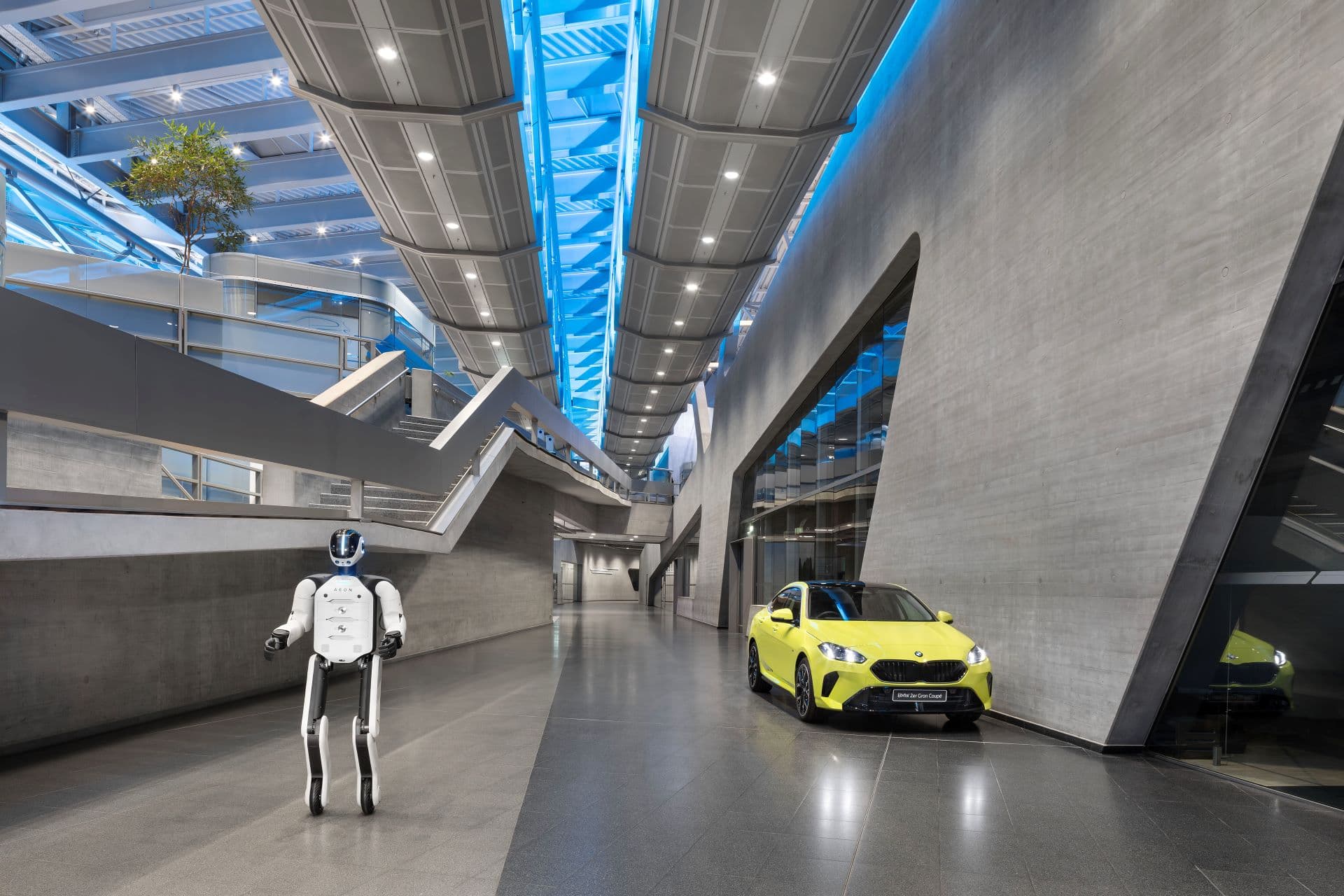
BMW Expands Physical AI Innovation with New Leipzig Robotics Pilot
The BMW Group is strengthening its position as a leader in intelligent manufacturing with the launch of a new pilot project using humanoid robots...