
Volvo Cars is pioneering the use of artificial intelligence to revolutionize vehicle safety.
By integrating AI-generated, life-like virtual environments into the development of its advanced driver assistance systems (ADAS), Volvo aims to further improve the safety of its vehicles.
The company can now synthesize real-world incident data collected from its vehicles’ advanced sensors. Events such as emergency braking, sudden steering maneuvers, and manual interventions are reconstructed in a virtual environment, allowing engineers to analyze and explore them in new ways. This deeper understanding helps refine safety systems to prevent future incidents.
At the heart of this innovation is Gaussian splatting, an advanced computational technique capable of generating high-fidelity 3D scenes from real-world visuals. This technology enables Volvo to manipulate virtual environments by introducing or removing road users, altering traffic behavior, and simulating different scenarios to observe potential outcomes.
Such a capability significantly accelerates software testing and validation. Traditionally, exposing safety systems to rare but critical "edge cases" could take months; now, this process can be completed in days. According to Alwin Bakkenes, Volvo Cars’ Head of Global Software Engineering, “We already have millions of data points of moments that never happened that we use to develop our software. Thanks to Gaussian splatting, we can take one rare scenario and generate thousands of variations to train and validate our models. This unlocks an unprecedented scale and allows us to catch edge cases before they occur in the real world.”

Virtual testing is a crucial component of Volvo’s broader safety development strategy. In collaboration with Zenseact, an AI and software company founded by Volvo Cars, these virtual environments offer a safe, scalable, and cost-efficient platform for software training and validation. This initiative is also part of a PhD program in partnership with leading Swedish universities, exploring the potential of neural rendering techniques in future safety innovations. The study is supported by the Wallenberg AI, Autonomous Systems and Software Program (WASP).
Volvo Cars has a long history of using data to enhance vehicle safety. Since the 1970s, the company’s Safety Research team has been at the forefront of accident analysis, initially using traditional methods like measuring tapes and skid mark assessments. Over the years, this data-driven approach has led to groundbreaking safety features, including the Whiplash Injury Protection System and Side Impact Protection System. Today, advanced AI-driven technologies enable an even more proactive approach to preventing accidents.
The integration of cutting-edge AI is further strengthened by Volvo’s partnership with NVIDIA. The latest generation of Volvo’s fully electric vehicles is equipped with NVIDIA-accelerated compute, gathering extensive sensor data to better understand and react to the vehicle’s surroundings. NVIDIA’s AI supercomputing platform, powered by DGX systems, processes this data to unlock new safety insights and train future models. This initiative is part of Volvo Cars and Zenseact’s investment in establishing one of the largest data centers in the Nordics, further solidifying their commitment to AI-driven safety innovation.
Staff Writer
Reporting from the front lines of the collision repair industry, delivering expert analysis and the technical updates that drive the African automotive sector forward.
More From Motoring

Technology Bundles Deliver Major Safety Gains, New Analysis Shows
A growing body of evidence suggests that modern driver assistance technologies are significantly reducing road crashes, and new research into...
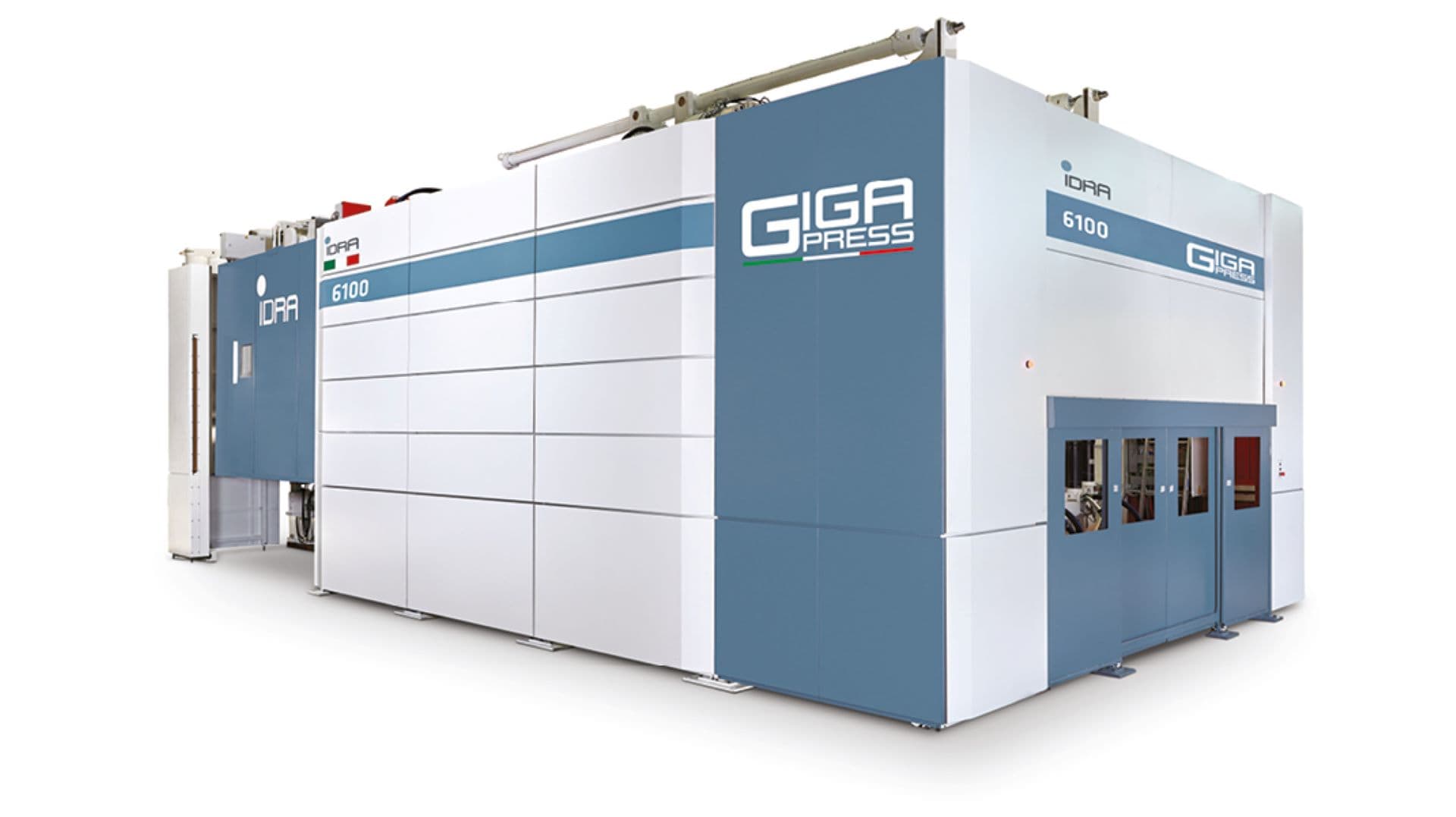
How Ford’s Shift to Megacasting Could Influence Vehicle Repair Costs
Ford Motor Company is planning to replace complex assemblies with giant, single-piece aluminium castings for its upcoming electric pickup. The...
The 9th Festival of Motoring is Here
The iconic Kyalami Grand Prix Circuit will once again come alive from 28–30 August 2026 as the Festival of Motoring (FoM), powered by WesBank...
Agibot Sets Its Sights on Europe as Humanoid Robot Competition Heats Up
Chinese robotics firm Agibot is accelerating its global expansion with a major push into Europe, partnering with automotive supplier Minth Group...
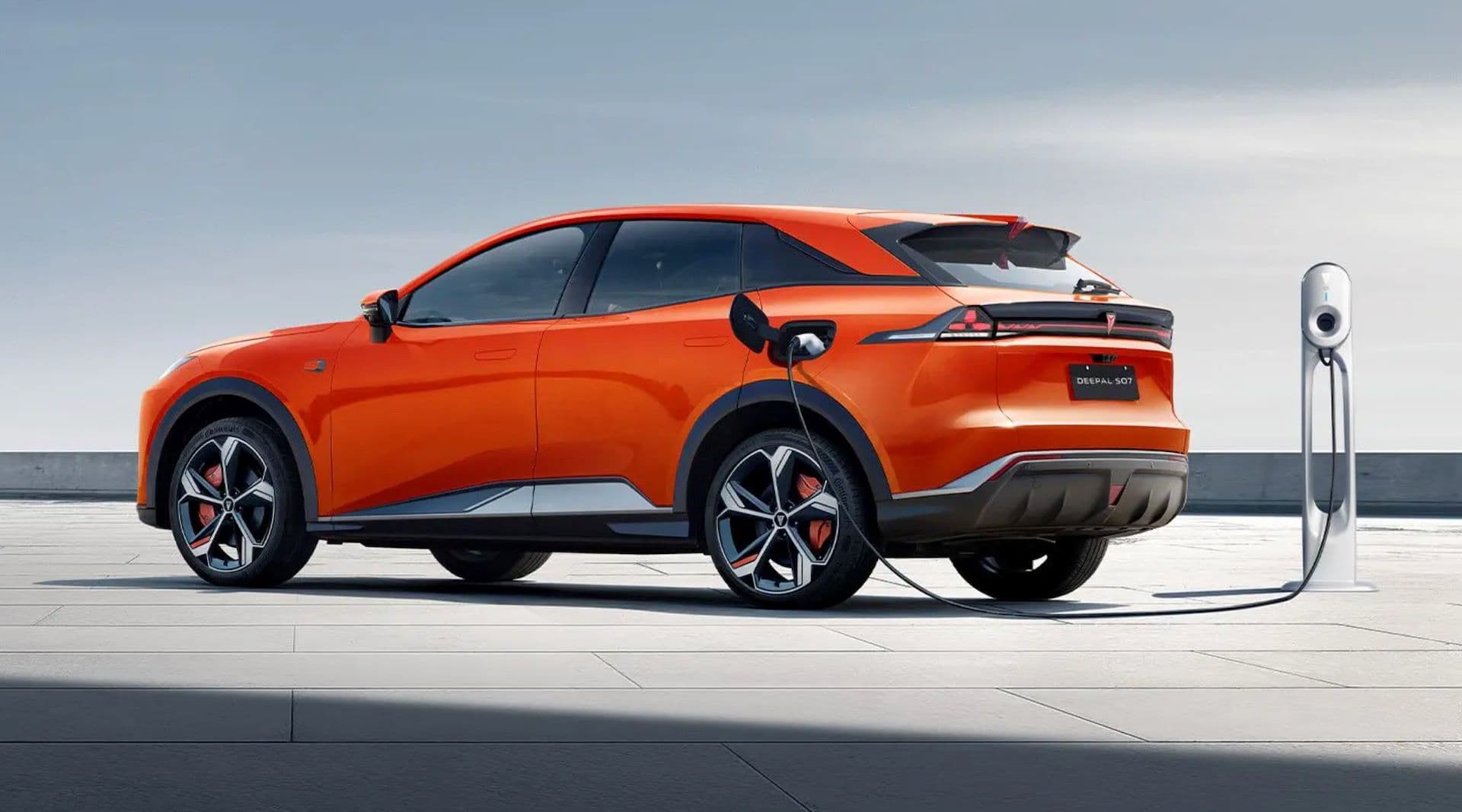
South Africa Embraces the New Era of Automotive Brands
South Africa’s automotive industry is undergoing a profound transformation. While traditional marques remain familiar and trusted, a growing...
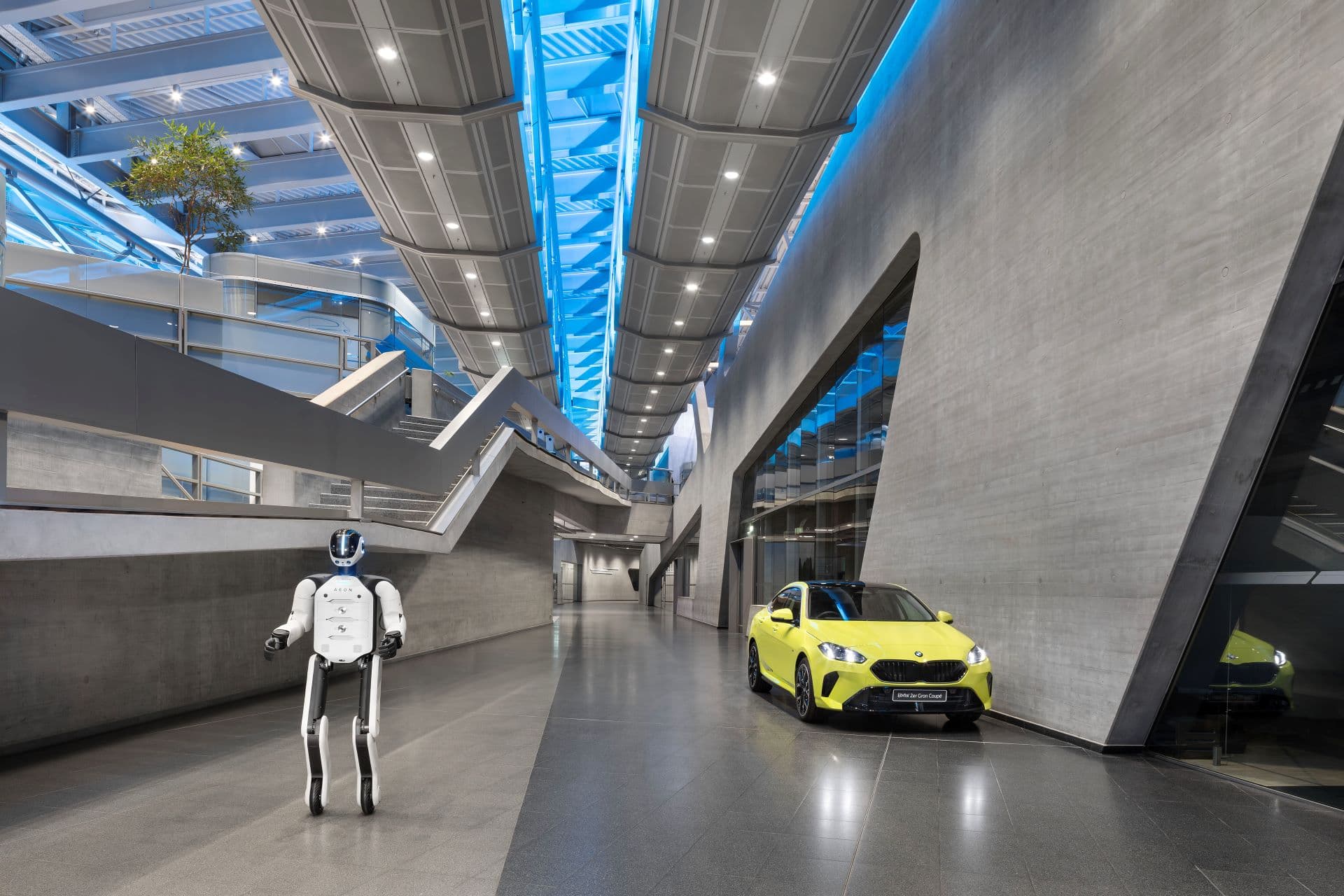
BMW Expands Physical AI Innovation with New Leipzig Robotics Pilot
The BMW Group is strengthening its position as a leader in intelligent manufacturing with the launch of a new pilot project using humanoid robots...