
Volvo has announced that it will be using the COP28 for “doubling down” on the company’s action plan – already one of the most ambitious in the automotive industry – by aiming to reduce CO2 emissions per car by 75 per cent by 2030, compared to a 2018 baseline.
This is in addition to its ambition to become climate neutral by 2040 and to reduce CO2 emissions per car by 40 per cent between 2018 and 2025. During the first nine months of 2023, overall CO2 emissions per car were 19 per cent lower compared to the 2018 benchmark.
In order to achieve such an ambitious target for 2030, Volvo said: “It demands that we continue working towards our existing ambition to only sell fully electric cars by 2030, thereby eliminating tailpipe emissions from our model line-up.”Volvo also announced its recent membership of the World Economic Forum’s First Movers Coalition (FMC), saying: “We are putting our purchasing power behind emerging clean technologies that will support the shift to near-zero emission aluminium.”This action will extend to the steel industry. The company said that through its collaboration with Swedish steel producer SSAB, it would become the first car manufacturer to explore near-zero emission, high-quality steel for the automotive industry. This has been attained by securing access to near-zero emission primary and recycled sheet steel from SSAB that it plans to use in one of its car programmes by 2026.Earlier this year, Volvo Cars revealed the fully electric EX30 small SUV, designed to have the lowest carbon footprint of any Volvo car to date. The EX30 is one of several new, fully electric Volvo models the company has launched and will launch in coming years, on its way to becoming a fully electric car maker by 2030. During the first nine months of 2023, fully electric cars made up 16 per cent of its overall sales.Volvo has also rapidly moved away from the internal combustion engine. The company will produce its last ever diesel-powered car in early 2024 and has stopped R&D investments in new internal combustion engines.
Staff Writer
Reporting from the front lines of the collision repair industry, delivering expert analysis and the technical updates that drive the African automotive sector forward.
More From Motoring

Technology Bundles Deliver Major Safety Gains, New Analysis Shows
A growing body of evidence suggests that modern driver assistance technologies are significantly reducing road crashes, and new research into...
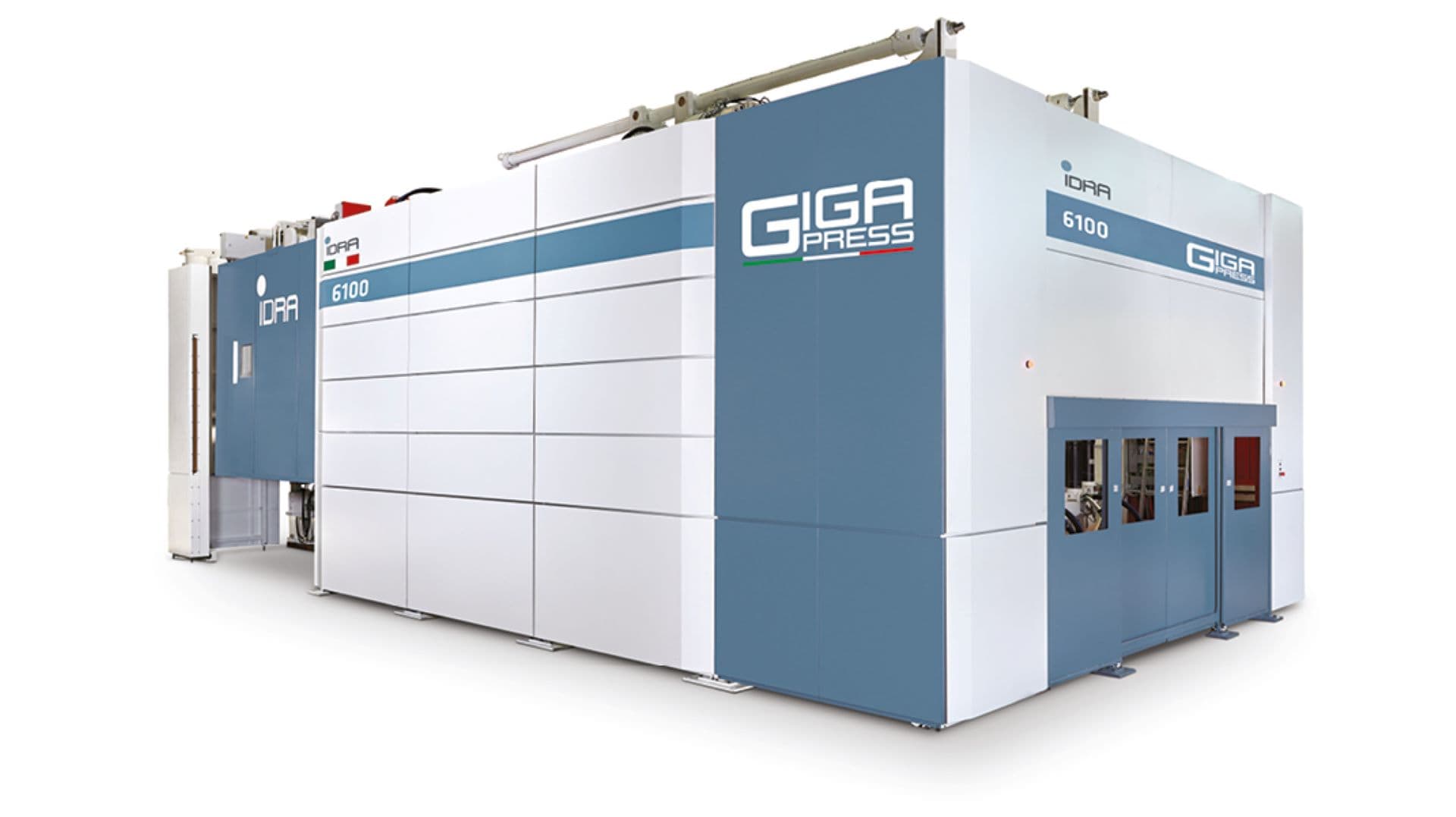
How Ford’s Shift to Megacasting Could Influence Vehicle Repair Costs
Ford Motor Company is planning to replace complex assemblies with giant, single-piece aluminium castings for its upcoming electric pickup. The...
The 9th Festival of Motoring is Here
The iconic Kyalami Grand Prix Circuit will once again come alive from 28–30 August 2026 as the Festival of Motoring (FoM), powered by WesBank...

Agibot Sets Its Sights on Europe as Humanoid Robot Competition Heats Up
Chinese robotics firm Agibot is accelerating its global expansion with a major push into Europe, partnering with automotive supplier Minth Group...
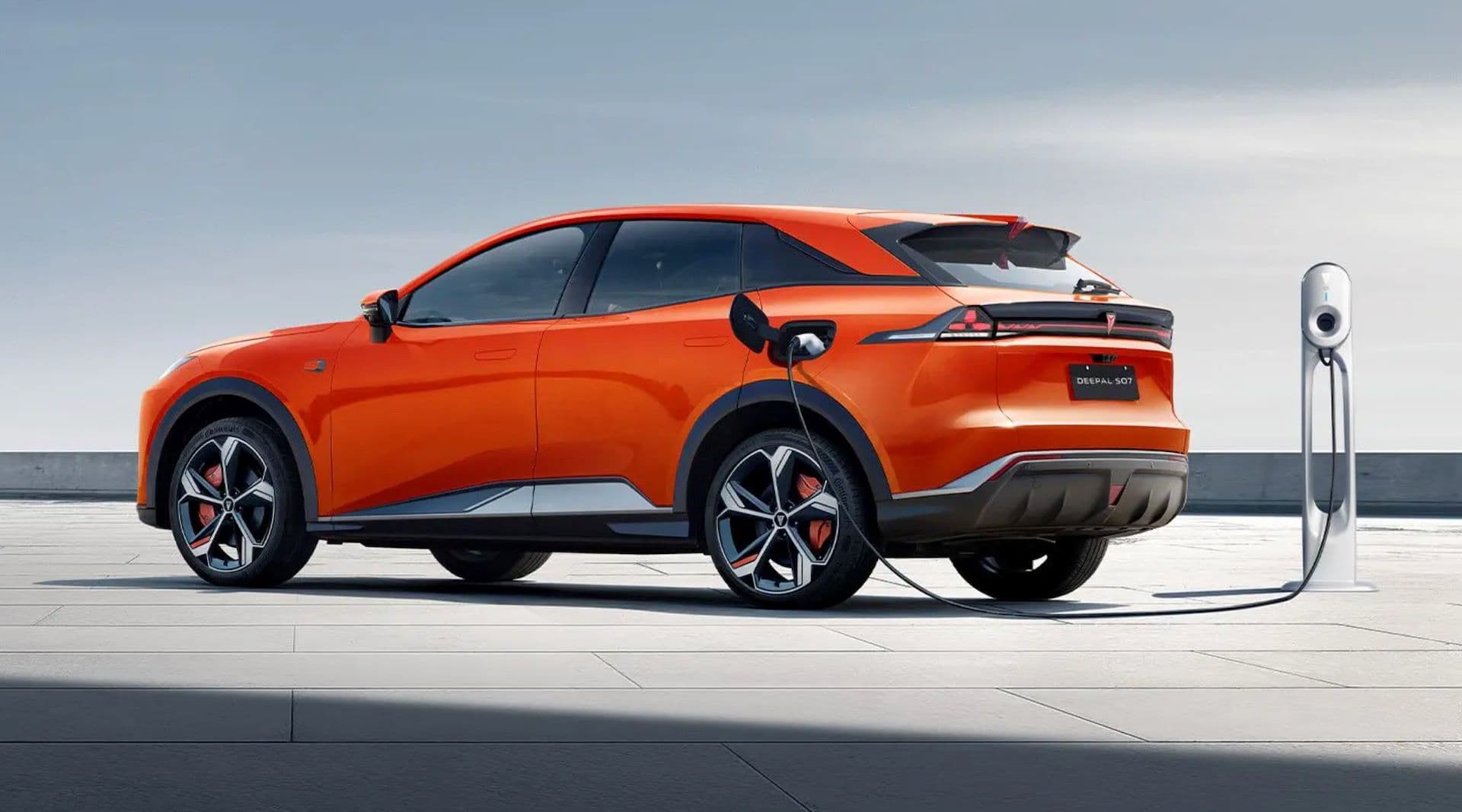
South Africa Embraces the New Era of Automotive Brands
South Africa’s automotive industry is undergoing a profound transformation. While traditional marques remain familiar and trusted, a growing...

BMW Expands Physical AI Innovation with New Leipzig Robotics Pilot
The BMW Group is strengthening its position as a leader in intelligent manufacturing with the launch of a new pilot project using humanoid robots...