
Standox, one of the global refinish coating brands of Axalta, helps refinishers with process demonstrations for fading out and polishing when using Standocryl VOC Performance Pro Clear K9590 in a Standovision training video.
Available on the Standox website, this video is designed to help refinishers achieve the best quality results, the first time, every time.
Harald Klöckner, Axalta International Training Leader and Refinish Product Specialist for Europe, the Middle East and Africa, says, “Standocryl VOC Performance Pro Clear K9590 is fast, easy-to-use and has been achieving excellent results for our bodyshops since it was launched in 2018. Our clearcoat technology delivers easy, quick, reliable and flexible benefits but requires a slightly different process for fading out and spot repairs.”
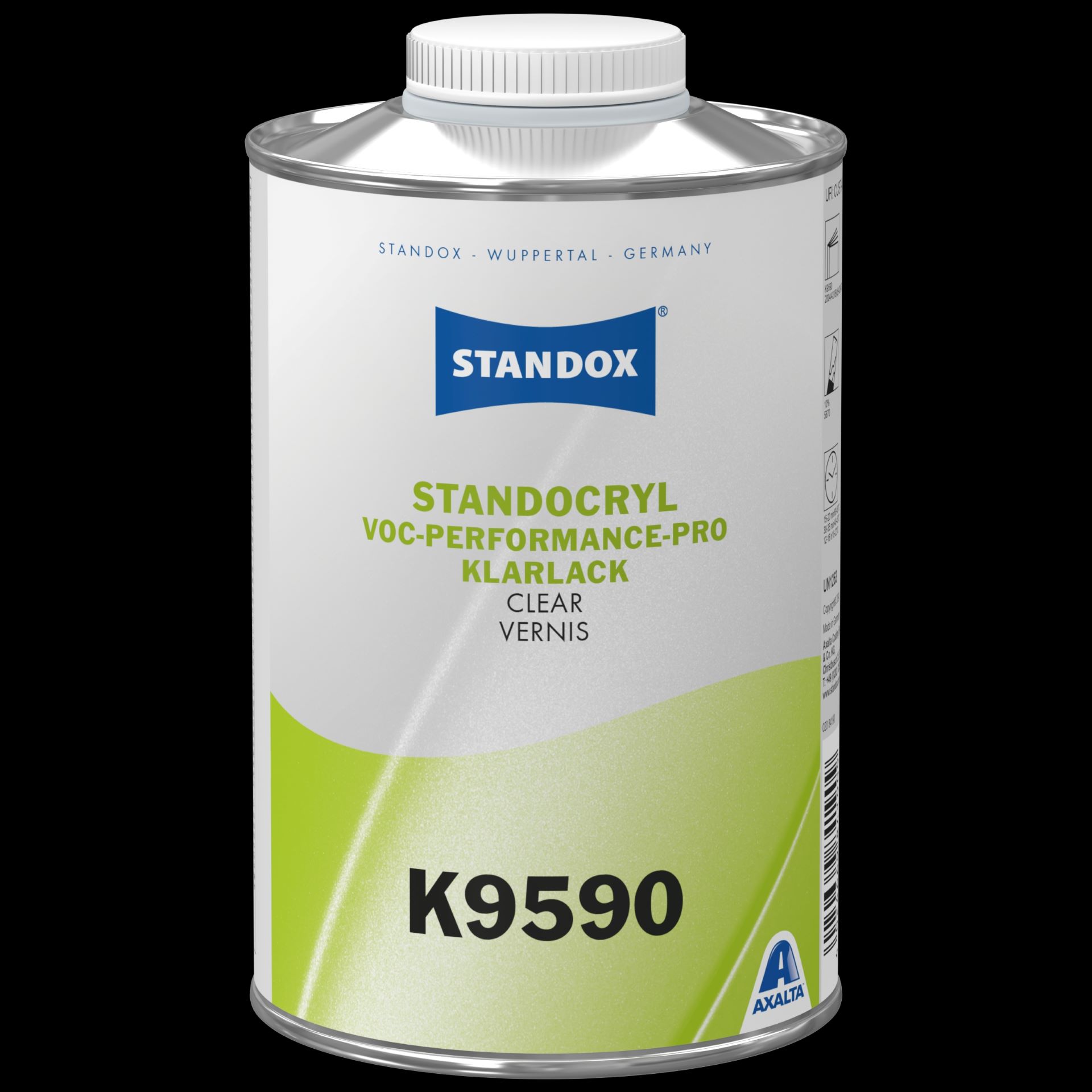
For a first-class fade-out, Standocryl VOC Performance Pro Clear K9590 should be used in conjunction with a fade-out thinner such as Standox Performance Blend 5730, which is available in a tin and an aerosol. “When sanding, it is important to graduate the sanding edge into the polished area of the part with a lighter sand, to ensure a smooth transition. This is critical when it comes to the application of the clear,” says Klöckner.
Refinishers should complete one pass of Standocryl VOC Performance Pro Clear K9590 over the repair area, flash-off, and then extend the application of the second coat into the area that was more finely sanded. Standox Performance Blend 5730 fade-out thinner should then be applied to the polished zone.
Standocryl VOC Performance Pro Clear K9590 offers good flow, a high gloss finish and, thanks to the low spray viscosity, it can be easily applied in two spray passes with just a short flash-off time. The flexibility of Standocryl VOC Performance Pro Clear K9590 means it can be adapted to any bodyshop’s individual operating procedures, whether they want to focus on lower operational energy costs, or fast processes.
To find out more about how to achieve high quality finishes while maintaining efficiency, the full video can be viewed here
Staff Writer
Reporting from the front lines of the collision repair industry, delivering expert analysis and the technical updates that drive the African automotive sector forward.
More From News

Must Read: Competition Case in Botswana Could Reshape the Regional Repair Market
A Botswana competition case could influence insurer-repairer relationships and reshape vehicle repair markets across Southern Africa.

What drivers should look for when collecting a vehicle after collision repairs
Experts from South African Motor Body Repairers' Association explain how motorists can inspect their vehicle after collision repairs, covering panel gaps, paint finish and functionality checks.
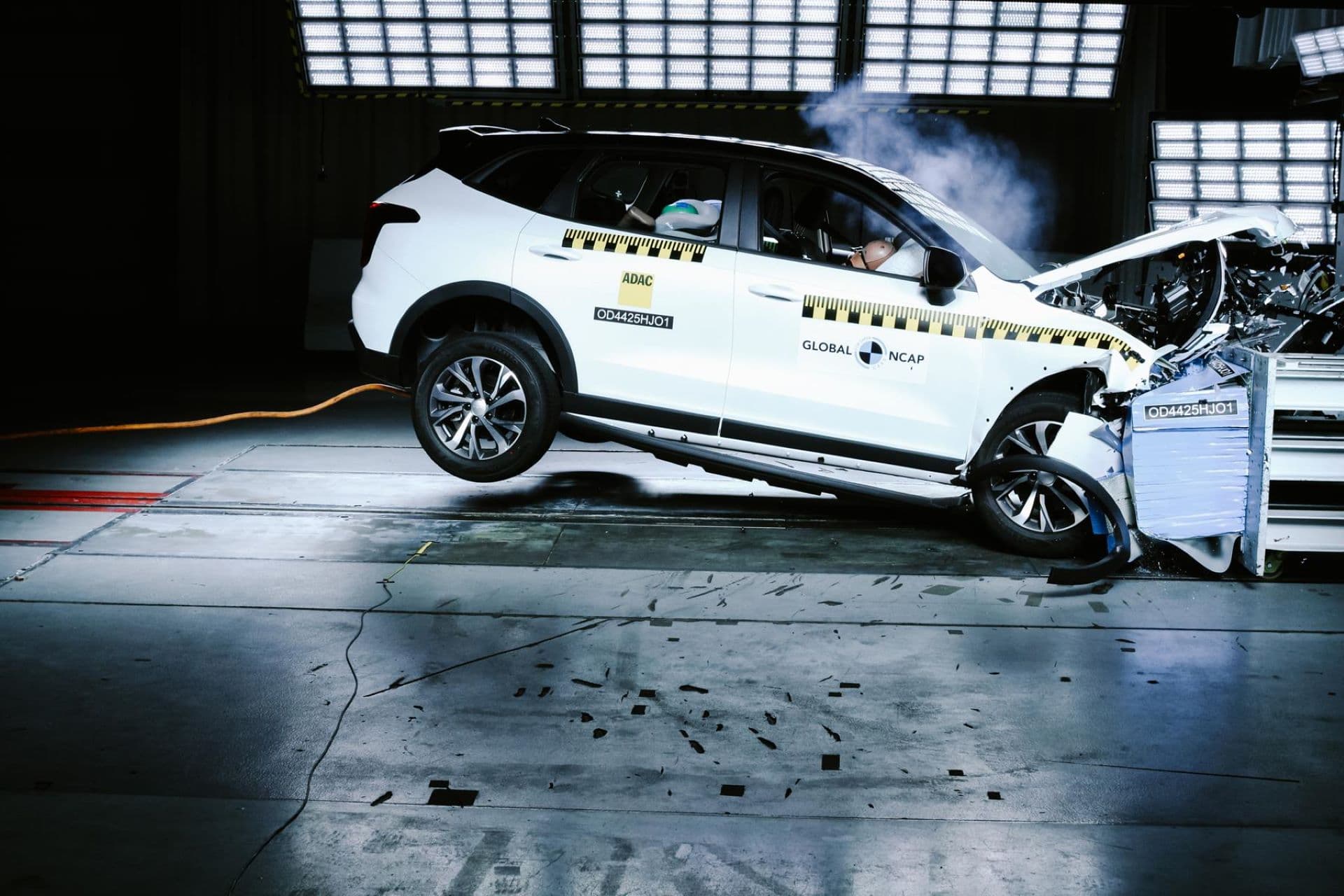
Entry-Level Cars Under Fire in Latest Crash Tests
South Africa’s entry-level cars face scrutiny after GNCAP crash tests reveal poor safety ratings for the Haval Jolion and Kia Sonet, prompting concern.
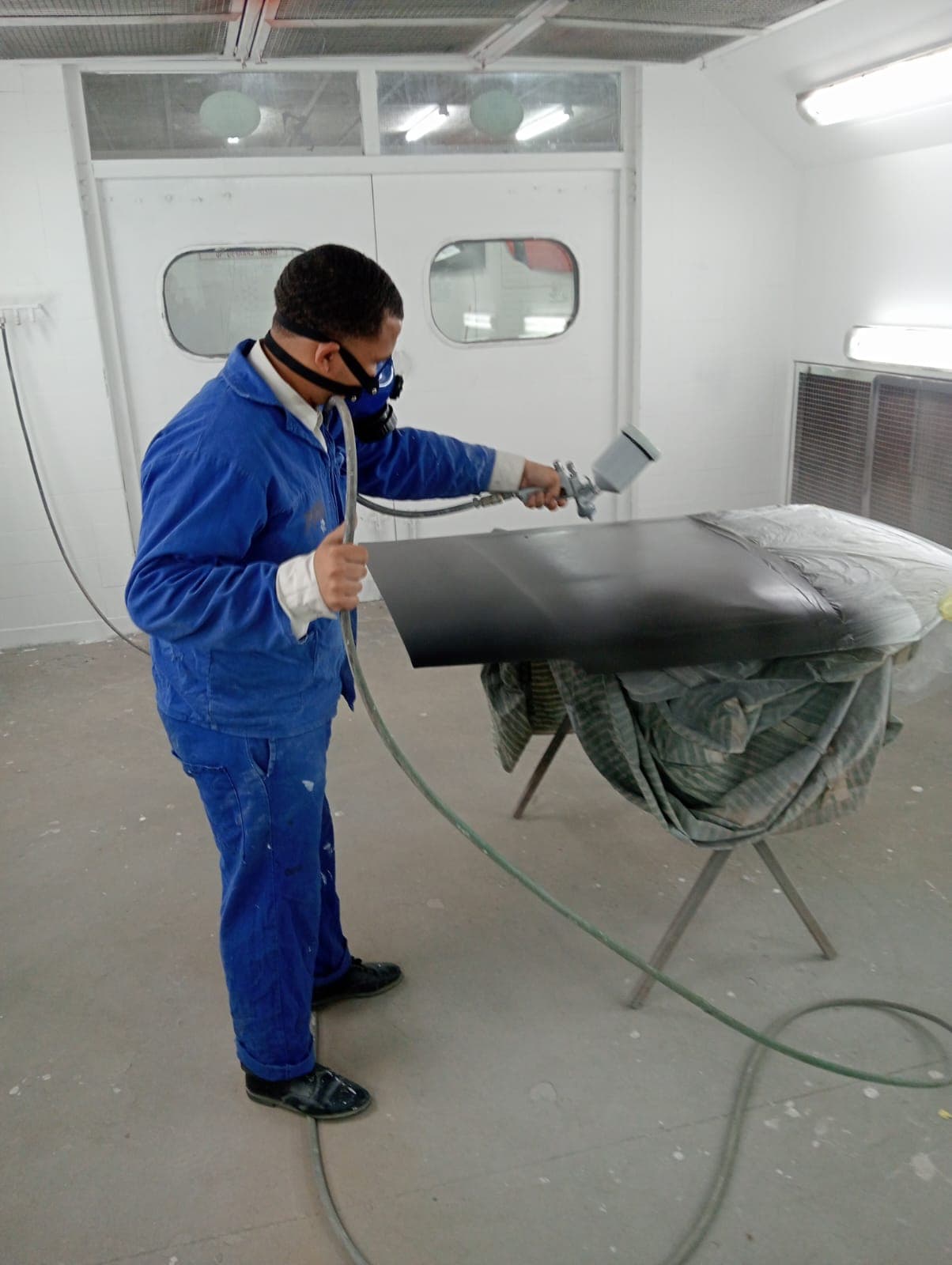
SAMBRA initiative puts young automotive talent in the spotlight
MIWA and SAMBRA host youth automotive competitions in Eastern Cape, offering training, hands-on experience and career pathways for young learners in 2026.

Hella returns to thermal management with long-term aftermarket push
Hella South Africa expands its thermal management range, targeting evolving vehicle technologies with 6,000+ SKUs planned by 2027.
Hino SA Honoured for Aftersales Excellence
Hino South Africa received two global awards for service and parts excellence, reinforcing its leadership in aftersales support.