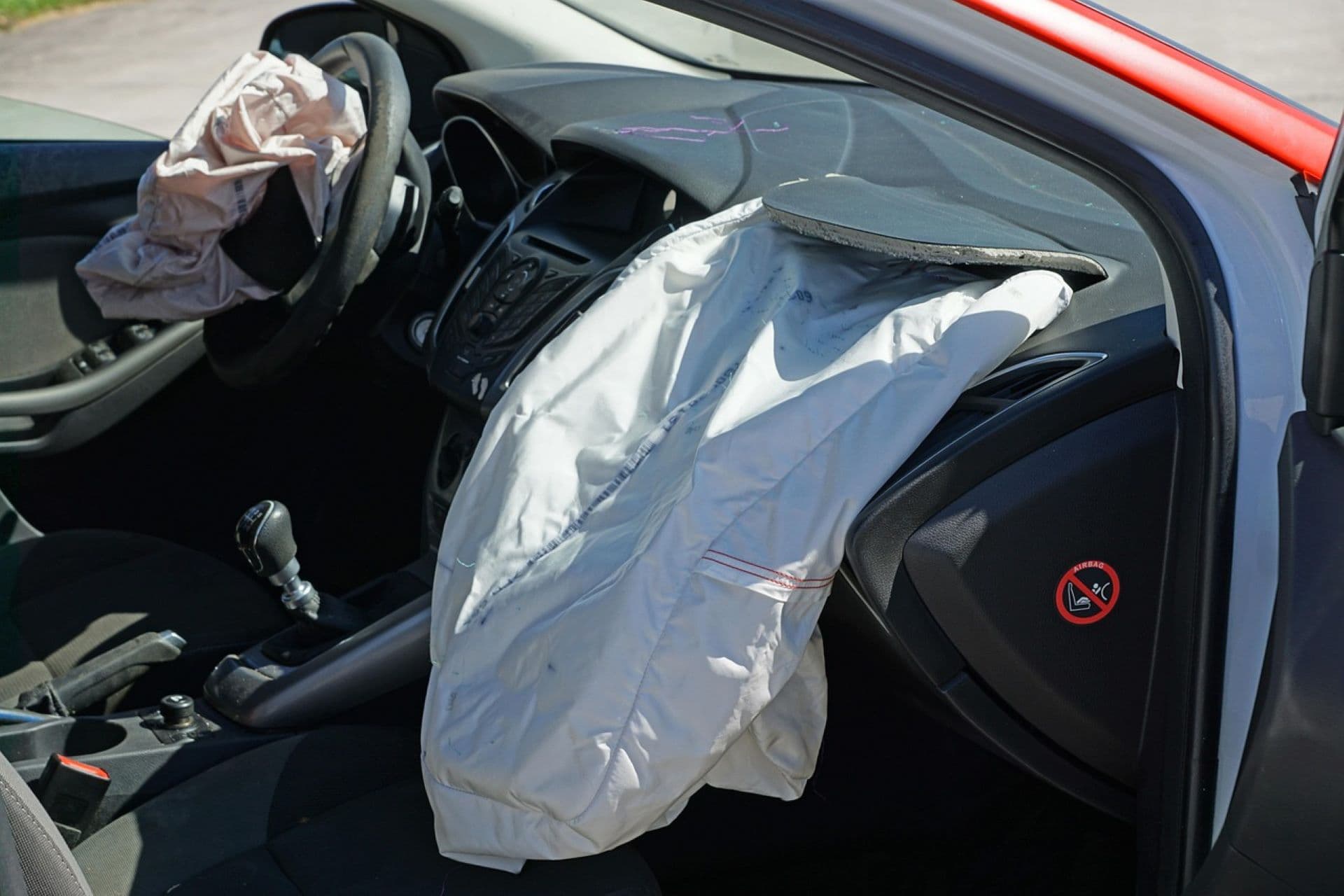
In his article Sacrificing Safety Is Not the Way to Make Cars Affordable, David Harkey, president of the Insurance Institute for Highway Safety–Highway Loss Data Institute (IIHS-HLDI) in the U.S, argues that rising vehicle prices should not be used as a justification for weakening or abandoning lifesaving safety technologies.
While the average new vehicle now sells for about R800 000 ($50,000) in the U.S., Harkey makes clear that safety features are not the primary reason for those high costs.
Harkey notes that consumers can still buy modern vehicles with excellent crash protection and advanced crash-avoidance technology for far less than the average price. Models such as the 2026 Mazda 3, Hyundai Kona, Honda Accord, Toyota Camry and Subaru Forester all start under R480 00 ($30,000) and earn the IIHS Top Safety Pick+ award. These vehicles include high levels of structural crash protection along with standard features such as automatic emergency braking, pedestrian detection and lane departure prevention, showing that affordability and safety can go hand in hand.
Vehicle affordability has recently been a prominent topic in congressional hearings on auto safety and innovation. In that context, some critics have suggested that safety requirements are too costly and should be scaled back. Harkey strongly disagrees, warning that halting safety progress would impose far greater costs through preventable injuries and deaths.
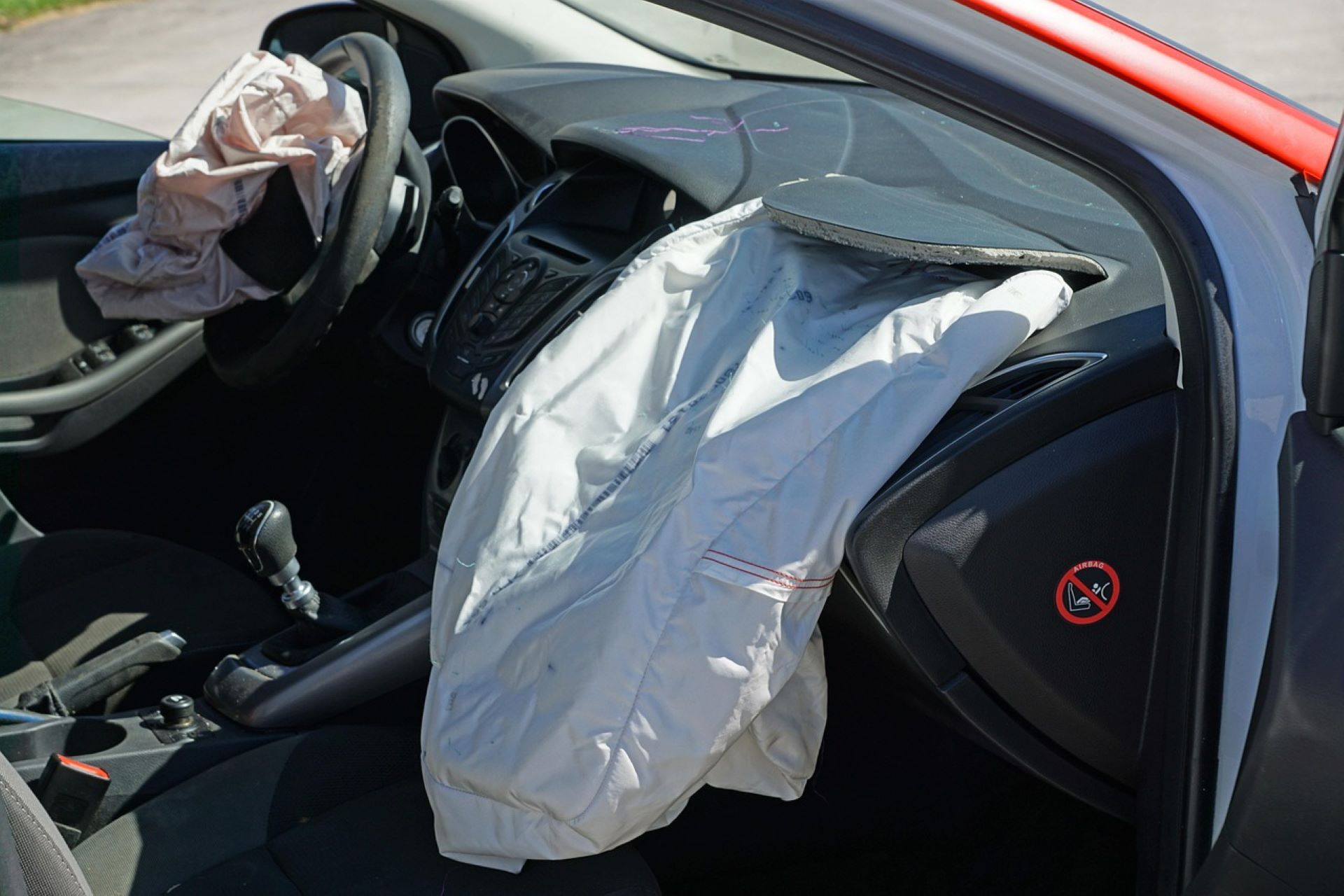
Looking at the history of vehicle safety, Harkey highlights innovations such as seat belts, airbags and electronic stability control, which together have saved hundreds of thousands of lives. He also underscores IIHS’s role in driving safety improvements through crash testing, ratings and voluntary industry commitments that helped make automatic emergency braking widespread. While these technologies are not free, Harkey stresses that government standards are essential to ensure that proven, lifesaving features are available on all new vehicles.
The economic benefits of safety investments, he argues, overwhelmingly outweigh their costs. A 2019 analysis by the National Highway Traffic Safety Administration found that the societal value of federal vehicle safety standards exceeded their cost by a factor of 23 to 1, translating into hundreds of billions of dollars in benefits through lives saved and injuries avoided.
Harkey concludes that safety is not what is driving vehicle prices higher. Instead, consumers are paying more for larger vehicles and for convenience and luxury features unrelated to safety, such as premium audio systems, power accessories and high-end trim packages. At the same time, high prices can actually undermine safety by keeping older, less-protective vehicles on the road longer.
With U.S. traffic deaths remaining high, Harkey warns that now is not the time to retreat from safety progress. Through its 30x30 initiative, IIHS aims to reduce road fatalities by 30% by 2030 — a goal that will require continued advances in vehicle safety alongside policy and infrastructure changes. Automakers, he concludes, should seek affordability, but never by sacrificing people’s lives.
Staff Writer
Reporting from the front lines of the collision repair industry, delivering expert analysis and the technical updates that drive the African automotive sector forward.
More From News

Must Read: Competition Case in Botswana Could Reshape the Regional Repair Market
A Botswana competition case could influence insurer-repairer relationships and reshape vehicle repair markets across Southern Africa.

What drivers should look for when collecting a vehicle after collision repairs
Experts from South African Motor Body Repairers' Association explain how motorists can inspect their vehicle after collision repairs, covering panel gaps, paint finish and functionality checks.
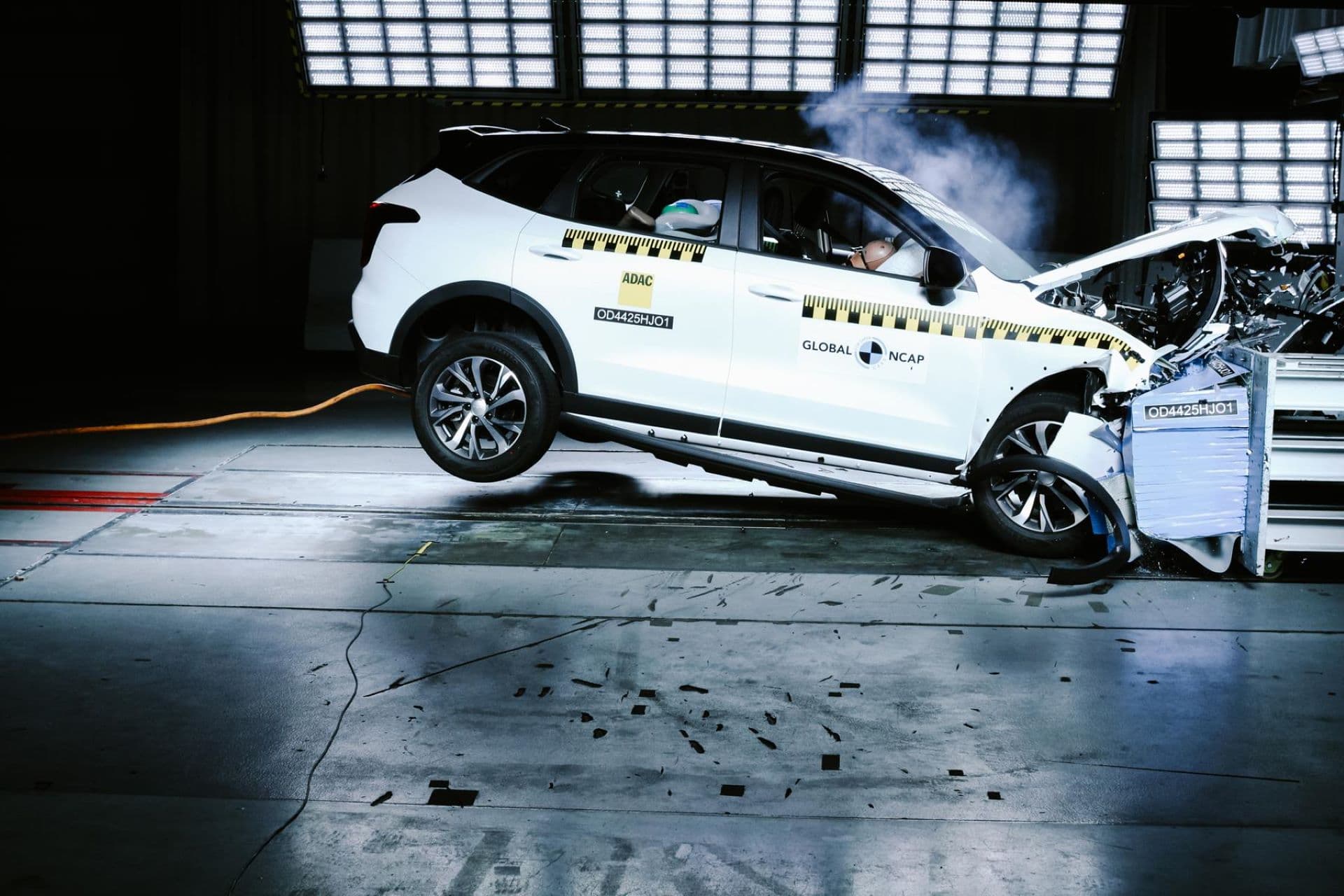
Entry-Level Cars Under Fire in Latest Crash Tests
South Africa’s entry-level cars face scrutiny after GNCAP crash tests reveal poor safety ratings for the Haval Jolion and Kia Sonet, prompting concern.
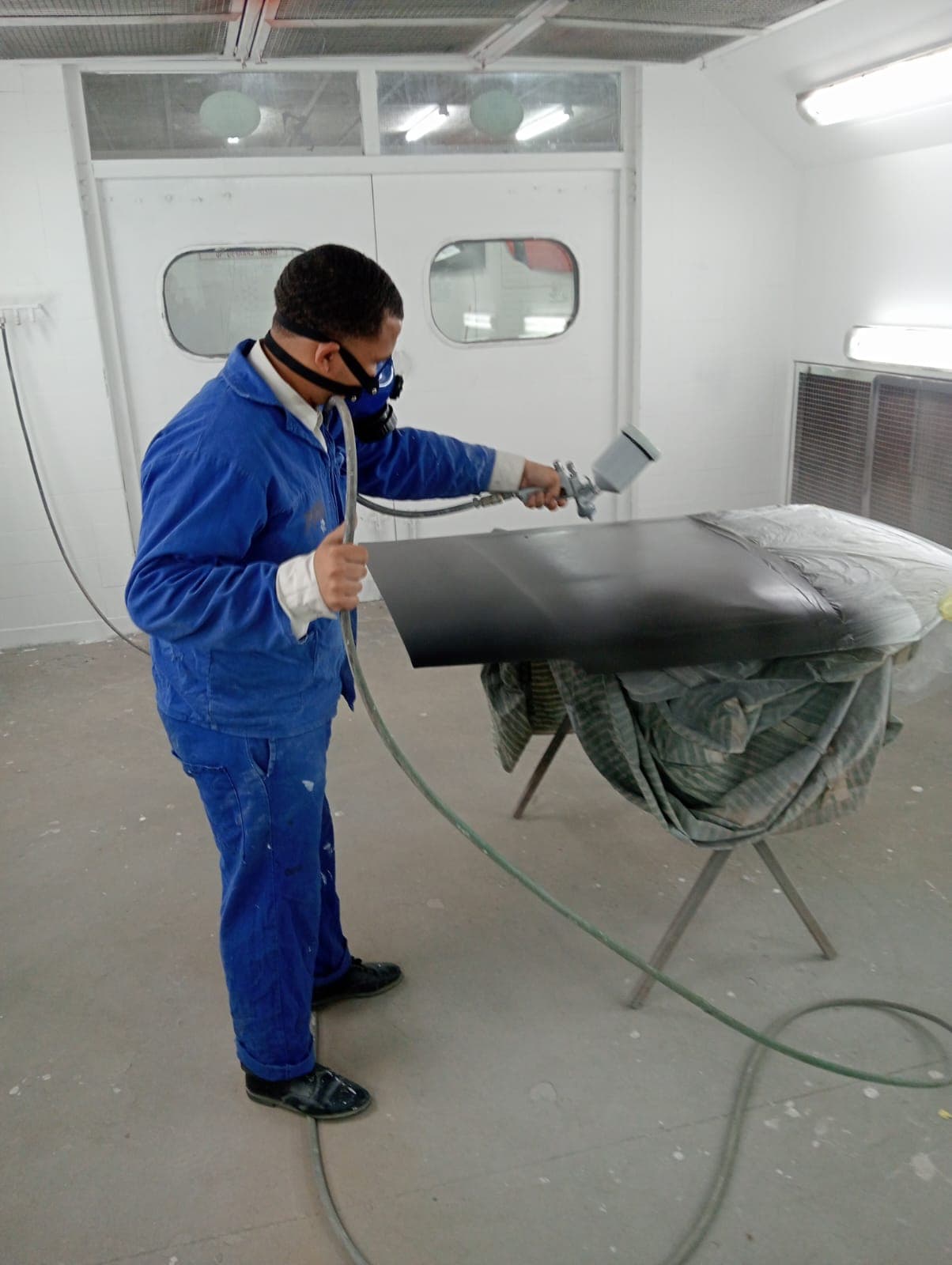
SAMBRA initiative puts young automotive talent in the spotlight
MIWA and SAMBRA host youth automotive competitions in Eastern Cape, offering training, hands-on experience and career pathways for young learners in 2026.

Hella returns to thermal management with long-term aftermarket push
Hella South Africa expands its thermal management range, targeting evolving vehicle technologies with 6,000+ SKUs planned by 2027.
Hino SA Honoured for Aftersales Excellence
Hino South Africa received two global awards for service and parts excellence, reinforcing its leadership in aftersales support.