Road safety is undergoing a significant transformation. For decades, car manufacturers have steadily improved vehicle design and integrated advanced safety technologies to meet consumer expectations. Yet, structural integrity and onboard systems are only part of the equation when it comes to safeguarding lives throughout every stage of a journey.
The urgency for progress remains stark. In the past year alone, 1,592 people across Australia and New Zealand lost their lives in vehicle-related crashes—a sobering reminder that policymakers, manufacturers, enforcement agencies, and everyday drivers must continue to push for better outcomes.
A New Framework for Safer Roads
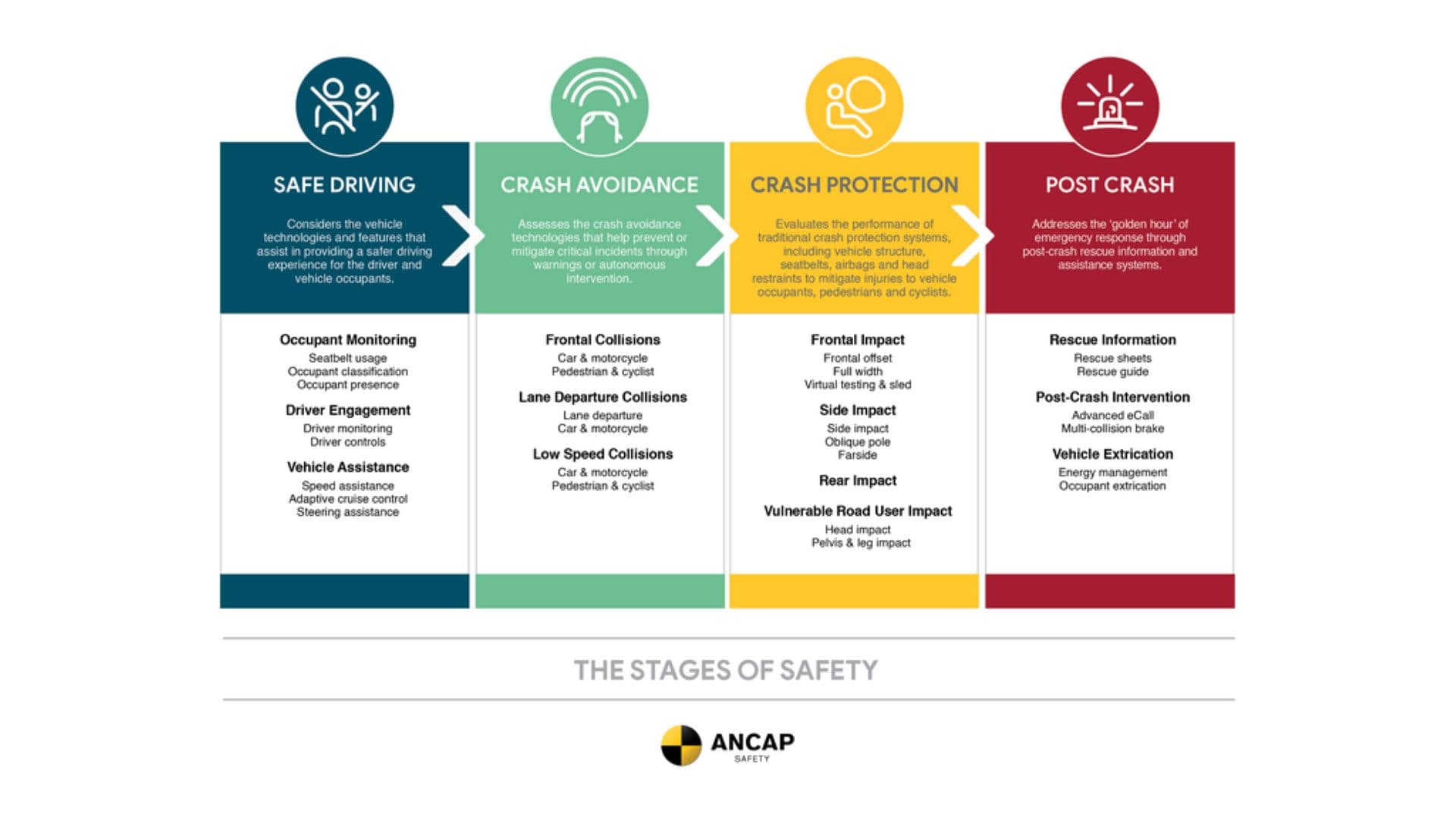
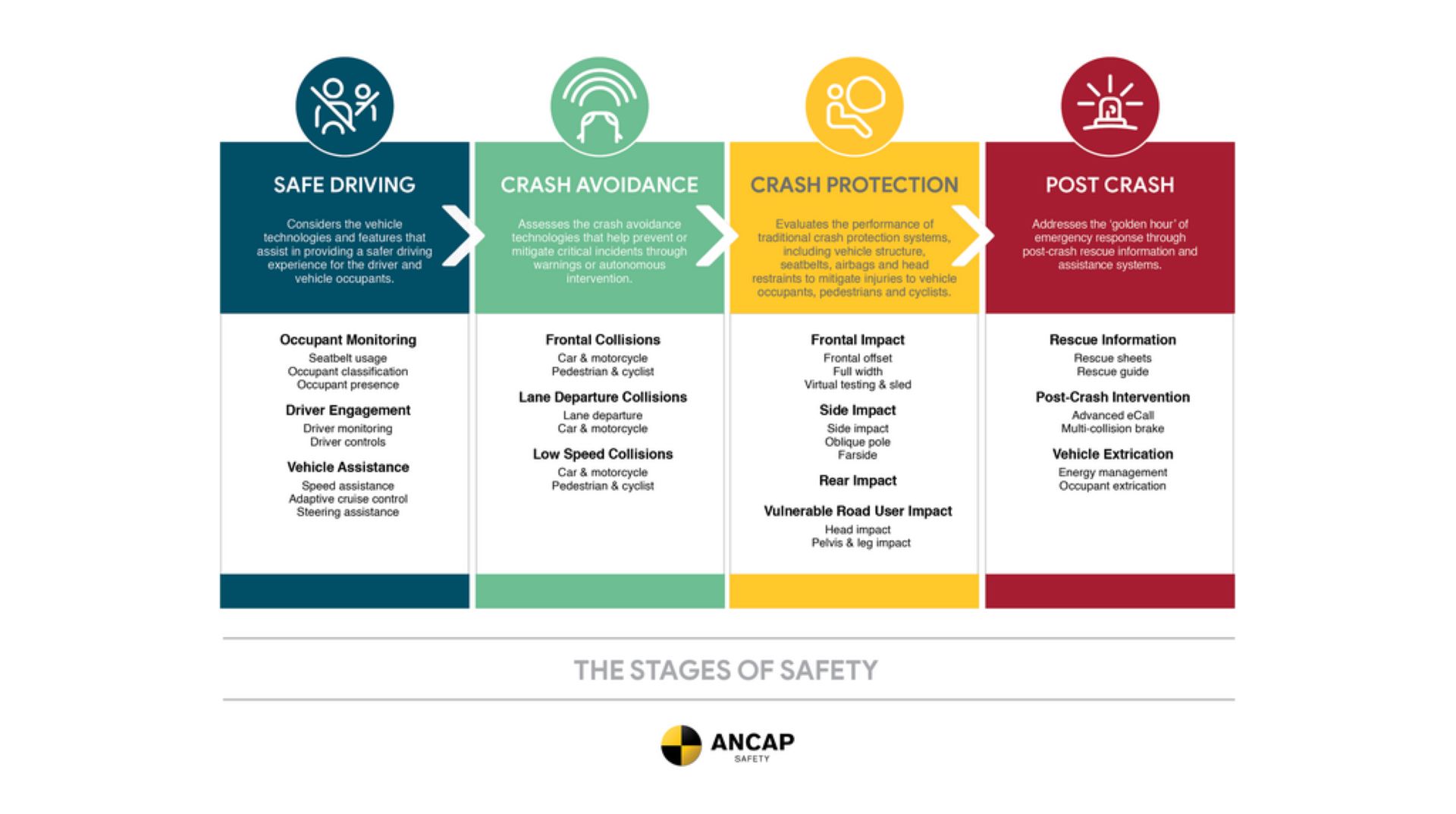
From 2026, the Australasian New Car Assessment Programme (ANCAP) will introduce a refreshed set of vehicle rating protocols. This update reorganises safety assessments under the “Stages of Safety” framework: Safe Driving, Crash Avoidance, Crash Protection, and Post-Crash. The approach draws on the Haddon Injury Prevention Matrix, which examines what happens before, during, and after a collision.
Carla Hoorweg, ANCAP’s Chief Executive, explains:
“You’ve spoken and we have listened. The Stages of Safety approach will allow ANCAP to incorporate useful feedback, enhance existing tests and incorporate new areas of focus. This new structure also provides flexibility to adapt to technological developments shaping the future of automated driving.”
Developed in collaboration with Euro NCAP experts, the updated protocols create a shared international benchmark, ensuring local consumers benefit from the most advanced crash testing and safety evaluations worldwide.
What’s Changing?
ANCAP reviews its star rating criteria every three years, with the sole aim of reducing fatalities and serious injuries. The 2026–2028 protocols will raise the bar further, rewarding vehicles that excel across all stages of safety—before, during, and after a crash.
Key changes include:
Driver Assistance Systems: Previously criticised for abrupt interventions, these will now be assessed for smooth, intuitive operation alongside technical performance.
Electric Vehicle Safety: Cars must isolate high-voltage batteries after severe crashes and notify emergency responders automatically.
Door Handle Design: Flush-fitting electric handles must remain operable following an impact.
Real-World Testing: More on-road evaluations will measure how well technology responds to actual driving conditions, providing deeper insights into driver experience.
The Four Stages Explained
Safe Driving – Technologies that support a safer driving experience for occupants.
Crash Avoidance – Systems that prevent or mitigate collisions through warnings or autonomous intervention.
Crash Protection – Traditional safety measures such as airbags, seatbelts, and structural integrity to protect occupants and vulnerable road users.
Post-Crash – Emergency response features, including rescue information and assistance systems during the critical ‘golden hour’.
Each stage will be scored out of 100 points, expressed as a percentage for consumers seeking detailed insights beyond the star rating. Minimum thresholds will remain in place to determine overall ratings.
Focus on Emergency Response
Acknowledging the life-saving potential of rapid post-crash intervention, ANCAP will place greater emphasis on eCall systems—technology that automatically connects vehicles to emergency services after a collision. While over 40% of new cars sold in Australia in 2024 featured eCall, uptake in New Zealand remains below 10%.
“New Zealanders should not be left behind when it comes to life-saving technologies such as eCall,” says Hoorweg. “Our updated protocols set a clear benchmark and encourage manufacturers to make this technology standard.”
Driving Towards Safer Futures
ANCAP’s goal is clear: to challenge industry beyond regulation, inform consumers, and reduce road trauma. By strengthening protocols and aligning them with real-world conditions, the organisation aims to deliver better protection for all road users—through active crash prevention, superior occupant safety, and improved emergency response.
As Hoorweg concludes:
“Our mission remains focused: helping you stay safe, every drive.”
Staff Writer
Reporting from the front lines of the collision repair industry, delivering expert analysis and the technical updates that drive the African automotive sector forward.
More From News

Must Read: Competition Case in Botswana Could Reshape the Regional Repair Market
A Botswana competition case could influence insurer-repairer relationships and reshape vehicle repair markets across Southern Africa.

What drivers should look for when collecting a vehicle after collision repairs
Experts from South African Motor Body Repairers' Association explain how motorists can inspect their vehicle after collision repairs, covering panel gaps, paint finish and functionality checks.
Entry-Level Cars Under Fire in Latest Crash Tests
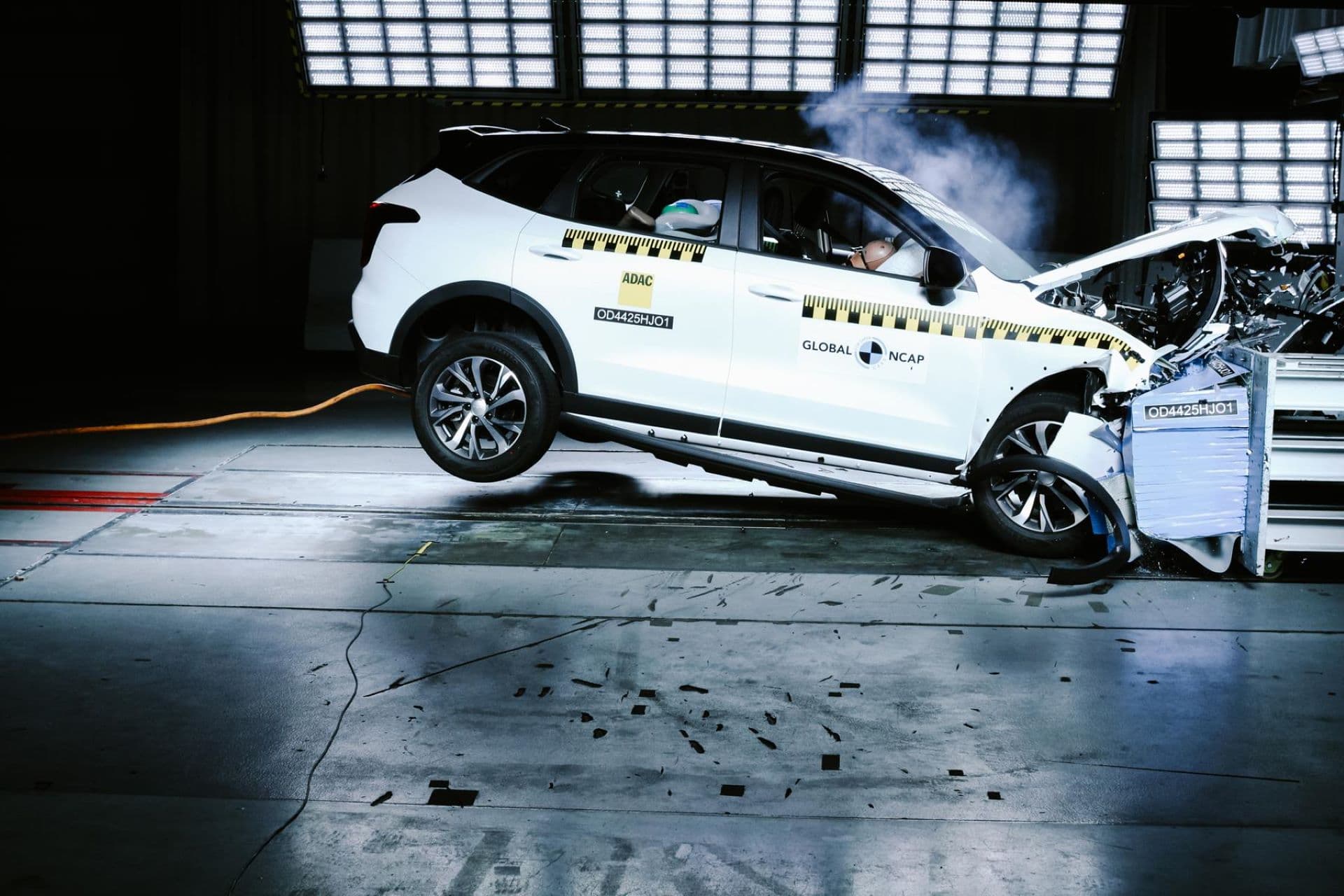
South Africa’s entry-level cars face scrutiny after GNCAP crash tests reveal poor safety ratings for the Haval Jolion and Kia Sonet, prompting concern.
SAMBRA initiative puts young automotive talent in the spotlight
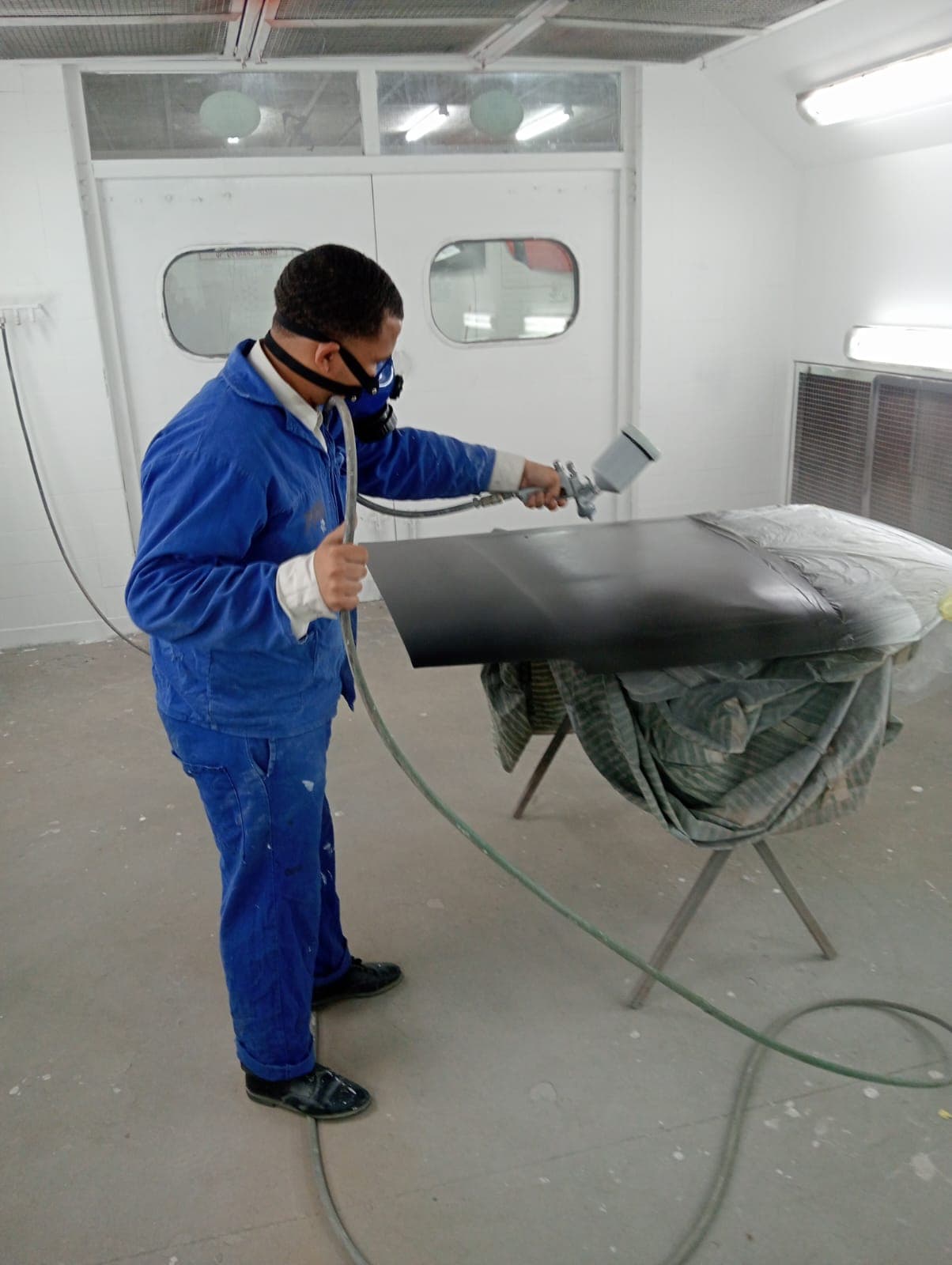
MIWA and SAMBRA host youth automotive competitions in Eastern Cape, offering training, hands-on experience and career pathways for young learners in 2026.

Hella returns to thermal management with long-term aftermarket push
Hella South Africa expands its thermal management range, targeting evolving vehicle technologies with 6,000+ SKUs planned by 2027.
Hino SA Honoured for Aftersales Excellence
Hino South Africa received two global awards for service and parts excellence, reinforcing its leadership in aftersales support.