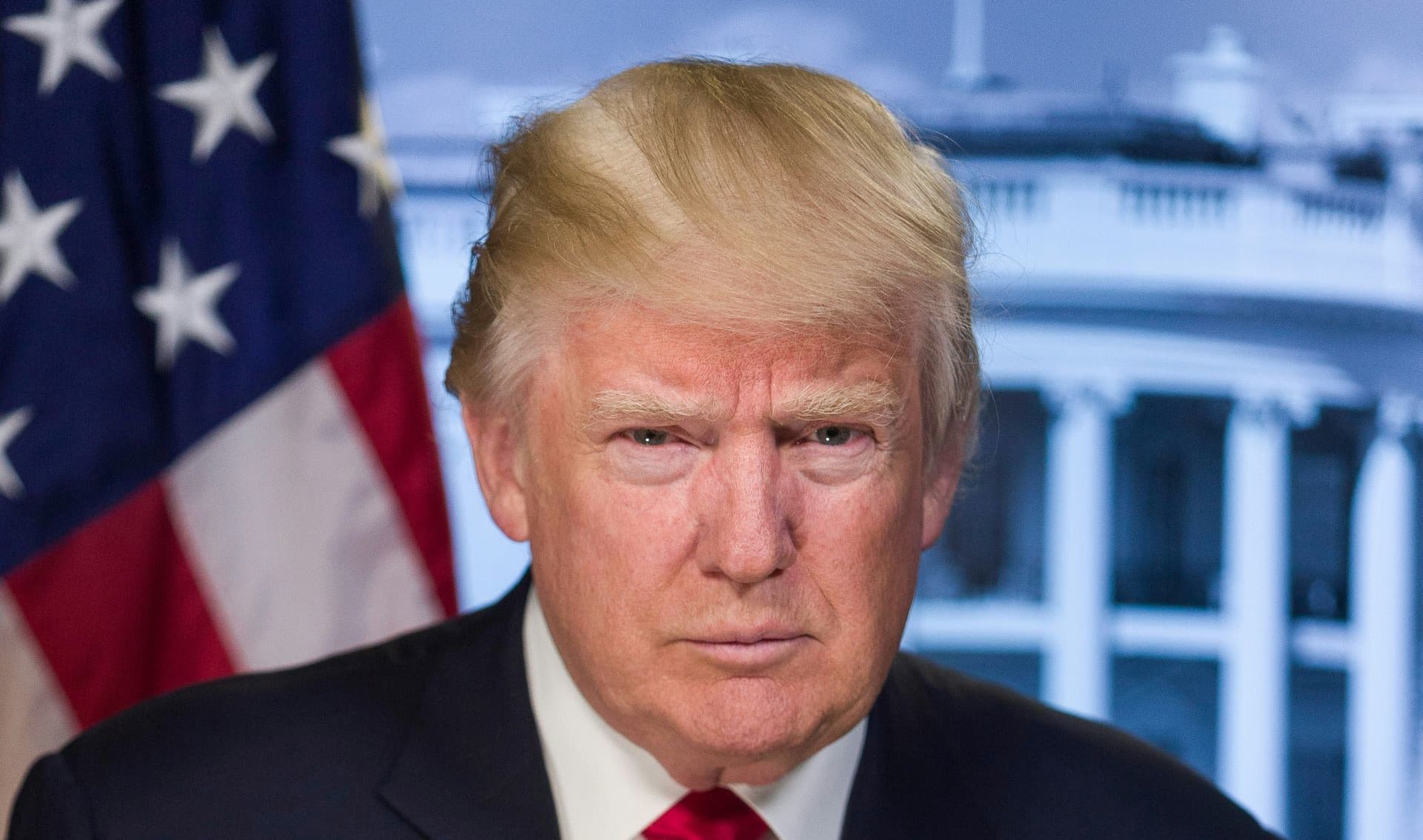
On January 20, President Donald Trump signed an executive order overturning a 2021 directive from former President Joe Biden, which had set a target for electric vehicles (EVs) to account for 50% of all new vehicle sales in the US by 2030.
Although Biden’s goal was not legally binding, it had received backing from both domestic and international automakers.
President Trump’s order goes beyond merely rescinding the EV sales target. It directs federal agencies to re-evaluate current emissions regulations, which require automakers to achieve 30% to 56% EV sales by 2032 to comply with federal standards. Additionally, the executive order freezes the allocation of unspent federal funds intended for expanding EV-charging infrastructure, effectively stalling the development of a nationwide network of charging stations.
Another significant aspect of the order is the termination of state emissions waivers that restrict the sale of gasoline-powered vehicles. This includes revoking California's waiver, which allowed the state to enforce a ban on the sale of new gasoline-only vehicles by 2035. By eliminating such waivers, the Trump administration aims to create uniform emissions regulations across all states.
These moves are part of the administration’s broader effort to promote consumer choice and reduce what it views as regulatory favouritism toward electric vehicles. The administration is also evaluating the possibility of ending federal EV subsidies, such as the $7,500 (R139 000) tax credit, arguing that these incentives distort the market.
The policy changes carry major implications for the automotive industry, which has invested significantly in EV development in recent years. While global demand for EVs continues to grow, the rollback of supportive policies in the US could reshape domestic market dynamics and slow the pace of EV adoption.
Staff Writer
Reporting from the front lines of the collision repair industry, delivering expert analysis and the technical updates that drive the African automotive sector forward.
More From Motoring
Technology Bundles Deliver Major Safety Gains, New Analysis Shows
A growing body of evidence suggests that modern driver assistance technologies are significantly reducing road crashes, and new research into...
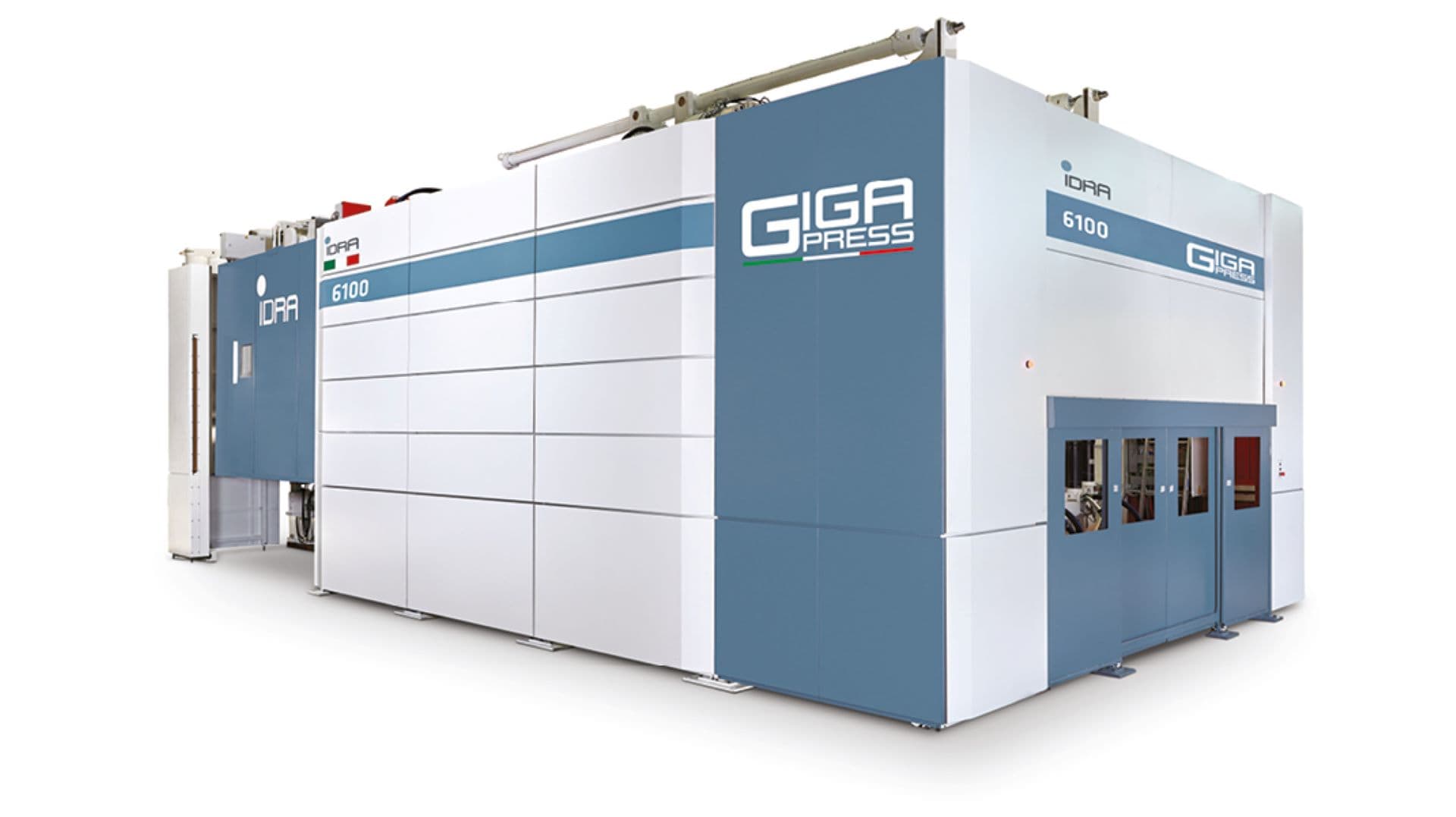
How Ford’s Shift to Megacasting Could Influence Vehicle Repair Costs
Ford Motor Company is planning to replace complex assemblies with giant, single-piece aluminium castings for its upcoming electric pickup. The...
The 9th Festival of Motoring is Here
The iconic Kyalami Grand Prix Circuit will once again come alive from 28–30 August 2026 as the Festival of Motoring (FoM), powered by WesBank...
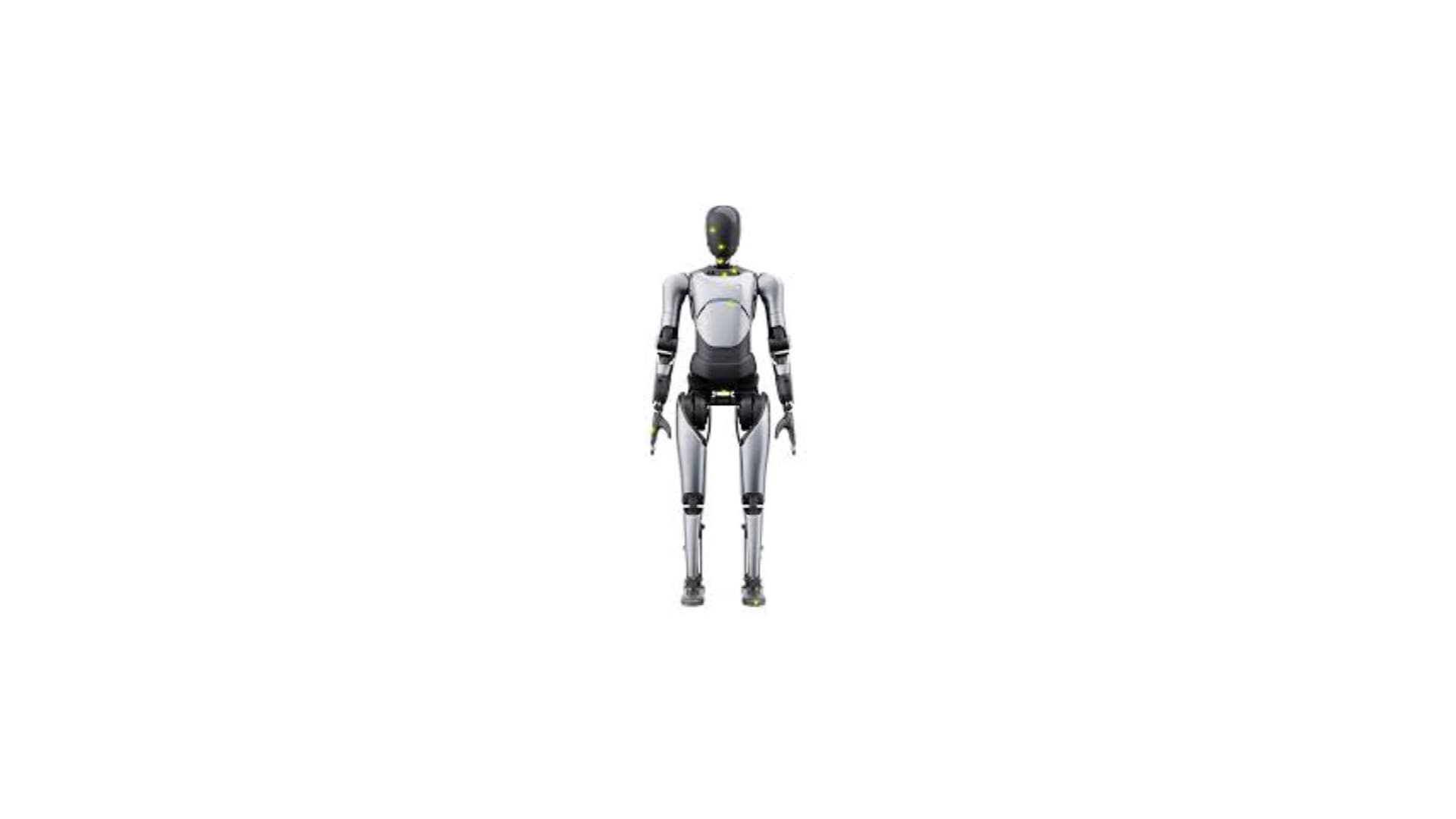
Agibot Sets Its Sights on Europe as Humanoid Robot Competition Heats Up
Chinese robotics firm Agibot is accelerating its global expansion with a major push into Europe, partnering with automotive supplier Minth Group...
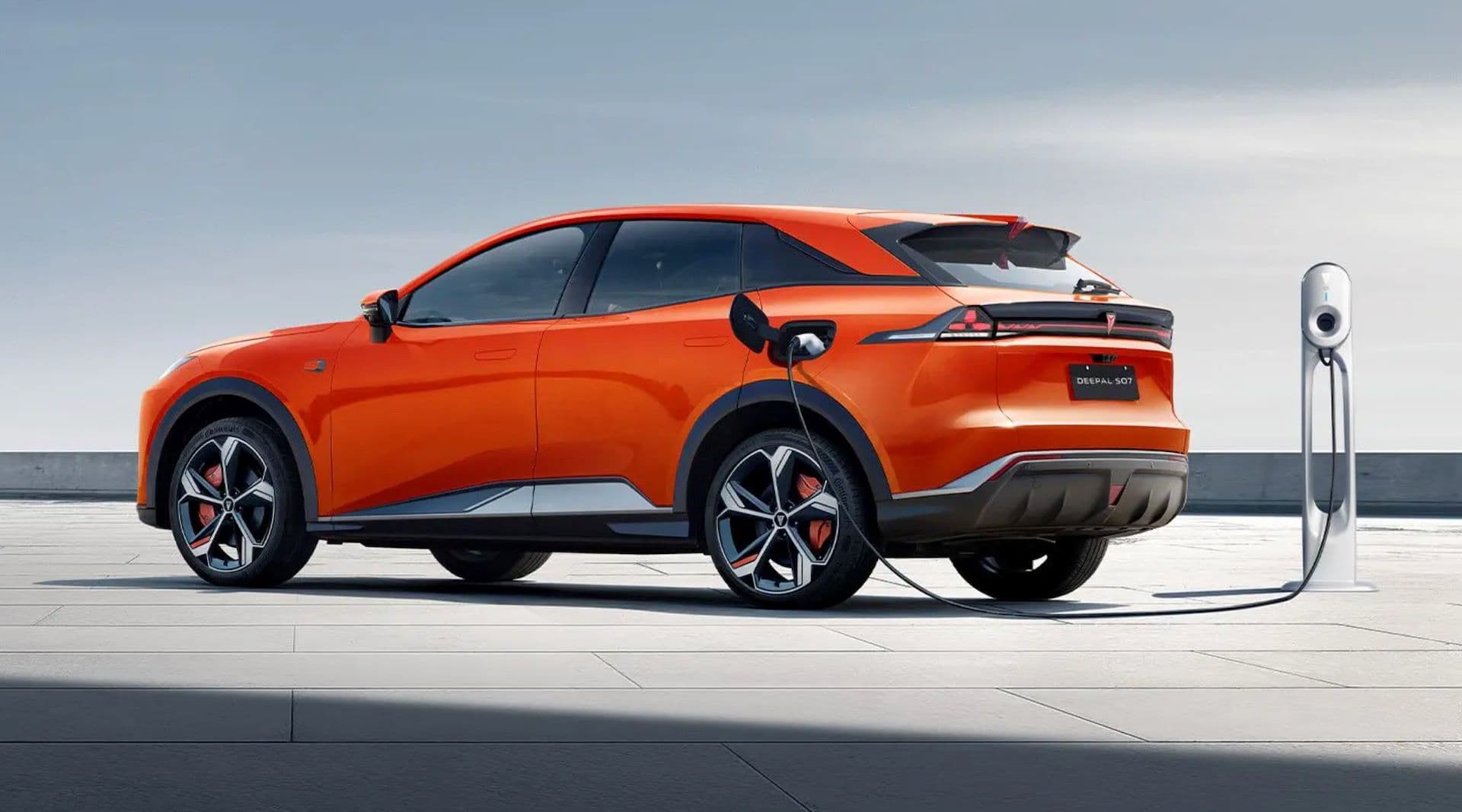
South Africa Embraces the New Era of Automotive Brands
South Africa’s automotive industry is undergoing a profound transformation. While traditional marques remain familiar and trusted, a growing...
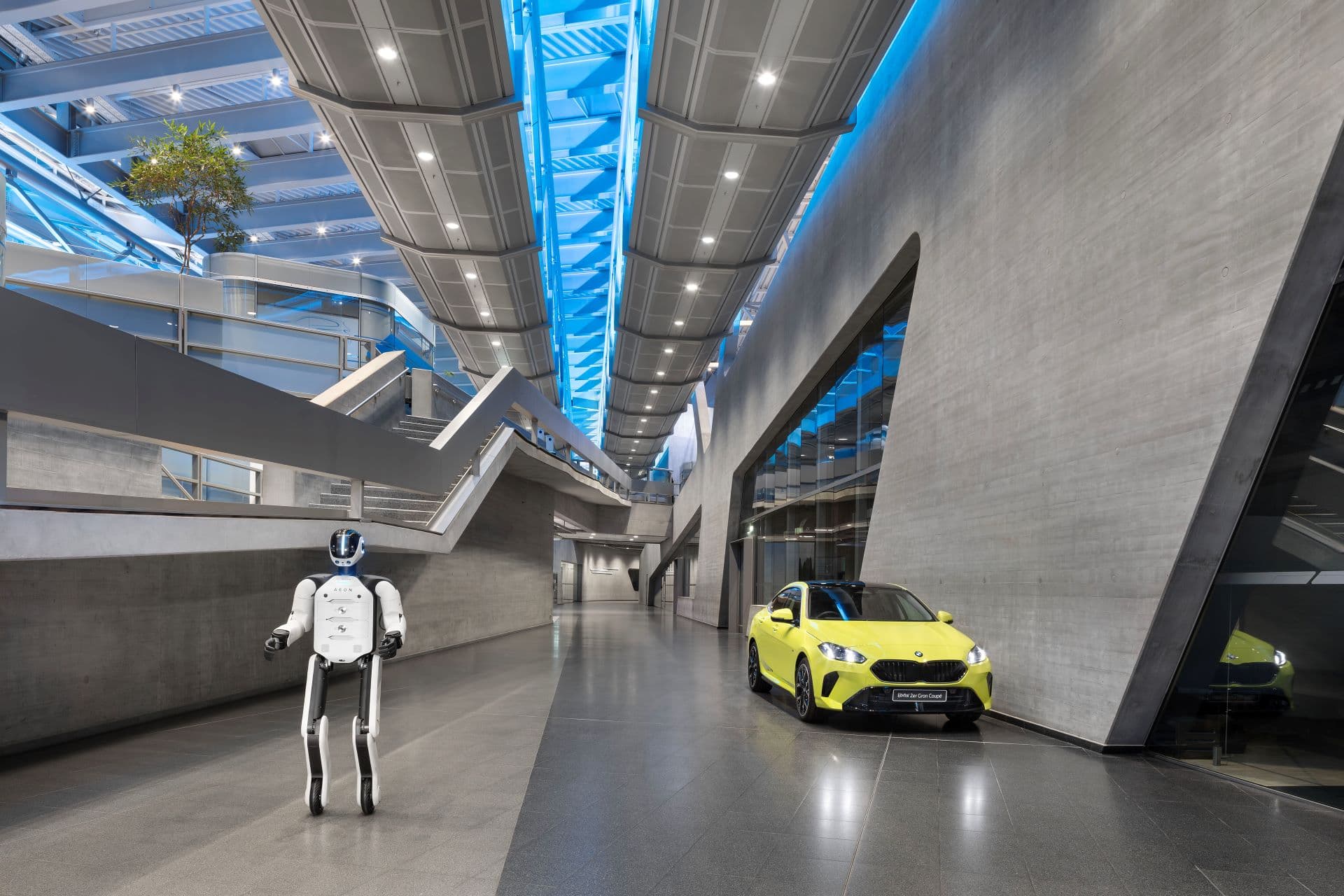
BMW Expands Physical AI Innovation with New Leipzig Robotics Pilot
The BMW Group is strengthening its position as a leader in intelligent manufacturing with the launch of a new pilot project using humanoid robots...