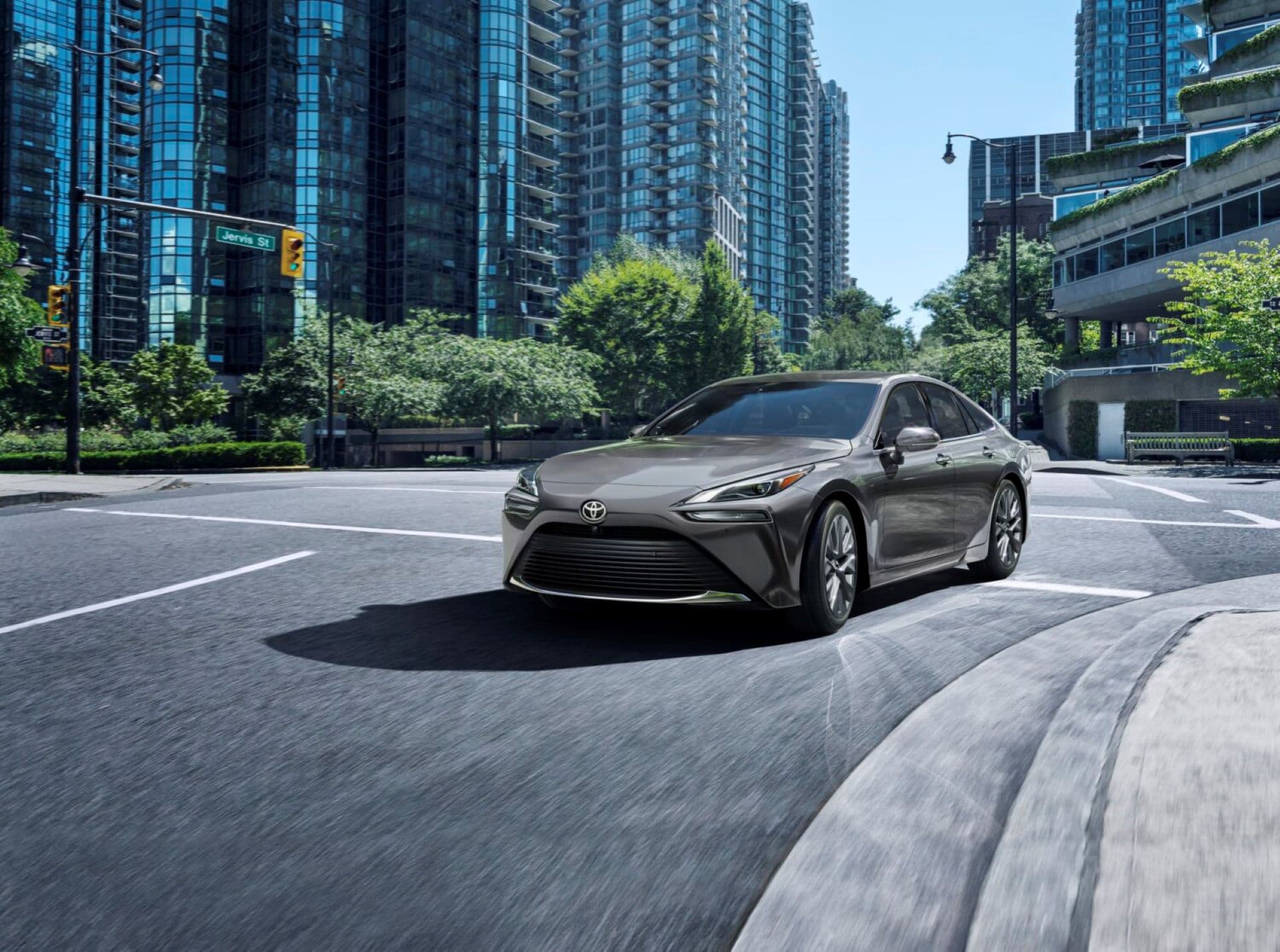
In January Toyota announced the second generation, 2024 Mirai, to its American market.With the Mirai, the Japanese giant seems to be betting on hydrogen power for passenger cars in the NEV segment, but what exactly is the Mirai all about and just how does hydrogen power work?The Mirai, which boasts a range of about 646km, is in essence a “plug-less” electric vehicle. Instead of having to charge a battery in a BEV, which can take several hours, the Fuel Cell Electric Vehicle (FCEV) driver simply fills the tank with hydrogen, just as millions of drivers do every day with petrol or diesel vehicles. With an FCEV, the fuel is non-toxic, compressed hydrogen gas rather than liquid gasoline.An FCEV generates its own electricity onboard from hydrogen, with water as the only emission. A fuel cell system combines stored hydrogen with oxygen from the air, and a chemical reaction that produces electric current, and water, which drops out of a hidden vent pipe beneath the car.Electricity generated by the Mirai’s fuel cell and the regenerative braking system is stored in a lithium-ion battery. Pressing the accelerator pedal yields immediate flow of electric power from the fuel cell and/or battery to the rear-mounted AC synchronous electric motor, which drives the rear wheels. An electric air compressor pressurises the intake air, and a water-cooled intercooler reduces the temperature of the compressed air before it enters the fuel cell stack. A water-cooled oil cooler integrated with the air compressor helps maximise efficiency.The intake system is designed to mitigate noise, which is virtually unnoticeable to occupants. Of necessity, the intake air for the fuel cell must be purified. And so, an electrostatic air cleaner element captures ultra-fine particles (Particulate Matter 2.5), and a charcoal filter removes chemical substances.The 2024 Toyota Mirai will include up to $15 000 (R28 000) of complimentary hydrogen with a purchase or lease.But fuel-cell technology is not as novel as you might think. Fuel cell technology pre-dates the automobile by half a century. In 1838, a Welsh physicist combined hydrogen and oxygen in the presence of an electrolyte and produced an electric current, though not enough to be useful. By the 1960s, the technology was being used in America’s Gemini and Apollo spacecraft, where it provided crews with both electricity and water from stored hydrogen and oxygen.Fuel cells have previously been studied for the automotive sector, but the technology only recently became practical and cost-effective. Toyota began its fuel-cell development around the same time as the original Prius, and the Mirai shares technology from the company’s hybrid programme.Toyota developed the solid-polymer electrolyte fuel cells used in the first- and second-generation Mirai models. To help foster FCEV proliferation, the company has released over 5,000 of its patents, royalty-free.It is a scalable technology that can be made small enough to power a phone or large enough to power a building, or anything in between. For example, Toyota installed fuel-cell powertrains in a fleet of class-8 semi-trucks that are rated for a maximum 80,000-pound load. These big rigs have been used for moving freight in and around the Ports of Los Angeles and Long Beach, California.Hydrogen can be produced from a variety of domestic resources. The goal of the Hydrogen Council, for which Toyota is a founding member, is to use decarbonised hydrogen for transport such as that produced from bio-resources or renewable electricity via electrolysis.
Staff Writer
Reporting from the front lines of the collision repair industry, delivering expert analysis and the technical updates that drive the African automotive sector forward.
More From Motoring
Technology Bundles Deliver Major Safety Gains, New Analysis Shows
A growing body of evidence suggests that modern driver assistance technologies are significantly reducing road crashes, and new research into...
How Ford’s Shift to Megacasting Could Influence Vehicle Repair Costs
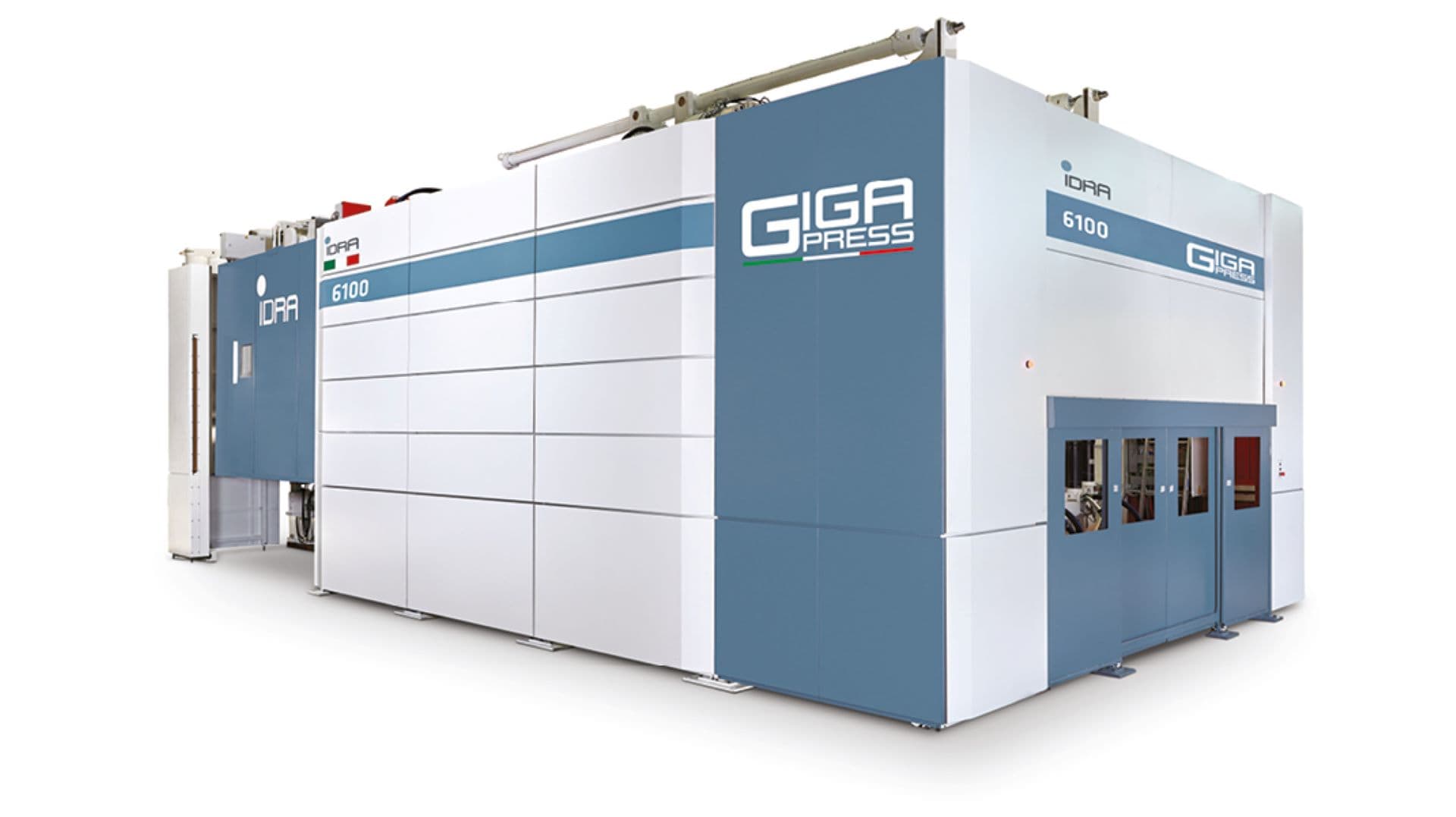
Ford Motor Company is planning to replace complex assemblies with giant, single-piece aluminium castings for its upcoming electric pickup. The...

The 9th Festival of Motoring is Here
The iconic Kyalami Grand Prix Circuit will once again come alive from 28–30 August 2026 as the Festival of Motoring (FoM), powered by WesBank...
Agibot Sets Its Sights on Europe as Humanoid Robot Competition Heats Up
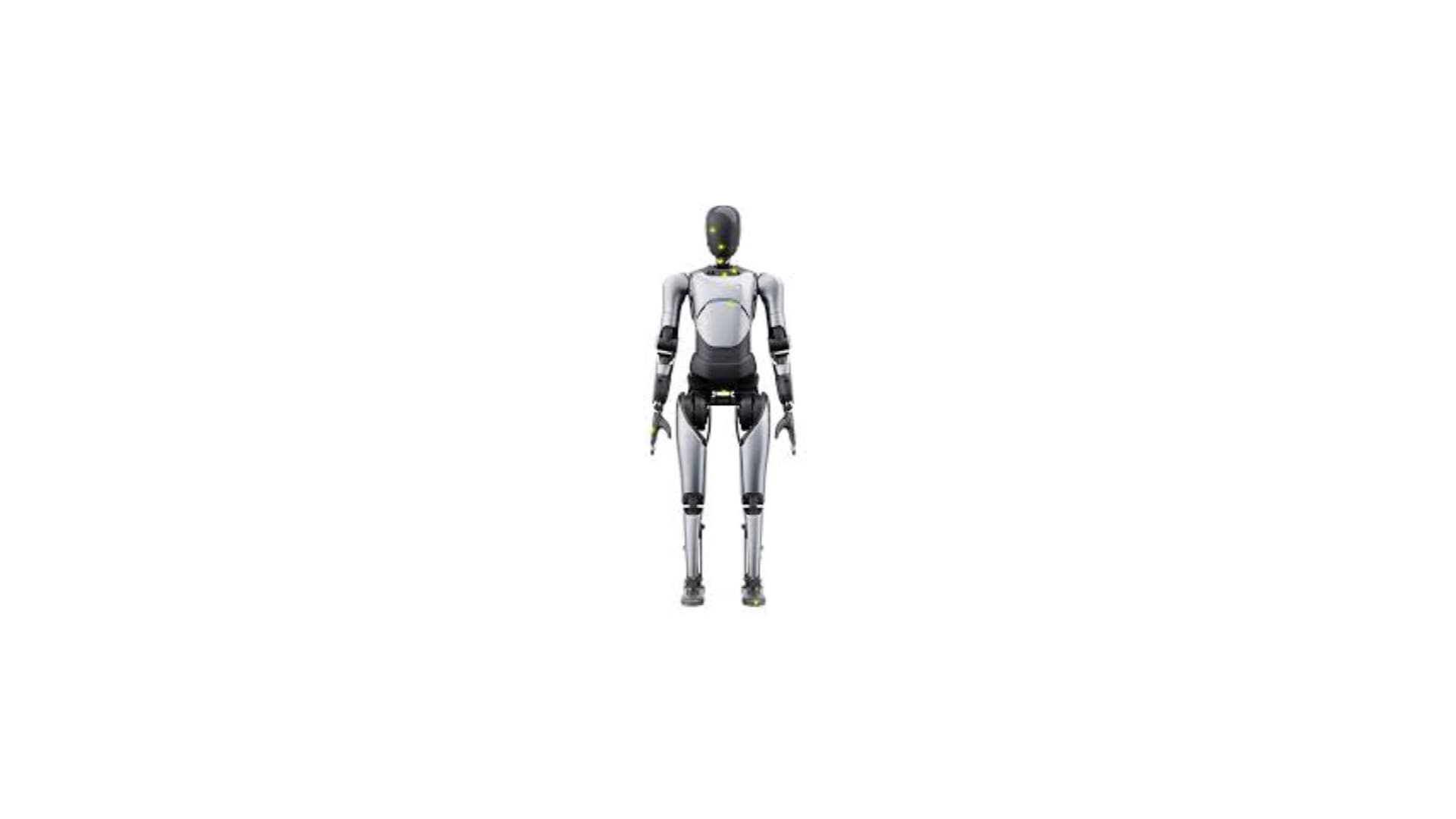
Chinese robotics firm Agibot is accelerating its global expansion with a major push into Europe, partnering with automotive supplier Minth Group...
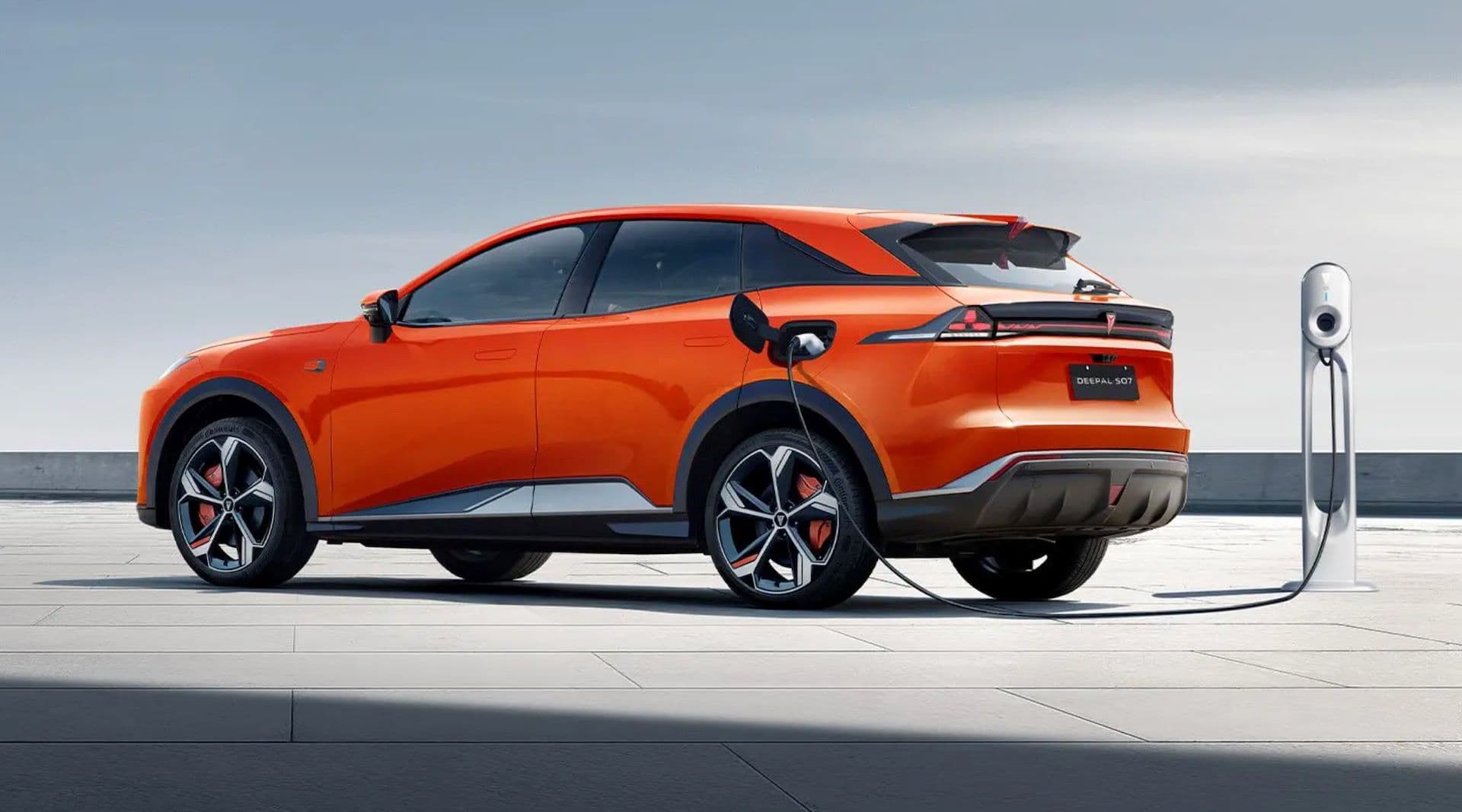
South Africa Embraces the New Era of Automotive Brands
South Africa’s automotive industry is undergoing a profound transformation. While traditional marques remain familiar and trusted, a growing...
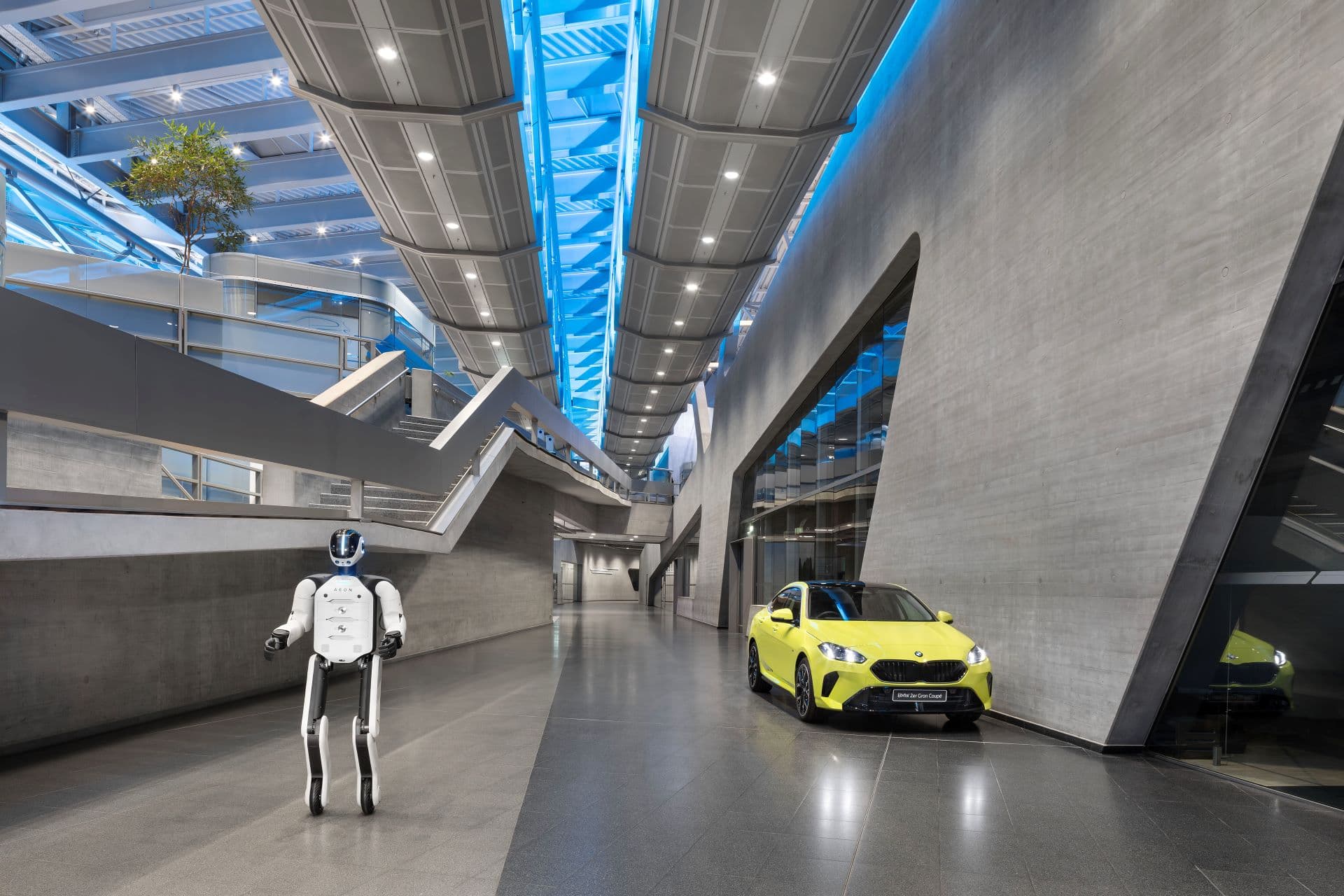
BMW Expands Physical AI Innovation with New Leipzig Robotics Pilot
The BMW Group is strengthening its position as a leader in intelligent manufacturing with the launch of a new pilot project using humanoid robots...