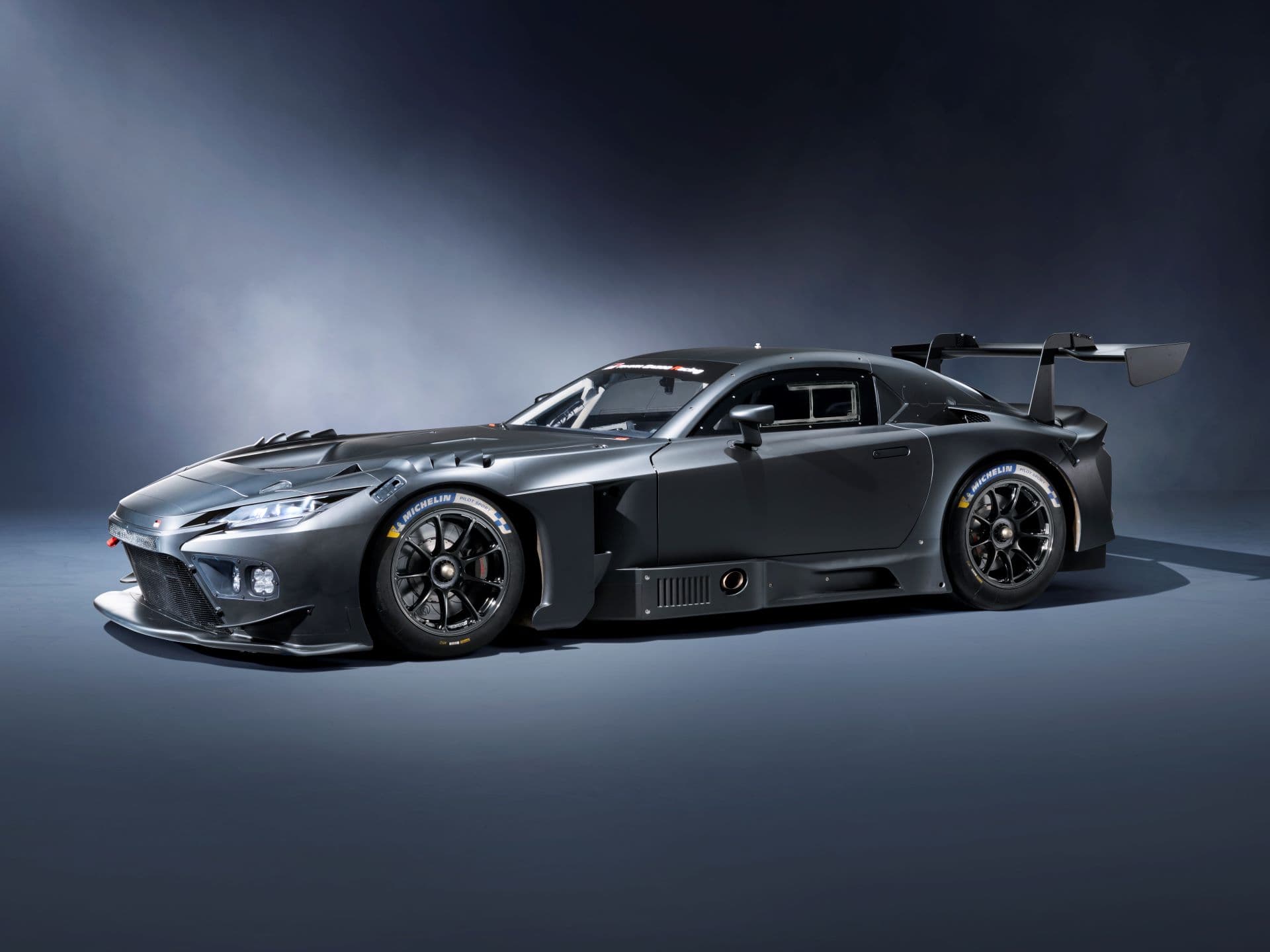
Toyota Gazoo Racing (TGR) has unveiled two eagerly anticipated prototypes, the GR GT and GR GT3, signalling a bold new chapter in the brand’s performance and motorsport journey.
Representing Toyota’s most advanced interpretation of its “driver-first” philosophy, these models introduce technologies never before seen in a production Toyota, and promise to become cornerstones of its performance portfolio.
Following in the footsteps of icons such as the Toyota 2000GT and Lexus LFA, the GR GT and GR GT3 blend motorsport expertise with cutting-edge engineering. Both vehicles were conceived around three fundamental principles: an exceptionally low centre of gravity, lightweight construction combined with high rigidity, and aerodynamics designed before styling. The result is a radical rethinking of high-performance architecture, now realised in Toyota’s first all-aluminium body frame and a newly developed 4.0-litre V8 twin-turbo engine, exceptionally compact to enable unprecedented packaging.
Development was led by TMC Chairman Akio Toyoda, known as Master Driver “Morizo”, alongside professional drivers, gentleman racers, and Toyota’s elite evaluation team. This hands-on collaboration ensured that every design decision drew directly from motorsport experience.
The GR GT, a road-legal race car, embodies this philosophy in a form crafted for both circuits and daily use. Its low-slung stance is achieved by optimising driver position, with every component—from engine to hybrid system—arranged around this anchor. Power comes from a hybrid 4.0-litre V8 delivering over 470 kW and 850 Nm of torque, sent through a rear transaxle and a new 8-speed automatic transmission. Aerodynamics took precedence over aesthetics, resulting in a purposeful body with large intakes, expansive cooling channels, and a rear section optimised for stability at speeds exceeding 320 km/h.
Inside, the cockpit prioritises the driver, with controls and displays arranged for intuitive, high-speed use. The chassis combines an aluminium frame with carbon fibre reinforced panels, double-wishbone suspension, and bespoke Michelin tyres. Brembo carbon brakes and multi-stage vehicle stability systems complete a package designed for both precision and everyday usability.
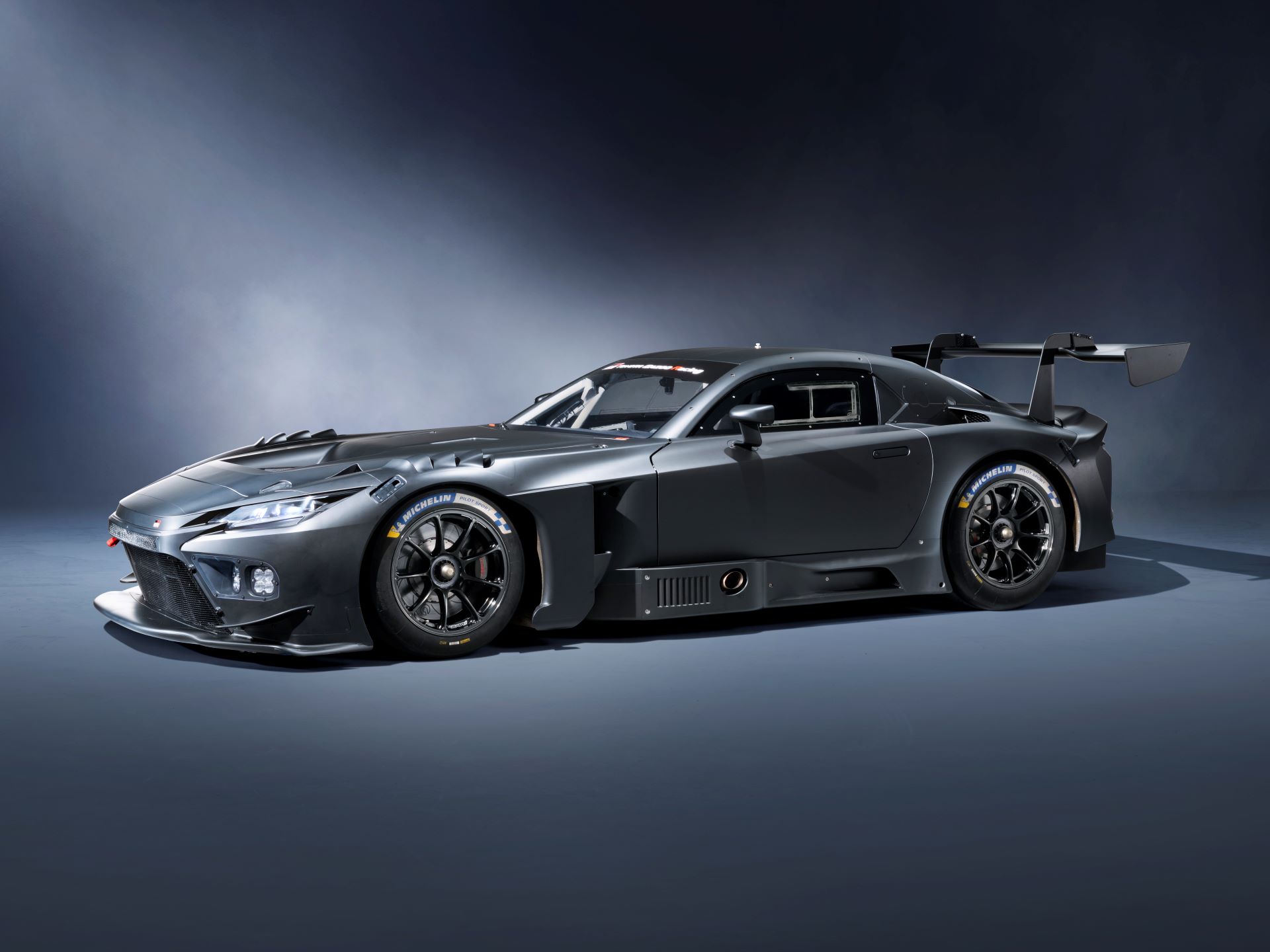
The GR GT3 translates these innovations fully into motorsport. Built to FIA GT3 specifications, it maximises track performance while remaining accessible to drivers of varying experience. Sharing the GR GT’s low centre of gravity, lightweight structure, hybrid V8, and aerodynamic-first body, the GR GT3 focuses entirely on handling extremes, heat management, and race longevity. Toyota plans a comprehensive customer racing support programme, ensuring teams can benefit from proven engineering and development data.
Both models were refined through a rigorous blend of high-end simulation, track testing at circuits including Fuji Speedway and the Nürburgring Nordschleife, and real-world road evaluation. A “drive to failure, refine, repeat” philosophy ensured every weakness was identified and addressed. Special attention was also given to the V8 hybrid’s character, producing a soundtrack that communicates performance and engine behaviour directly to the driver.
With a 2027 launch anticipated, the GR GT and GR GT3 are more than flagship performance cars—they are a passing of the torch, transmitting decades of Toyota’s motorsport knowledge to the next generation of engineers. They mark the future of Toyota performance, blending racing DNA with everyday usability and a driver-focused ethos.
Staff Writer
Reporting from the front lines of the collision repair industry, delivering expert analysis and the technical updates that drive the African automotive sector forward.
More From News

Must Read: Competition Case in Botswana Could Reshape the Regional Repair Market
A Botswana competition case could influence insurer-repairer relationships and reshape vehicle repair markets across Southern Africa.
What drivers should look for when collecting a vehicle after collision repairs
Experts from South African Motor Body Repairers' Association explain how motorists can inspect their vehicle after collision repairs, covering panel gaps, paint finish and functionality checks.
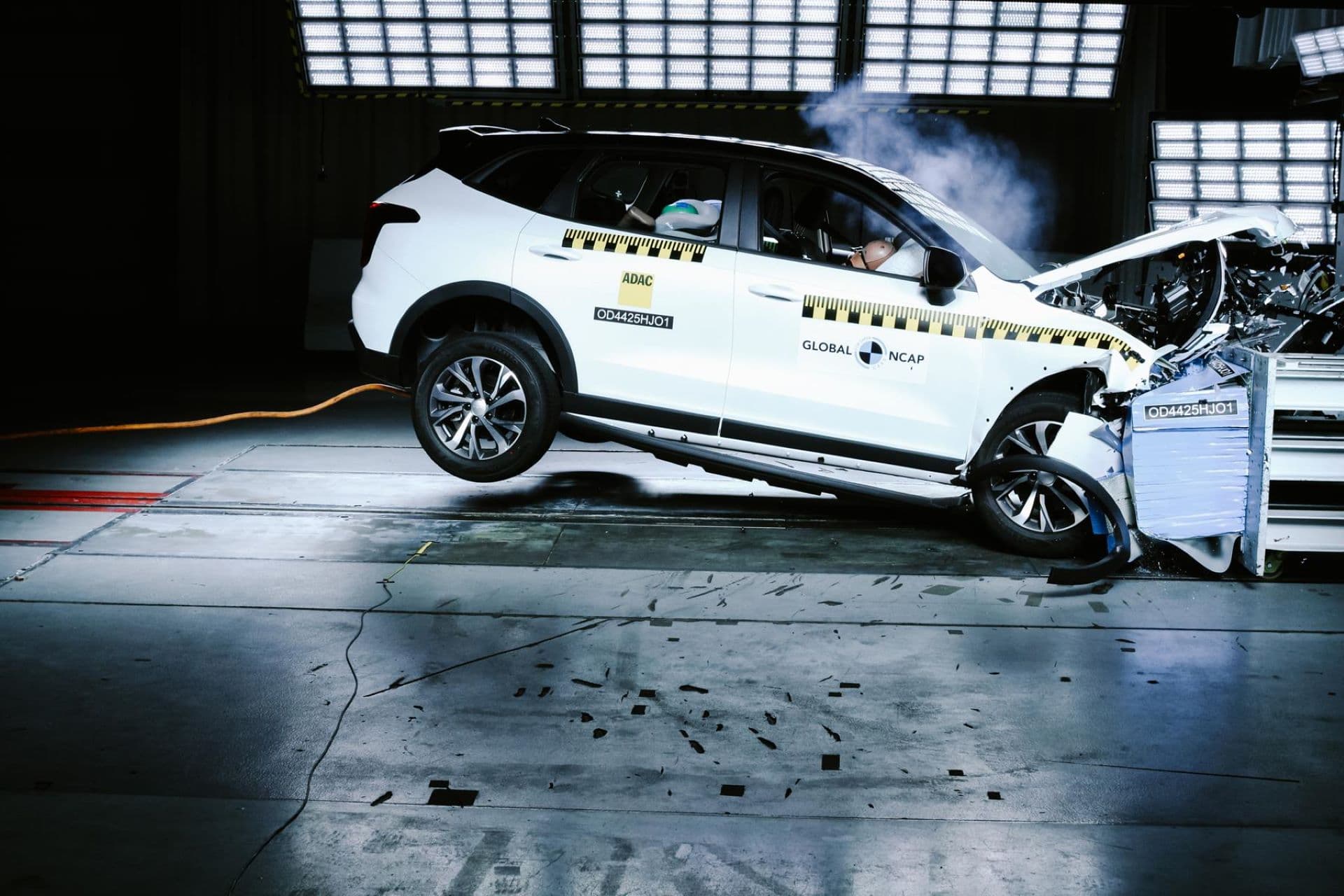
Entry-Level Cars Under Fire in Latest Crash Tests
South Africa’s entry-level cars face scrutiny after GNCAP crash tests reveal poor safety ratings for the Haval Jolion and Kia Sonet, prompting concern.
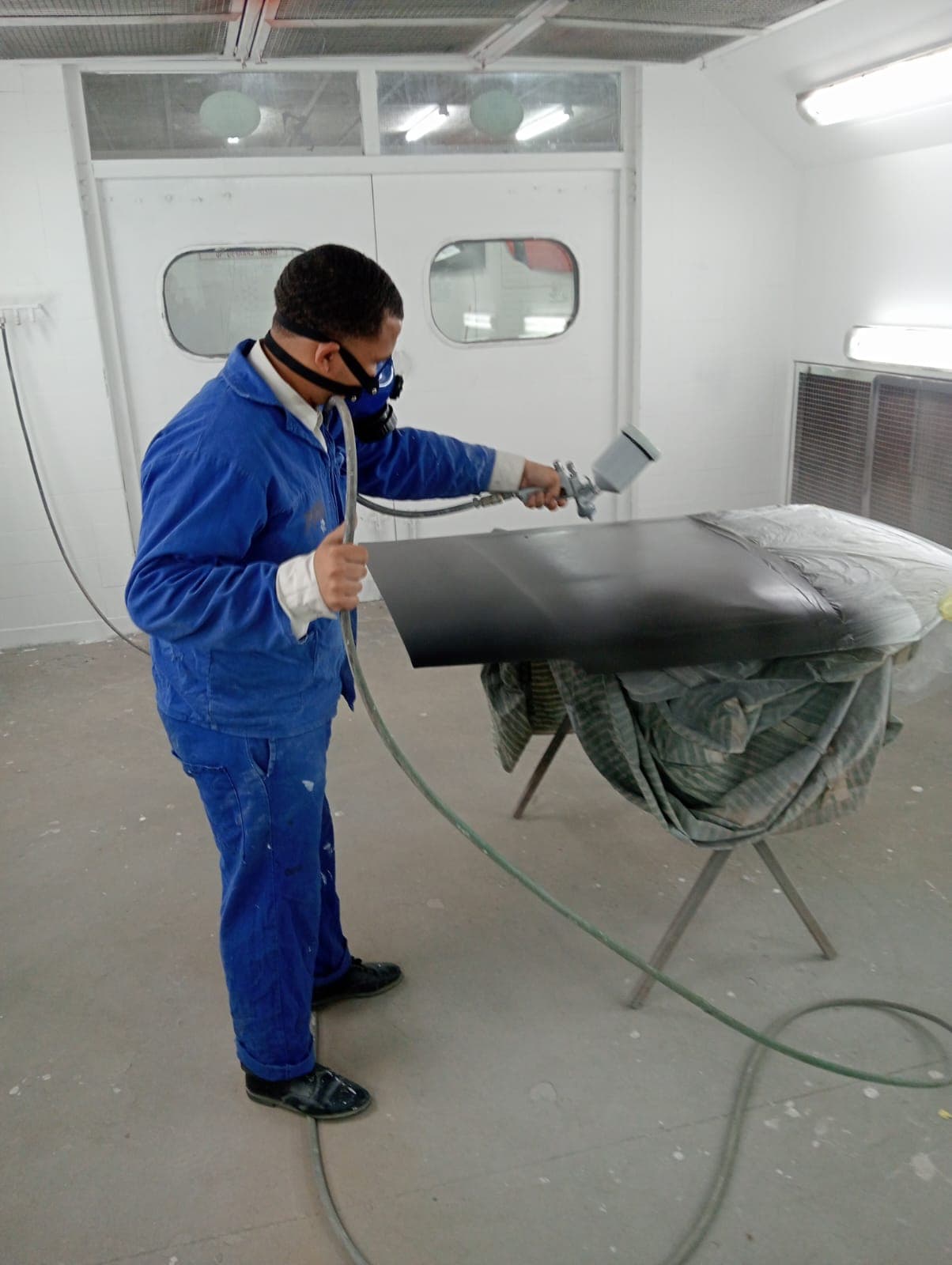
SAMBRA initiative puts young automotive talent in the spotlight
MIWA and SAMBRA host youth automotive competitions in Eastern Cape, offering training, hands-on experience and career pathways for young learners in 2026.

Hella returns to thermal management with long-term aftermarket push
Hella South Africa expands its thermal management range, targeting evolving vehicle technologies with 6,000+ SKUs planned by 2027.

Hino SA Honoured for Aftersales Excellence
Hino South Africa received two global awards for service and parts excellence, reinforcing its leadership in aftersales support.