
Electric vehicles might dominate today's headlines, but for automotive professionals, understanding their deep historical roots is crucial for navigating the industry's transformation. The technology challenging traditional workshops today actually predates the internal combustion engine's dominance by decades.
In the late nineteenth century, battery electric cars were commonplace in urban centres, prized for being quiet, clean and remarkably easy to maintain compared to temperamental petrol vehicles requiring hand cranking. London's 1897 electric taxi fleet, designed by Walter Bersey, even featured exchangeable batteries at central depots, an early glimpse of today's battery servicing concepts.
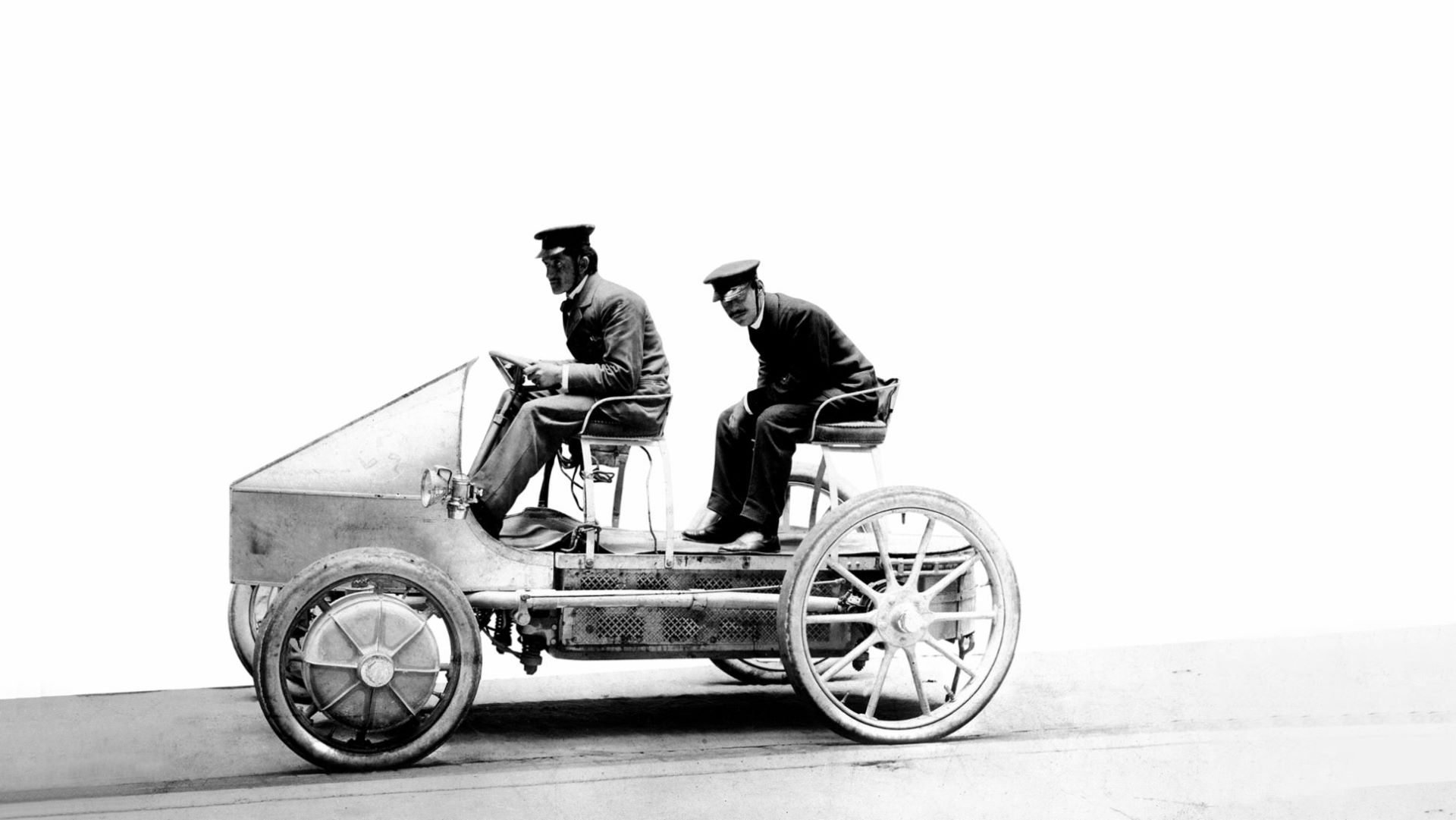
Ferdinand Porsche's fascination with electric drives as a teenager led to his first vehicle designs incorporating electric systems, establishing early precedents for the complex electrical architectures workshops handle today.
However, by the early twentieth century, several factors shifted the industry towards petrol engines. The 1912 electric starter on Cadillacs eliminated hand cranking advantages, whilst Ford's mass production techniques dramatically reduced petrol car costs.
Cheaper fuel, expanding road networks, and the limitations of heavy, short-range battery technology pushed electric vehicles to the margins. These practical considerations shaped automotive service infrastructure for nearly a century, focusing expertise on combustion engines, mechanical transmissions, and liquid fuel systems.
The modern electric revival began with California's 1990 Zero Emission Vehicle requirement, forcing manufacturers to develop battery electric models. Early compliance vehicles in the 1990s gave way to breakthrough lithium-ion technology. Tesla's 2008 sports car demonstrated performance potential, followed by Nissan's 2010 Leaf proving mass market viability.
Today's statistics reveal the transformation's scale. From roughly 650,000 global electric cars in 2014 to almost 58 million by 2024's end—representing about four per cent of the world's passenger fleet. This ninety-fold increase over ten years means electric vehicles now claim over 20 per cent of new car sales.
For automotive service professionals, this shift represents both challenge and opportunity. The 3.5 million additional electric cars sold in 2024 compared to 2023, more than the entire global sales in 2020, signals an accelerating need for specialised knowledge in high-voltage systems, battery management, and electric drivetrain servicing.
Understanding this historical context helps workshops prepare for an electric-dominated future whilst maintaining expertise in the transitional mixed fleet.
Staff Writer
Reporting from the front lines of the collision repair industry, delivering expert analysis and the technical updates that drive the African automotive sector forward.
More From Motoring
Technology Bundles Deliver Major Safety Gains, New Analysis Shows
A growing body of evidence suggests that modern driver assistance technologies are significantly reducing road crashes, and new research into...
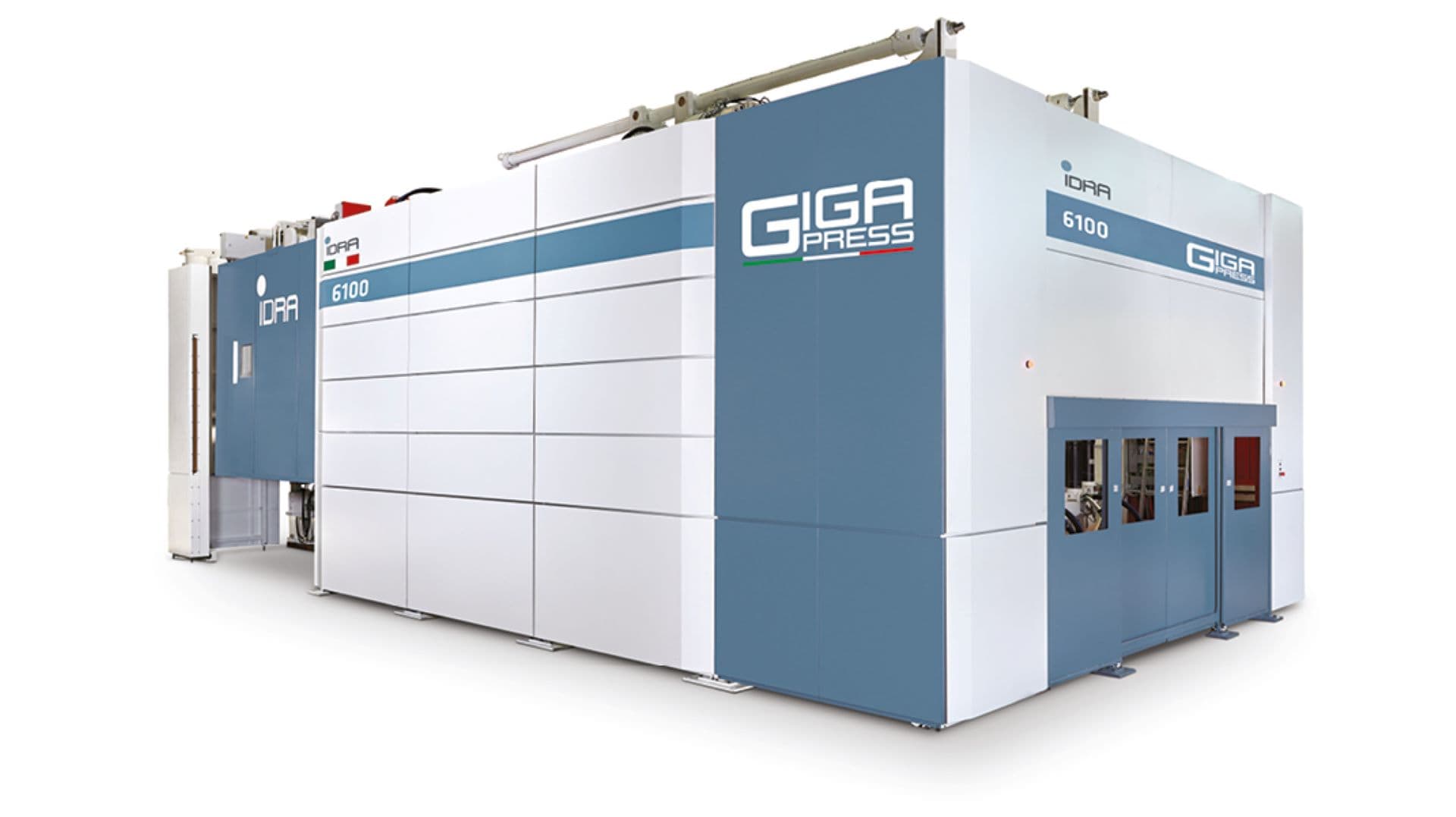
How Ford’s Shift to Megacasting Could Influence Vehicle Repair Costs
Ford Motor Company is planning to replace complex assemblies with giant, single-piece aluminium castings for its upcoming electric pickup. The...
The 9th Festival of Motoring is Here
The iconic Kyalami Grand Prix Circuit will once again come alive from 28–30 August 2026 as the Festival of Motoring (FoM), powered by WesBank...
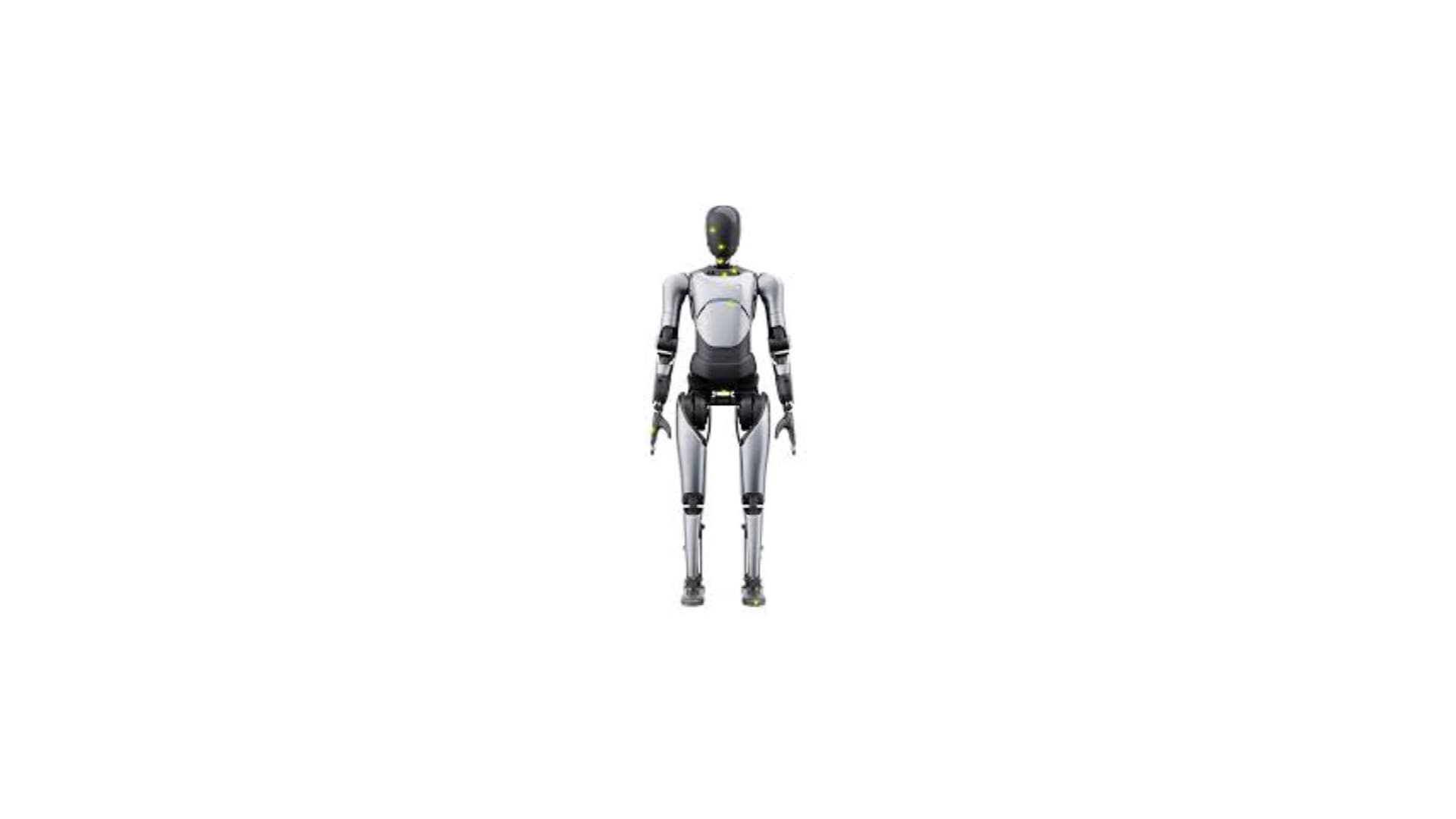
Agibot Sets Its Sights on Europe as Humanoid Robot Competition Heats Up
Chinese robotics firm Agibot is accelerating its global expansion with a major push into Europe, partnering with automotive supplier Minth Group...
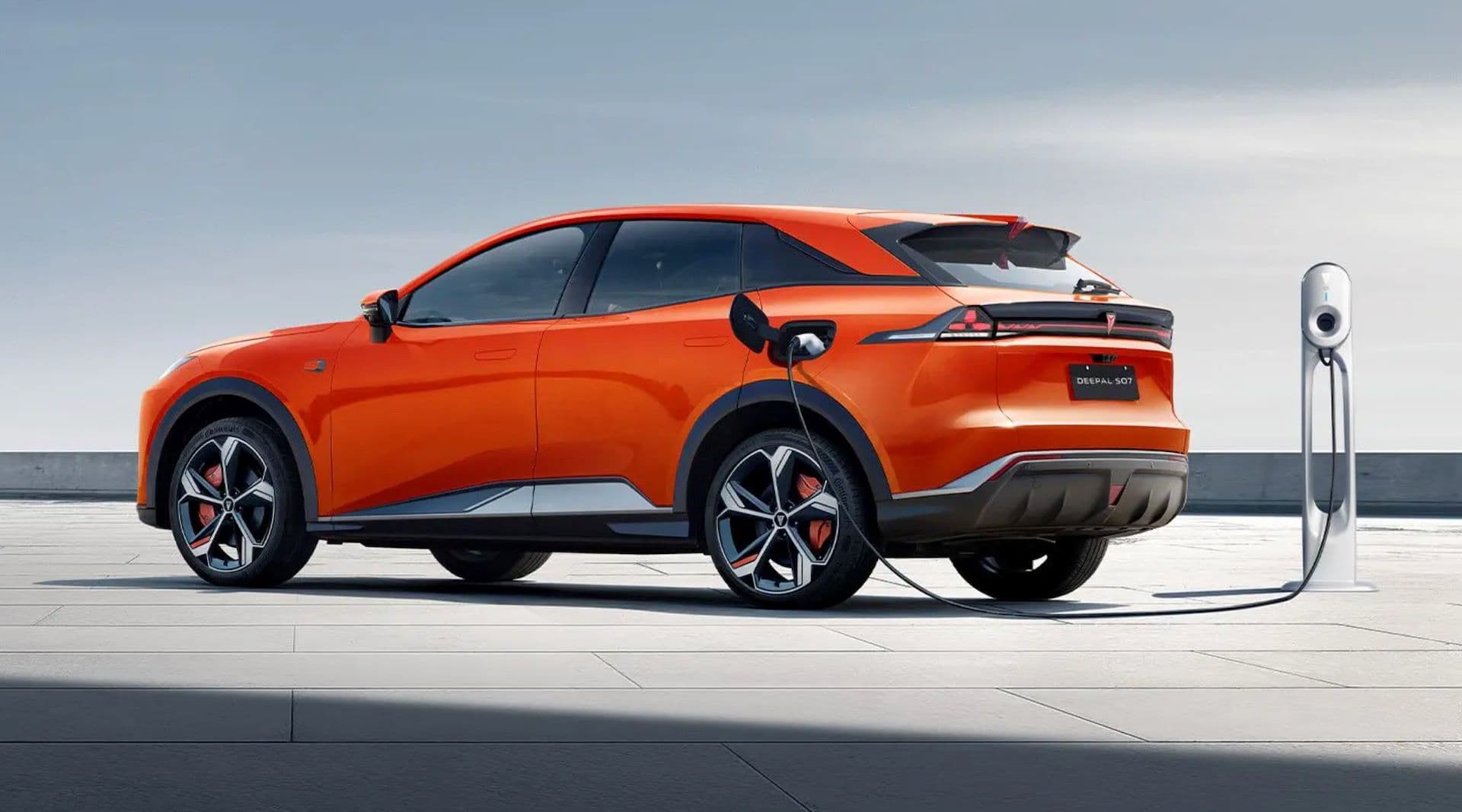
South Africa Embraces the New Era of Automotive Brands
South Africa’s automotive industry is undergoing a profound transformation. While traditional marques remain familiar and trusted, a growing...
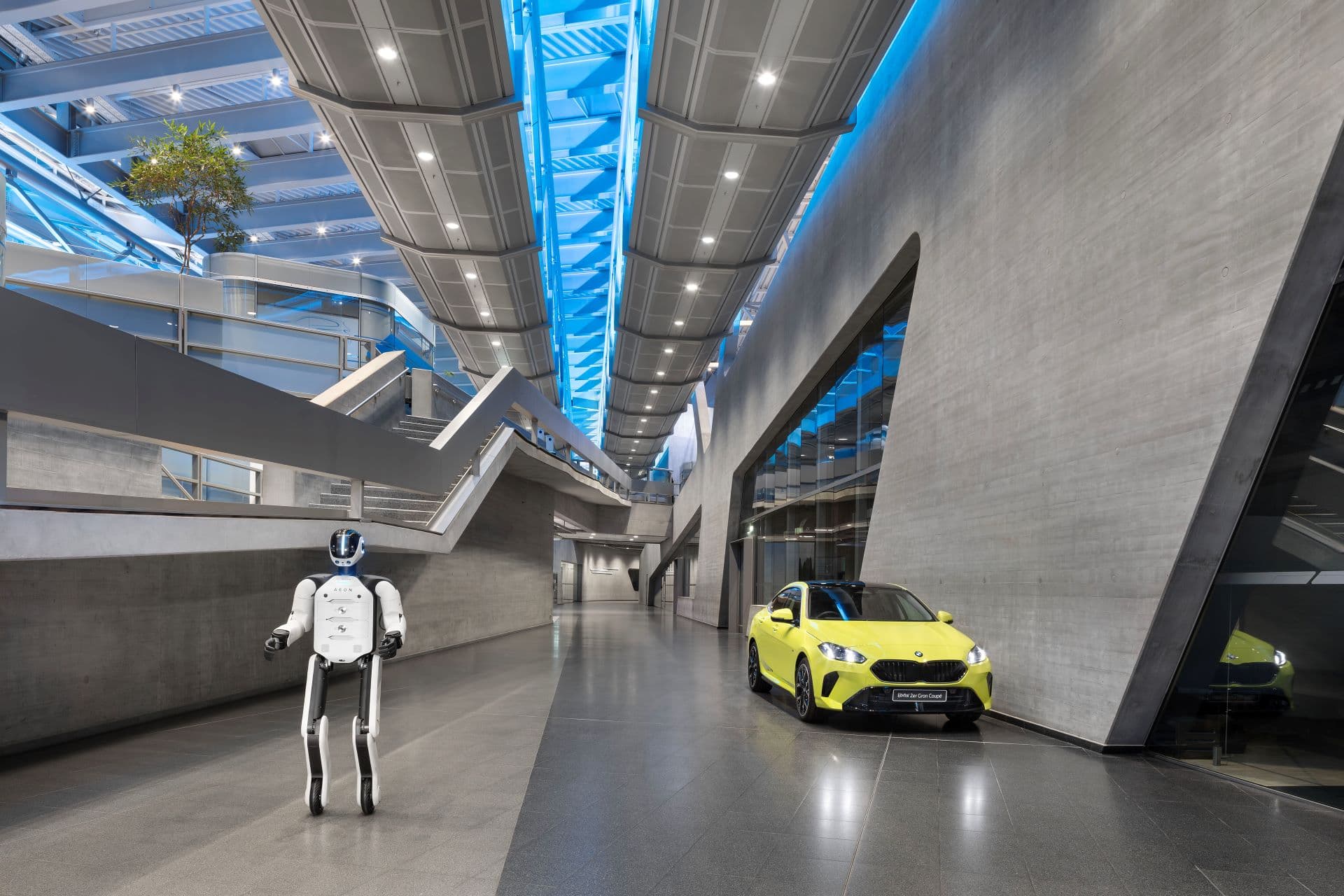
BMW Expands Physical AI Innovation with New Leipzig Robotics Pilot
The BMW Group is strengthening its position as a leader in intelligent manufacturing with the launch of a new pilot project using humanoid robots...