
Nearly nine out of ten Subaru owners keep their DriverFocus system switched on, according to new research from the Insurance Institute for Highway Safety (IIHS), suggesting motorists are more willing to accept monitoring technology than previously thought.
The system uses an interior camera to detect signs of driver distraction and drowsiness, alerting users when their attention appears to wander from the road ahead.
High Acceptance Despite Privacy Concerns
The study surveyed nearly 3,500 owners of Subaru models equipped with DriverFocus, revealing that 87% keep the system activated most or all of the time. Perhaps more significantly, 70% said they would want the technology in their next vehicle.
"Such a high level of acceptance for a system designed to keep drivers' attention on the road is a bit surprising and very encouraging," said IIHS President David Harkey. "Distraction and drowsiness are factors in thousands of crash deaths every year."
Among users who drive with the system enabled, 64% agreed it makes them safer drivers, whilst 63% said it helps them avoid distractions.
How the Technology Works
Unlike many attention-monitoring systems that analyse steering patterns and lane deviations, Subaru's DriverFocus uses a driver-facing camera to detect whether the motorist's eyes are open and directed forward. The system operates independently of any automated driving features, making it relevant for everyday driving situations.
This independence is crucial, as together distraction and drowsiness contributed to nearly 4,000 road fatalities in the United States in 2023—a figure researchers believe is likely an underestimate.

Common Complaints and Misconceptions
The small percentage of drivers who disabled the system cited annoying and overly frequent alerts as their primary concerns. Most users reported occasional false alarms when they weren't actually drowsy or distracted.
However, some complaints suggest drivers misunderstand which behaviours should trigger alerts. Many reported "false" warnings when changing lanes—likely because they looked sideways without signalling, as the system is programmed not to alert when indicators are active. Others received warnings when glancing away to adjust navigation systems, radio controls, or climate settings.
"We do a lot of things behind the wheel almost unconsciously, without thinking that they're unsafe," said IIHS Research Scientist Aimee Cox, the study's lead author. "But those seemingly benign actions can pull our attention away from the road and increase the risk of crashing."
Making Alerts Less Annoying
The research suggests improvements could make such systems even more acceptable. IIHS studies of lane departure warning systems indicate that haptic alerts—such as steering wheel vibrations—are less annoying to drivers than audible warnings.
For attention-monitoring systems, researchers propose escalating alerts that begin with subtle haptic signals and progress to audible warnings only after repeated signs of distraction or clear evidence of danger.
Drowsiness vs Distraction
Unsurprisingly, distraction alerts proved far more common than drowsiness warnings. Nearly all users received at least one distraction alert in the 30 days before the survey, whilst about a third received drowsiness warnings prompting them to "take a break."
Many drivers disputed drowsiness alerts, claiming they weren't tired. However, 12% admitted receiving warnings when they were genuinely about to fall asleep—a concerning figure that validates the technology's importance.
Previous research shows visible drowsiness is relatively rare, but the crash risk when visibly drowsy exceeds that of many distracting secondary tasks.
The study's findings suggest manufacturers may find it easier than expected to convince drivers of attention-monitoring benefits, potentially paving the way for wider adoption of this life-saving technology.
Staff Writer
Reporting from the front lines of the collision repair industry, delivering expert analysis and the technical updates that drive the African automotive sector forward.
More From Motoring

EKA Mobility Targets Africa with a Full-Spectrum EV Strategy
Indian electric vehicle manufacturer EKA Mobility is expanding into Africa with a broad portfolio of electric transport solutions, focusing on localisation, partnerships and long-term sustainability across diverse markets.
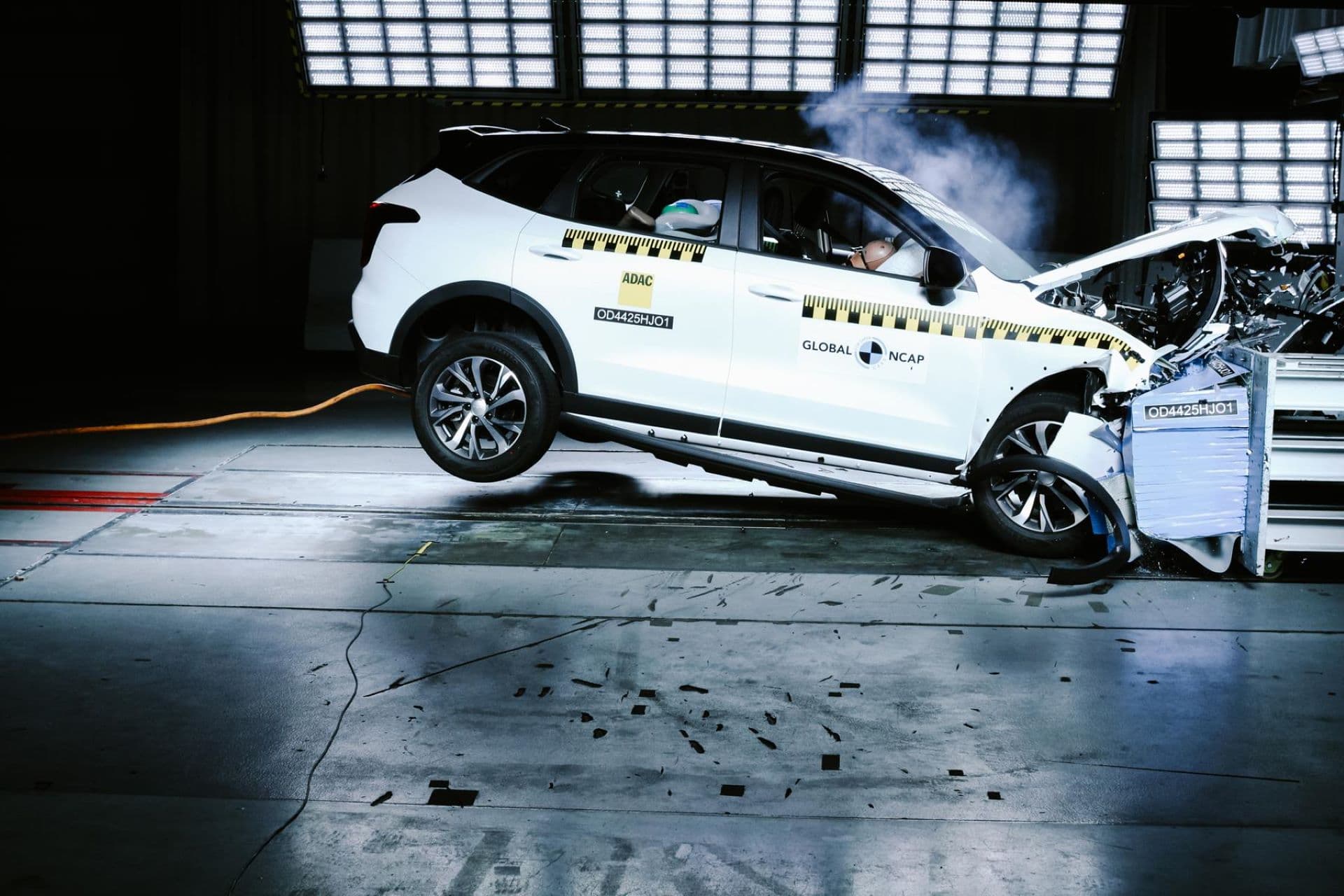
Entry-Level Cars Under Fire in Latest Crash Tests
South Africa’s entry-level cars face scrutiny after GNCAP crash tests reveal poor safety ratings for the Haval Jolion and Kia Sonet, prompting concern.

Hyundai Funds Driver’s Licences for YES Programme Youth
Hyundai South Africa funds driver’s licences for 50 YES programme participants, helping remove mobility barriers and improve employability.

Neglected Brakes Could Jeopardise Safety and Insurance Payouts
South African motorists are warned that poor brake maintenance can increase crash risk and lead to legal or insurance claim complications.

Crash Damage You Cannot Always See
Minor collision damage can hide serious structural issues affecting safety, handling and driver assistance systems. Learn why proper repair matters.
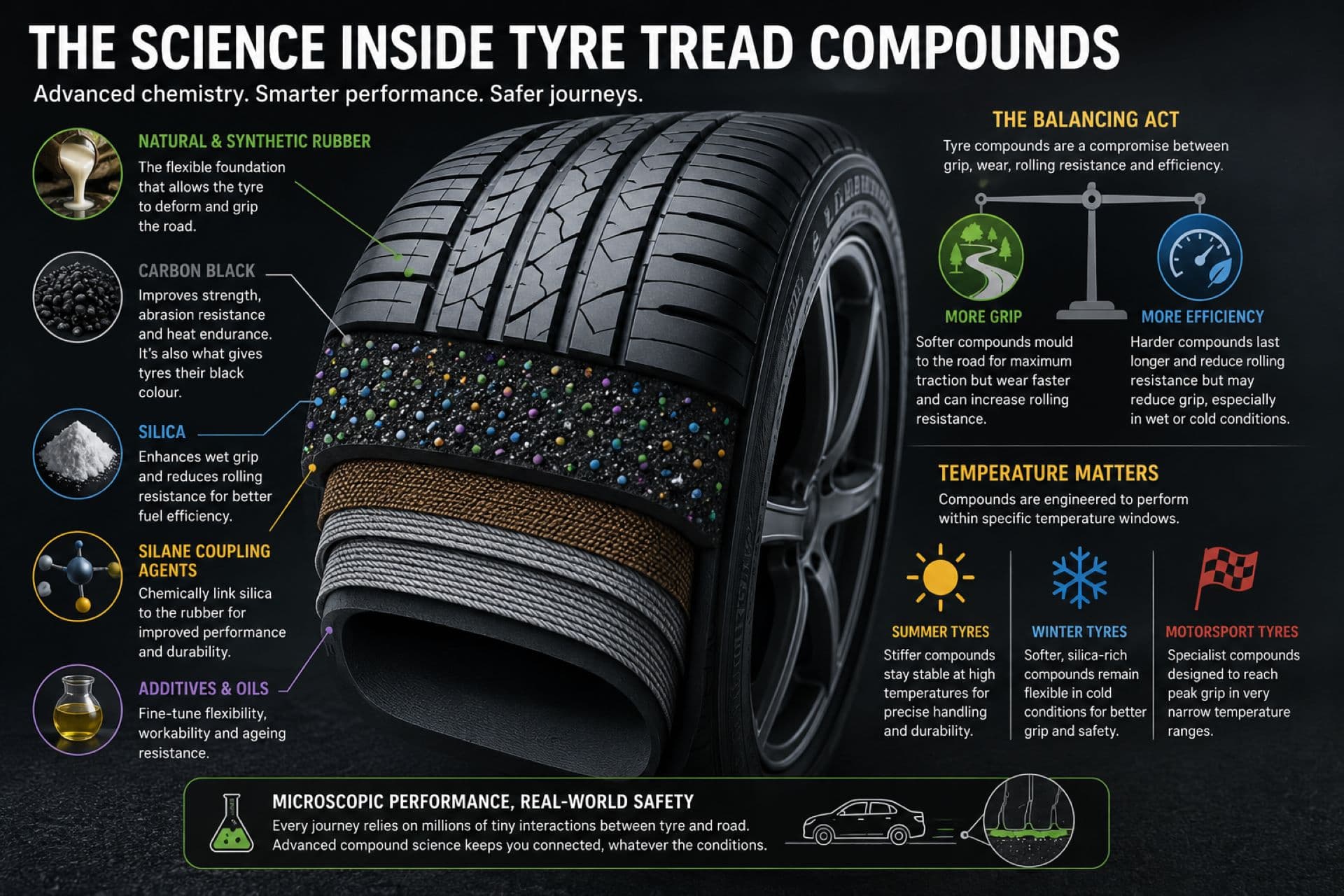
The Science Inside Modern Tyre Tread Compounds
Discover how modern tyre tread compounds balance grip, durability, efficiency and safety through advanced rubber chemistry.