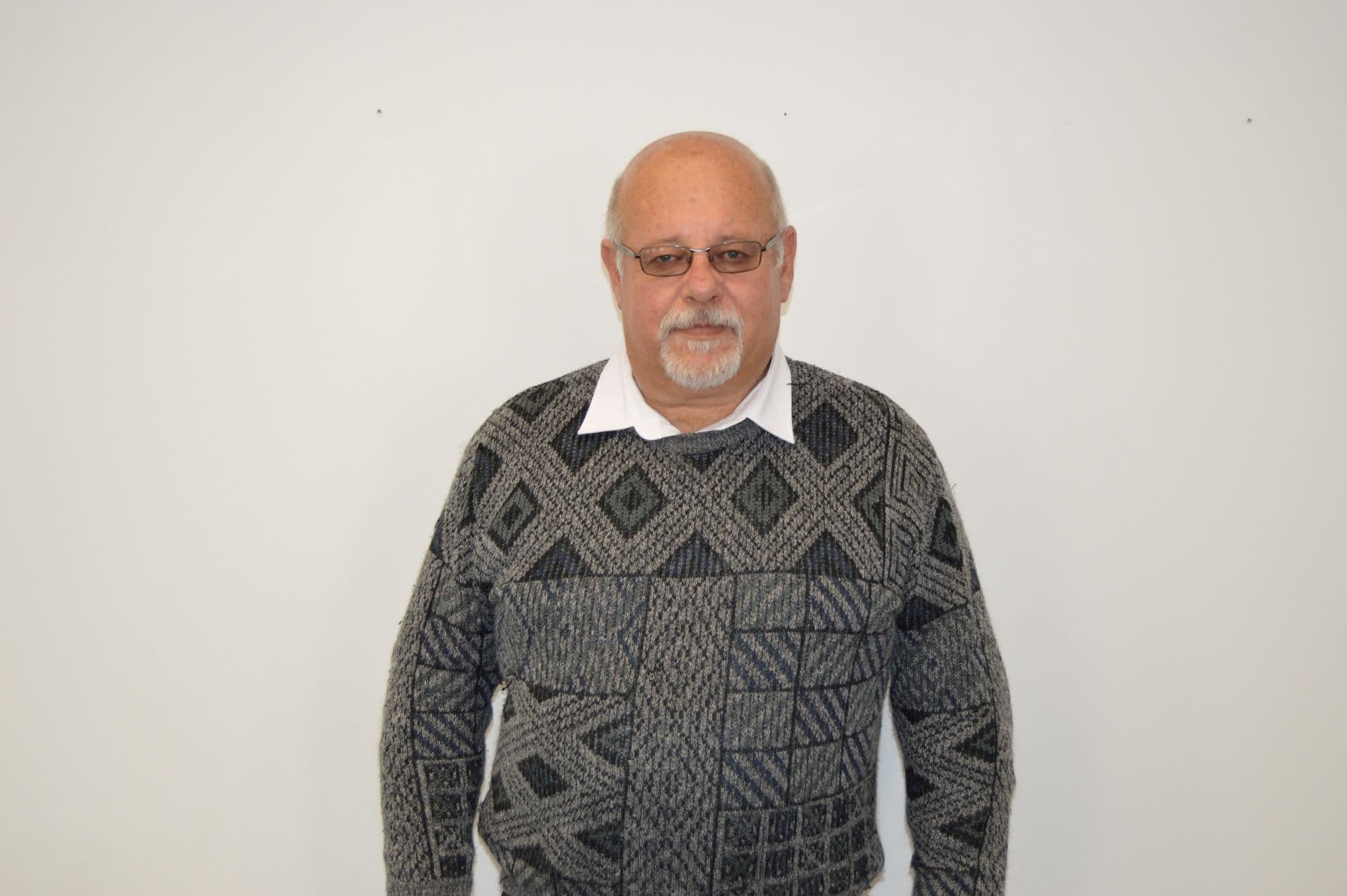
Bodyshop News Africa recently attempted to gauge the state of the collisionrepair industry in South Africa as we approach the end of 2024.We did this over the course of three separate interviews with different stakeholdersin the industry.In the first interview we spoke to Steve Kessel of CRA.
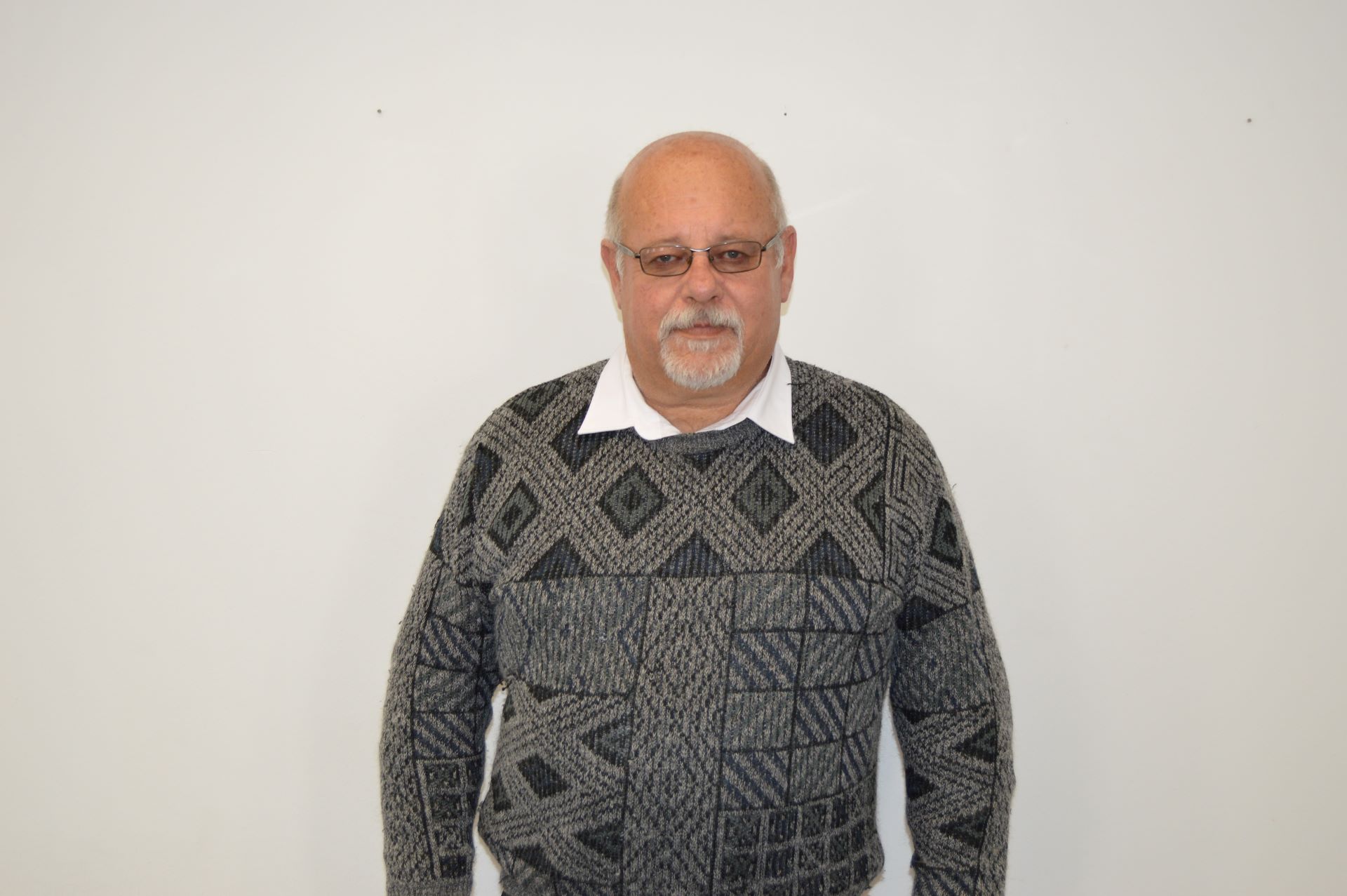
An extremely challenging year with respect to the manner in which work providers, mainly short-term insurers are adapting protocol internally without consultation about the effects and outcomes of the industry without collaboration on sustainable practices.
We as the motor body panel and paint industry cannot influence decisions on priority such as, for example, third party compulsory insurance to support ever-increasing claim cost at the demise of commercial rewards that are forcing MBR closures at alarming rates.
We took on a major insurer about enforcing a claims quantification platform that applies over normal administrative burden through the premise of cost saving where the scope of required repair is ignored for transparency of damage quantification. Factors such as safety through standards and the mandated consumer right to protection on restored vehicle damage to OEM specification and road worthiness must prevail. Continued talk of transformation is fulfilled mandates and standards must be the focus.
Insurers are also appearing to be qualified in parts supply, which is outlawed for a number of reasons, killing off settlement discounts which is probably the most stable revenue earning potential, and we have had success in some quarters to prevent this impasse.
Education of our esteemed member base on pitfalls and agreement to treat suppliers fairly on sustainable practices and transparent required repair quantum. Further build joint collaboration recently established between CRA and SAMBRA on industry matters. Requirement to OEMs to open doors for better collaboration. We need to take back control of our acumen of fixing accident damage and not be told what can and cannot be done.
As already mentioned, the collapse within SAMBRA of its Executive and the creation of new posts have allowed approach'? to working together as a success for the greater industry and momentum in an ever-growing relationship for the majority of industry operators. It is very early to define HALO on its entry to the market to understand what the company has as an agenda but early rumour is its focus may not bear the expected fruit.
Difficult to provide full context but a great question, none the less. Firstly, we need inclusion of all three major players OEMs, Insurers and the MBRs all collaborating under the same umbrella. Definitely not happening, and SAIA as a reluctant industry Association for Insurers is not proactive and offers zero support at present. OEMs hide under cover of their appointed auditors who also have no qualification to make sustainable existence a reality but are self-enriched on substantial audit fees thatequate to no more than a tick box exercise and pathetic non conformities that have no bearing on vehicle repair.
Very little traction is being delivered by most OEMs and although items like ADAS have been around for some time now, MBRs subject to repair on these features are having to contact dealers for “How To” repair guides. It should also be viewed as general consensus that no effort has been rolled out for infrastructure on charging stations other than mostly in home environments of consumers choosing to purchase these vehicles. We believe, we are way off the mark for these type of vehicles to become the choice of new vehicle technology. Safety, storage and limit of defined working space to allow for these vehicles to undergo safe repair have also not been defined within regulation. Safety also extends to first responders such as medics and tow truck drivers to effectively ensure shutdown and training must be introduced without delay.
Scarce skills have been a problem for a number of years, and it has always been challenging to attract young learners to this industry. Average age of qualified artisans, both Panelbeaters and Spraypainters, is approaching 58 years of age and already a shortage, especially of Spraypainters, is like looking for hen’s teeth, almost impossible.
At CRA we have created a joint synergy with C3 Training Academy and through effort is now sponsored by MerSETA grants and Hollard Insurance. The Academy does all the necessary testing for industry competence and changes to occupation status of the legacy trade testing has allowed for training to be completed through knowledge, practical training and workshop experience via partner accredited MBRs through short courses (partial qualification) culminating in RPL occupational accreditation at the end of a three-year cycle. Very new but showing great uptake and roll-out but low in number at this stage.
It is high time that a study is undertaken of MBR sustainability and the ability of the workshop owners, mainly small SMME businesses, to be able to generate profits to support new equipment investment and skills across the entire process of vehicle accident repair.
The challenge is collaboration and transparency from OEMs. We understand that logistics failure in our harbours account for most part shortages. True to this problem is that South Africa tends to be a dumping ground for poor quality alternative parts, and OEMs thus suffer financially. As an industry, we need emphasis on “save a car” part pricing to prevent the ever-increasing “uneconomical to repair” write offs seen daily.
Zero roll-out of green initiatives for recycle/ reuse have been attempted, and a great portion of part shortages is overcome by the volume of parts from stolen and/or hijacked vehicles.
All MBRs contracted to onboarding by insurers are required to sign an SLA that covers commercials and trade terms and conditions. All procurement directed by these insurers are mandated to have an assessor validated authority before repair work begins. Standard practice and inclusion of process required repair steps are negotiated for members via their Association and may differ on ability at the negotiating table. Further hereto, reward for complete repair is defined by the authorised repair order. As a defined standard being taken up, we recommend all estimators and assessors register and become qualified as Vehicle Damage Quantifiers and be registered by the professional body VDQGBSA. This process has been ongoing in terms of development and recognition in excess of ten years, slow progress but is regulated by SAQA and QCTO, part of the Department of Higher Education. The eventual aim is that all parties are qualified to agree on full and transparent quantum scope on repair and replace processes.
As enforced through OHS regulation but nothing more. A good example is water borne paint usage but allowances granted on painting do not cover the cost of materials adequately, thus MBRs are having to use solvent base paint to cover allowances given. Not to be a repetitive parrot but collaboration and reward will provide best practice.
As with many industries and trade in this country, corruption is rife and payment of back hands / commission governs procurement direction to a large extent. Not much is going to change in this environment. However, consumer rights to choice of repairer have certainly gone a long way in assurance of better distribution. This equates to media reporting in some cases of bad experience.
An area where a huge amount of work is required. Refer to comment on paragraph 6 above.
We maintain a great social media presence on most platforms and our website, which explains procedure and our Association mandate on code of conduct displayed in the reception of all our members, explains our stance to the consumer.
Deciding on change further than three months is difficult, and the best outcome we can achieve is to maintain our collaboration with at least SAMBRA to tackle issues as they arise. We could probably debate this topic in more detail but it covers a large array of concerns which is possibly never ending. Our opinion is to remain abreast of changes or implied enforcement as they surface again owing to the importance of the acronym we have endorsed of having a perfect FIT. Fairness, Inclusion and Transparency.
Given time for development and testing we need to take recognition of possibly the fifth industrial revolution. At present stored data is the issue for conclusive AI and requires a huge amount of development and proof of concept. What is currently available leaves doubt with respect to accuracy?
Refer to comment above on this lack of collaboration.
Difficult to provide a transparent answer. We are aware of insurers installing devices to report on driving patterns etc. Some vehicle derivatives, more so luxury brands, have control units that store this data but POPIA remains very much an undefined regulation on concerns and access in the South African context.
Again very broad in nature, not necessarily covered through statute and mainly required individually by representative Association mandate of good standing through our grading programme.
Staff Writer
Reporting from the front lines of the collision repair industry, delivering expert analysis and the technical updates that drive the African automotive sector forward.
More From Uncategorized
The BASF Glasurit 100 Line: Setting New Standards in Automotive Refinishing
The automotive refinishing industry is constantly evolving, with environmental concerns, performance demands and technological advances driving...
Leading US research findings on auto claims and repair process released
CCC Intelligent Solutions Inc. (CCC), a leading cloud platform powering the P&C insurance economy in the US, on 8 October released the findings...

Millionth Ranger produced at Silverton manufacturing plant
A million of anything is a huge number. Now imagine one million Ford Rangers being lined up bumper-to-bumper, starting at Ford South Africa’s...
SAMBRA comments on New VIN-Lookup website
Amidst growing pressure, the South African Insurance Association (SAIA) launched a new VIN-Lookup website with Code 3 (rebuilt), Code 3A (spare...
Township Automotive Hubs a success but challenges continue
On the first day of Automechanika Johannesburg early in September, Andile Africa, CEO of Automotive Industry Development Centre (AIDC), reported...

Government and industry stakeholders give thumbs up to launch of Blow the Whistle Compliance Forum
Almost 200 industry stakeholders, with senior representatives from the Department of Trade Industry and Competition (dtic) and the National...