
South Africa’s automotive repair sector is undergoing a profound transformation, fuelled not only by the rapid rise of electric and hybrid vehicles but also by significant advances in artificial intelligence (AI).
Today’s vehicles increasingly rely on AI-enhanced diagnostics, self-monitoring technologies, and intricate software systems, compelling technicians to broaden their expertise far beyond traditional mechanical repair.
Juan Hanekom, national director of the South African Motor Body Repairers’ Association (SAMBRA), a constituent of the Retail Motor Industry Organisation (RMI), explains that the role of technicians is evolving rapidly. “Technicians and motor body repairers are no longer working solely with engines and hydraulics; they’re now required to navigate AI-driven diagnostics, battery management systems, and sophisticated electronic components,” he says. “The pace at which technology is advancing means our industry must prioritise continuous skills development to remain both competitive and safe.”
This shift reflects global trends identified by Audatex South Africa, which notes that AI-powered systems are reshaping how vehicles are assessed and repaired. Yet many South African workshops—especially smaller, independent businesses—struggle to access affordable and practical training, leaving a widening gap between conventional repair skills and emerging technological demands.
In response, SAMBRA and the RMI are actively contributing to the creation of South Africa’s first nationally recognised Electromobility Occupational Qualification. Led by merSETA and endorsed by the Quality Council for Trades and Occupations (QCTO), the programme is designed to equip technicians with the critical skills needed to safely service and maintain electric and hybrid vehicles.

“Skills development has become the central bottleneck for the industry’s next phase, driven largely by the increasing presence of electric and hybrid vehicles on our roads,” Hanekom adds. “SAMBRA’s involvement ensures our members can access structured, standardised training that aligns traditional trade knowledge with the demands of EV readiness. At its core, EV readiness is not just a technological shift—it’s a people-focused one.”
The qualification seeks to harmonise training across the sector, enabling workshops, OEMs, TVET colleges, and accredited training providers to deliver consistent, high-quality instruction. It also supports blended learning models that combine digital coursework with practical, hands-on training—allowing technicians to enhance their skills without disrupting day-to-day operations in the workshop.
By embracing AI tools and investing in formalised EV training, SAMBRA and its partners are positioning South Africa’s automotive repair industry to excel in a future defined by technological innovation, safety, and environmental responsibility. As vehicles continue to evolve, so too must the technicians who maintain them—a challenge the industry is preparing to meet with determination and foresight.
Staff Writer
Reporting from the front lines of the collision repair industry, delivering expert analysis and the technical updates that drive the African automotive sector forward.
More From News

Must Read: Competition Case in Botswana Could Reshape the Regional Repair Market
A Botswana competition case could influence insurer-repairer relationships and reshape vehicle repair markets across Southern Africa.
What drivers should look for when collecting a vehicle after collision repairs
Experts from South African Motor Body Repairers' Association explain how motorists can inspect their vehicle after collision repairs, covering panel gaps, paint finish and functionality checks.
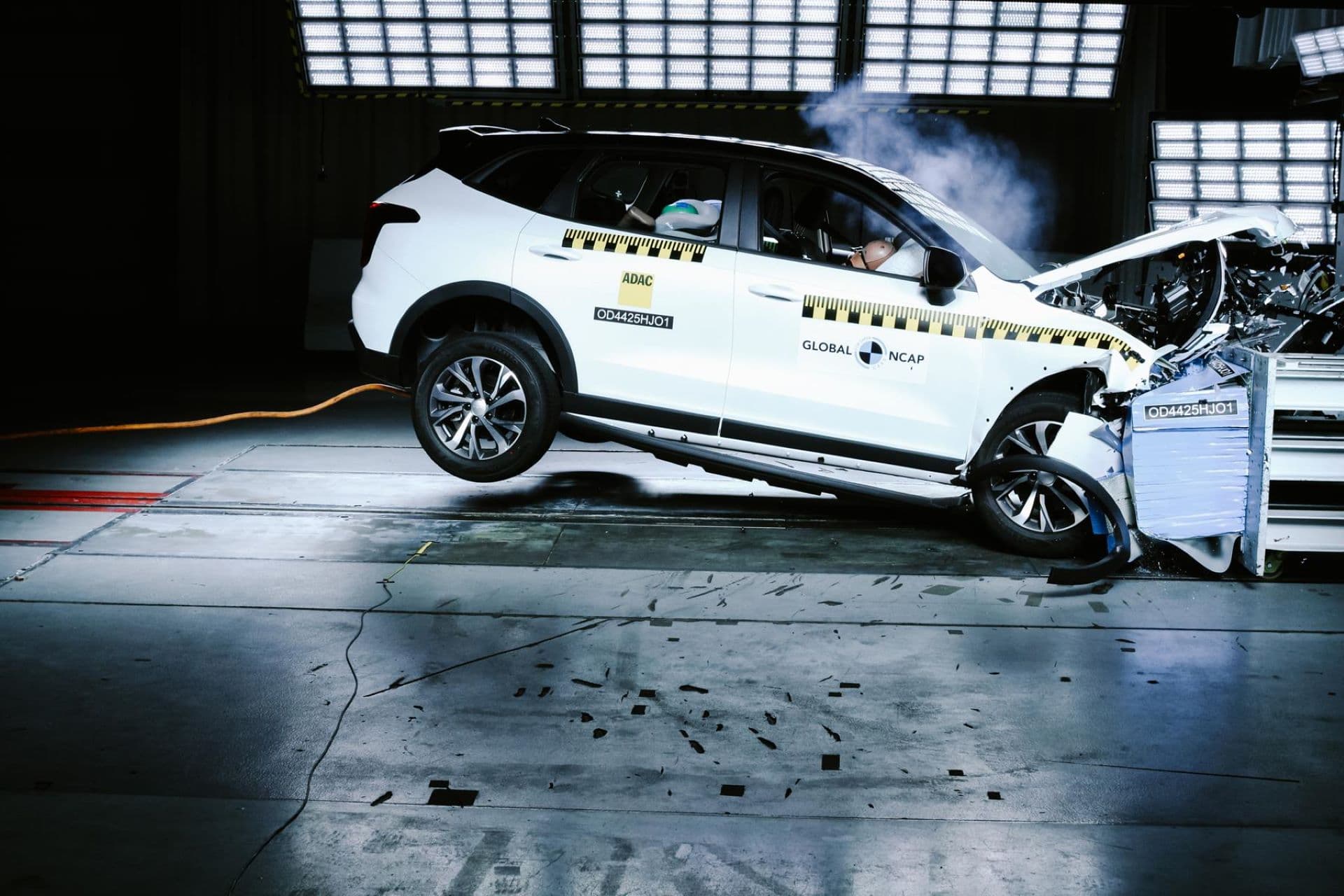
Entry-Level Cars Under Fire in Latest Crash Tests
South Africa’s entry-level cars face scrutiny after GNCAP crash tests reveal poor safety ratings for the Haval Jolion and Kia Sonet, prompting concern.
SAMBRA initiative puts young automotive talent in the spotlight
MIWA and SAMBRA host youth automotive competitions in Eastern Cape, offering training, hands-on experience and career pathways for young learners in 2026.
Hella returns to thermal management with long-term aftermarket push
Hella South Africa expands its thermal management range, targeting evolving vehicle technologies with 6,000+ SKUs planned by 2027.
Hino SA Honoured for Aftersales Excellence
Hino South Africa received two global awards for service and parts excellence, reinforcing its leadership in aftersales support.