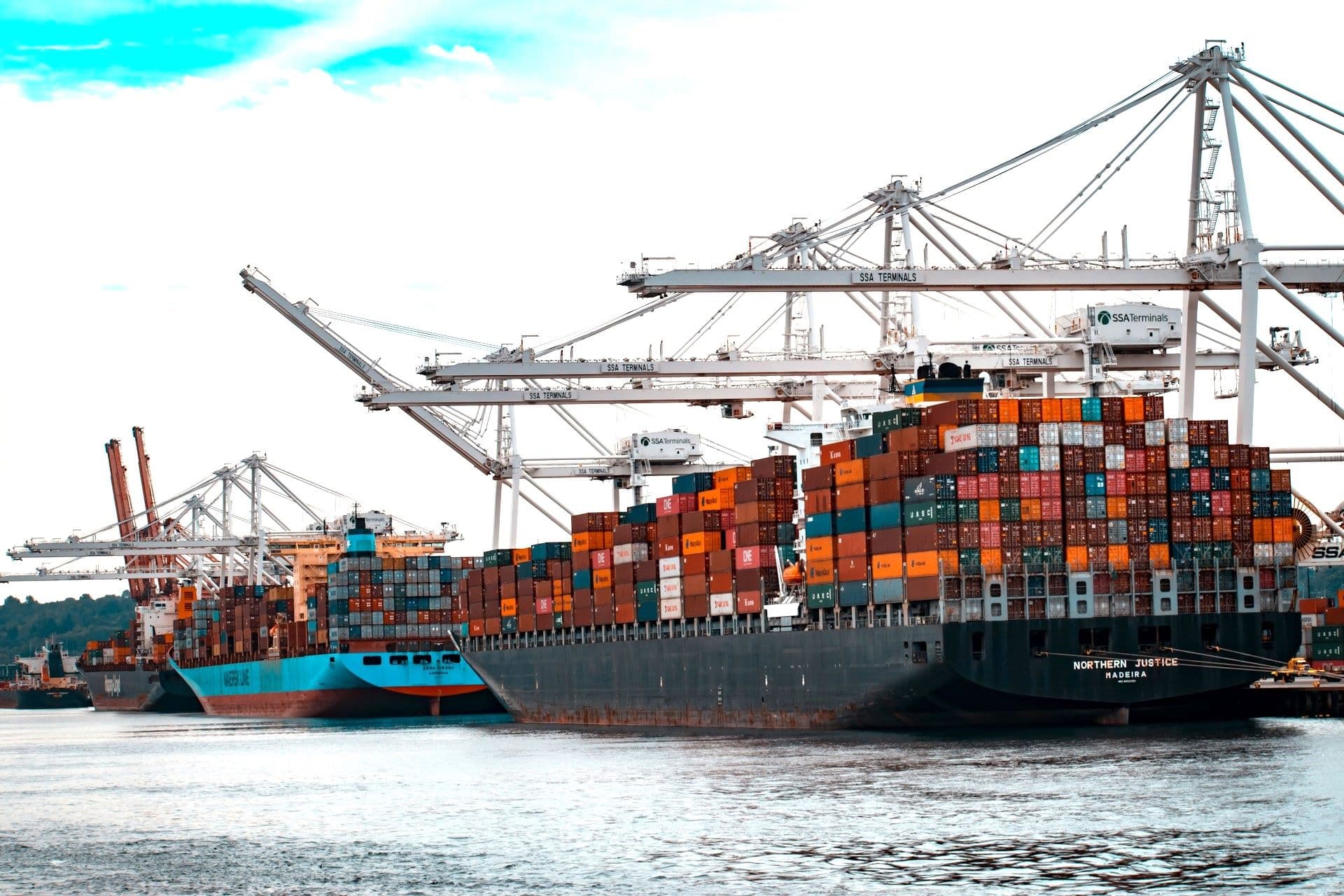
The start of 2026 has brought mixed fortunes for South African (SA) trade. A Supreme Court ruling in the United States (US) struck down parts of the Trump‑era tariff regime, briefly easing costs.
But Washington swiftly imposed a new global duty, reinstating barriers. Meanwhile, the African Growth and Opportunity Act’s (AGOA) renewal keeps SA inside the preferential framework, though its shield is partial and politically fragile.
Court ruling: a fleeting victory
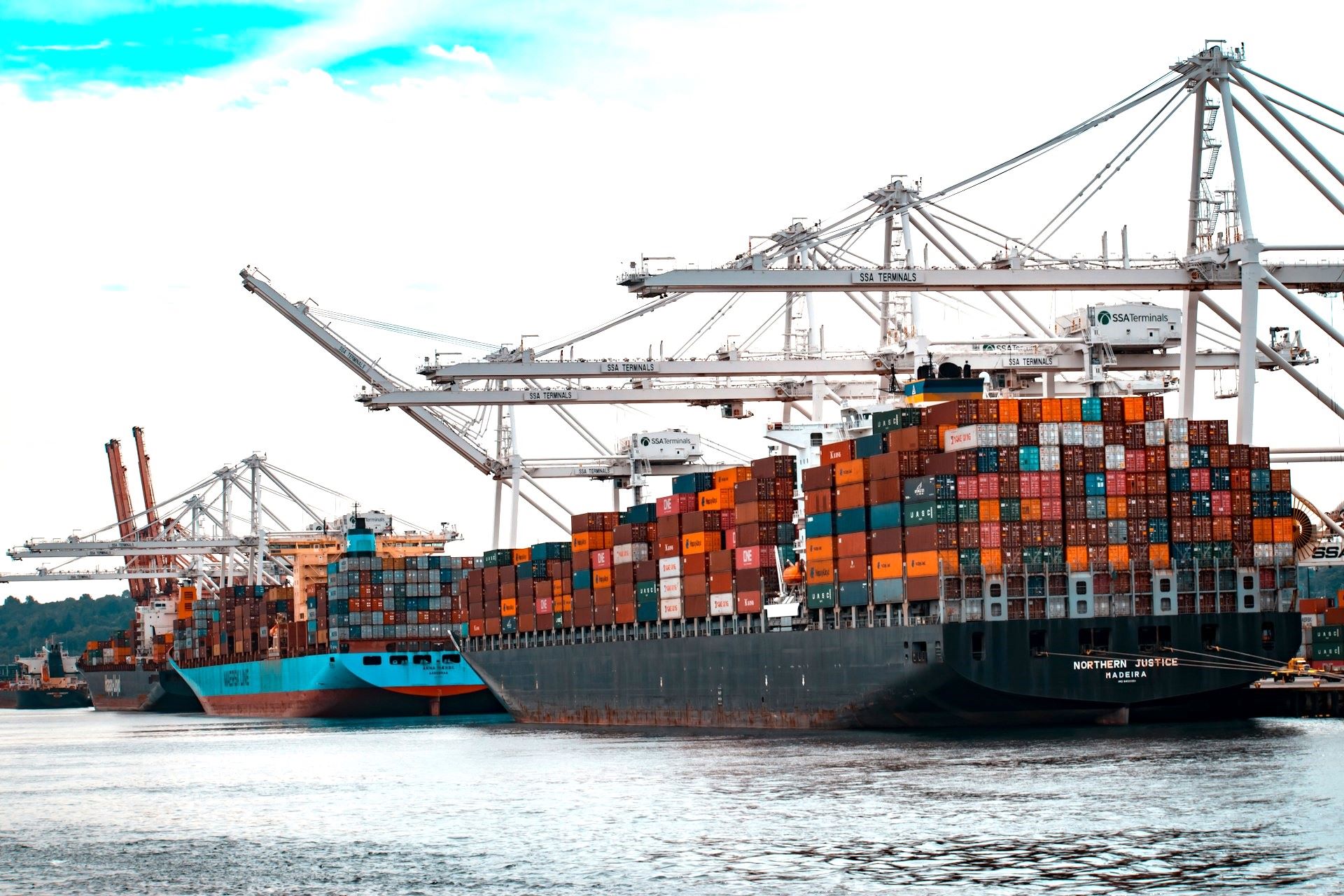
For a brief period, shipments entered the US without heavy duties. Customs stopped collecting tariffs, easing costs for exporters. Yet the relief ended quickly as a new 15 percent global tariff was introduced under alternative legal authority. The practical outcome is that goods continue to face higher costs, despite the court’s intervention.
AGOA: continuity with limits
Pretoria welcomed AGOA’s renewal, which allows thousands of products duty‑free access. South Africa has long been one of its largest beneficiaries, exporting vehicles, fruit, wine and metals. But AGOA does not override tariffs imposed under other trade laws. Congress retains the power to amend the programme, leaving exporters exposed to political shifts.
Automotive sector under strain
Exports of vehicles to the US fell dramatically in 2025. In the first quarter alone, shipments dropped by 73 percent year‑on‑year, later plunging by more than 80 percent. Mercedes Benz and BMW adjusted production as demand collapsed. Even with global exports reaching historic volumes, North American shipments shrank from 25,554 to just 6,530 units.
Components and suppliers hit hard
Catalytic converters, once a leading export by value, faced steep declines. Engine parts, tyres and automation systems lost ground as American buyers sought cheaper alternatives. Supplier firms reported lost business and contract risks, underscoring the ripple effects beyond vehicle assembly.
Agriculture and manufacturing ripple effects
Wine, fruit and processed foods also faced tariffs, reducing competitiveness. Metals and chemicals joined the list of affected exports, widening the impact beyond the automotive sector. The consequences are felt across industries, from farming to engineering.
Conclusion:
The dual developments of AGOA renewal and new tariffs leave South African exporters in a precarious position. Relief is political rather than practical, and the uncertainty of US trade law continues to cloud investment and planning decisions.
(Additional reporting: Reuters, Business Day)
Photo: Unsplash
Click HERE to read full article on our sister publication, Dealerfloor.
Staff Writer
Reporting from the front lines of the collision repair industry, delivering expert analysis and the technical updates that drive the African automotive sector forward.
More From News

Must Read: Competition Case in Botswana Could Reshape the Regional Repair Market
A Botswana competition case could influence insurer-repairer relationships and reshape vehicle repair markets across Southern Africa.
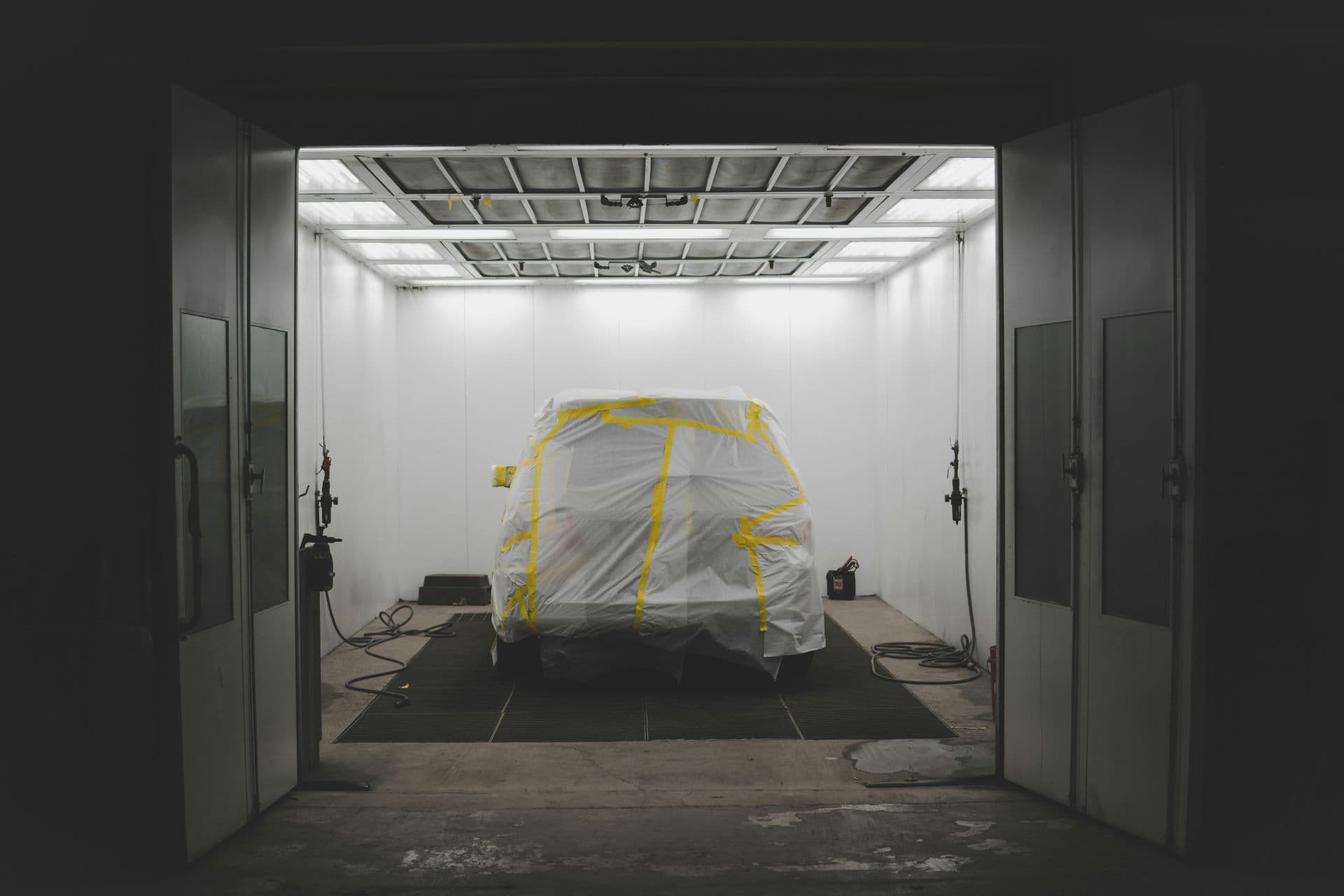
What drivers should look for when collecting a vehicle after collision repairs
Experts from South African Motor Body Repairers' Association explain how motorists can inspect their vehicle after collision repairs, covering panel gaps, paint finish and functionality checks.

Entry-Level Cars Under Fire in Latest Crash Tests
South Africa’s entry-level cars face scrutiny after GNCAP crash tests reveal poor safety ratings for the Haval Jolion and Kia Sonet, prompting concern.
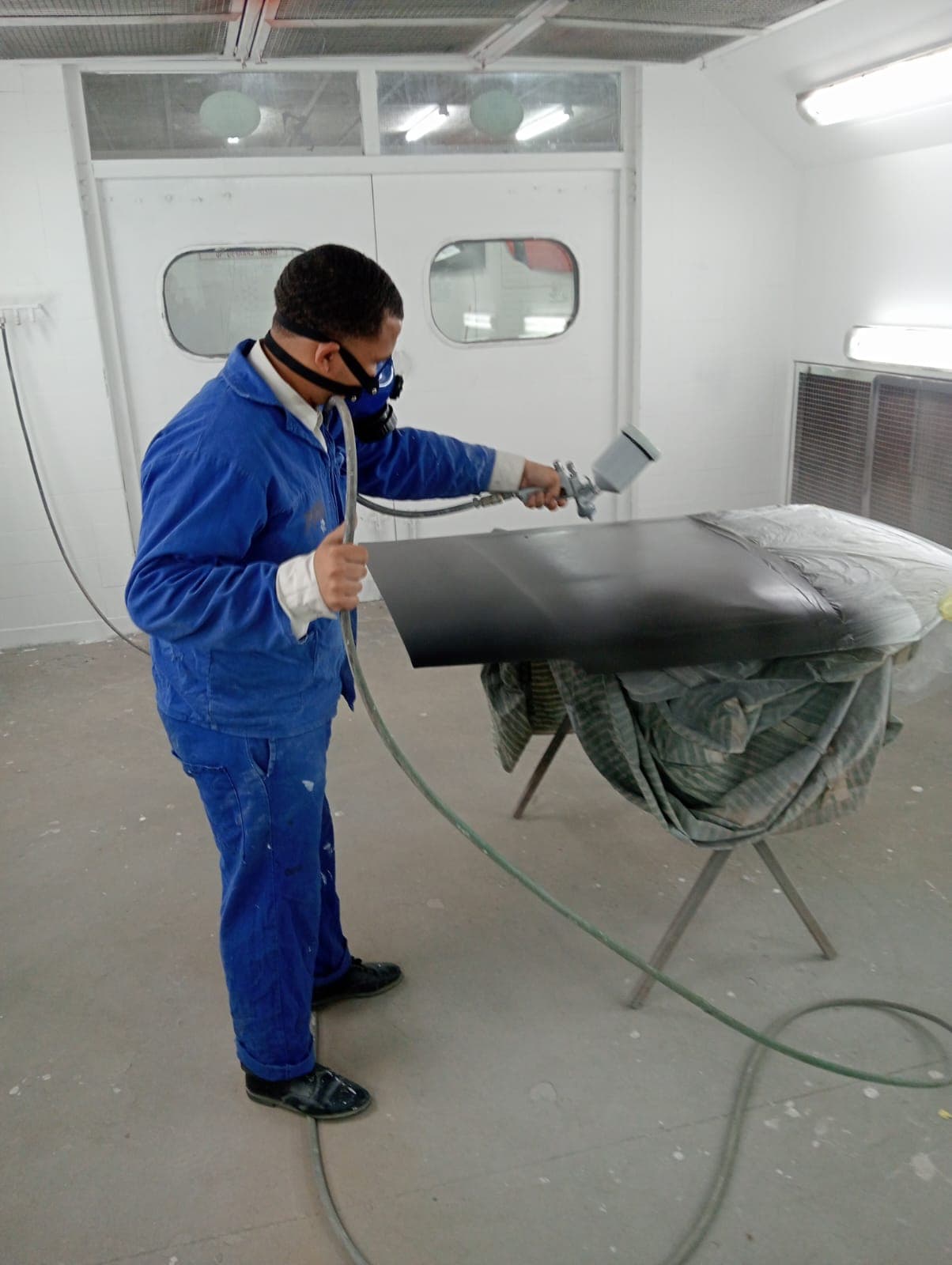
SAMBRA initiative puts young automotive talent in the spotlight
MIWA and SAMBRA host youth automotive competitions in Eastern Cape, offering training, hands-on experience and career pathways for young learners in 2026.

Hella returns to thermal management with long-term aftermarket push
Hella South Africa expands its thermal management range, targeting evolving vehicle technologies with 6,000+ SKUs planned by 2027.
Hino SA Honoured for Aftersales Excellence
Hino South Africa received two global awards for service and parts excellence, reinforcing its leadership in aftersales support.