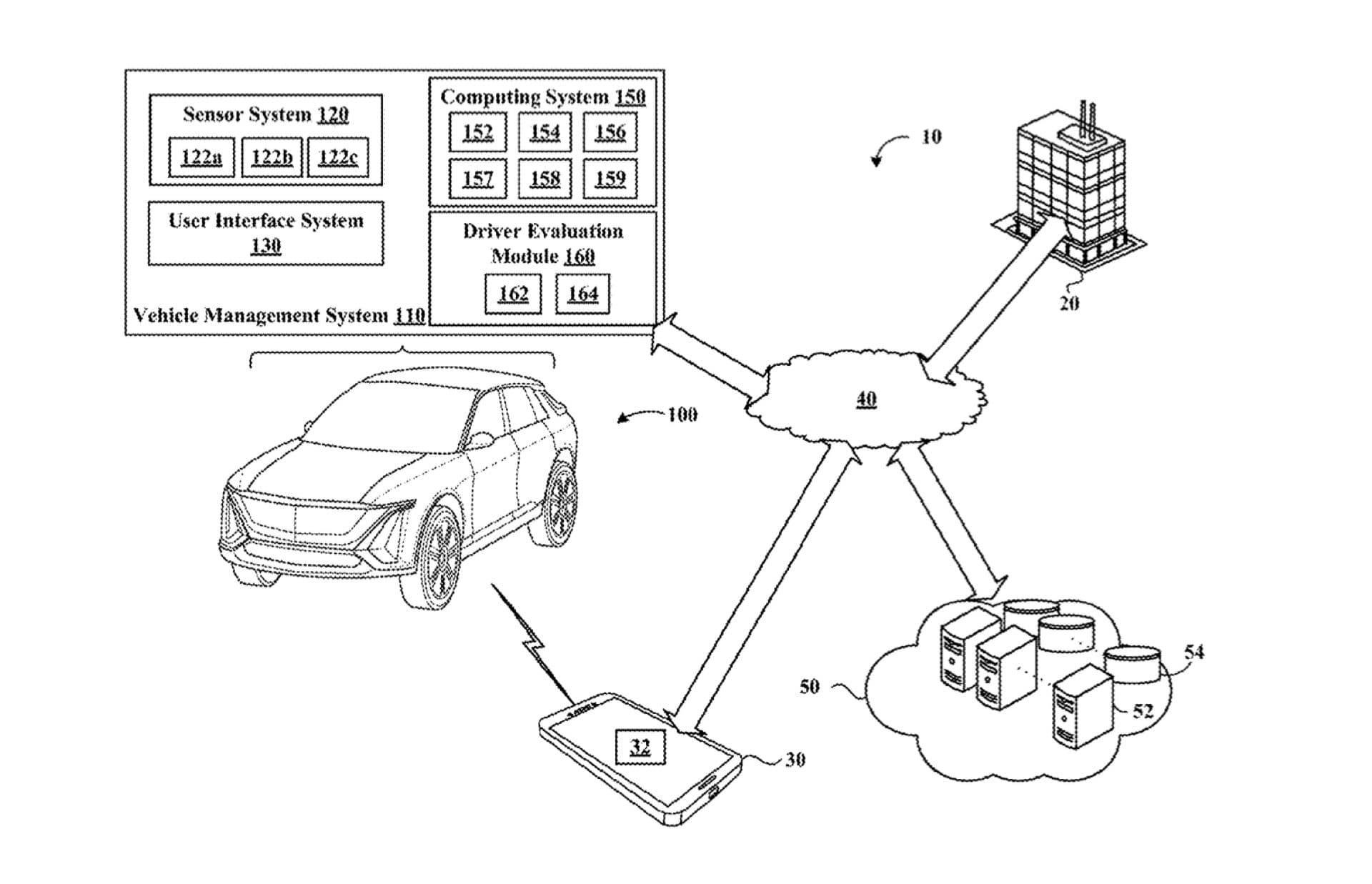
Pondering whether it's time to persuade an elderly relative to stop driving? General Motors has developed groundbreaking technology designed to help families navigate this delicate conversation with greater confidence and objectivity.
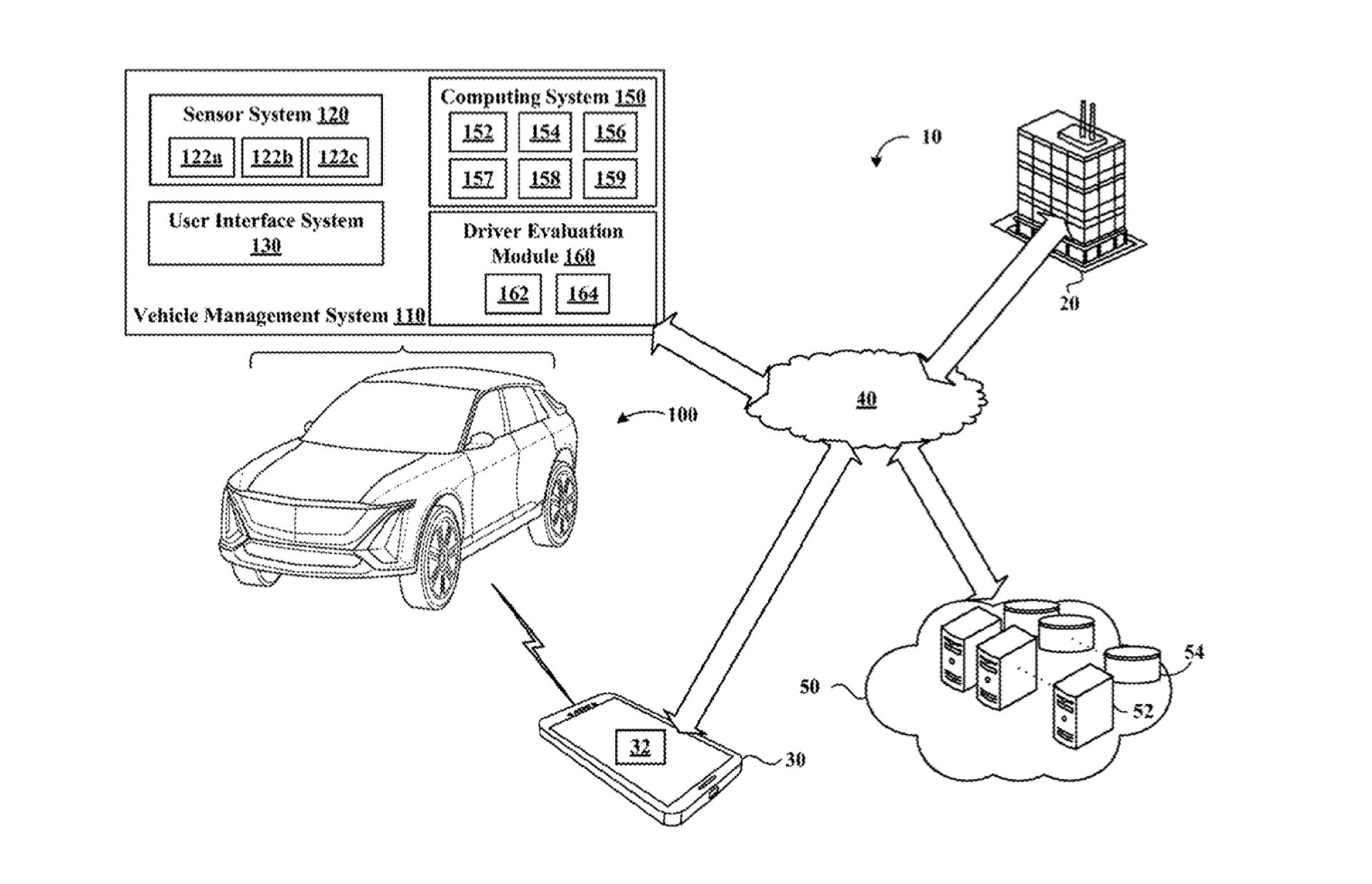
GM engineers and product specialists have filed for a patent on an innovative system that evaluates whether older motorists can continue driving safely and competently. The technology, titled "System and Method for Determining a Driver Retirement Score," uses both vehicle and driver data to calculate a comprehensive assessment and alert motorists about their performance.
"Deciding to retire from driving a vehicle can be difficult, as driving can provide a sense of freedom," the engineers noted in their patent application, which was published by the U.S. Patent and Trademark Office on 28 August.
A Growing Global Challenge
This technology addresses an increasingly pressing concern across the developed world as populations age rapidly. In the United States, there were almost 52 million licensed drivers aged 65 and older in 2022, representing a 77% increase over the past two decades. This demographic shift mirrors trends in many countries, including South Africa, where life expectancy improvements mean more elderly drivers remain on the roads for longer periods.
The challenge is significant: older drivers often face declining vision, slower reaction times, and medical conditions that can affect driving ability. Yet driving represents independence and mobility, making the decision to stop driving emotionally and practically difficult for many families.
How GM's Comprehensive System Works
Unlike previous assessment methods that focus on specific competency measures, GM's system relies on a far more comprehensive array of data inputs. The technology continuously monitors driver behaviour and performance, creating a detailed picture of driving capability over time.
The system evaluates:
The technology can also detect patterns that human observers might miss, such as gradual changes in driving behaviour that occur over months or years.
Data-Driven Assessments and Recommendations
Once the data has been analysed, the system generates a comprehensive report with specific recommendations for the driver. Crucially, it can also alert a designated contact—such as an adult child or family member—about the score, potentially easing those difficult family conversations about driving cessation.
The "driver retirement score" provides an objective foundation for discussions that are often emotionally charged and based on subjective observations. This could help families move beyond arguments about independence versus safety to focus on concrete performance data.
Industry Response and Privacy Considerations
GM has declined to comment on the patent filing, and it remains unclear whether the company has concrete plans to commercialise the system. However, the patent application suggests the technology could be implemented relatively easily in modern vehicles equipped with existing sensors and connectivity features.
Critics have raised concerns about data privacy, particularly given GM's history of sharing driving data with insurance companies. There are legitimate questions about how such scoring systems might be used and whether they could discriminate against drivers based on age rather than actual ability.
The automotive industry has increasingly focused on driver monitoring technology, with various manufacturers developing systems that use sensors and algorithms to detect fatigue, distraction, and declining driving skills.
The Scale of the Problem
The statistics underscore why such technology is needed. Seniors are now outliving their ability to drive safely "for the first time in history," according to motoring organisation AAA, meaning they must plan for a driving retirement much like they plan for financial retirement.
In the United States, drivers aged 65 and older accounted for 19% of traffic fatalities in 2023, slightly higher than the 25- to 34-year-old demographic. However, experts caution that direct comparisons can be misleading due to factors such as increased physical vulnerability among seniors and differences in driving patterns between age groups.
Importantly, safety technology can significantly benefit older drivers. Advanced systems like side airbags with head and torso protection have been estimated to reduce fatalities in side-impact crashes by 45% for drivers aged 70 and older, compared to a 30% reduction for those aged 13-49.
Beyond Technology: The Human Element
Whilst GM's system represents a technological solution to a complex problem, the challenge of elderly driving extends beyond data and algorithms. Cultural attitudes, family dynamics, and social support systems all play crucial roles in how societies manage the transition from active driving to alternative transportation options.
The technology could prove particularly valuable in countries with limited public transport infrastructure, where stopping driving can lead to social isolation and reduced quality of life. By providing objective assessments, such systems might help identify when additional support—rather than immediate driving cessation—could extend safe driving years.
Looking Ahead
As populations age globally and vehicle technology advances, systems like GM's driver retirement score represent a potential solution to one of modern society's most sensitive challenges. The technology offers a data-driven approach to conversations that have traditionally relied on subjective assessments and family intuition.
The success of such systems will likely depend on how well they balance objective safety assessment with respect for elderly drivers' independence and dignity. Implementation would also require careful consideration of privacy rights, data security, and ensuring the technology serves families rather than creating new forms of age-based discrimination.
Whether GM's patent becomes a commercial reality remains to be seen, but it signals a growing recognition that technology can help address the complex intersection of ageing, mobility, and road safety in an objective and compassionate manner.
Staff Writer
Reporting from the front lines of the collision repair industry, delivering expert analysis and the technical updates that drive the African automotive sector forward.
More From Motoring

Technology Bundles Deliver Major Safety Gains, New Analysis Shows
A growing body of evidence suggests that modern driver assistance technologies are significantly reducing road crashes, and new research into...
How Ford’s Shift to Megacasting Could Influence Vehicle Repair Costs
Ford Motor Company is planning to replace complex assemblies with giant, single-piece aluminium castings for its upcoming electric pickup. The...

The 9th Festival of Motoring is Here
The iconic Kyalami Grand Prix Circuit will once again come alive from 28–30 August 2026 as the Festival of Motoring (FoM), powered by WesBank...
Agibot Sets Its Sights on Europe as Humanoid Robot Competition Heats Up
Chinese robotics firm Agibot is accelerating its global expansion with a major push into Europe, partnering with automotive supplier Minth Group...
South Africa Embraces the New Era of Automotive Brands
South Africa’s automotive industry is undergoing a profound transformation. While traditional marques remain familiar and trusted, a growing...
BMW Expands Physical AI Innovation with New Leipzig Robotics Pilot
The BMW Group is strengthening its position as a leader in intelligent manufacturing with the launch of a new pilot project using humanoid robots...