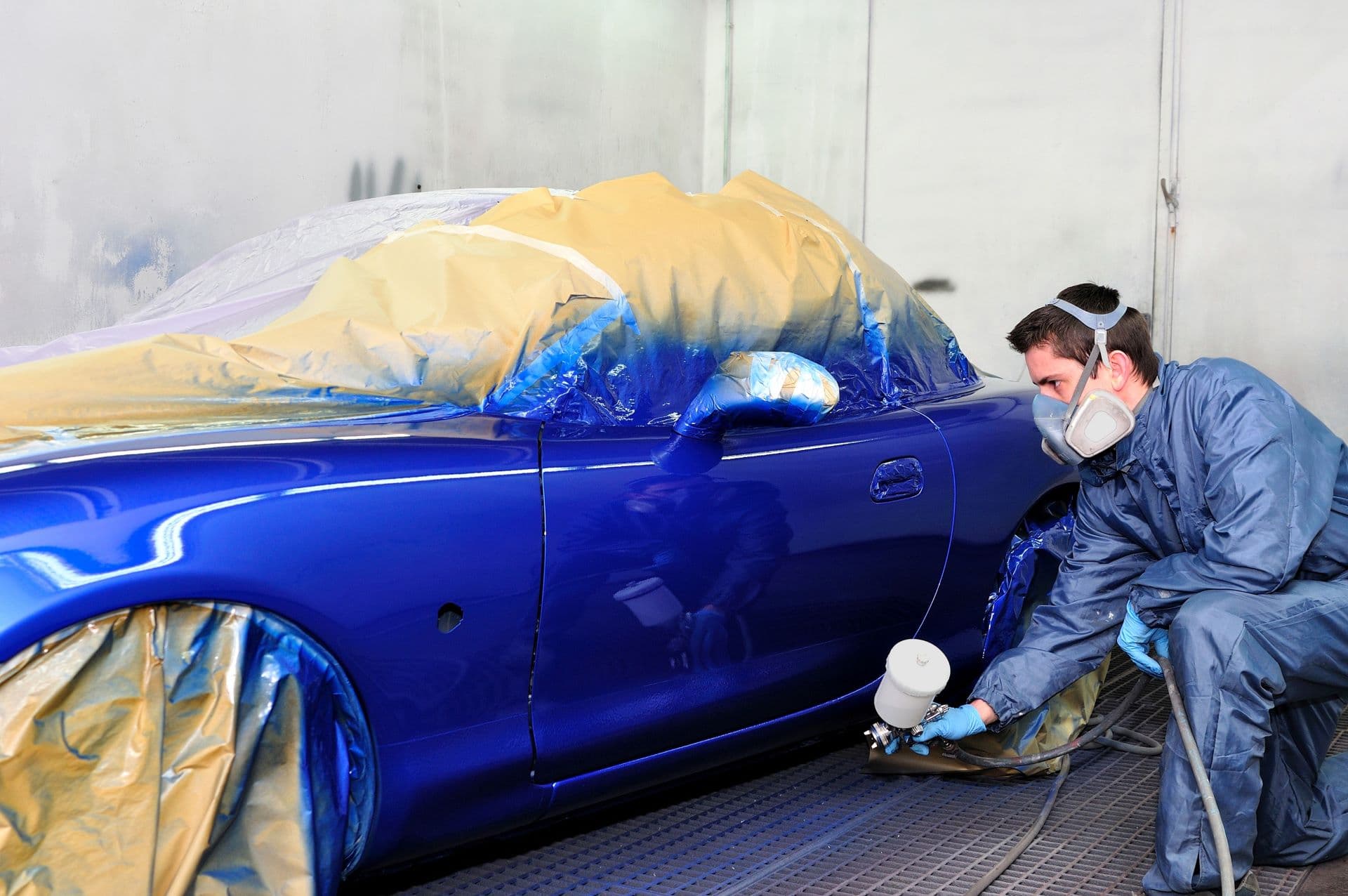
As social media becomes saturated with so-called “quick fixes” and an increasing number of DIY car-care tricks circulate online, many drivers are—often unintentionally—putting their vehicles at risk.
To clear up the confusion, the South African Motor Body Repairers’ Association (SAMBRA), an association of the Retail Motor Industry Organisation (RMI), asked two of its experts – Alewyn Muller, SAMBRA Vice Chairman for the Free State and Northern Cape, and Hendrik Griesel, SAMBRA Chairman for the Eastern Cape – to break down some of the most persistent myths they encounter in the industry.
“Most motorists are surprised to learn just how delicate modern automotive paints, plastics, and safety systems have become,” says Muller. “Even a light scratch or minor bump may conceal damage you won’t notice until it has already worsened.”
Griesel echoes this sentiment: “What appears to be a straightforward fix can easily turn into an expensive repair. With today’s highly engineered vehicle structures, even seemingly insignificant damage can affect components that are critical for safety.”
Myths your MBR wants you to stop believing
• “A tiny scratch or scuff is nothing to worry about.”
In truth, any break in the clear coat allows UV light and moisture to penetrate the surface. Rust can begin developing underneath long before it becomes visible. “A small repair that could have been sorted quickly can escalate into a full respray if ignored,” notes Muller.
• “If the bumper looks fine and the car drives normally, there’s no damage.”
Modern bumpers are designed to hide foam energy absorbers and crucial crash sensors. Even a gentle impact can deform these components or knock sensors out of alignment. “This could put you at serious risk in a future collision, precisely when those systems need to function perfectly,” explains Griesel.
• “Toothpaste or baking soda will polish out scratches.”
These household abrasives actually dull the finish and create uneven patches. Correcting the damage usually requires professional machine polishing—and in some cases, repainting.
• “A plunger or suction cup will remove dents.”
DIY dent pulling frequently stretches the metal or tears the paint altogether. Proper paintless dent repair (PDR) demands specialist tools, controlled techniques, and expert training.
• “Touch-up paint from a hardware shop will match your car.”
It almost never will. Modern vehicles use advanced water-based paints and multi-stage pearl finishes. Brush marks, colour mismatch, and uneven texture often draw more attention than the original chip.
• “Replacement parts are delivered pre-painted.”
New parts arrive only in primer. The colour matching, painting, and curing all take place in the workshop. Even a standard bumper replacement can require a day or two, depending on workload. Many plastic bumpers arrive not fully primed and need additional preparation.
• “Hairline cracks mean poor workmanship.”
Not necessarily. These fine cracks often result from pressure-point fractures when the bumper is squeezed or pushed after painting. “If something presses against a flexible bumper, the paint can crack,” says Griesel. “It doesn’t automatically indicate that the work was done poorly.”
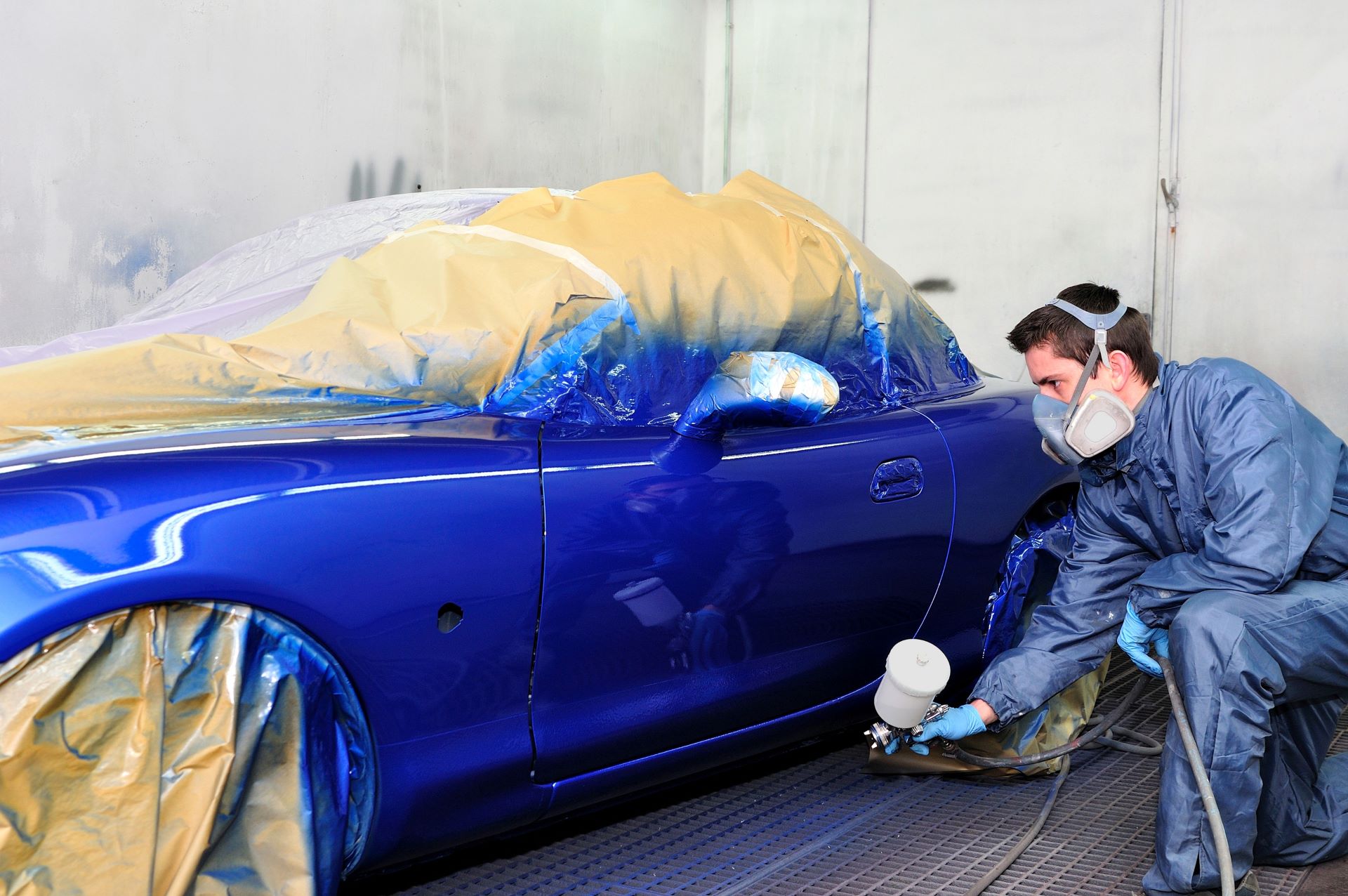
What your MBR wants you to know – essential advice for motorists
Beyond the myths, SAMBRA repairers emphasise a few practical tips to help preserve your vehicle’s paintwork and maintain safety:
Wash your car regularly – salt, grime, and road contaminants are highly corrosive.
Remove bird droppings, tree sap, and environmental fallout within 48 hours – they are acidic and can permanently etch the paint.
Repair stone chips promptly to stop rust forming beneath the surface.
Check your wheel alignment after hitting a pothole or kerb – alloy wheels can crack easily, and bent tie-rods may not be immediately visible.
Be cautious with repeated DIY polishing – aggressive cutting compounds can strip the clear coat after only a few uses.
Keep invoices from accredited SAMBRA repairers – documented, professional repairs add value when you sell your vehicle, while unrecorded “cash jobs” often raise concerns.
If in doubt, speak to a SAMBRA-accredited MBR – a quick inspection can determine whether a repair is urgent or can safely wait.
Griesel concludes, “If something seems even slightly wrong, have it checked. Modern cars are designed to extremely precise tolerances, and minor issues can escalate quickly.”
Muller adds, “Your MBR is there to help you protect your vehicle, your investment, and most importantly, your safety. A brief conversation with a qualified repairer is always better than relying on an unproven shortcut.”
Staff Writer
Reporting from the front lines of the collision repair industry, delivering expert analysis and the technical updates that drive the African automotive sector forward.
More From News

Must Read: Competition Case in Botswana Could Reshape the Regional Repair Market
A Botswana competition case could influence insurer-repairer relationships and reshape vehicle repair markets across Southern Africa.
What drivers should look for when collecting a vehicle after collision repairs
Experts from South African Motor Body Repairers' Association explain how motorists can inspect their vehicle after collision repairs, covering panel gaps, paint finish and functionality checks.
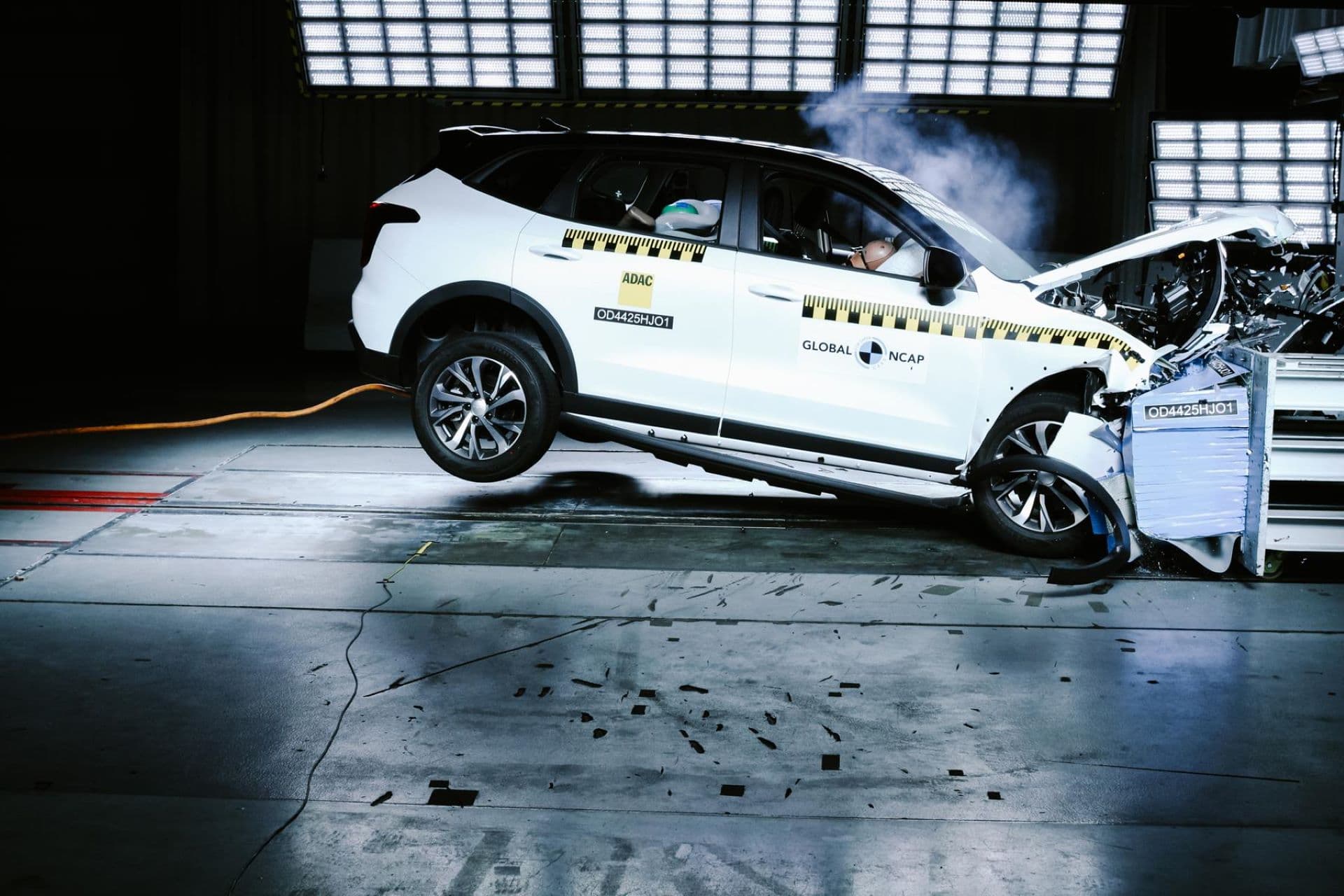
Entry-Level Cars Under Fire in Latest Crash Tests
South Africa’s entry-level cars face scrutiny after GNCAP crash tests reveal poor safety ratings for the Haval Jolion and Kia Sonet, prompting concern.
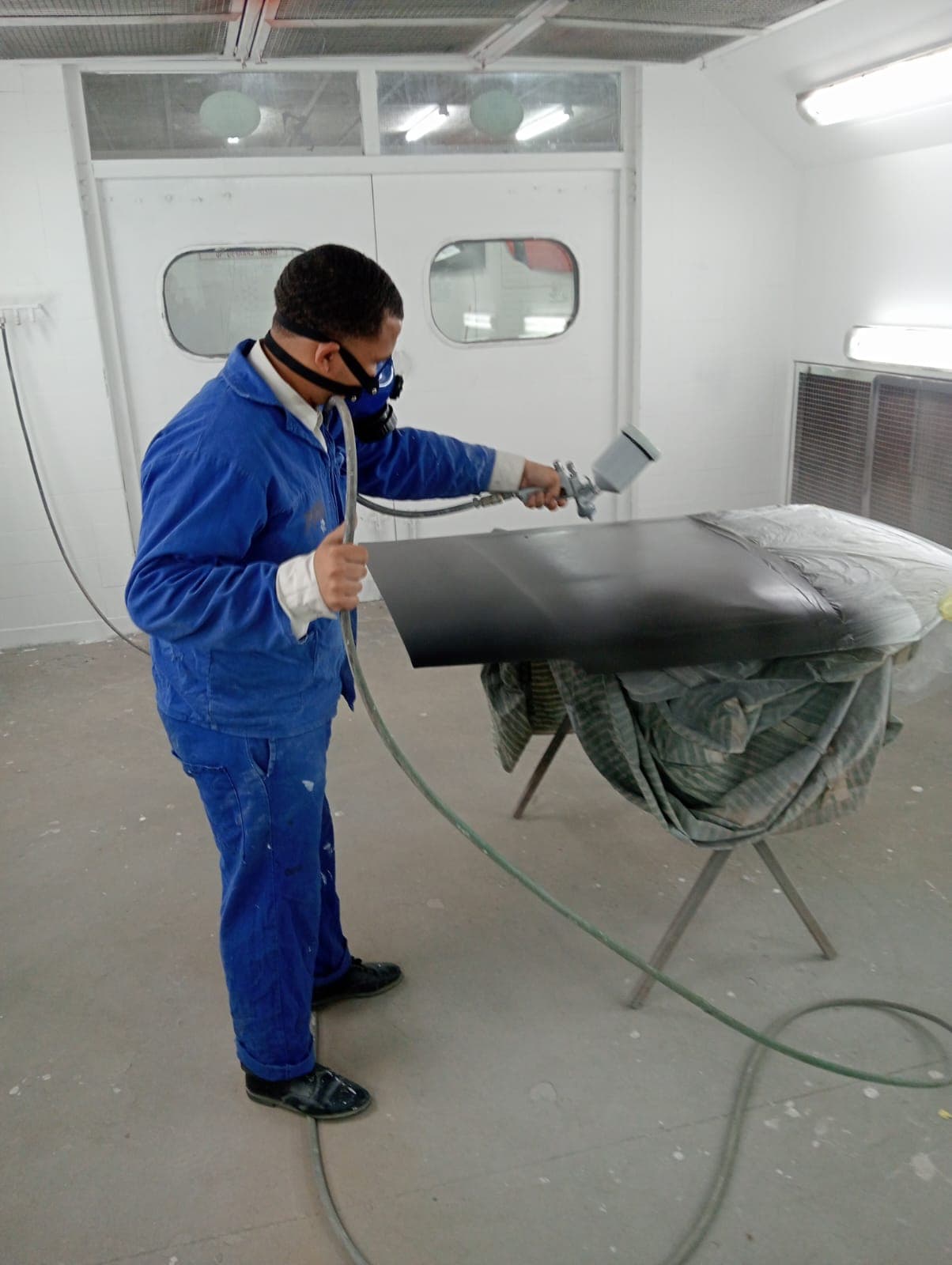
SAMBRA initiative puts young automotive talent in the spotlight
MIWA and SAMBRA host youth automotive competitions in Eastern Cape, offering training, hands-on experience and career pathways for young learners in 2026.

Hella returns to thermal management with long-term aftermarket push
Hella South Africa expands its thermal management range, targeting evolving vehicle technologies with 6,000+ SKUs planned by 2027.
Hino SA Honoured for Aftersales Excellence
Hino South Africa received two global awards for service and parts excellence, reinforcing its leadership in aftersales support.