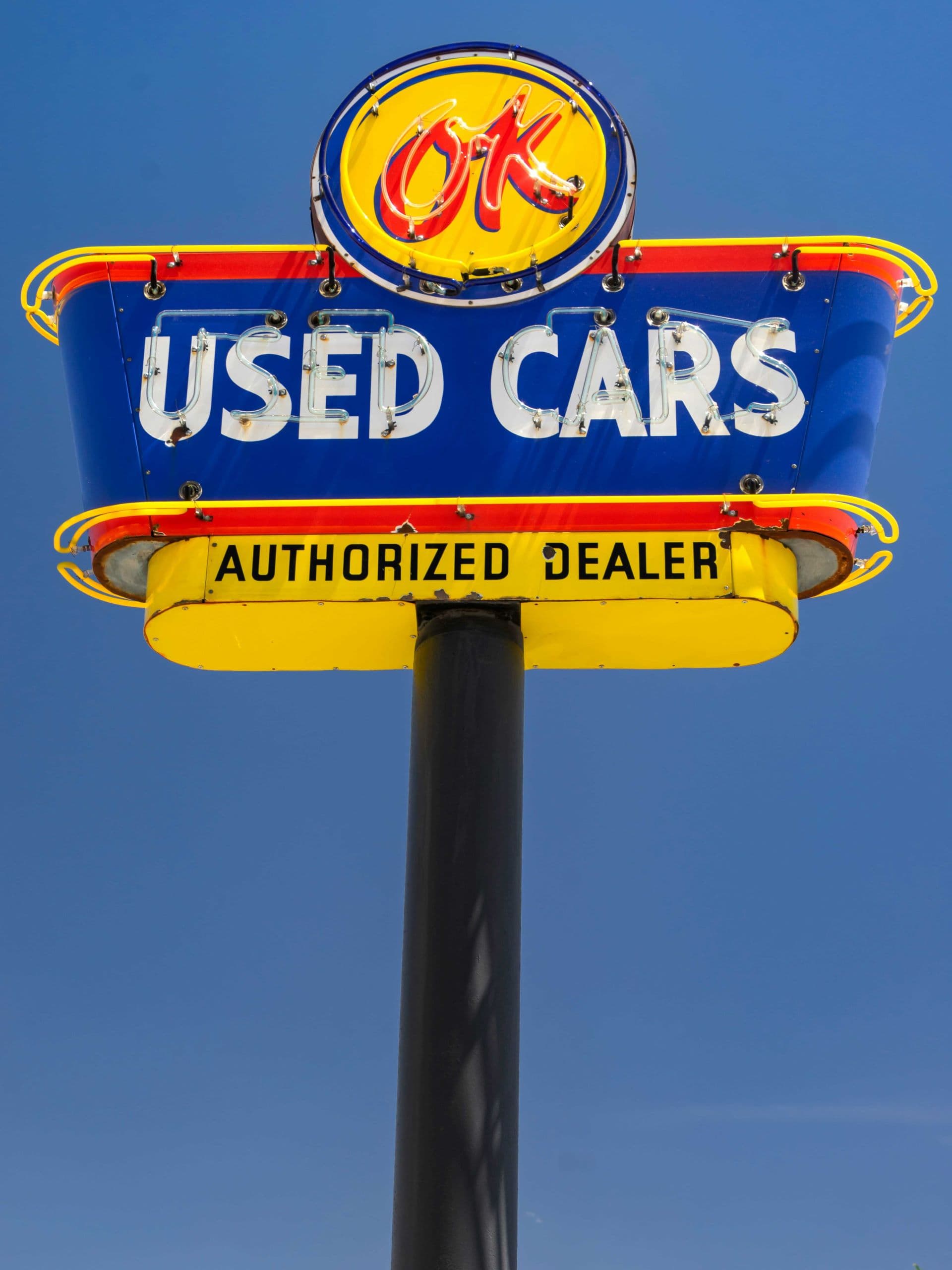
Buying a car, even a second-hand one, is a big financial commitment, and buyers need to know they are getting bang for their buck, along with all the things that they most desire in a car. Safety should always be a top priority but how certain can one be that your chosen vehicle has never been involved in a serious accident?
Jacques Viljoen, national director of the South African Motor Body Repairers’ Association (SAMBRA), a proud association of the Retail Motor Industry Organisation (RMI), says unfortunately this is one of the main reasons SAMBRA has been campaigning so hard for an open and transparent Vehicle Salvage Database (VSD) of all vehicles that have previously been “written off” by insurers.
“Since we started this drive, we have found a concerning number of vehicles that have been severely damaged in accidents often end up being repaired and returned to the road. To the untrained eye, these cars may look perfectly acceptable but upon closer inspection, one may be shocked at the quality of the repairs and the severity of the previous damage incurred,” says Viljoen.
Roadworthy not enough?
According to SAMBRA, when you buy a second-hand car, it comes with a roadworthy certificate. This certificate alone will not provide confirmation of material defects being present. “A roadworthy certificate is a legal requirement to complete the registration for transfer of ownership when one acquires a used motor vehicle, or for any vehicles carrying passengers for reward, like mini-busses, busses and heavy load vehicles.
A roadworthy test conducted by the vehicle examiner identifies visual defects with the electrical items, bodywork components, steering, suspension, interior seatbelts and an overview of the undercarriage. It ensures the vehicle is “roadworthy” but will NOT necessarily pick up if the vehicle has been involved in a collision and then repaired,” says Viljoen. Julian Pillay, national director of the Vehicle Testing Association agrees, saying there currently needs to be far more emphasis and discussion centred on vehicle inspection controls, particularly the periodic testing of vehicles. This will entail the re-testing of vehicles beyond a certain age, even if they do not change ownership, for roadworthiness.
Viljoen says until consumers can be 100% sure of the status of the second-hand vehicles they are purchasing, particularly if they have viewed them online, they are encouraged to educate themselves by taking the following steps and taking control of their car-buying journey.
“Remember, with so many complex moving parts in modern vehicles, it’s not uncommon to have underlying problems you may be unaware of. To catch any issues before they turn into a safety hazard, it is advisable to get the experts involved and do a thorough inspection. Knowing the condition of a vehicle can help you to not only uncover potential issues but to address them before they lead to dangerous failures or costly repairs that ultimately devalue the asset you are buying.”
Staff Writer
Reporting from the front lines of the collision repair industry, delivering expert analysis and the technical updates that drive the African automotive sector forward.
More From Motoring

Technology Bundles Deliver Major Safety Gains, New Analysis Shows
A growing body of evidence suggests that modern driver assistance technologies are significantly reducing road crashes, and new research into...
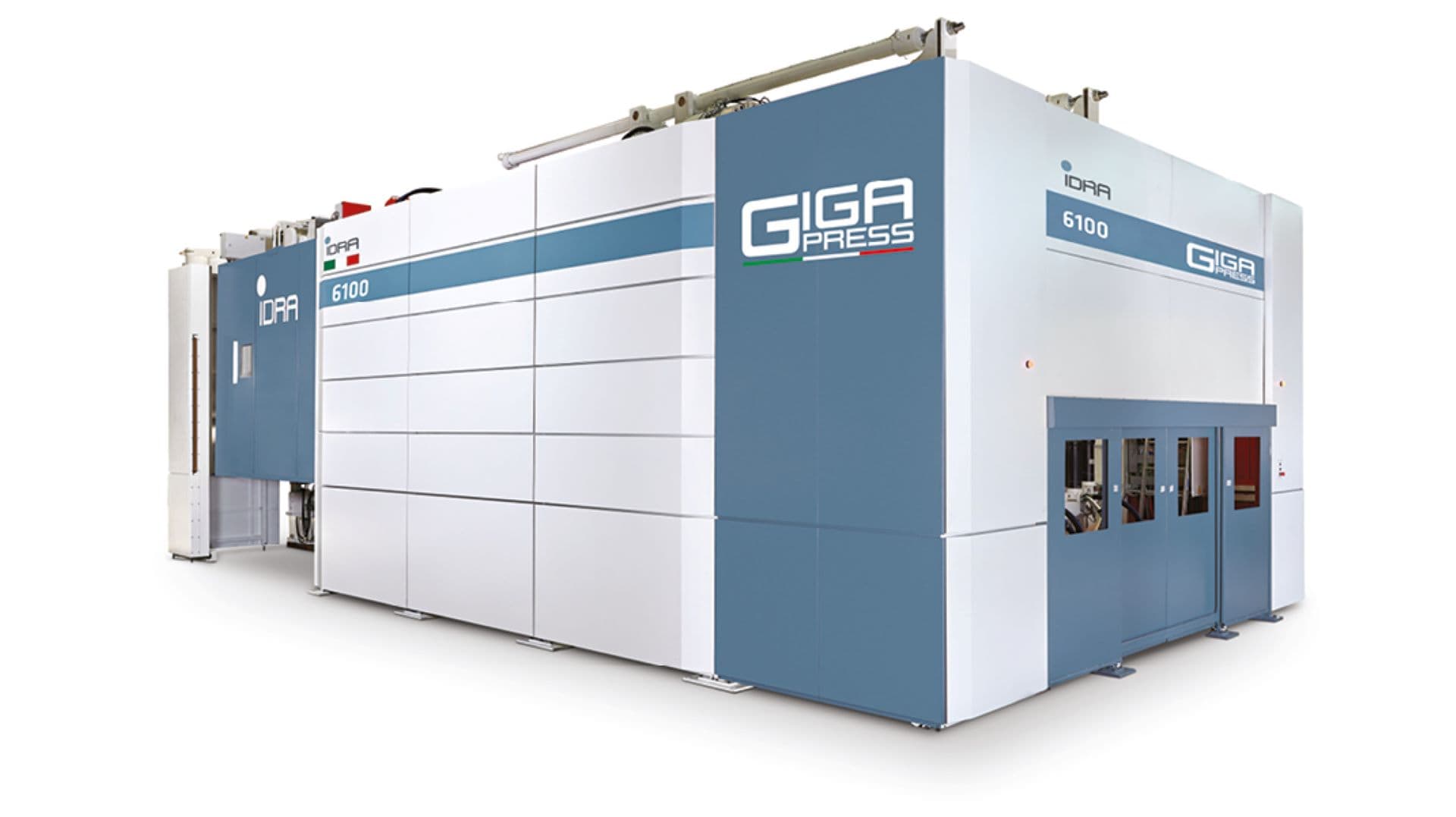
How Ford’s Shift to Megacasting Could Influence Vehicle Repair Costs
Ford Motor Company is planning to replace complex assemblies with giant, single-piece aluminium castings for its upcoming electric pickup. The...
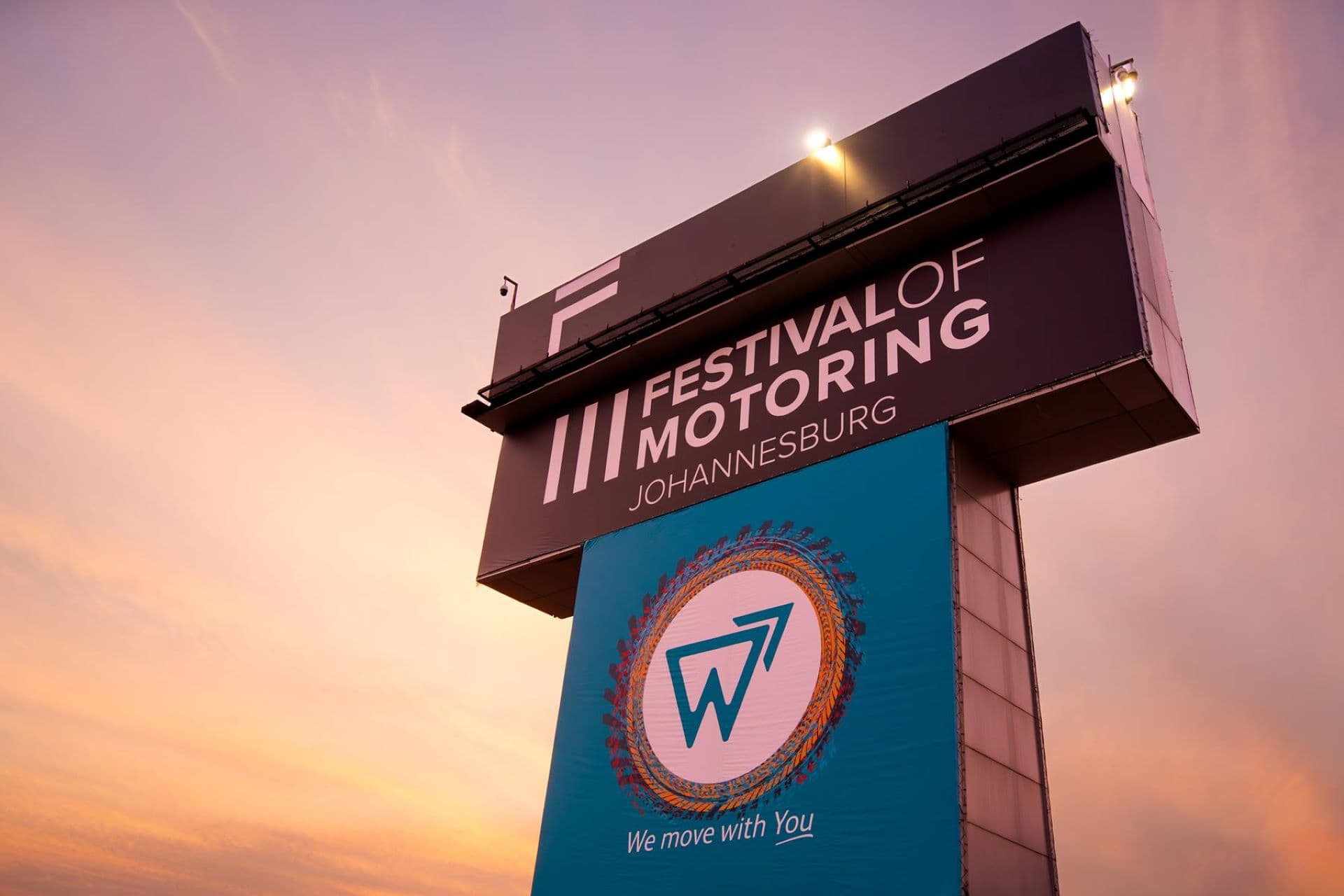
The 9th Festival of Motoring is Here
The iconic Kyalami Grand Prix Circuit will once again come alive from 28–30 August 2026 as the Festival of Motoring (FoM), powered by WesBank...

Agibot Sets Its Sights on Europe as Humanoid Robot Competition Heats Up
Chinese robotics firm Agibot is accelerating its global expansion with a major push into Europe, partnering with automotive supplier Minth Group...
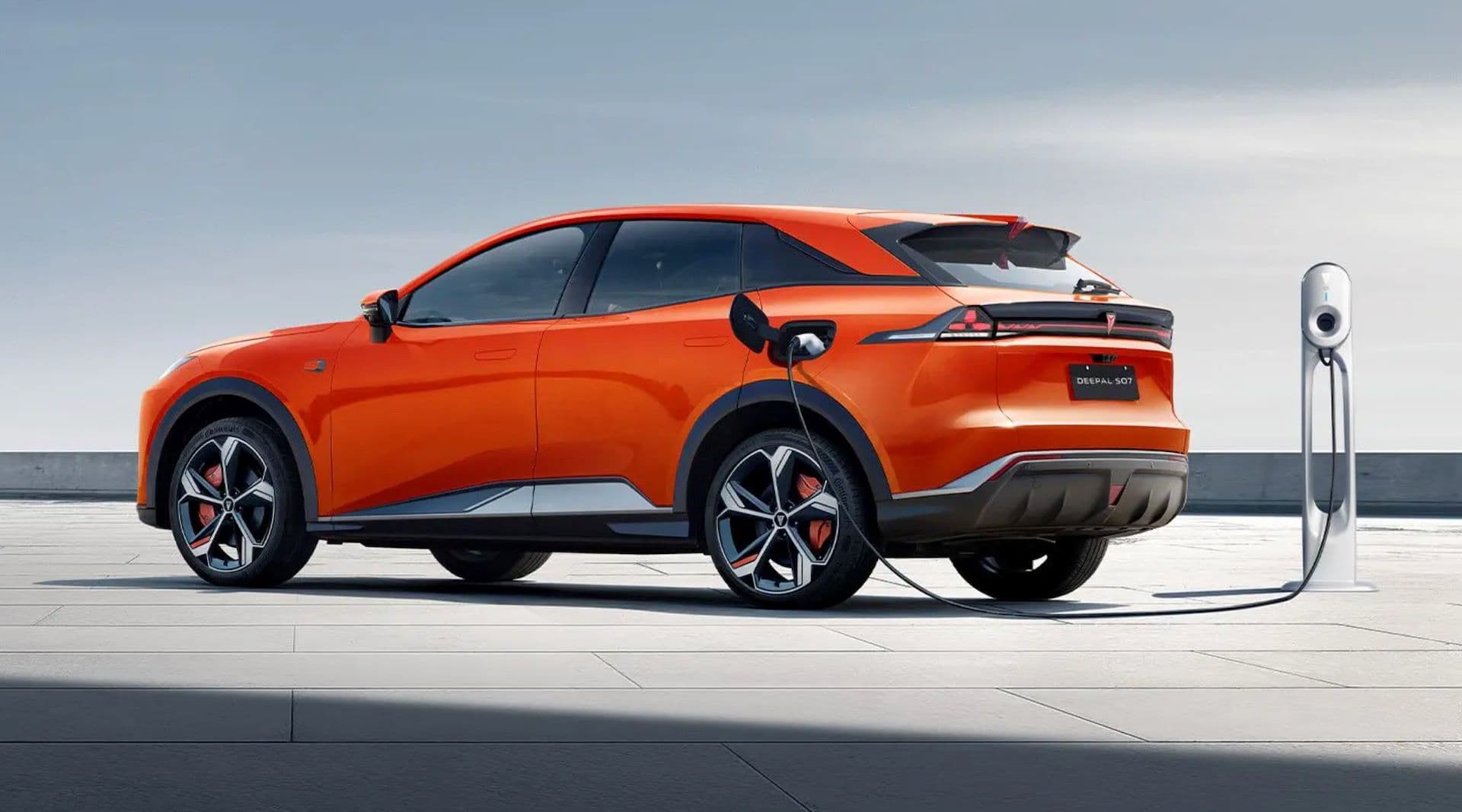
South Africa Embraces the New Era of Automotive Brands
South Africa’s automotive industry is undergoing a profound transformation. While traditional marques remain familiar and trusted, a growing...

BMW Expands Physical AI Innovation with New Leipzig Robotics Pilot
The BMW Group is strengthening its position as a leader in intelligent manufacturing with the launch of a new pilot project using humanoid robots...